©

Corniche

|

S_GRANDJEAN_OT-THAU

History of the Mediterranean Sea

Set between the deep blue of the Mediterranean and the calm waters of the Thau Lagoon, the Thau Archipelago unfolds as a unique land where the sea has shaped its history, landscapes and daily life. From Mont Saint-Clair, which watches over Sète, to the protective Lido, this coastal region reveals natural and cultural treasures unique to the Gulf of Lion.

Maritime heritage

The maritime history of the Thau Archipelago really began in 1666, when Louis XIV decided to link the Canal du Midi to the Mediterranean. The king chose the Cape of Sète as the point where the open sea and the inland waterways would meet. This strategic choice transformed a simple rocky promontory into a thriving seaport.

Sète quickly became the leading fishing port on the French Mediterranean coast, a position it retains to this day. The port welcomes the trawlers that set out to sea every day, continuing a tradition dating back several centuries. The 650-metre-long Saint-Louis breakwater, built when the town was founded, still protects ships from storms at sea. At its end, the 33.50-metre-high Saint-Louis lighthouse has been guiding sailors with its red light since the 17th century.

The maritime heritage is also reflected in local traditions. The Languedoc jousting, a centuries-old sport in which competitors face off on small boats, has enlivened the canals and the port for centuries. La Saint-Pierre, the fishermen’s festival, sees a colourful maritime procession set off from the old port every year in homage to the patron saint of sailors. These celebrations serve as a reminder of just how central the sea remains to the region’s identity. They are held in the coastal towns and villages of the Thau Archipelago. So, you can watch jousters compete in Frontignan and Balaruc-les-Bains, or follow the Saint Pierre procession in Mèze.

The Musée de la Mer in Sète houses model ships, testimonies from fishermen and artefacts tracing the history of the port’s construction. Here, you can discover how this island territory, nestled between the sea and the lagoon, prospered thanks to maritime activities despite competition from other Mediterranean ports.
Viewpoints and walks

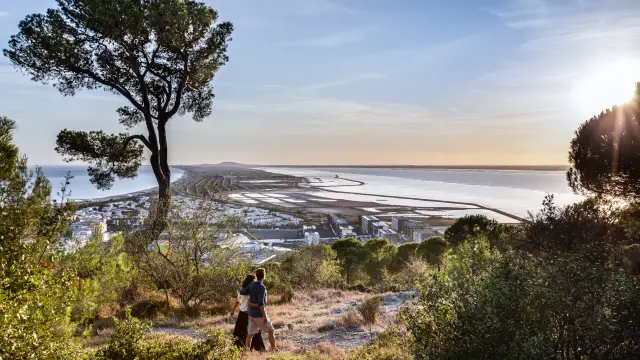
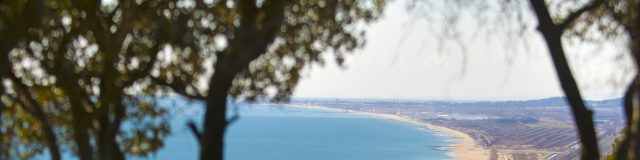
Mont Saint-Clair offers the most beautiful view of the Thau Archipelago. From its height of 175 metres, this limestone peak offers a 360-degree view of the town, the canals, the harbour and the Mediterranean on one side, and the Thau lagoon on the other. On a clear day, the view stretches as far as the Pyrenees and Mont Canigou, taking in the Cévennes and Espiguette. An orientation table helps you find your bearings in this complex landscape where sea, lagoon, mountains and plains intermingle.

You can drive up, but the walk reveals the town’s true character. From the Quartier Haut, Sète’s oldest district nicknamed “Little Naples”, 390 steps lead to the summit. The reward is well worth the effort: at the top, the Notre-Dame de la Salette chapel (1861) watches over the sailors, and the Saint-Clair viewpoint offers a breathtaking spectacle.

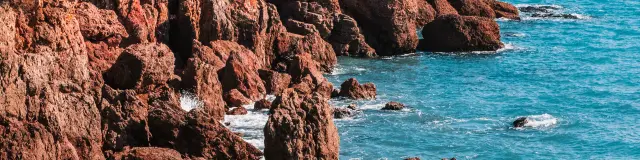
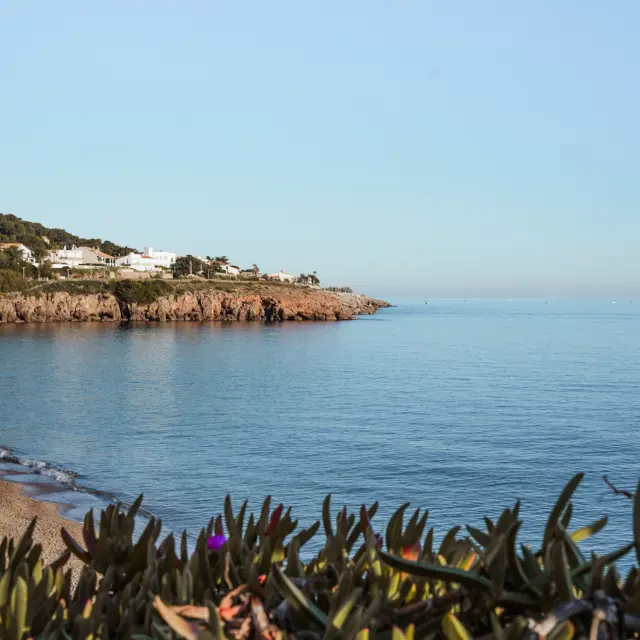
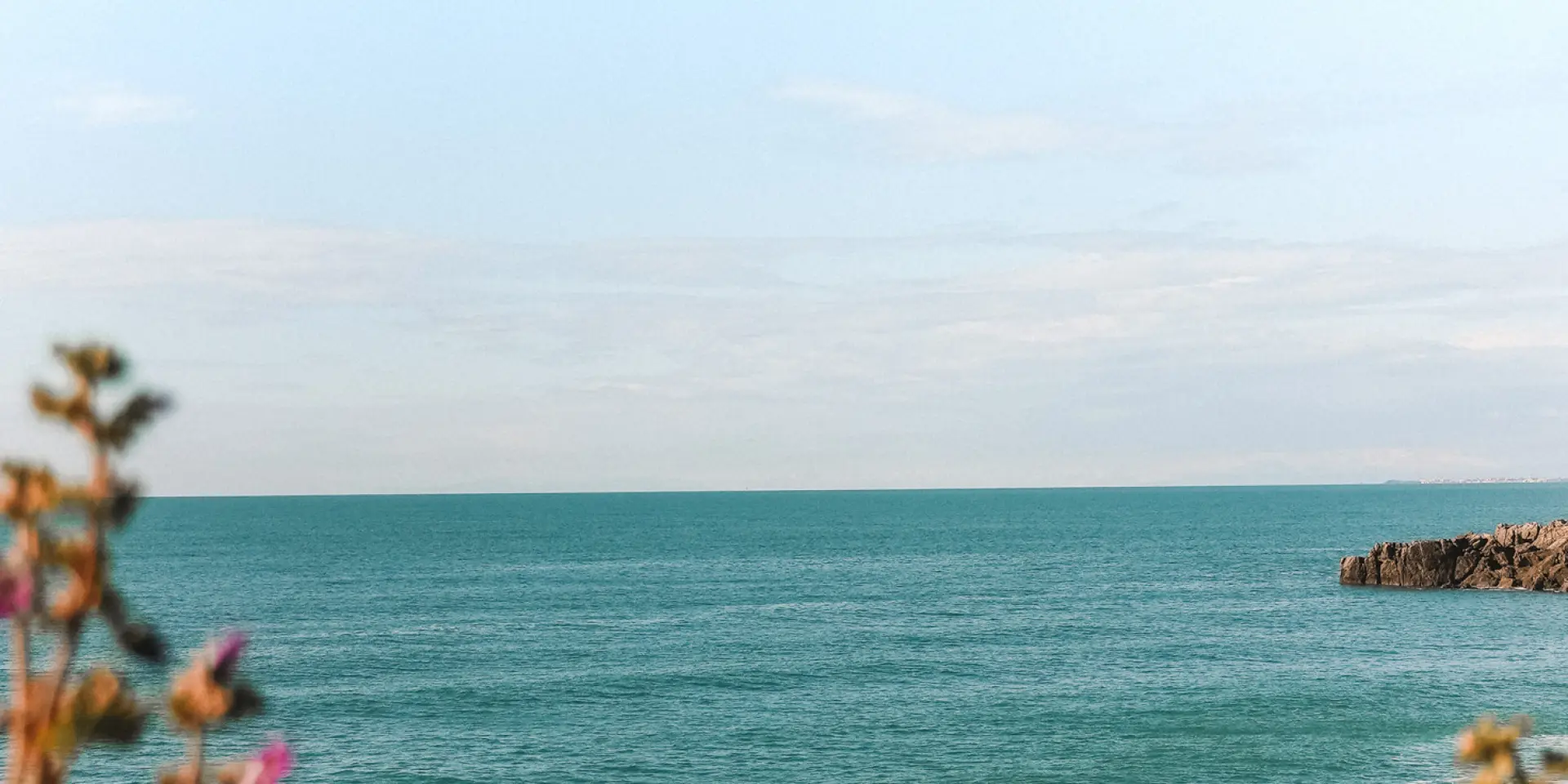
The Corniche offers a completely different experience. Perched on the southern slopes of Mont Saint-Clair, this promenade, suspended some ten metres above the sea, winds its way between limestone cliffs and turquoise waters.

Designated a Natura 2000 site, this narrow 13-hectare strip of land is home to several rare plant species protected at European level. The footpath links the town centre to the residential district of La Corniche, offering viewing points along the route that look out over the sea like balconies.

The Pierres Blanches forest, on the lagoon side, completes these exceptional panoramas. Its 20 hectares of pinewood are home to over 700 plant species, some of which are very rare and were brought back by sailors. The footpaths, equipped with benches and picnic tables, offer magnificent views of the Thau lagoon, the oyster and mussel beds, the Gardiole massif and the Lido, which links Sète to Marseillan.

The Lido: a fragile link between two worlds

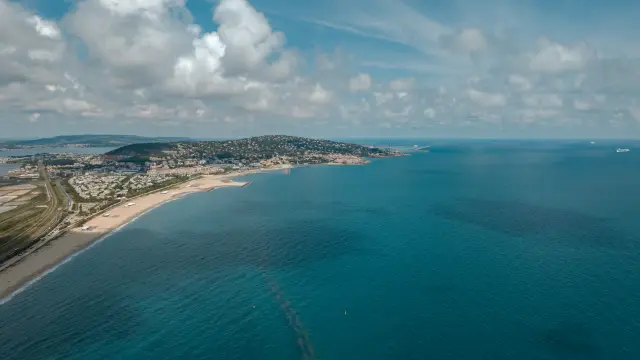
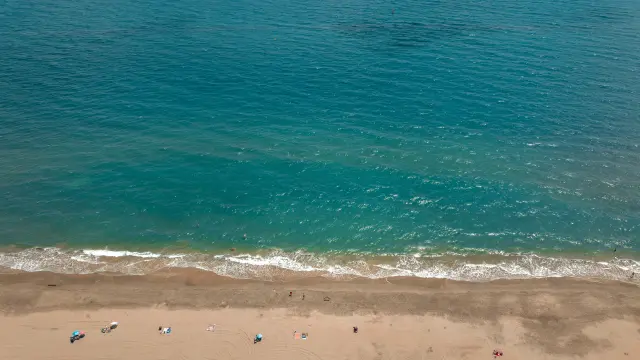
The Lido de Sète in Marseillan is much more than just a beach. This sandy strip, stretching over 12 kilometres, separates the Mediterranean from the Thau Lagoon, creating a unique landscape that bridges two worlds. Formed nearly 6,000 years ago by the accumulation of river and marine sediments between Mont Saint-Clair and Mont Saint-Loup d’Agde, this dune system is a major natural area.

But this natural gem is fragile. Between 1954 and 2000, nearly 45 hectares were lost to erosion. The once-in-a-century storm of 1982 caused considerable damage. Faced with this threat, Sète Agglopôle Méditerranée launched a major programme of protection and sustainable development in 2007, one of the most ambitious in Europe.

The works required an investment of €55 million between 2007 and 2013, with support from the European Union. The coastal road was moved back 100 metres from the sea. A 2.4-kilometre wave attenuator was installed 350 metres from the shore to reduce the impact of breaking waves. 350,000 cubic metres of sand were deposited to replenish the beach and the shallow waters. The dune ridge has been rebuilt, a cycle path created, and car parks developed.

Now protected by the Conservatoire du littoral and managed by Sète Agglopôle Méditerranée, the Lido has been part of the Natura 2000 network since 2006. This protection also covers a much larger area including the Thau lagoon and its shores across eight municipalities. The site is home to numerous Mediterranean waterbirds: flamingos, egrets, avocets and terns. In recent years, 500 to 600 pairs of terns (Caugek, Little, and Common), black-headed gulls and elegant avocets have returned to nest on islets created by the agglomeration, thus rewarding the restoration efforts.

Saving the Lido was essential not only to preserve this natural heritage, but also to protect the Thau lagoon ecosystem and the region’s economic activities. Without this dune ridge, the lagoon risked being flooded by the sea, threatening the 550 shellfish farms which alone account for 80% of Mediterranean oyster and mussel production.

The Thau Archipelago lies at the heart of the Gulf of Lion, that vast inlet of the western Mediterranean stretching from Cape Creus in Spain to Cape Sicié in the Var. This unique geographical location explains many of the area’s characteristics.

The Gulf of Lion is characterised by its windy climate. Two regional winds dominate: the Mistral and the Tramontane. The Mistral, a cold, dry north-westerly wind, blows down the Rhône valley and can reach speeds of over 100 km/h. The Tramontane originates in the Pyrenees, crosses the Languedoc and also blows from the north-west. These powerful winds, particularly in winter and spring, play a major role in the Gulf’s oceanic dynamics.

They cause powerful surface ocean currents, generate upwelling of cold water throughout the year and contribute to the formation of eddies that affect marine ecosystems. Off the coast of the Gulf of Lion, evaporation caused by these cold, dry winds increases the salinity of the surface waters, which become denser and sink to greater depths, forming new Mediterranean water masses.

The North Mediterranean Current runs along the continental slope from east to west, from the Ligurian Sea to the Catalan Sea via the Gulf of Lion. This current moves closer to the coast in winter, where it is only 20 to 30 kilometres wide but becomes faster. From June to December, it widens to 40–50 kilometres and slows down.

In Sète, the tidal currents generated in the Thau Lagoon can reach 0.5 to 2 metres per second in certain narrow passages. Although the tide is weak in the Mediterranean, its influence is felt: the water level in the lagoon falls when the wind blows from the north and rises when the wind blows from the sea.

Fauna and flora Exceptional biodiversity

The Mediterranean accounts for just 0.7% of the world’s ocean surface area, yet it is home to 8–9% of the world’s marine biodiversity. The Thau basin ranks among the top in terms of this biodiversity on a Mediterranean scale, creating a unique ecosystem where marine and lagoon influences intermingle.

The Thau lagoon is home to 88 species of fish, including 16 sedentary species, 17 rare species and 40 exceptional species. It is home to sea bass, sea bream, mullet, eels, sole, sars, and even sparaillons, which are usually found on the edges of Posidonia seagrass beds. Juvenile sea bass and sea bream come to grow up in the calm, nutrient-rich waters of the lagoon.

The absolute jewel remains the spotted seahorse (Hippocampus guttulatus). The seahorse population in the Thau Lagoon is the largest known population of the Mediterranean lagoon ecotype. It is unique and important to study and conserve. Heavily exploited as recently as 20 years ago as a good-luck charm, the seahorse is now protected under the CITES Convention. The Hippo-THAU project, launched in 2005 with up to 200 volunteers a year, has become France’s largest scientific programme dedicated to these animals.

The aquatic flora comprises more than 196 plant species. In particular, the lagoon is home to one of the largest seagrass beds in Europe (Zostera noltii and Zostera marina), covering 2,000 hectares. These seagrass beds, the true lungs of the Mediterranean lagoons, oxygenate the waters and provide feeding grounds and refuge for fish, molluscs and crustaceans.

The lagoon is also home to 70 species of molluscs (cuttlefish, clams, oysters, mussels, scallops), 110 species of crustaceans (crabs, prawns, amphipods), 12 species of echinoderms (starfish, sea urchins, sea cucumbers), and 18 species of coelenterates (sea anemones, jellyfish). Sea slugs abound in an extraordinary variety of species: flamboyantly coloured hervias, highly colourful antiopelles, and marbled doris displaying their full range of colours.

At Cap d’Agde and Frontignan, seagrass meadows of Posidonia and eelgrass grow out to sea, creating particularly rich ecosystems. These flowering aquatic plants, typical of the Mediterranean, provide a habitat for octopuses, lobsters, mantis shrimp, fiddler crabs, white and yellow gorgonians, and sponges.

The Crique de l’Angle, at the eastern end of the lagoon, serves as a refuge for the large waders that frequent the Languedoc coastline. Flamingos, egrets, great crested grebes, grey herons, black-headed gulls, gulls and avocets have settled here. In summer, migratory birds such as terns and plovers come to nest in the brackish waters. In winter, great cormorants and reed buntings visit the pond during their migratory journey.

Significance and attractions of the Thau Archipelago

The Mediterranean is not merely a backdrop for the Thau Archipelago. It shapes its economy, its culture and its identity. Shellfish farming is the second largest agricultural sector in the Hérault, providing 2,000 direct jobs. The 550 shellfish farms produce 11,000 tonnes of oysters per year (10% of national production) and 2,000 tonnes of mussels. This industry generates a considerable turnover and has supported entire families for generations.

Commercial fishing takes place all year round in the lagoon and at sea. The port of Sète remains the leading fishing port on the French Mediterranean coast. Trawlers return daily with their catches of sea bass, sea bream, grey mullet, clams and sea urchins. This daily ballet of fishing boats is an integral part of the landscape and the spirit of Sète.

Seaside and maritime tourism generates a turnover of €275 million. Sète’s 12 kilometres of beaches, from Lazaret to Castellas, attract thousands of visitors every summer. Balaruc-les-Bains welcomes 60,000 spa guests and their companions each year, making it the second-largest spa resort in France and the largest in the Mediterranean. Water sports and recreational boating activities involve more than 1,600 boats and over 10 sailing clubs and water sports centres.

The commercial port of Sète-Frontignan provides maritime links with Morocco, Corsica and the Balearic Islands, strengthening economic and cultural ties. The Rhône Canal in Sète links the lagoon to the Rhône, extending northwards the waterways that already connect Sète to Bordeaux via the Canal du Midi and the Étang de Thau, as well as cycle paths that run alongside this route for the more active.

Culturally, the sea permeates every aspect of local life. Languedoc jousting, a spectacular sport in which jouster compete on boats, has been practised for centuries. The Saint-Louis festival in August sets the pace for everyone in Sète with its jousting tournaments, street performances and wine bars. The Saint-Pierre festival celebrates the fishermen with a moving maritime procession. Every Thursday in summer, the Estivales de Thau offers tastings of wine, oysters, mussels and tielles in a friendly open-air café atmosphere.

Every two years in April, Escale à Sète transforms the port into a living theatre of maritime traditions. This festival, held under the High Patronage of the Élysée and the patronage of UNESCO, brings together over 120 heritage vessels, including some of the world’s finest tall ships.

The Belem, the Portuguese four-masted ship Santa Maria Manuela, the brig Phoenix, and the replica of the Nao Victoria: these giants of the seas dock in the canals and open their doors to visitors for a week. Naval parades, music and sea shanties from around the world, naval battles with cannon fire, themed villages dedicated to Mediterranean cultures, and tastings of local specialities in the market halls and on the quays: Escale à Sète attracts over 250,000 visitors every year. Organised by 400 passionate volunteers, this free event celebrates maritime heritage, seafarers and Sète’s deep attachment to the Mediterranean.

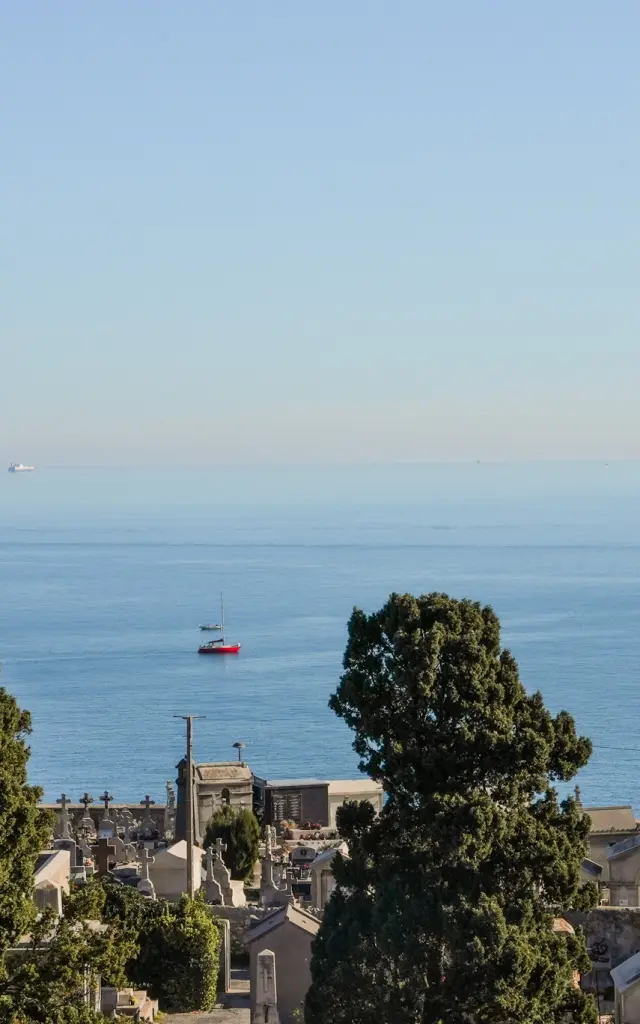
Georges Brassens, Paul Valéry, Jean Vilar, Agnès Varda: all these artists drew their inspiration from this maritime land. The marine cemetery in Sète, where Paul Valéry is buried, offers a striking view of the Mediterranean. This sea has nourished their work just as it continues to nourish the inhabitants of the Thau Archipelago.

With its centuries-old maritime heritage, exceptional landscapes, remarkable biodiversity and thriving economic activities, the Mediterranean remains the soul of this region. It has shaped its past, nourishes its present, and will continue to shape its future, provided that the delicate balance between development and conservation is maintained.

Sources

Wikipedia (Gulf of Lion, Thau Lagoon, Lido de Thau, Sète), Sète Agglopôle Méditerranée, Conservatoire du littoral, Thau Archipelago Tourist Office, Thau Basin Joint Authority, Association Peau Bleue (Hippo-THAU project), Hérault Tourisme, Ifremer, European Commission (Lido Protection), Pole-lagunes.org, CNRS/CEFE Montpellier