Sète and its canals: the unique island
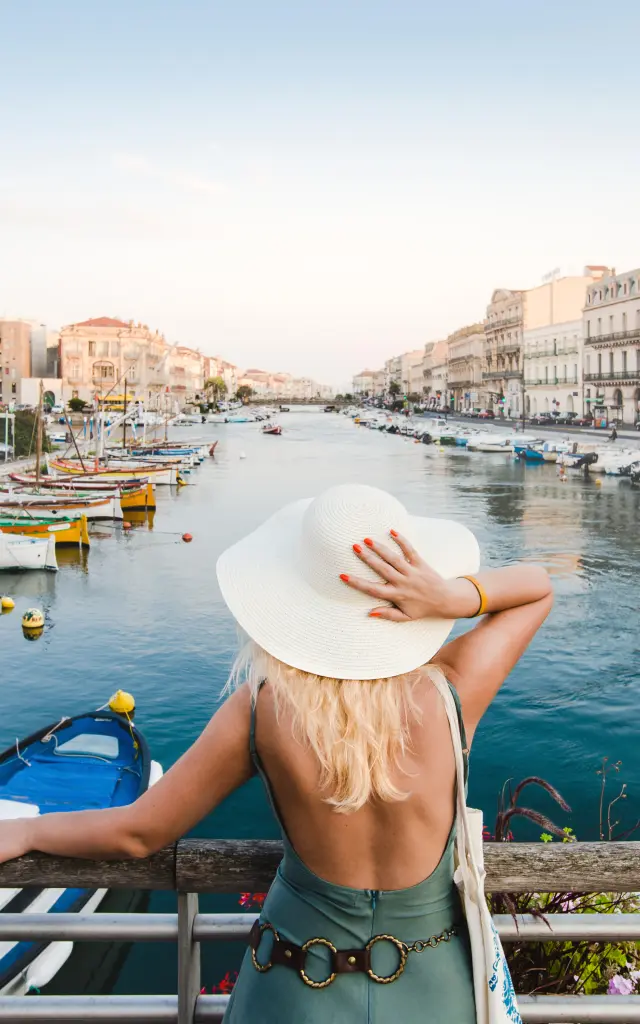
Sète is unlike any other Mediterranean town. Nestled on its own island between the lagoon and the sea, it has thrived on fishing since its foundation in the 17th century. The Canal Royal runs right through the town, lined with colourful façades that are reflected in the water. The drawbridges are raised several times a day to let boats through, forcing traffic to stop.
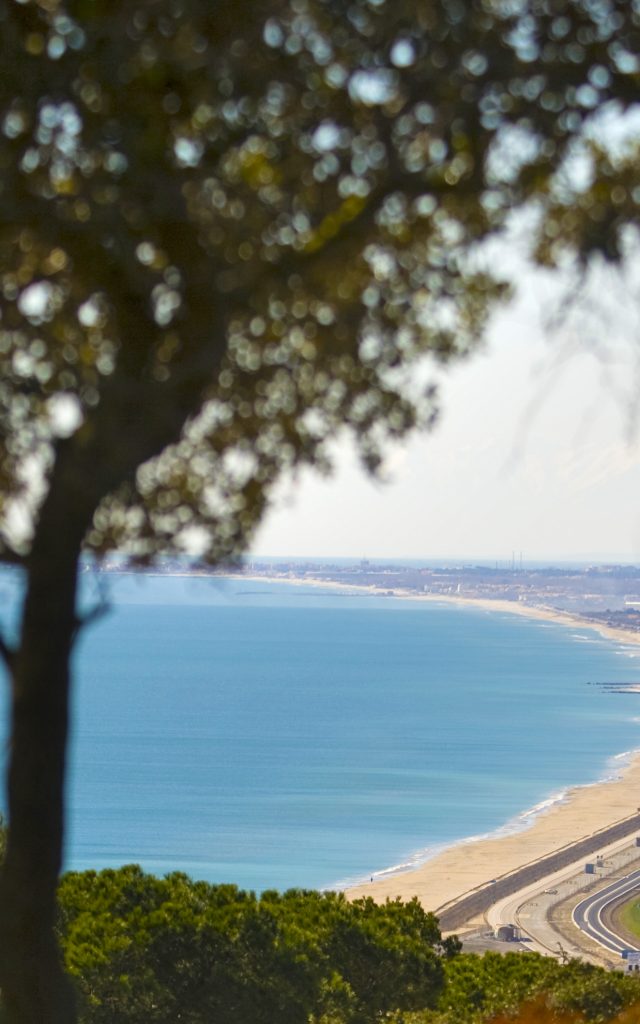
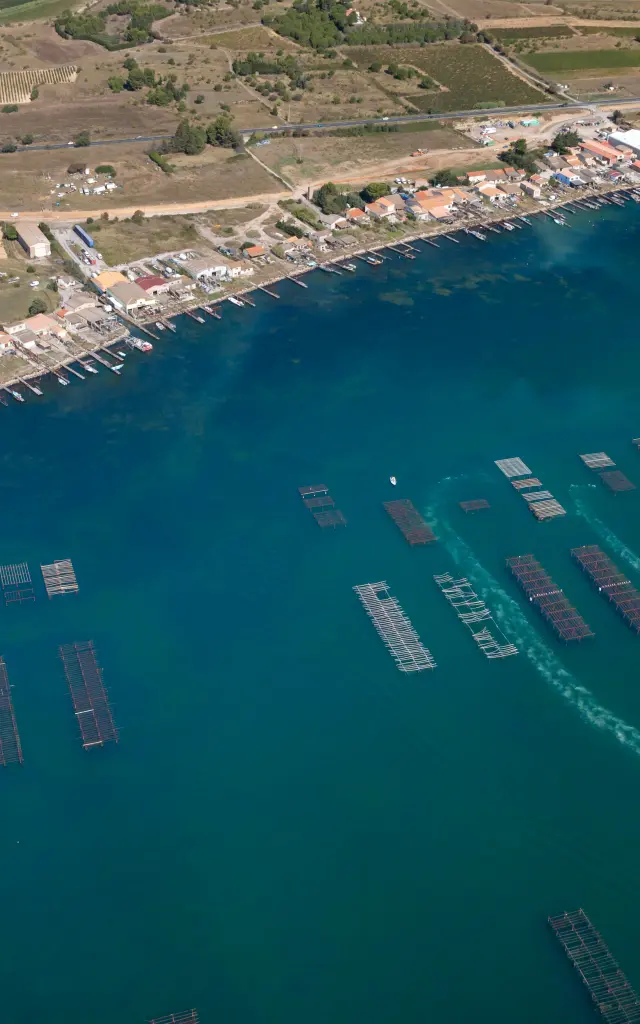
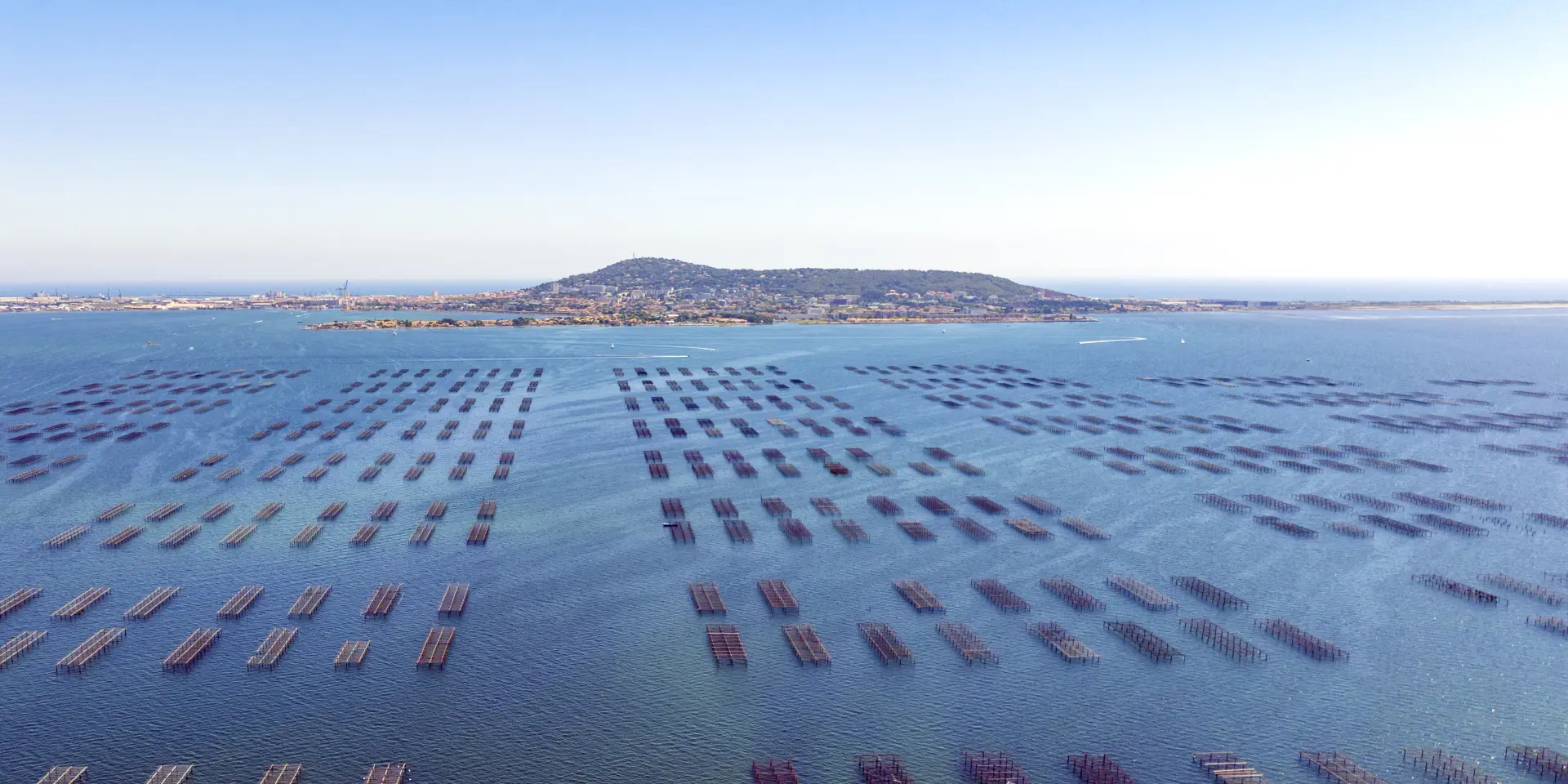
Climb Mont Saint-Clair to take in the area’s unique geography. From a height of 175 metres, the view sweeps across three horizons: the Mediterranean stretching towards Italy, the Thau lagoon dotted with oyster beds, and the Lido stretching for twelve kilometres of golden sand. On a clear day, the Pyrenees cast their silhouette to the south.
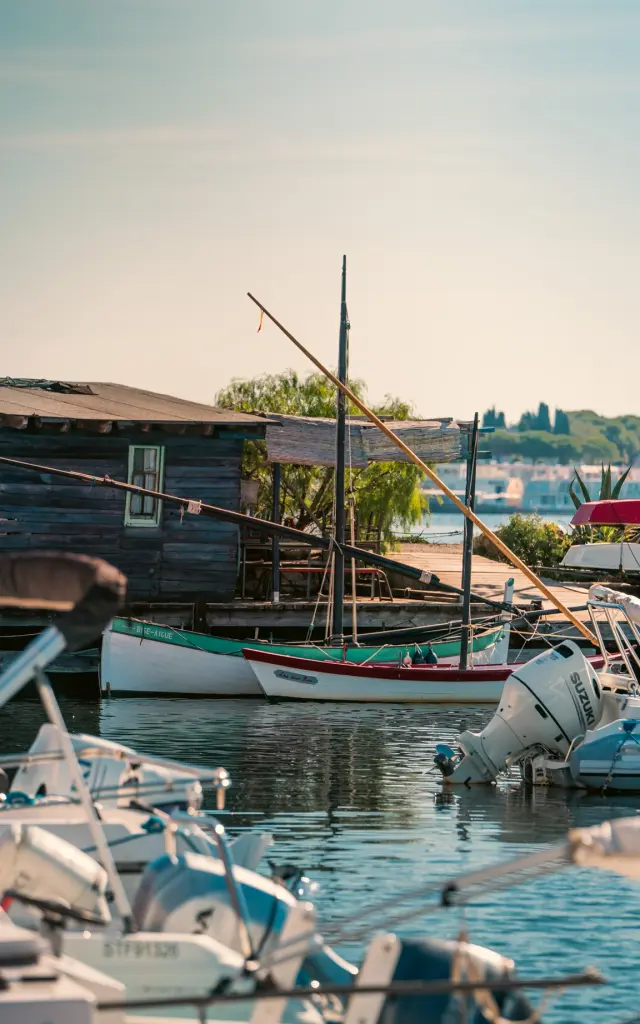
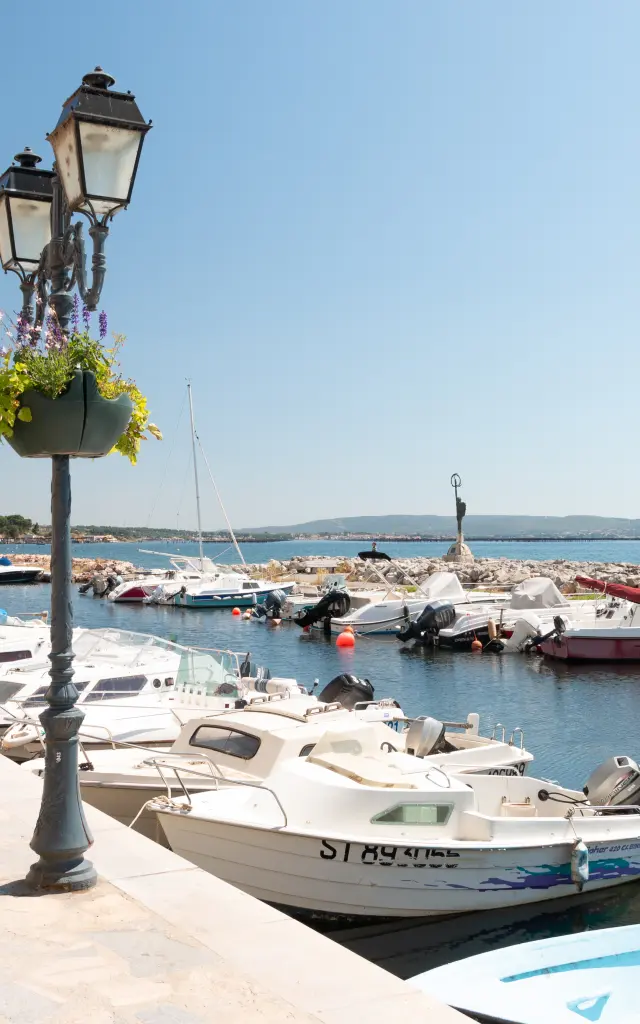
In the harbour, trawlers unload their catch as soon as they return. The terraces serve tielle, a typical Sète octopus pie, macaronade and wood-fired mussel brasucades. In summer, water jousting turns the canals into arenas: two jouster in white face off with lances, perched on their boats, to the cheers of the crowd.
The town cherishes not only its maritime heritage but also its artistic heritage. The Musée de la Mer traces the history of fishing and navigation in Sète, whilst the MIAM (Musée International des Arts Modestes) offers an offbeat take on popular culture. The Paul Valéry Museum, perched on the slopes of Mont Saint-Clair, combines fine art with breathtaking views of the town. The Espace Georges Brassens pays tribute to the local hero through a scenographic exhibition dedicated to his life and work.