©

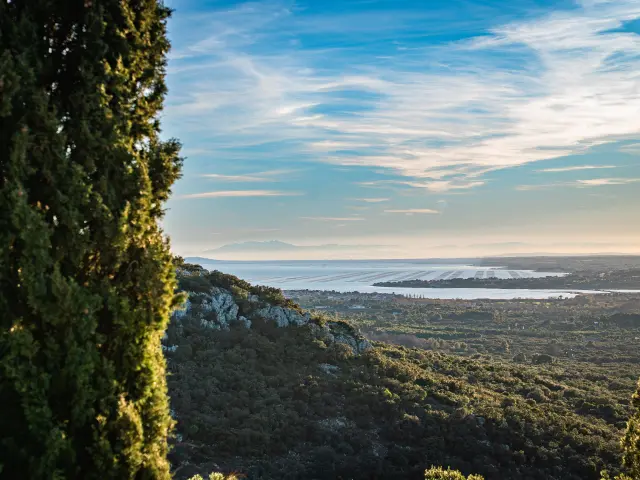
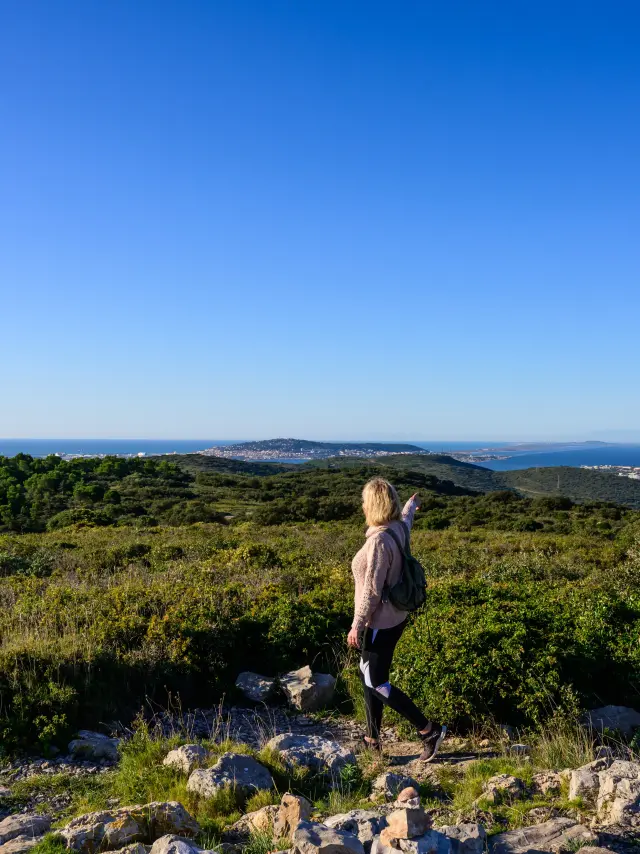
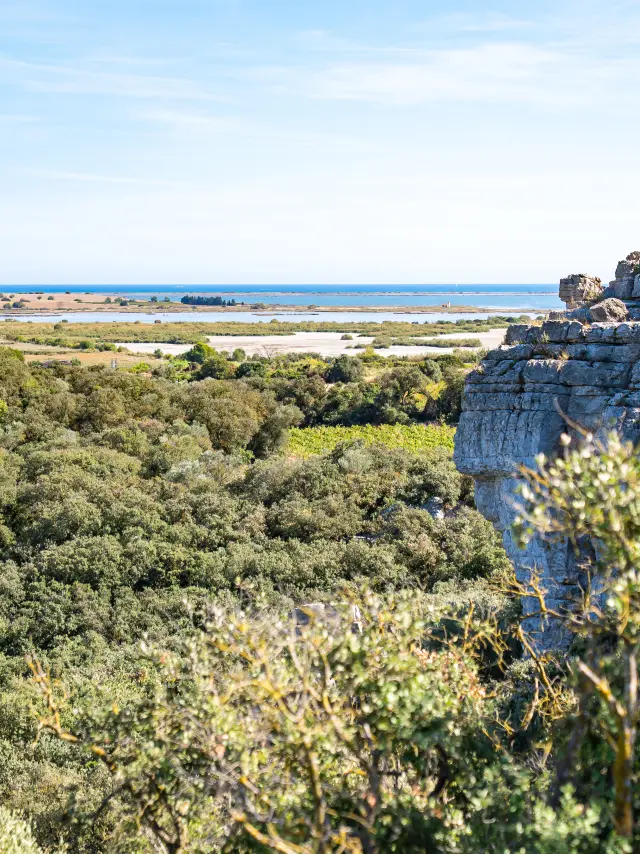
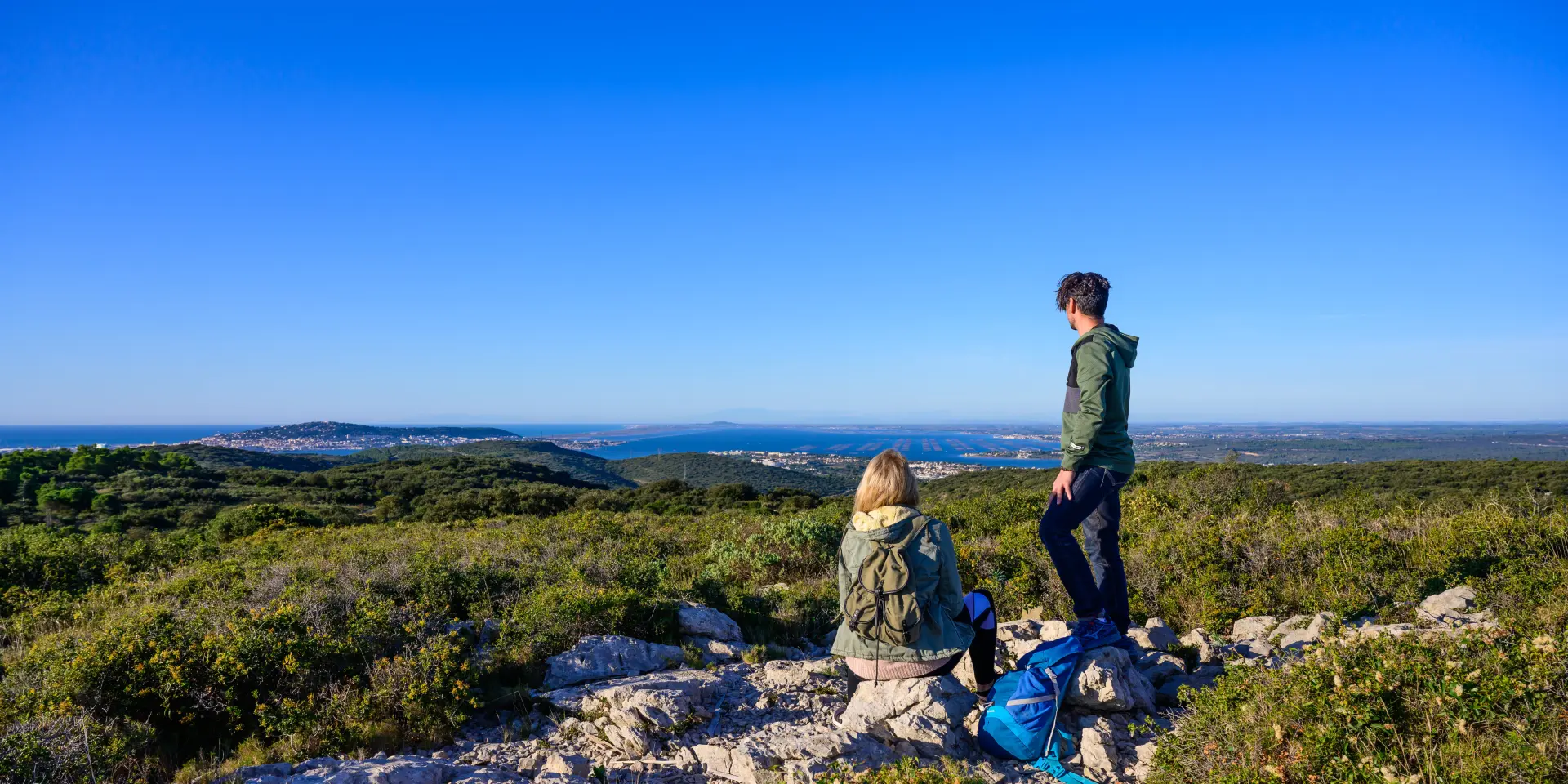
Walk to the Roc d'Anduze, with views over Sète and the Thau lagoon, around the Abbey of Saint-Félix de Montceau, Gigean

|

R_Domergue_OT-THAU

Welcome to Gigean

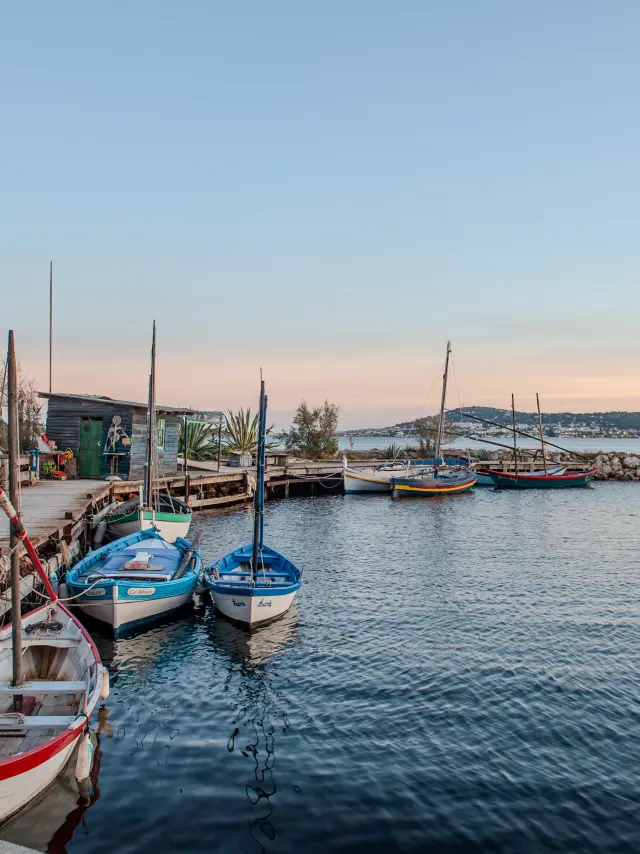
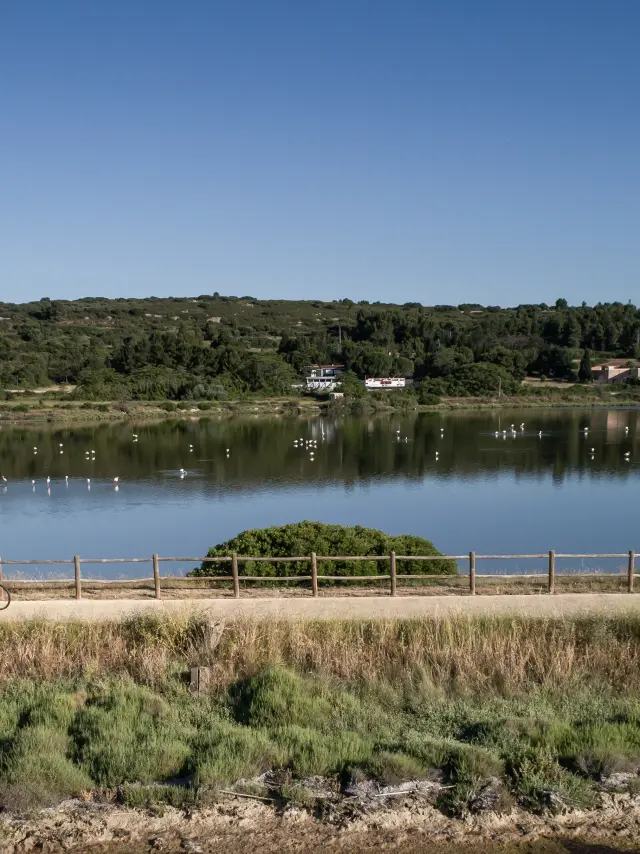
Gigean Amidst scrubland, history and lagoon

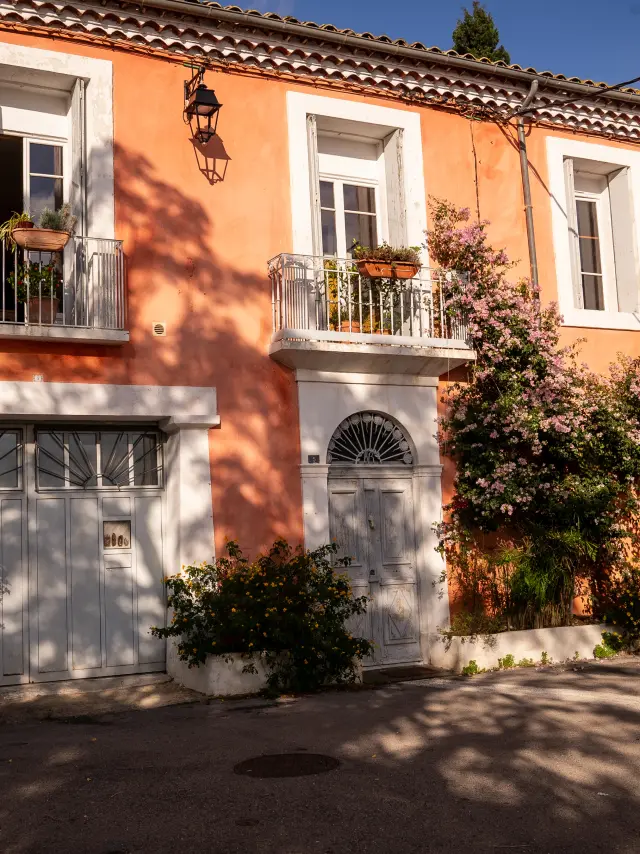
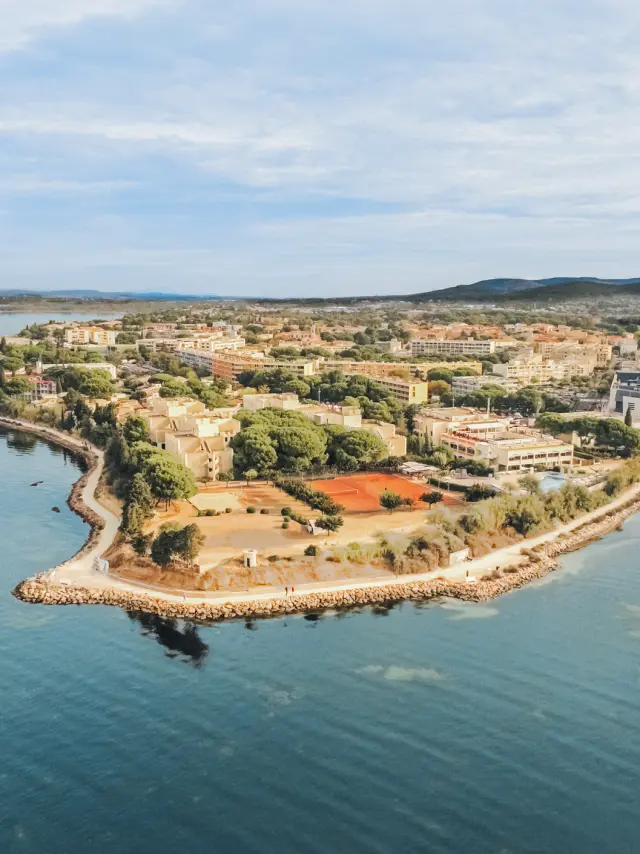
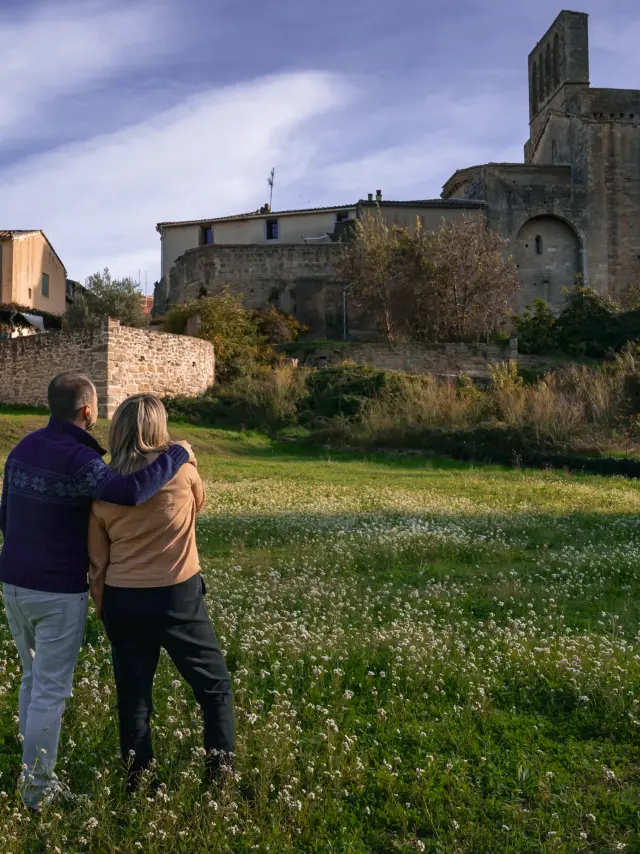
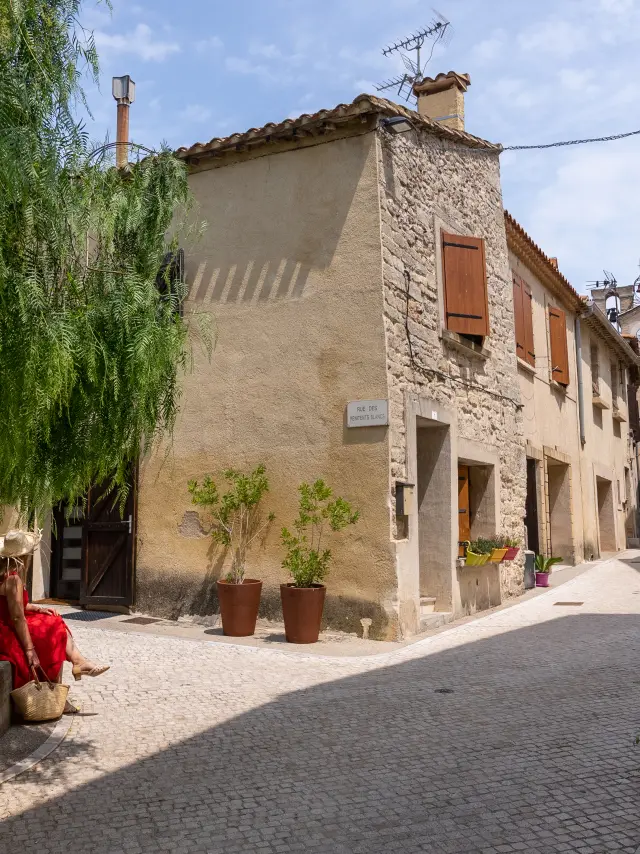
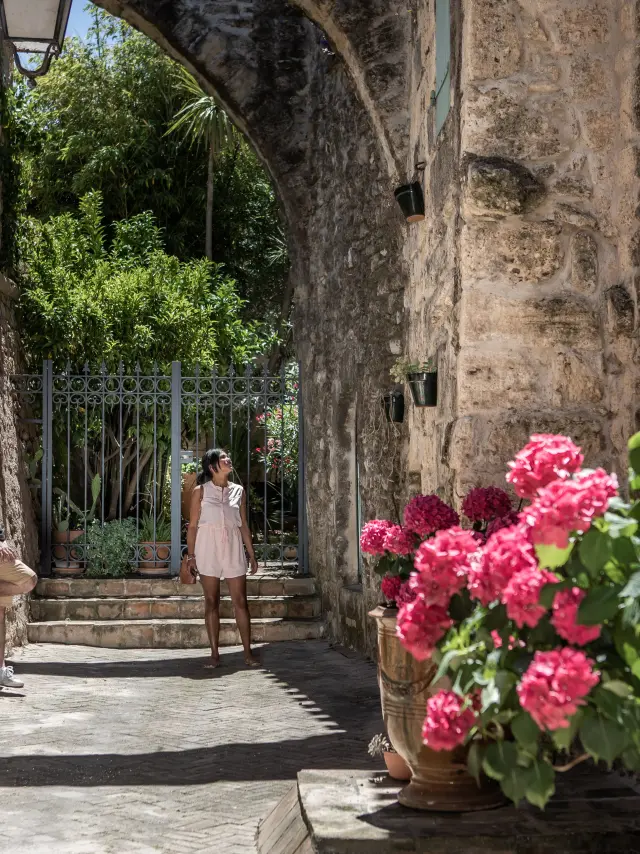
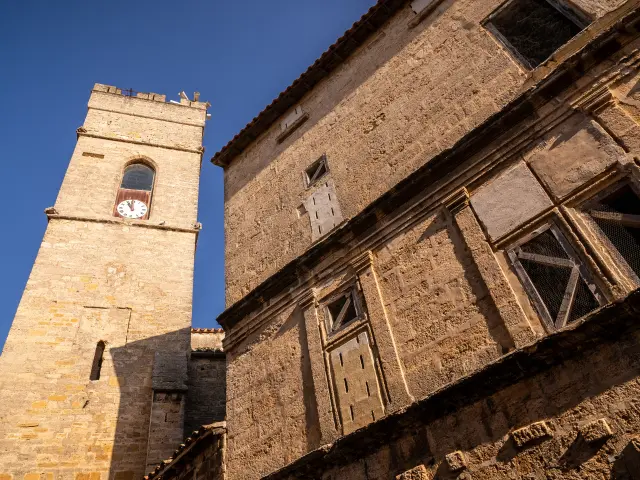
Gigean nestles in a setting that few villages can boast. With the Thau lagoon on one side and the Gardiole massif and a vast wine-growing plain on the other, the village sits there, nestled between unspoilt nature and medieval heritage. Situated on the historic route to Santiago de Compostela, the fortified village is full of surprises: medieval ramparts and gates, the restored façade of Saint-Géniès Church and its bell tower, the Chapel of the Penitents, and even one of the three studia established in Languedoc by Pope Urban V in the 14th century. A discreet yet rich heritage that reveals itself as you stroll through the historic centre.

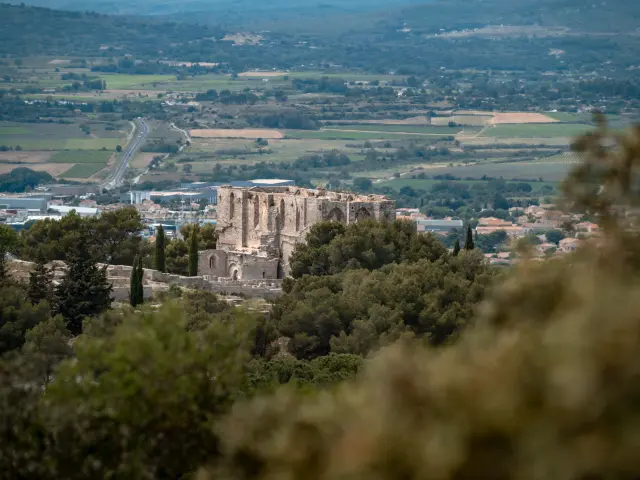
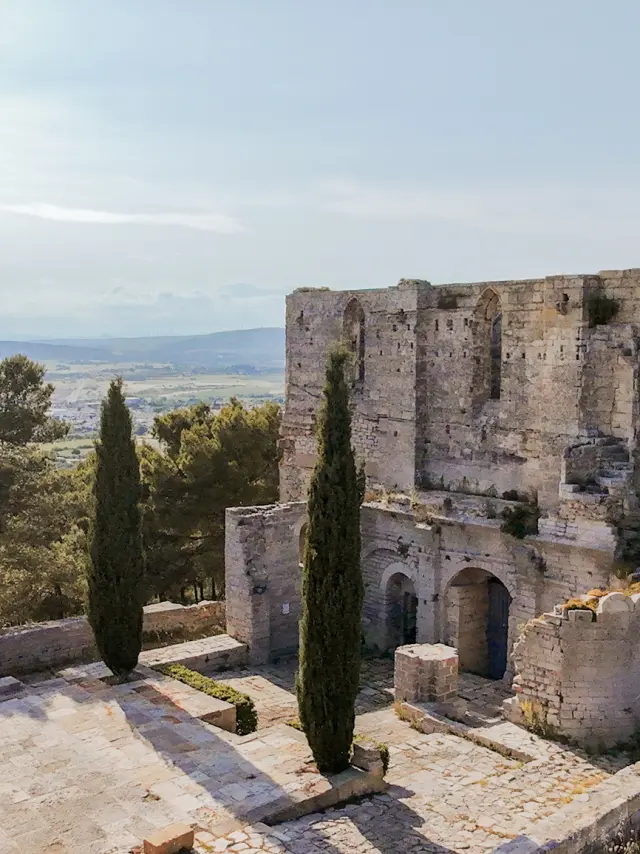
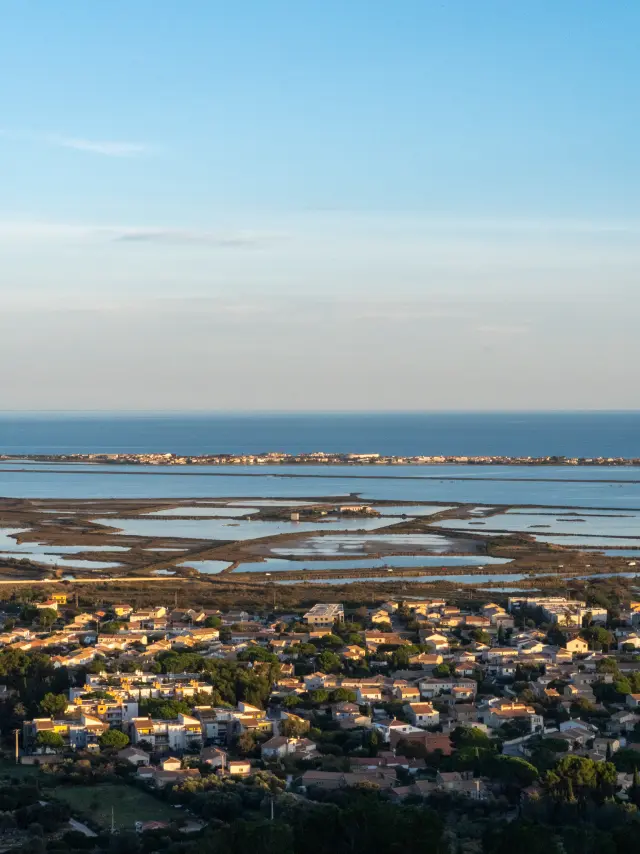
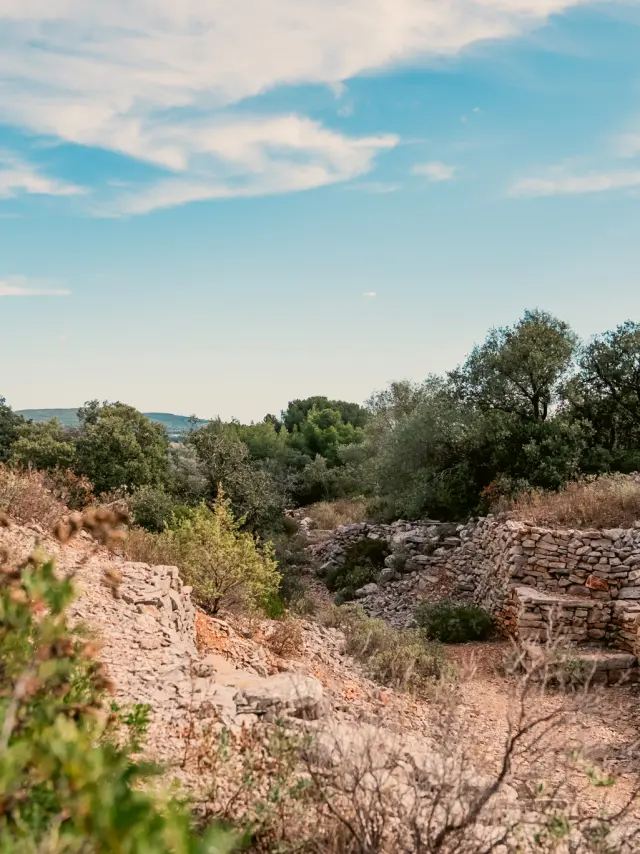
But it is perhaps towards the Gardiole massif that Gigean reveals its finest asset. The Abbey of Saint-Félix-de-Montceau, perched on its promontory, offers a sublime view of the Thau lagoon from its ruins and reconstructed medieval gardens. From this natural vantage point, the hiking trails open out onto a massif of exceptional landscapes, where fragrant garrigue and pine forests alternate beneath a Mediterranean sky. Gigean is one of those villages you discover quite by chance and find hard to leave.
©

Walk to the Roc d'Anduze, with views over Sète and the Thau lagoon, around the Abbey of Saint-Félix de Montceau, Gigean

|

R_Domergue_OT-THAU

Gigean
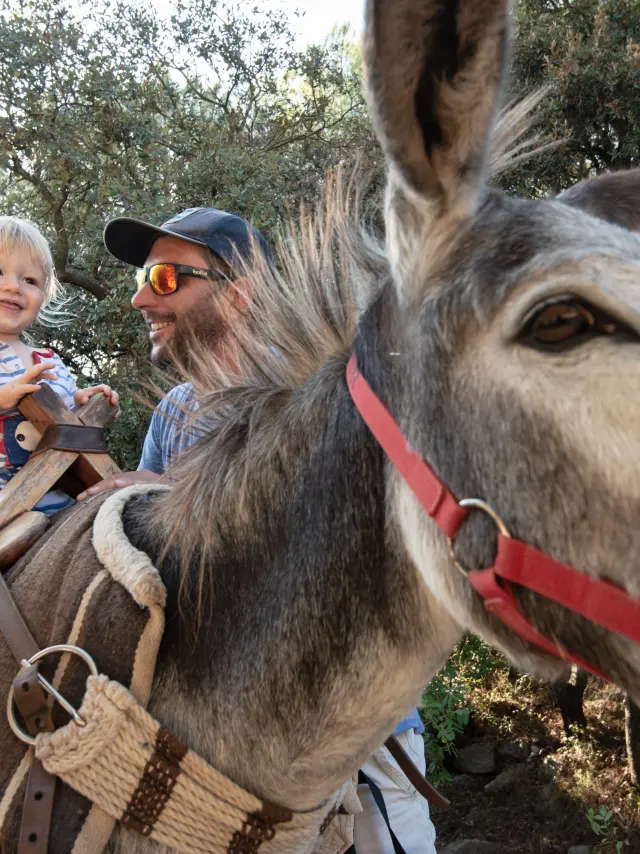
Come and have a look – there’s plenty to see! Whether on foot, by bike or on the back of a donkey (yes, really!), treat yourself to a hike through the Gardiole massif – and above all, don’t forget your camera. From this natural promontory, a 360-degree view unfolds before you: vineyard landscapes, the blue expanse of the sea, and the surrounding towns and villages. Admire the Abbey of...
Explorer

The must-sees in Gigean

With its medieval ramparts, an abbey perched on a promontory, reconstructed monastic gardens and scrubland paths stretching as far as the eye can see, Gigean is a typical village boasting a fascinating architectural and natural heritage. Situated on the historic route to Santiago de Compostela, this fortified village is full of surprises and reserves its finest discoveries for those who take the time to linger. Here are the must-see attractions not to be missed during your stay.

The history of Gigean

Gigean is an ancient village, whose roots date back to the Gallo-Roman era, nestled between the Thau lagoon and the Gardiole massif in an exceptional natural setting. Situated on the historic route to Santiago de Compostela, or Cami Romieux, the fortified village has stood the test of time, preserving within its historic centre its medieval ramparts and gates, the restored façade of Saint-Géniès Church and its bell tower, the Chapel of the Penitents, and one of the three ‘studia’ (centres of learning) established in Languedoc by Pope Urban V in the 14th century. These are all silent witnesses to a rich history, which can be discovered whilst strolling through its narrow streets.

Perched on the heights of the Gardiole massif, the Abbey of Saint-Félix-de-Montceau, founded by Benedictine nuns, was a place of prayer and communal life for several centuries. Its stones still tell the story of the Romanesque church, the cloister and the convent buildings, now listed as Historic Monuments.

We’re here to help you plan your stay!

Need help planning your visit? Find all our practical advice, top tips and must-see attractions in our ‘My Stay’ section, or contact the Sète visitor centre directly – our team is here to help you plan a tailor-made trip.

Get away to...