©

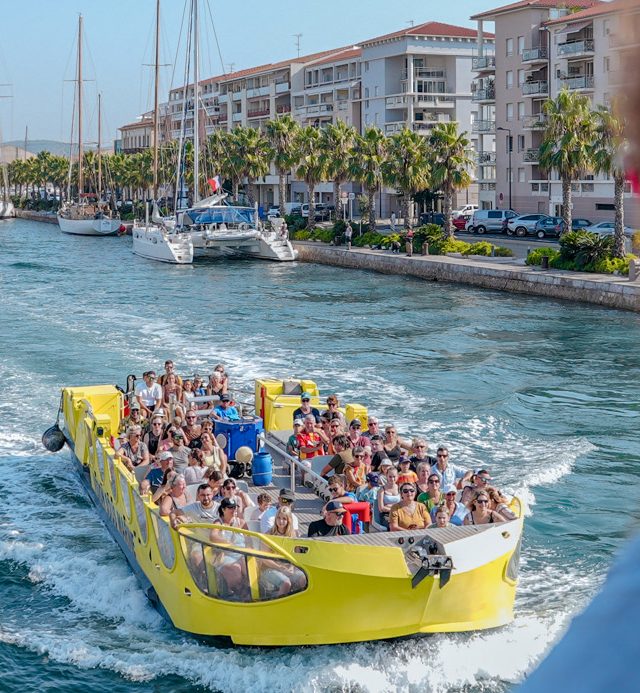
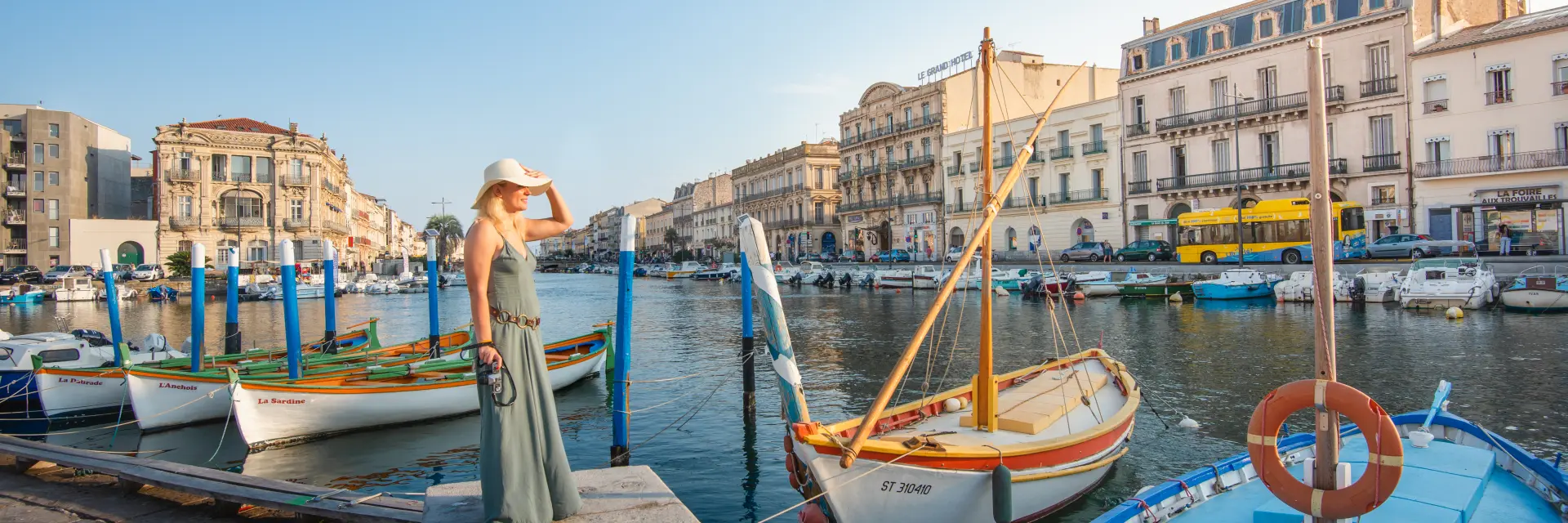
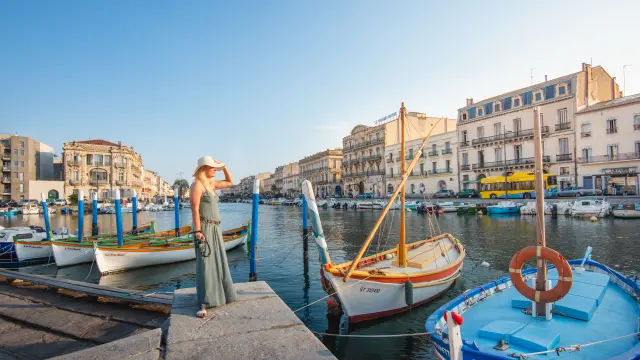
view of the marina

|

F_AMBROSINO_OT-THAU

Welcome to Sète

Watch video

Sète One city, a thousand faces

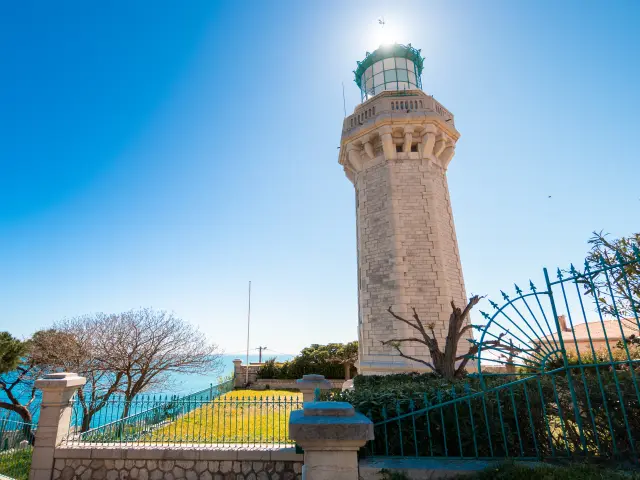
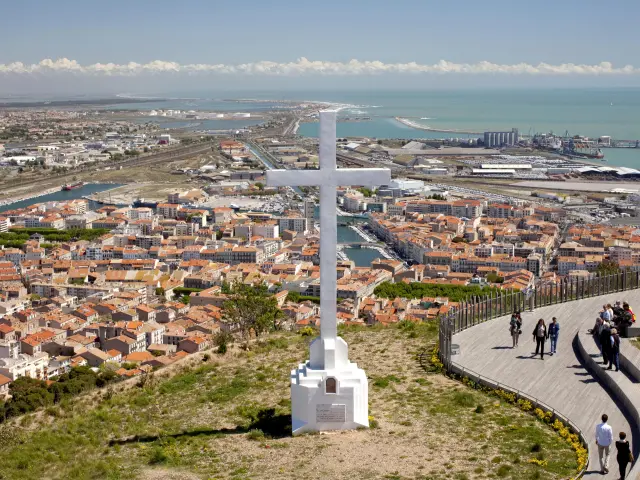
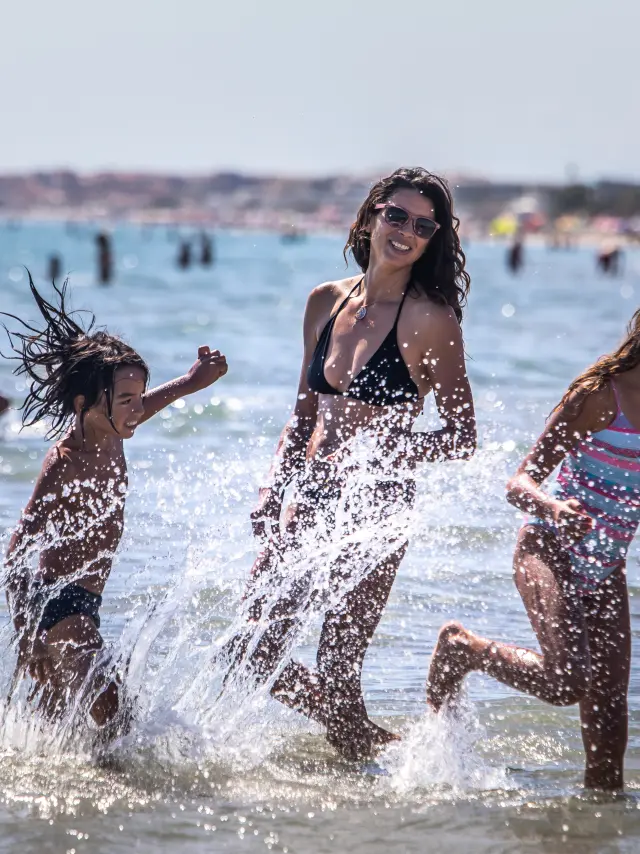
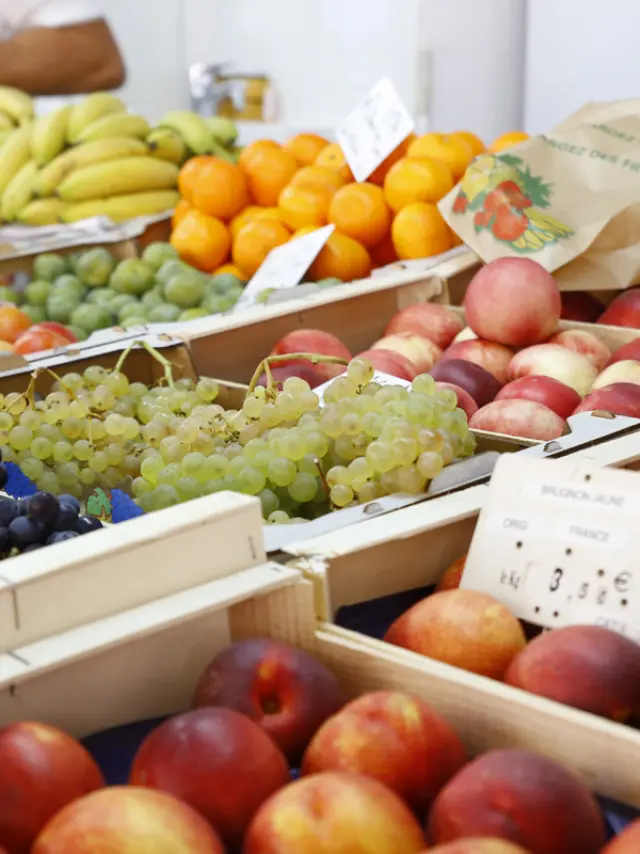
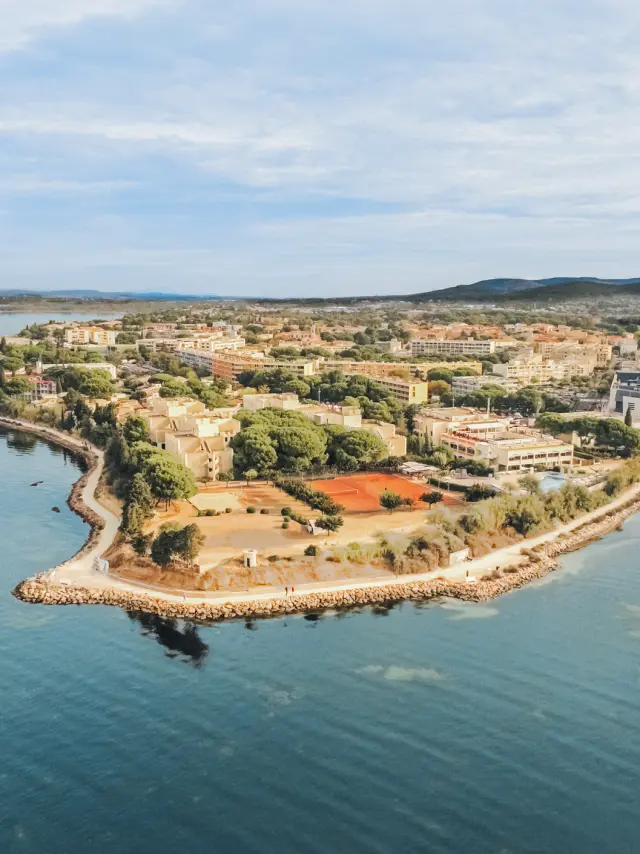
There are towns you simply visit. And then there is Sète, which you experience. Nestled between blue skies and turquoise waters, this charming peninsula is brimming with life, flavour and creativity. Its bustling quays where fishermen rub shoulders with artists, its golden beaches stretching along the Mediterranean, Mont Saint-Clair offering one of the most beautiful panoramic views of the French coastline, and its generous cuisine (oysters from the Thau lagoon, macaronade, tielle sétoise) make it a destination in its own right. Here, every street, every canal, every façade tells a story. That of a town proud of who it is, intense and authentic, which has never needed to put on a show to charm.

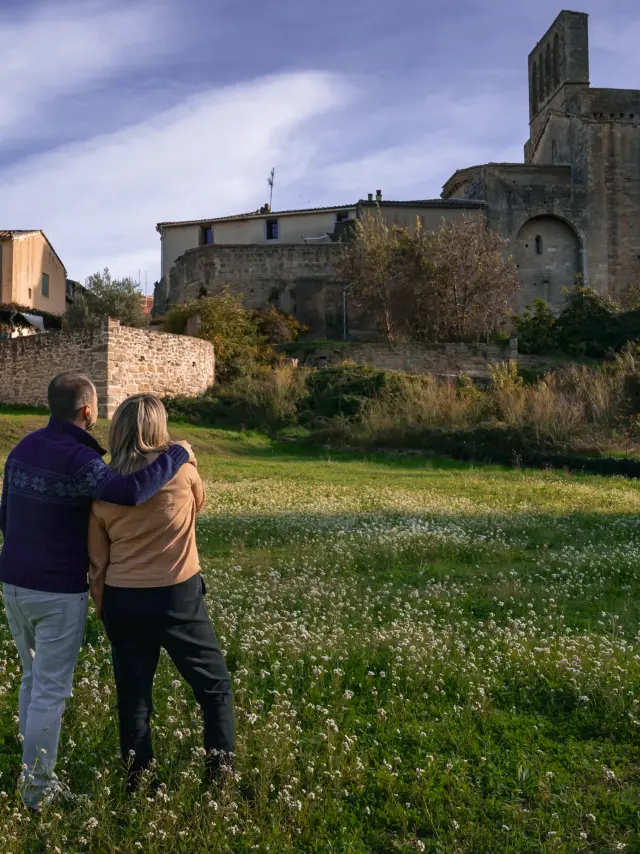
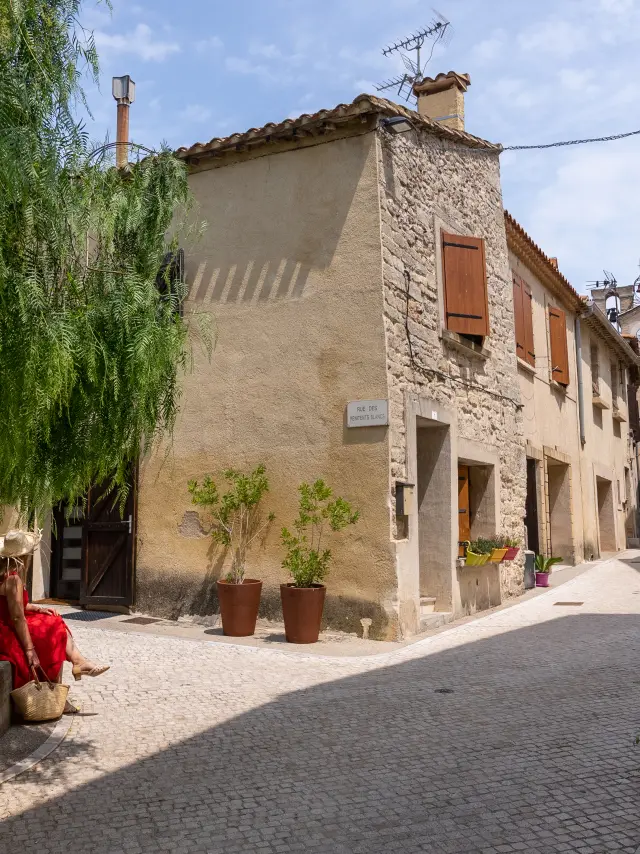
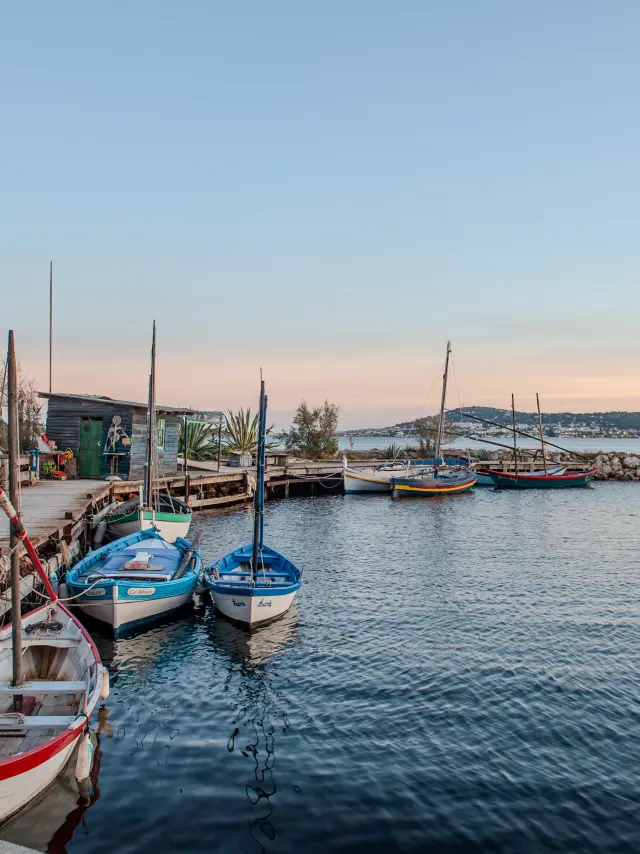
For in Sète, it is above all a spirit that one encounters. That of the pétanque players, the artists who take over the walls and galleries, the fishermen who carry on centuries-old traditions. The birthplace of Georges Brassens and Paul Valéry, the town possesses a rare literary and artistic pride, which shines through in its festivals, its museums, and its streets transformed into open-air galleries. In Sète, everything is an excuse for wonder: a stroll, a tasting, a chance encounter, a sunset over the water.
©

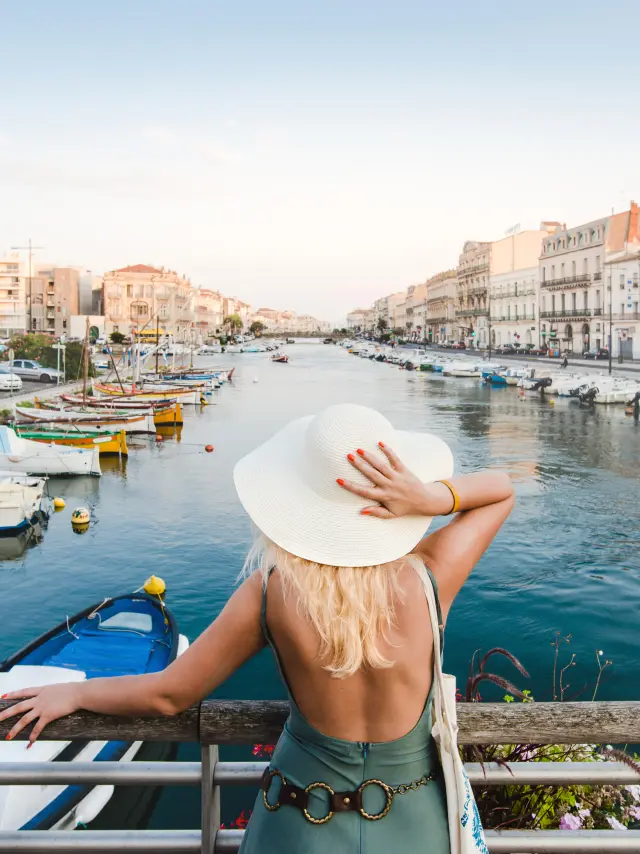
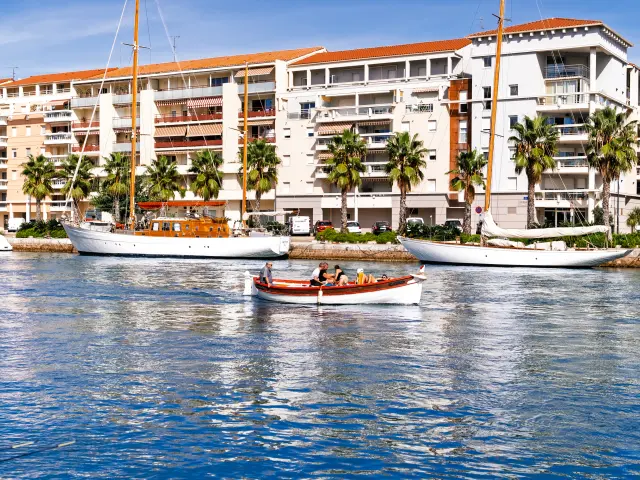
view of the marina

|

F_AMBROSINO_OT-THAU

Sète
It is to the Sun King, Louis XIV himself, that we owe the exceptional destiny of this Mediterranean city, once so modest and now so rich in culture, heritage and history. More than 350 years later, the city known as ‘the singular island’ has plenty to turn heads with its Mont Saint-Clair, its traditions (Saint-Pierre, jousting…), its museums (MIAM, the Maritime Museum…), its theatres (Théâtre...
Explorer

The must-sees in Sète

Sète is bursting with life, colour and surprises at every turn of the canal. From its bustling quays and fresco-adorned alleyways to its bold museums and fine sandy beaches, every neighbourhood has its own unique charm. Here are the places, venues and experiences that make this unique island a destination like no other.

The history of Sète

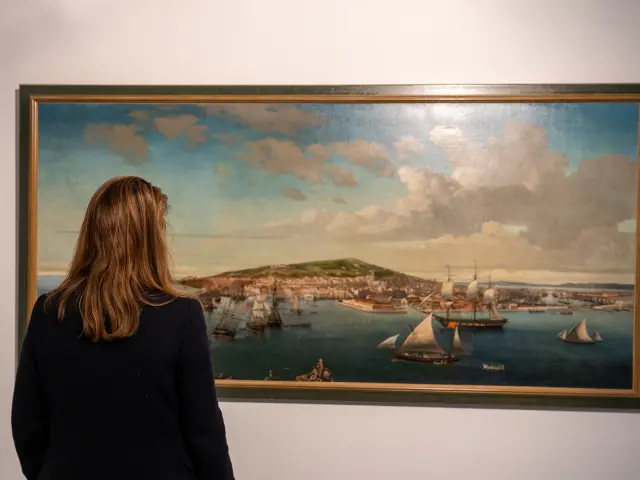
The history of Sète is inextricably linked to that of the Canal du Midi, one of the most ambitious projects undertaken during the reign of Louis XIV. We owe this daring dream to Pierre-Paul Riquet: to link the Atlantic to the Mediterranean via the inland waterways, a project that came to the attention of the Sun King thanks to Jean-Baptiste Colbert. But for the canal to fulfil its maritime purpose, it still needed an outlet to the sea. Thus, the Chevalier de Clerville decided to create a new port at the foot of Mont Saint-Clair.

In July 1666, construction began: work started on the breakwater’s rockfill and the dredging of the beach to connect the Mediterranean Sea to the Thau lagoon. A 650-metre-long jetty was built to protect the entrance to the old port and provide shelter for boats. In 1669, Pierre-Paul Riquet took over the works and used the opportunity to build houses, stables and warehouses, enabling the growth of fishing activities as well as import-export trade thanks to the Canal du Midi. Maritime activity gradually attracted people from the surrounding areas, and Sète grew. The town became an important stop on the Languedoc wine route from 1807 onwards, following a harsh winter that froze a large part of the French vineyards.

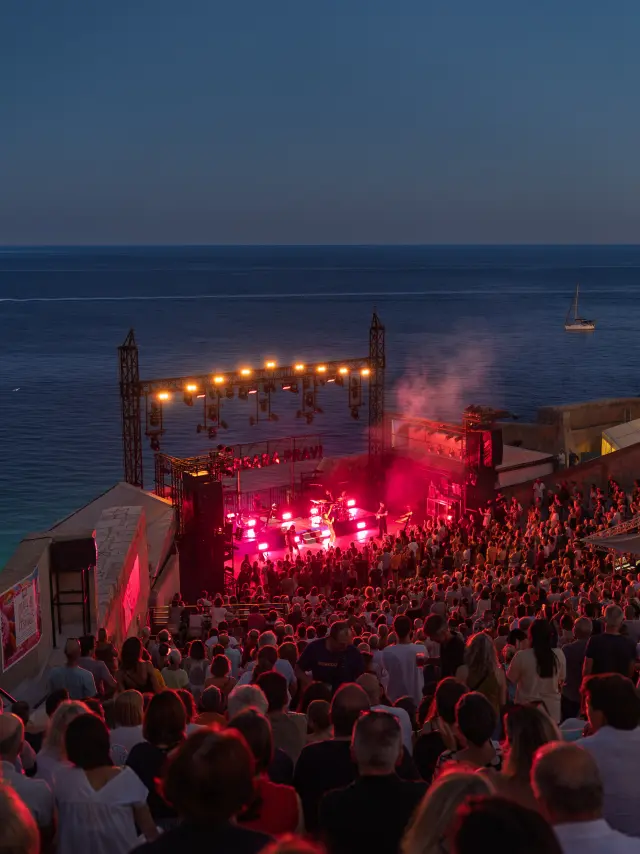
And if we look for the origins of the Théâtre de la Mer, the iconic open-air theatre, we find them in 1710: that year, the port of Sète was attacked by the British, leading to the construction of a defensive fort, designed by Vauban and built by Antoine de Niquet, the forerunner of what is now the Théâtre de la Mer. Four centuries later, Sète still carries all this history within its stones, its canals, and the spirit of its inhabitants.

Sète, where the Mediterranean inspires

In Sète, culture is everywhere: visible, vibrant, inexhaustible. The birthplace of Georges Brassens and Paul Valéry, over the centuries it has forged an artistic and heritage identity of rare richness. It can be seen in its museums, on the colourful walls of its Open-Air Museum, behind the scenes at the Théâtre Molière and beneath the stars at the Théâtre de la Mer.

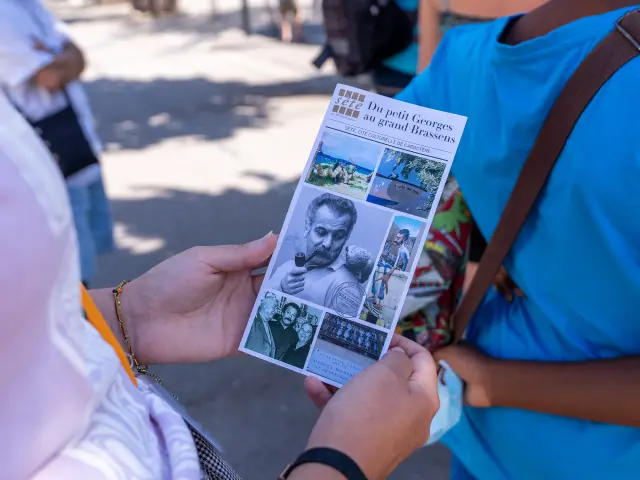
It resonates in the festivals that set its summer nights alight, from the jousting tournaments of Saint-Louis to the major stages of Jazz à Sète, the Worldwide Festival and Fiest’A Sète. It is also passed on thanks to the Tourist Office guides, who open the doors to places and stories you wouldn’t find on your own. In Sète, culture is a given: that of a town that creates, celebrates and shares, without ever stopping.

We’re here to help you plan your stay!

Need help planning your visit? Find all our practical advice, top tips and must-see attractions in our ‘My Stay’ section, or contact the Sète visitor centre directly – our team is here to help you plan a tailor-made trip.

Get away to...