©

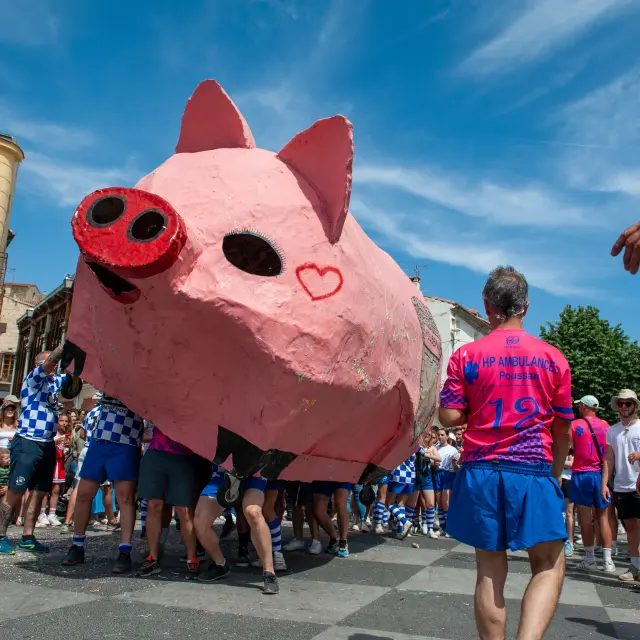
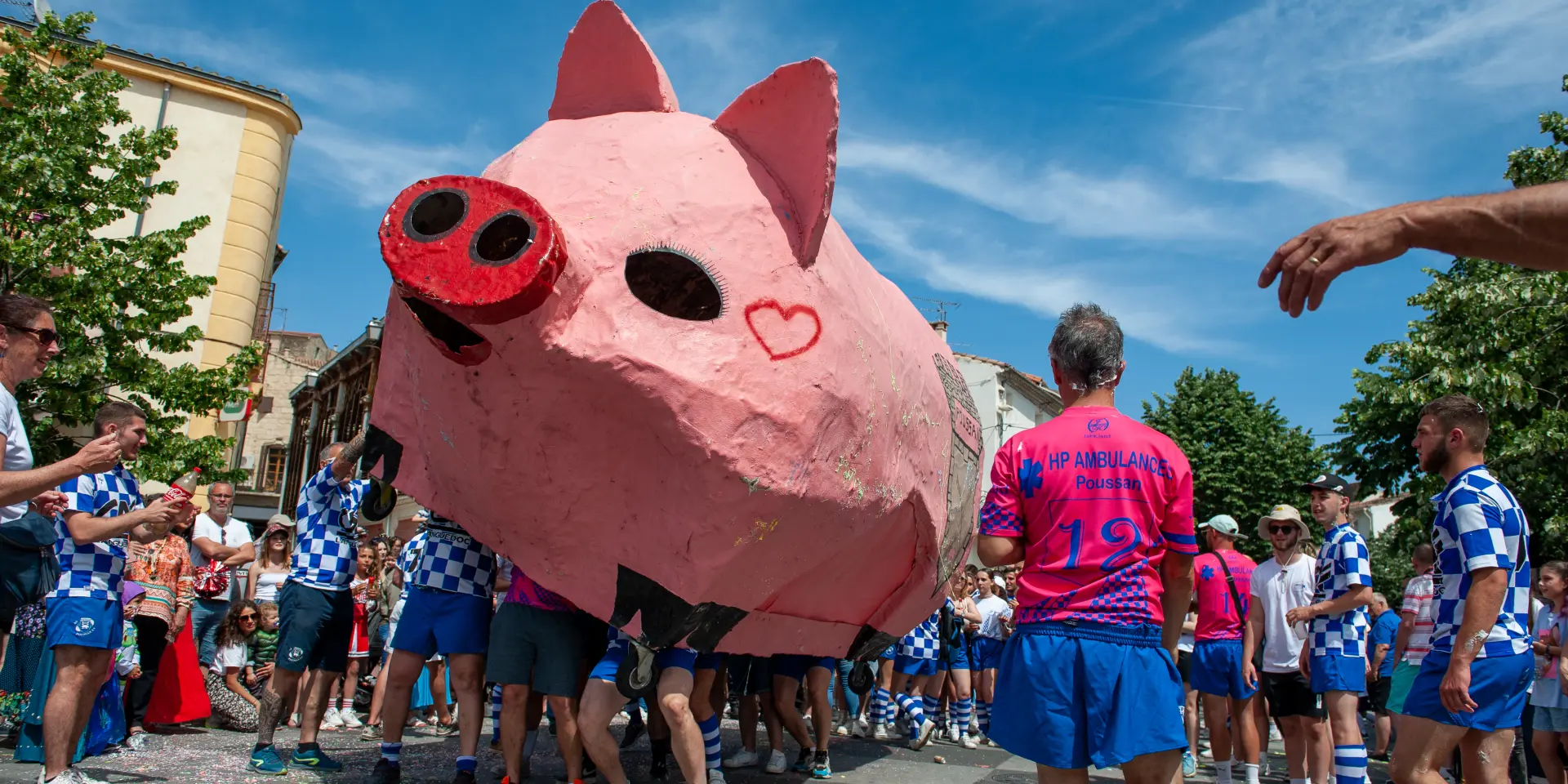
The pig as a totem animal, totem animals

|

M_RICARD_OT-THAU

The totemic animals of the Thau Archipelago

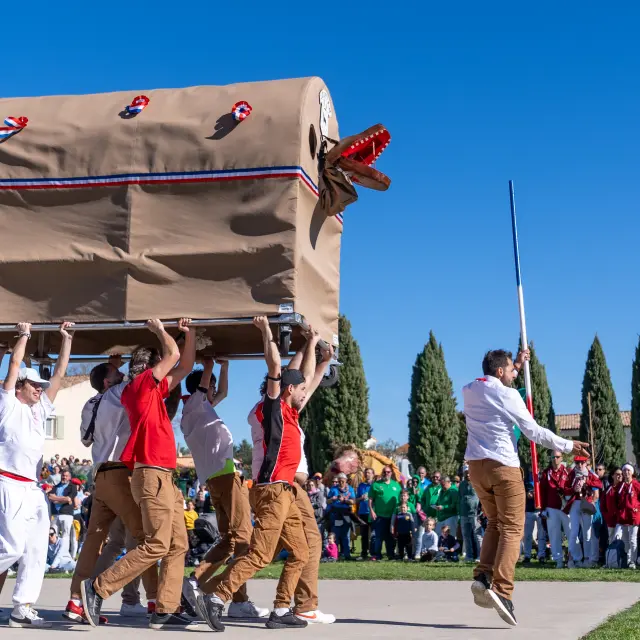
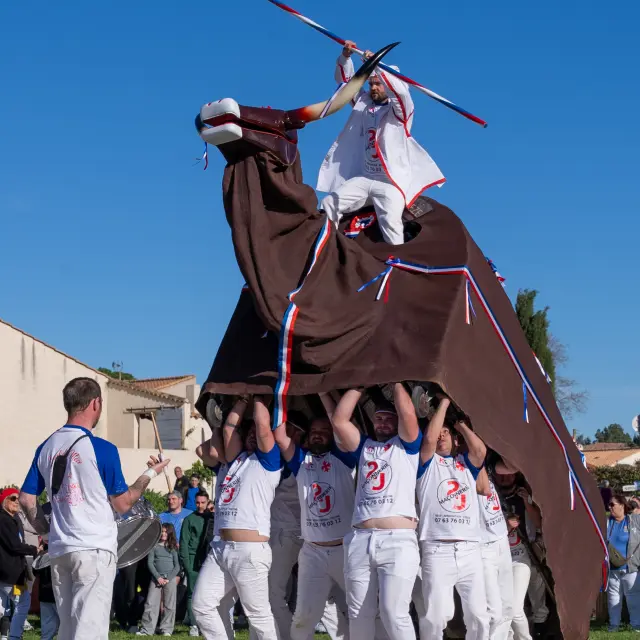
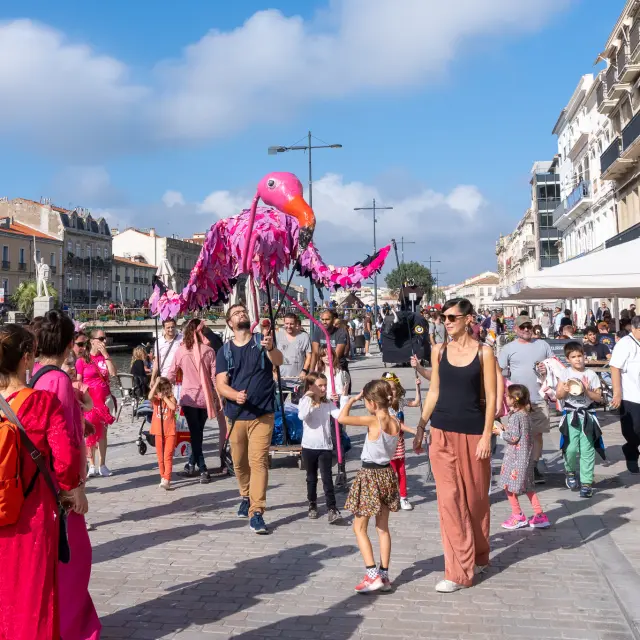
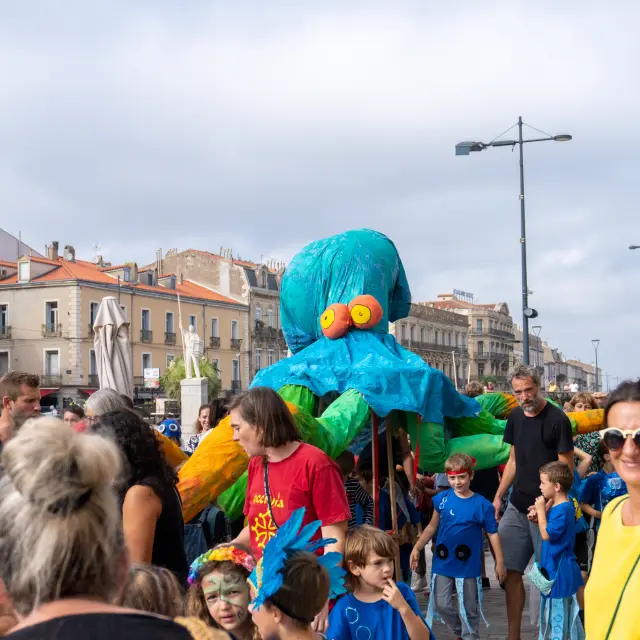
Imagine a three-metre-tall creature, made entirely of wood, canvas and bright colours, dancing amidst a jubilant crowd to the beat of brass bands. Its jaws snap shut, its bearers make it leap, and the children scream with a mixture of joy and fear. Welcome to the fascinating world of the totemic animals of the Thau Archipelago, these legendary guardians who have embodied the soul of every village since the Middle Ages. From the wolf of Loupian to the flamingo of Mireval, via the famous octopus of Sète, these totems tell tales of bravery, mischief and a deeply rooted identity. A living tradition that is passed down from generation to generation.

A medieval tradition that is very much alive

In the Hérault, many villages have their own totem animal. This tradition dates back to the Middle Ages, a time when legends were passed down from one evening gathering to the next, blending historical facts with popular folklore. These animals embodied collective fears – the prowling wolf, the wild boar ravaging crops – but also the community’s hopes and victories over adversity.

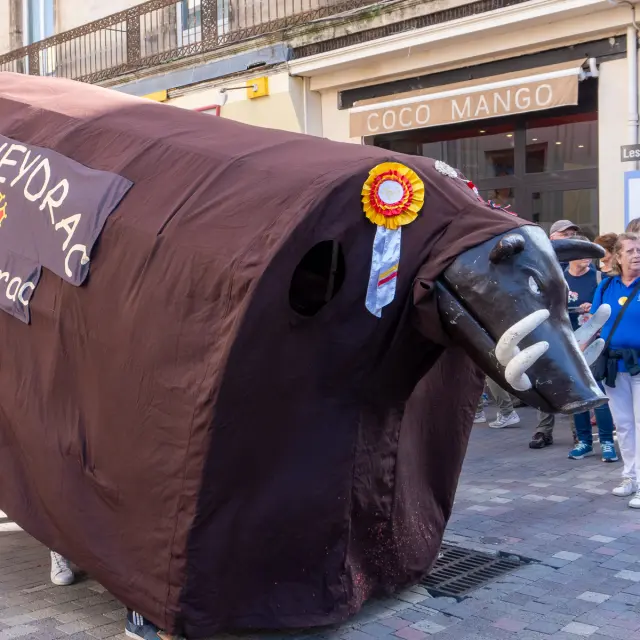
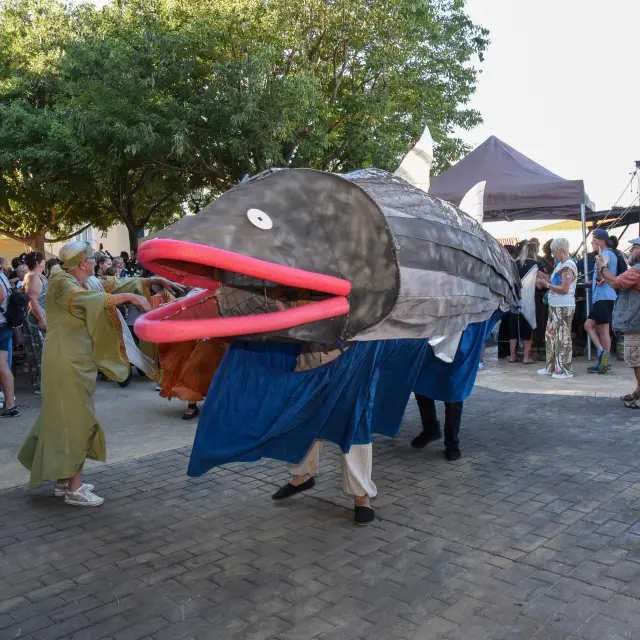
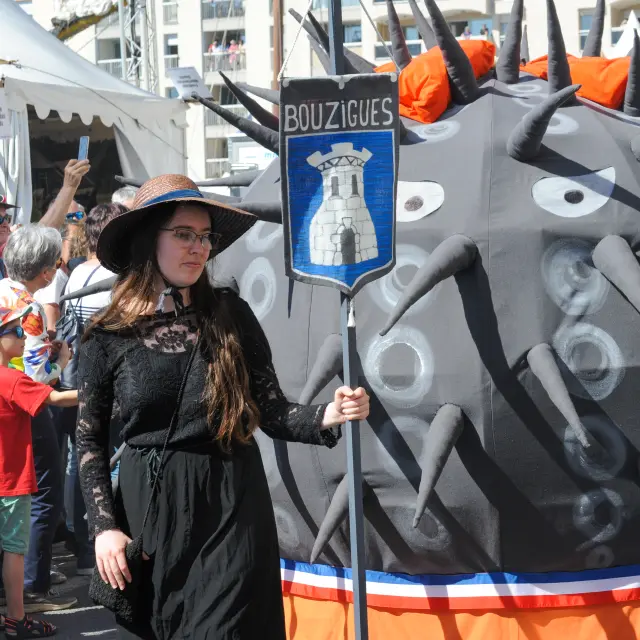
Made of wood, canvas and cardboard, and painted in bright colours, these totems are carried by villagers who slip inside the structure. To the beat of brass bands and abadias, they parade during votive festivals, carnivals and processions. Some have articulated jaws operated by a rope, others splash the spectators; all create a direct link between past and present, between legend and reality.

The Thau Archipelago is home to several of these legendary guardians. Each has its own story, personality and role in the village’s festive life. Let’s go and meet them.
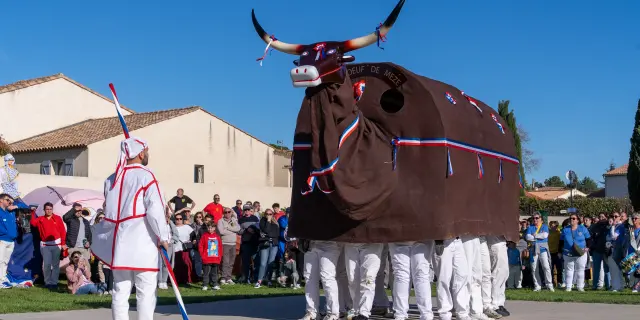
The various totem animals

When can I see them on the catwalk?

Totem animals are mainly brought out during the local patron saint’s festivals in each village, usually in the summer. These celebrations, which last several days, combine religious traditions with concerts, dances, parades and processions. This is when each village honours its patron saint in a typically Mediterranean festive atmosphere.

But the totems also take part in the carnivals in February and March, in inter-communal events such as Escale à Sète, and in important official ceremonies. Some villages even bring them out to welcome VIPs or celebrate sporting victories.

If you’re visiting the Thau Archipelago in the summer, do check the calendar of local festivals. You might be lucky enough to spot the snarling wolf, the strutting pig, the flamingo displaying its colours, the splashing mullet, or the octopus undulating to the rhythm of the brass bands.

These totemic animals are not just folklore for tourists. They embody a living memory, an identity passed down from generation to generation. Today’s children, chasing after the wolf of Loupian, may well become tomorrow’s bearers of tradition. The teenagers laughing beneath the porpoise’s splashes will carry on this tradition in twenty years’ time. This is how medieval legends continue to live on, to dance, and to bring the villages of the Thau Archipelago to life.

To find out the dates of the votive festivals and events featuring the totemic animals, check the calendar at archipel-thau.com.

Sources

Hérault Tourism – “Totemic animals, fantastical creatures of the Hérault” • Thau Archipelago Tourist Office • Town halls of Loupian, Mèze, Villeveyrac, Poussan, Mireval, Sète, Balaruc-le-Vieux, Bouzigues • Hérault Departmental Archives – Folk traditions • Gralon.net – “Totemic animals, a tradition in the Hérault” (2013)