



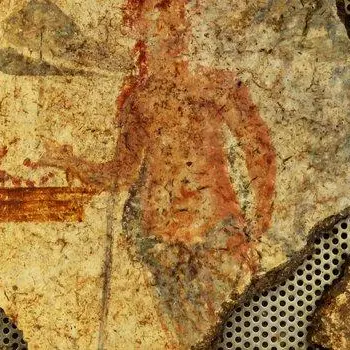
Description
An archaeological lecture by Antonia Persico, archaeologist, Service archéologie préventive de Sète agglopole méditerranée.In the 2nd and 1st centuries AD, transalpine Gaul formed a linguistically diverse area, where Etruscan, Latin, Greek and other idioms were used. Ancient inscriptions and literary sources bear witness to this polyglossia, which fostered economic, political and cultural exchanges between peoples. This multilingualism continued even after Latin became the dominant language, with the creation of Narbonne Gaul.