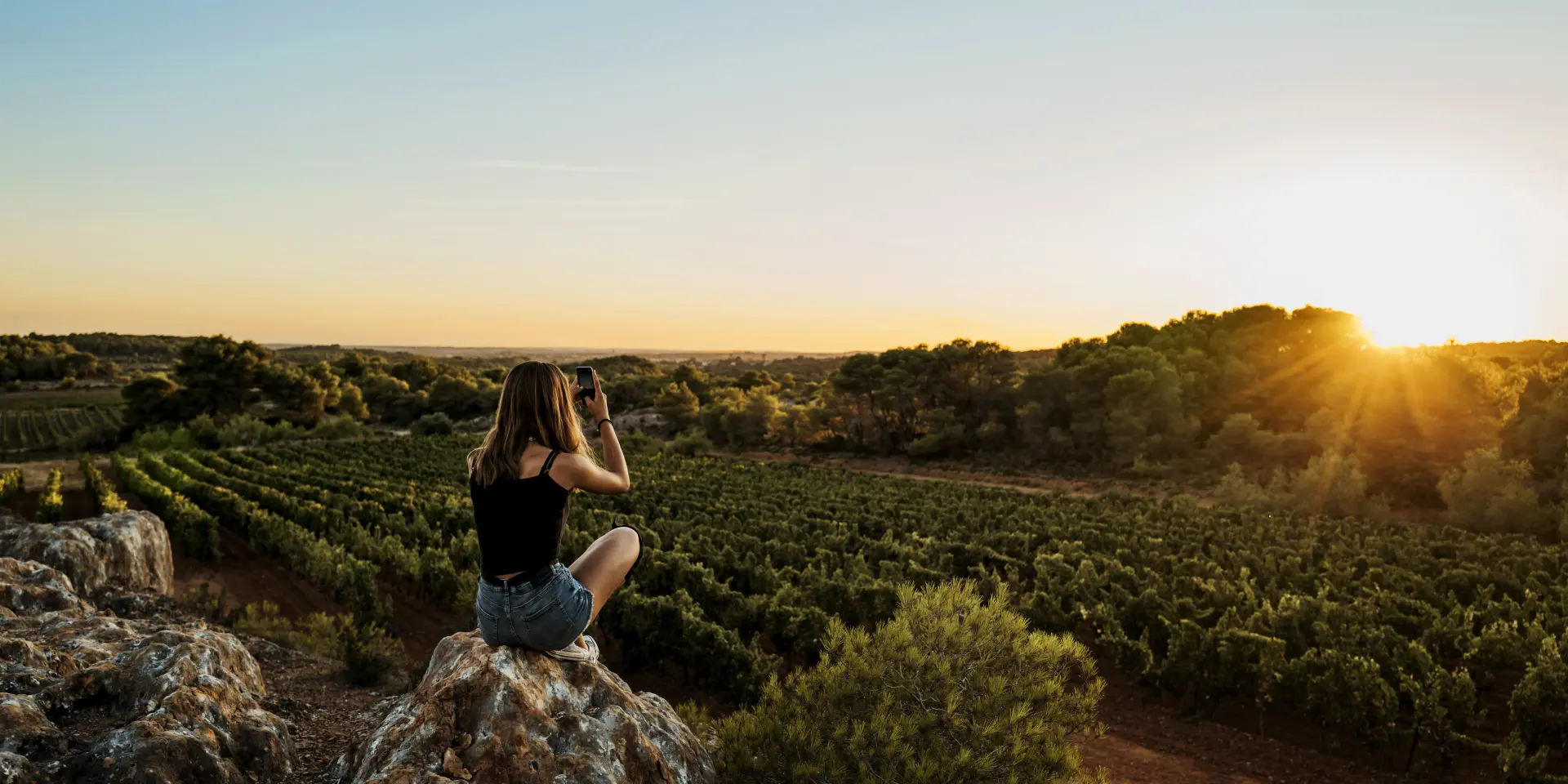
Garrigue Sunset
©

Garrigue Sunset

|

A_Blanc_Thau-en-Méditerranée

Natural heritage

The garrigue: a heritage shaped by man and nature

It crunches underfoot and smells of thyme and rosemary: the garrigue forms a landscape typical of the Thau Archipelago. An environment shaped by limestone soils, the Mediterranean climate and centuries of human activity. Behind its rugged yet fascinating appearance, this environment harbours remarkable ecological richness, classified as a Natura 2000 site, and a discreet heritage: dry-stone huts, old farm tracks and historical remains. Today, it is a prime destination for hiking, with numerous trails offering the chance to explore all its treasures.

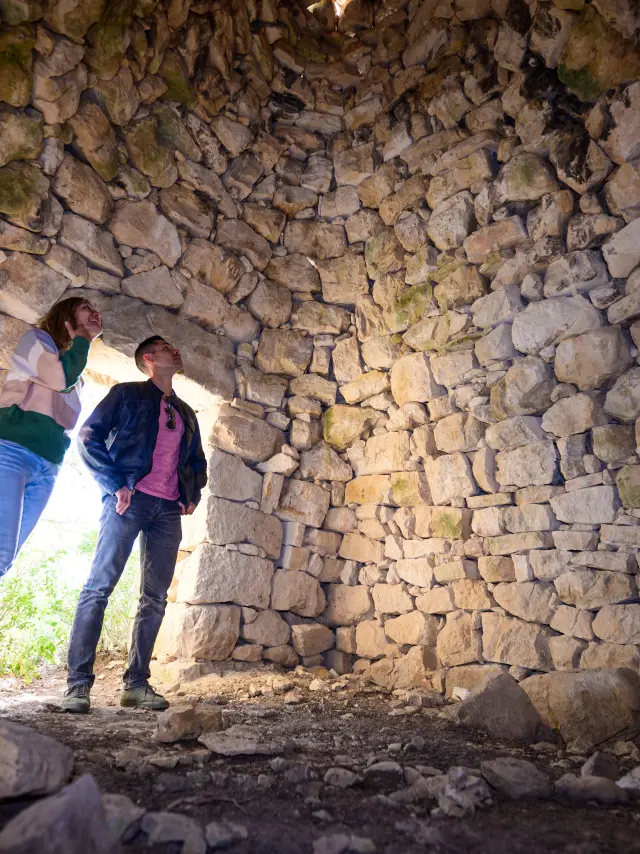
The capitelles  Witnesses to history

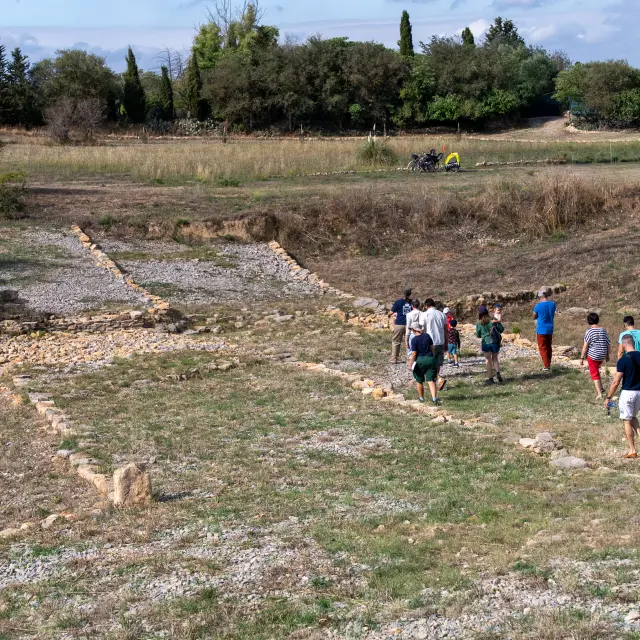
What are those little stone huts you come across in the middle of the garrigue? They dot the paths, remnants of the region’s history and ancestral craftsmanship. Capitelles are dry-stone structures, first appearing between 2400 and 1700 BC and then again between the 18th and 19th centuries. Used by winegrowers and shepherds as shelters and for storing tools and harvests, they still dot the landscape today.

There are several routes to explore them: the hamlet of capitelles in Frontignan, or the circular walks around La Moure and starting from Poussan or Montbazin, which invite us to imagine life in days gone by.

Unexpected biodiversity

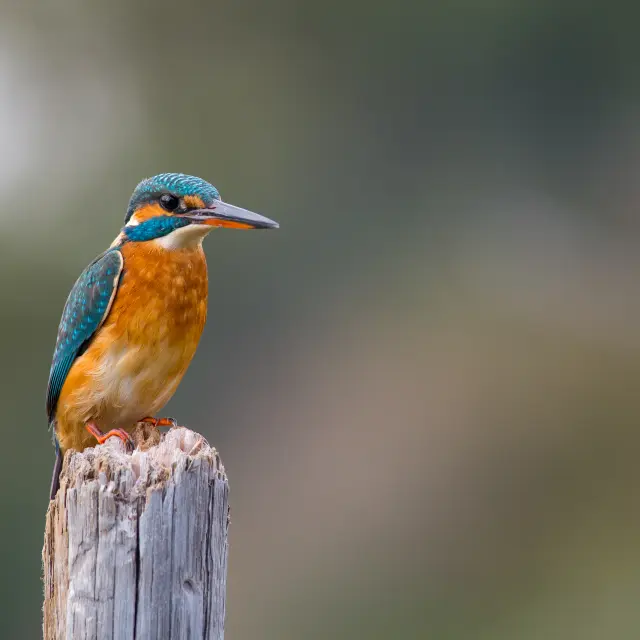
Despite the arid nature of the environment, the garrigue is a rich ecosystem and a true sanctuary for biodiversity. Its dry, shallow soils limit the growth of large trees, favouring low-growing, hardy vegetation. Kermes oak, orchids, rockroses, thyme, Roman sage, juniper and other Mediterranean species thrive here naturally. As for wildlife, you’ll need to keep a look out. Ocellated lizards, Montagu’s harriers, warblers, larks, and numerous insects such as stick insects, crickets and grasshoppers, including the ‘serrated magician’, lead a discreet yet vital existence here.

Botanical trails, such as those in the Gardiole massif or at Loupian, allow you to identify these species and gain a better understanding of how they function.

The Gardiole massif and Saint-Félix-de-Montceau Abbey

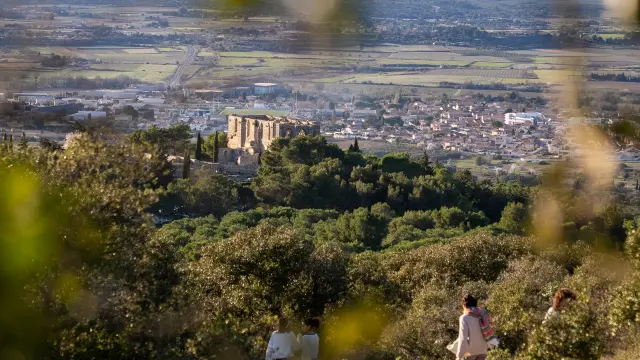
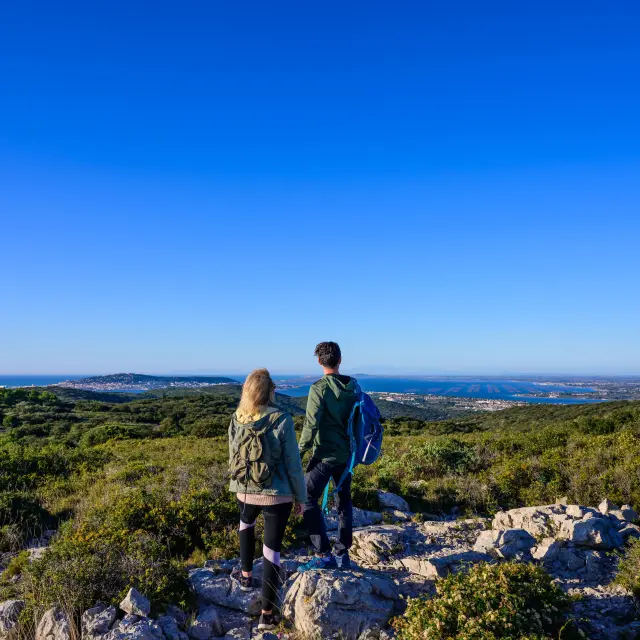
It is impossible to talk about a walk through the garrigue without mentioning the Gardiole massif. A range of limestone hills stretching between the towns of Gigean, Mireval and Frontignan, overlooking the Thau basin and offering spectacular views of the lagoons, vineyards and the sea. It is a favourite spot for walkers, families and mountain bikers, who come here to discover its biodiversity and heritage treasures.

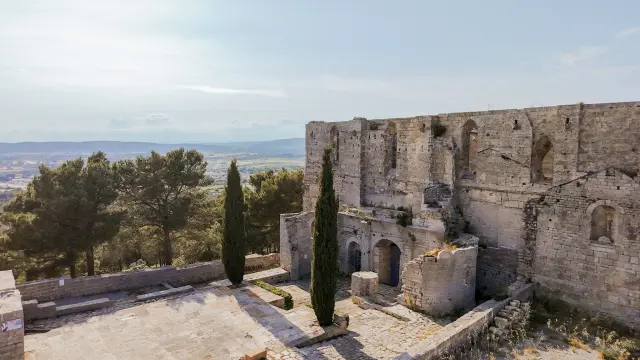
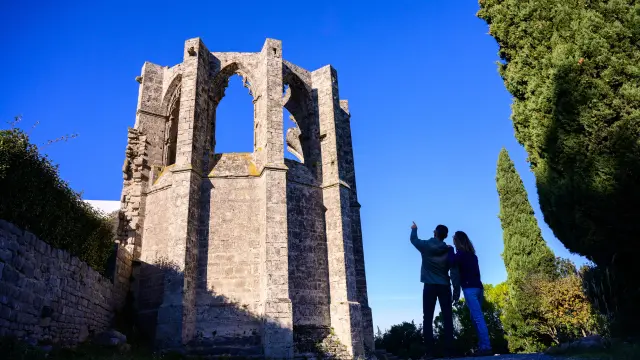
Nestled on the Gardiole, the Abbey of Saint-Félix-de-Montceau is a former monastery with records dating back to the 11th century. It bears witness to the establishment of a religious community in this isolated area, which was well-suited to monastic life. The site underwent several phases of occupation before being abandoned, then restored in modern times. Today, an association organises shows and cultural events to keep the site alive and pass on its history.

From the garrigue to Rome: the Via Domitia

As we have come to realise, long before our time, others had already roamed these lands. The Via Domitia, the first major Roman road built in Gaul from 118 BC onwards, still runs discreetly through the scrubland. It linked Spain to Italy via France, facilitating trade and military movements. In places such as Loupian, its millennia-old remains are visible: cobblestones, road alignments and fragments revealed by years of archaeological research, offering a historical perspective on the garrigue landscape.

Through its paths, capitelles, ancient remains and stunning natural beauty, the garrigue offers us a heritage of rare richness.