©

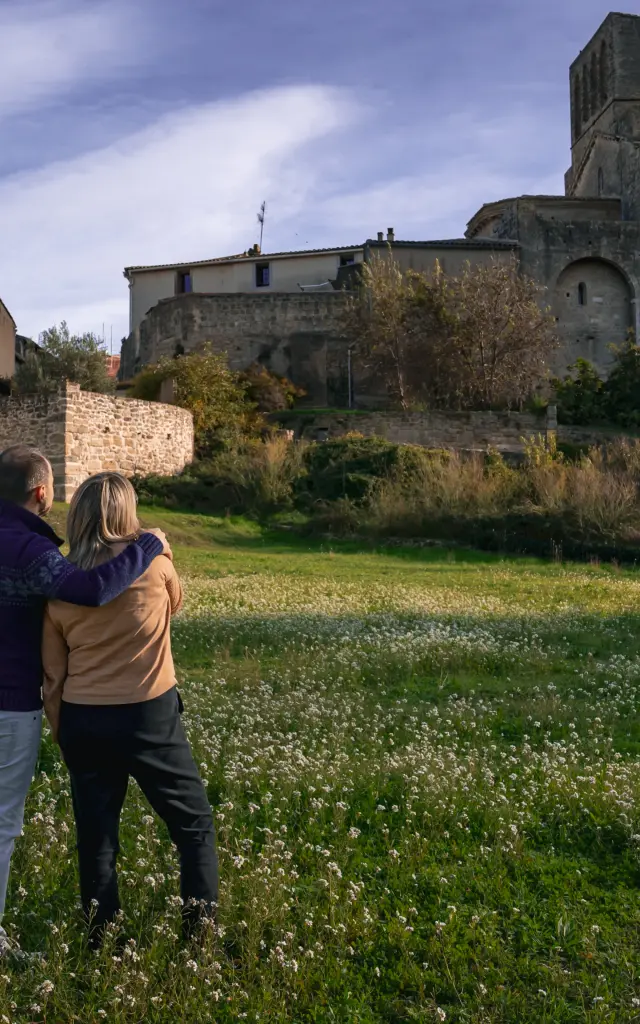
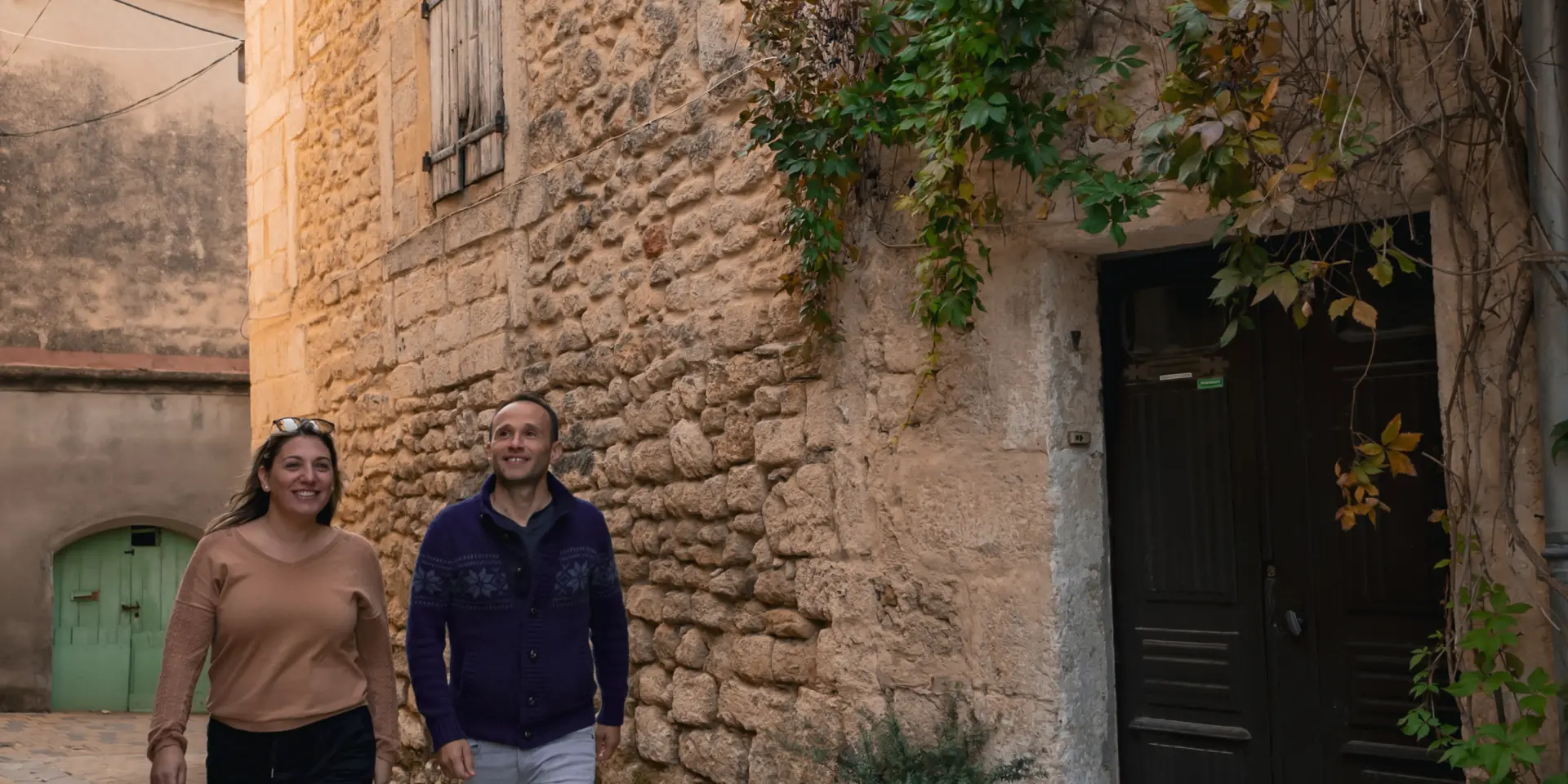
A couple walking through the historic centre of Montbazin.

|

M_RICARD_OT-THAU

The must-sees in Montbazin

Imagine a medieval village nestled in the heart of the fragrant garrigue, where cobbled streets wind their way between winegrowers’ houses and historic monuments, where unspoilt nature blends with centuries-old heritage… Welcome to Montbazin, a charming little corner of the Thau Archipelago. This village of 2,900 inhabitants embodies the perfect harmony between tradition and ecological transition.

Nestled between Sète and Montpellier, Montbazin stands out for its remarkable commitment to the environment and its exceptional historical heritage. Since September 2024, the village has been basking in a new sense of pride: it has been named the best municipality for biodiversity in the category of municipalities with fewer than 20,000 inhabitants. This national recognition celebrates years of efforts to preserve the Mediterranean scrubland, reduce energy consumption and protect endangered species.

But Montbazin is much more than just an ecological model! It is a vibrant area where Romanesque ruins, 18th-century colonnades, lush vineyards and breathtaking landscapes come together. With its architectural heritage and unspoilt nature, this village in the Thau Archipelago is sure to charm culture lovers, hikers and anyone curious in search of authenticity. Ready for a timeless getaway? Follow the guide!
A historical heritage that tells the story of the centuries

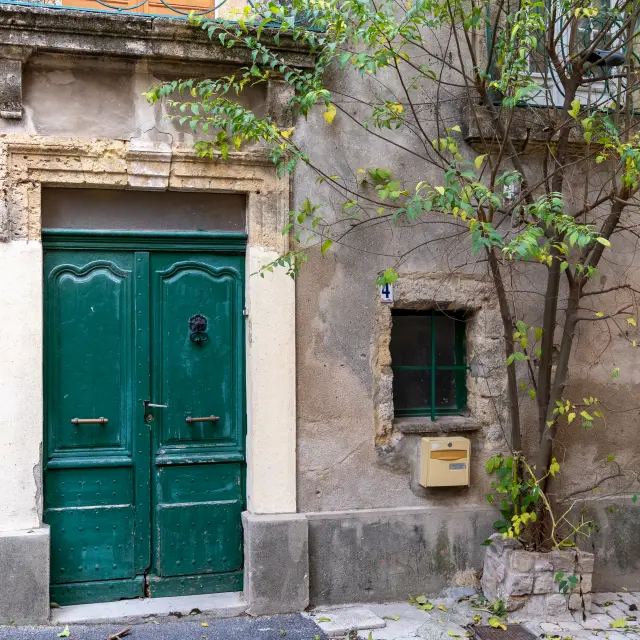
Begin your exploration of Montbazin by immersing yourself in its rich medieval history. The historic heart of the village reveals its treasures as you stroll through its cobbled, flower-lined streets.

St Peter’s Chapel A 12th-century Romanesque gem

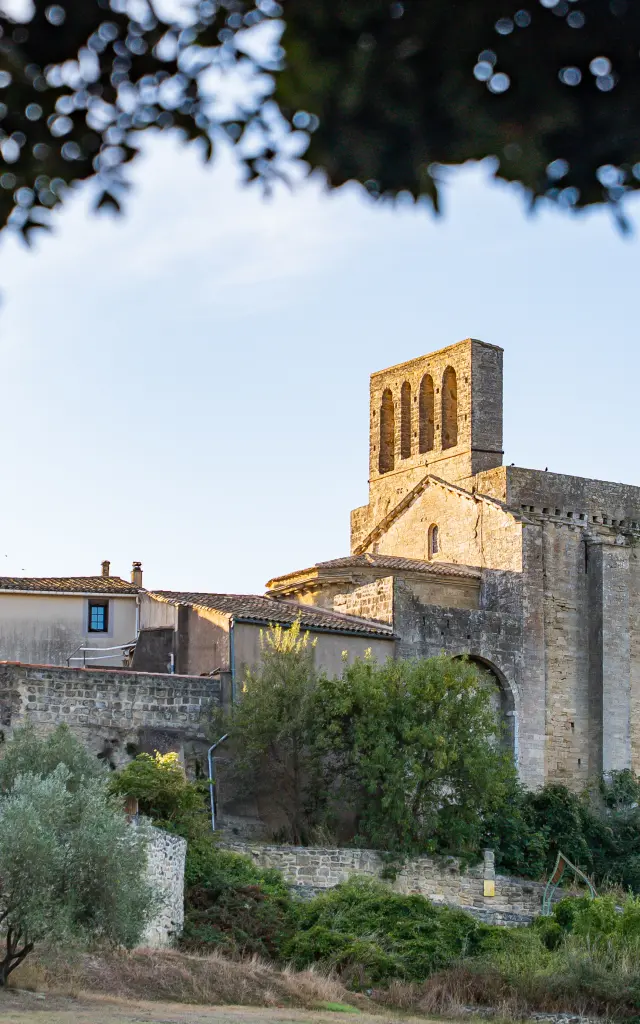
Your walk begins at Saint-Pierre Chapel, a true treasure of Romanesque art built in the 12th century. Once part of the village’s feudal castle, this chapel houses remarkable Byzantine-inspired frescoes depicting striking religious scenes. Listed as a Historic Monument in 1964, it now hosts exhibitions and cultural events throughout the year.

As you step through its doors, you are immersed in the village’s history whilst enjoying a setting steeped in spirituality and tranquillity. The venue’s exceptional acoustics also make it a popular venue for early music and choral concerts.

The belfry, a medieval sentinel

As you continue your stroll through the narrow streets steeped in history, you will come across the belfry, an imposing remnant of Montbazin’s medieval past. Built on the foundations of the former Chapel of the Penitents, its centuries-old stone walls tower above the village rooftops. This architectural landmark bears witness to Montbazin’s importance in the Middle Ages and delights lovers of historic architecture.

The Colonnades 18th-century elegance

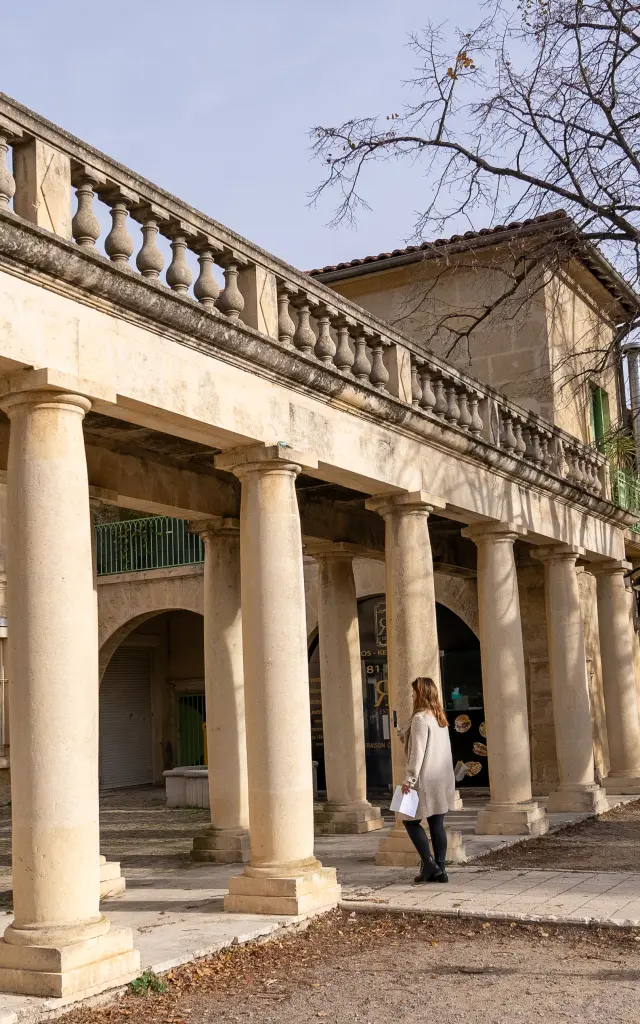
Montbazin is home to a truly unique architectural site: the Colonnades. This 18th-century ruin was once part of a château built by the Lavergne family. Today, these elegant columns stand proudly, bearing witness to the architectural refinement of the era. Once surrounded by lush gardens, they served as the backdrop to a stately home that impressed visitors.

Purchased by the town hall in 1897, the Colonnades housed a school for many years before being converted into a public space. Today, they offer the perfect setting for a contemplative break in the heart of the village.

Wine-growing estates 19th-century accounts

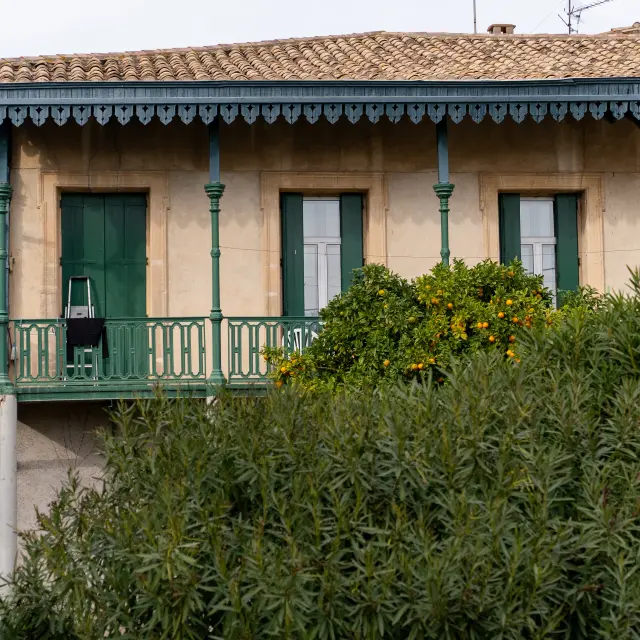
As you stroll through Montbazin, you will notice the many 19th-century winegrowers’ houses. These traditional dwellings, with their inner courtyards and wine cellars, serve as a reminder of the importance of winegrowing in the village’s history. Some façades are adorned with shells or carved motifs that bear witness to local craftsmanship.

Even today, the vineyards surrounding Montbazin produce renowned wines from the Languedoc appellation. Some local winegrowers offer tastings during summer events, providing an authentic immersion in the terroir of the Thau Archipelago.

Juffet's Mill Heritage restored with passion

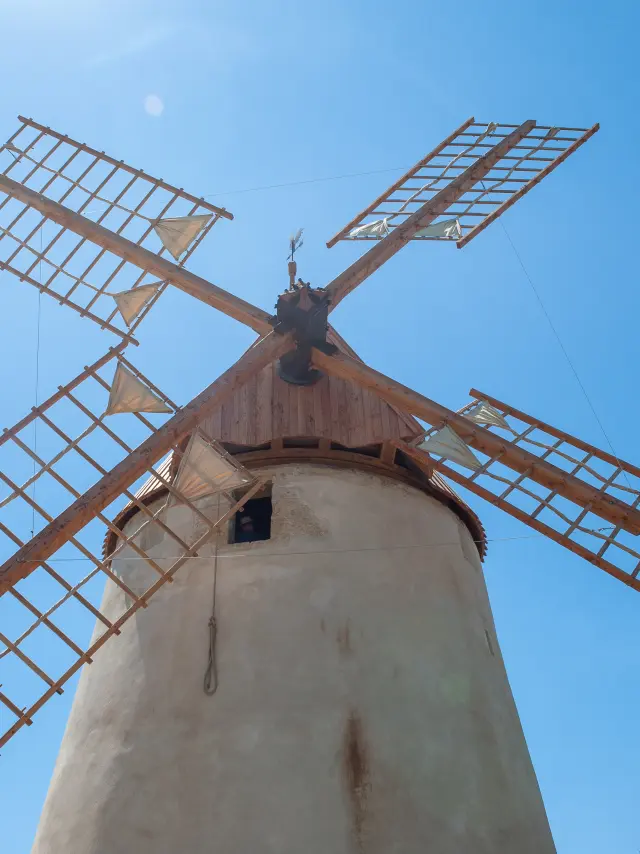
As you leave the village centre and head out into the surrounding countryside, do stop off at the Juffet mill. Thanks to the “Forum de Montbazin” association and the Fondation du Patrimoine, this restored mill stands as a living testament to the milling activities of days gone by. Perched on the hillside, it offers an exceptional panoramic view of the Moure hills and the Thau lagoon glistening in the distance.

Guided tours are offered from time to time, particularly during Heritage Days in September, allowing visitors to understand how windmills work and the importance of these structures in Montbazin’s rural history. A fascinating experience that will delight young and old alike! Fancy taking home a local souvenir? Buy a kilo of freshly ground wheat flour straight from the mill.


The hike through the Moure Hills Immerse yourself in nature

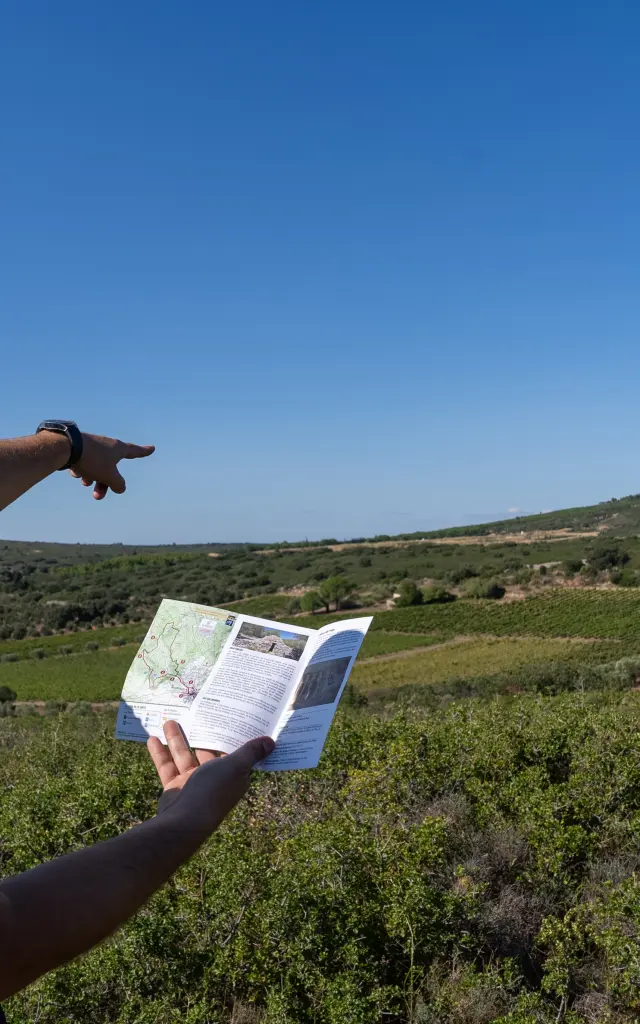
For a complete immersion in Mediterranean nature, head for the hills of La Moure! Montbazin is the ideal starting point for exploring this unspoilt mountain range, which offers marked trails through the garrigue.

As you hike, you’ll discover typical Mediterranean flora: Aleppo pines, kermes oaks, thyme and rosemary, which delicately perfume the air with their fragrant scents. The song of the cicadas accompanies your steps, whilst lizards dart across the warm stones. You’ll come across pretty capitelles, those dry-stone shelters that once served as refuges for shepherds and farmers during their days in the fields.

The highest point of the hike offers a breathtaking view of the Thau lagoon, which stretches out like a blue mirror, with the silhouette of Sète standing out in the background. A breathtaking panorama that rewards the walkers’ efforts! Lovers of the great outdoors and photography will find an exceptional playground here.

 An audio guide to relive the past

Would you like to explore this natural heritage in a different way? Download the audio guide and let Fernande, a shepherdess from Montbazin, show you around her village and the surrounding area as you walk! A lovely way to step back in time to the 1950s whilst learning about the sheep track and transhumance. This immersive experience greatly enriches the walk and will appeal to children and adults alike.

Getting to and around Montbazin

Getting to Montbazin and exploring the Thau Archipelago is easy thanks to the wide range of sustainable transport options available in 2025.

The cycle path that circles the Thau lagoon passes close to Montbazin, linking the village to Gigean, Balaruc-le-Vieux and Mèze. This greenway allows you to explore the entire area in a gentle and eco-friendly way, whilst enjoying exceptional views of the lagoon and the vineyards. An ideal way to discover the Thau Archipelago at your own pace, breathing in the scents of the garrigue!

The Sète Agglopôle Mobilité network serves Montbazin via routes 13 and 22 from Sète, Frontignan, Balaruc and Gigean. From January 2026, a major reorganisation of the network will significantly improve services: Montbazin will be served on Sundays and public holidays – a first! The “Sète Agglopôle Mobilité” mobile app lets you plan your journey and buy tickets in just a few clicks.

  • From Montpellier ( 25 km, 20 minutes), take the A9 then the D2.
  • From Sète (15 km, 18 minutes) or Mèze (12 km, 15 minutes), follow the D2 through the garrigue. Free car parks are available in the village centre and at the main hiking sites.

    Montbazin continues to evolve whilst preserving its historical and natural heritage. The village is part of the Archipel de Thau’s Green Destinations initiative, guaranteeing responsible tourism that respects the unique ecosystem of the Mediterranean garrigue.

    From strolling through the medieval streets and admiring the colonnades to hiking through the fragrant garrigue and immersing yourself in wine-growing traditions, Montbazin has a thousand and one discoveries in store for you. This charming village embodies a Mediterranean way of life that combines respect for nature, heritage preservation and cultural vibrancy.

Your questions about Montbazin and the Thau Archipelago