©

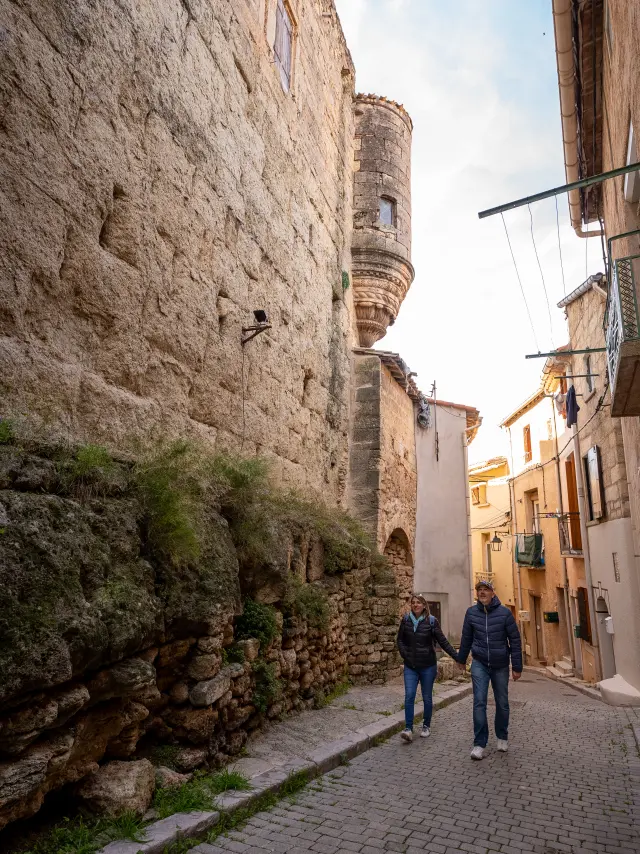
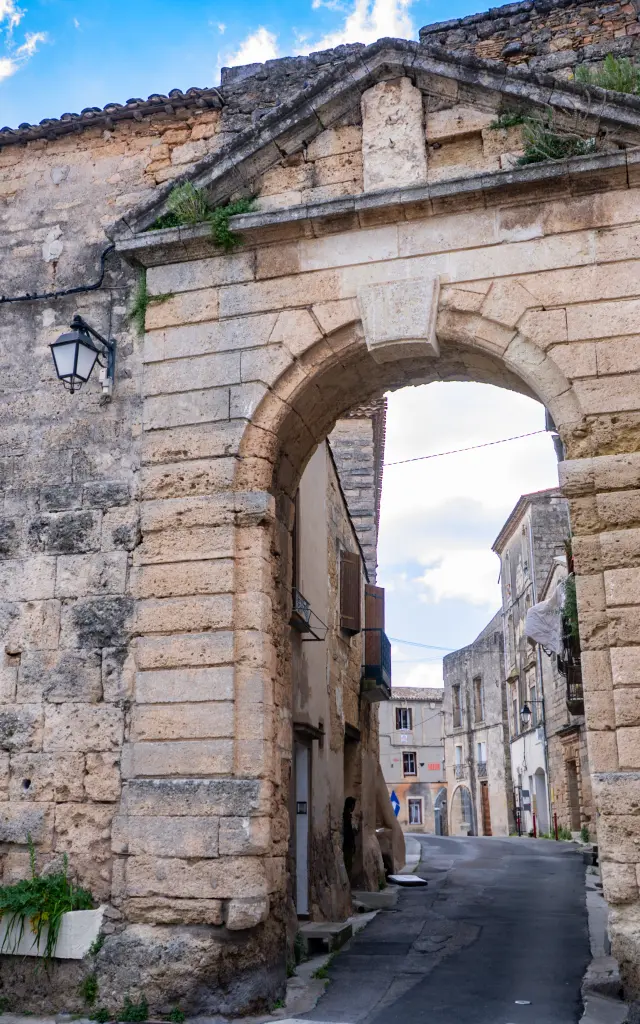
Narrow streets, the historic centre of Poussan.

|

M_RICARD_OT-THAU

The must-sees in Poussan

Two thousand years ago, Roman legions marched through Poussan, travelling along the Via Domitia, which linked Italy to Spain. Today, this village has preserved far more than just traces of this ancient past: a remarkable medieval heritage unfolds here, enriched by a surprising feature. Organised in a typically Languedoc circular layout, the old town winds its narrow streets around Saint-Pierre Church, punctuated by restored ramparts, a priory house and majestic Baltard market halls that tell the story of the golden age of the wine trade.

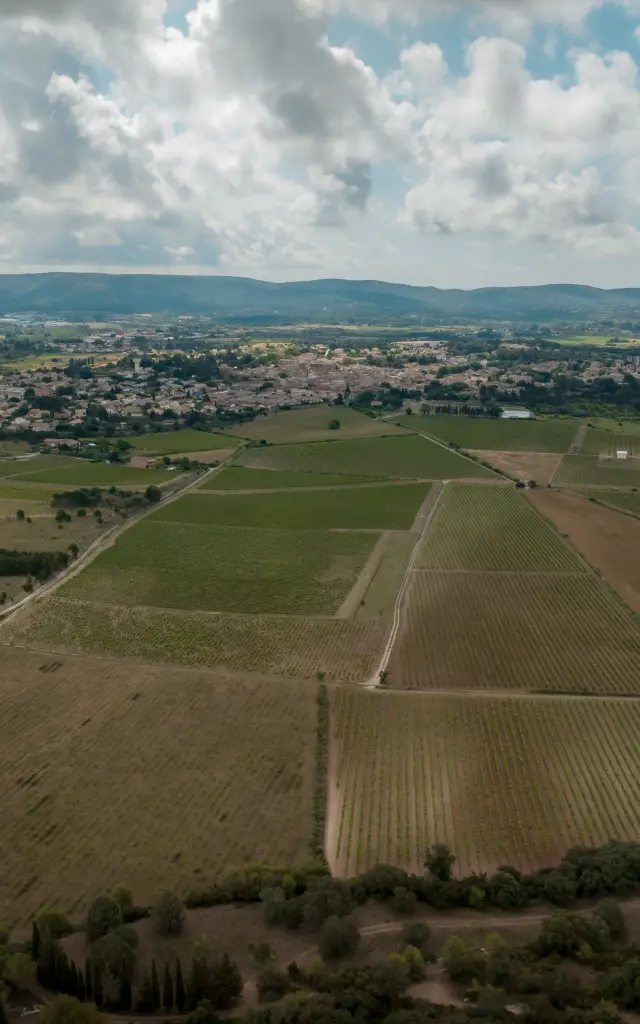
But Poussan has a surprise in store: three châteaux dot its landscape. Malbois, Montlaur and La Garenne stand out with their historic silhouettes amidst vineyards and garrigue, making this market town one of the few villages of its size to boast such a concentration of stately homes. To the north, the hills of La Moure rise gently, dotted with dry-stone huts that bear witness to the ancestral craftsmanship of Languedoc’s builders. From their summits, the view over the Thau lagoon is breathtaking. With its Roman heritage, medieval architecture and unspoilt Mediterranean countryside, Poussan cultivates the authenticity that is the very essence of the Thau Archipelago.

La Circulade and its architectural treasures

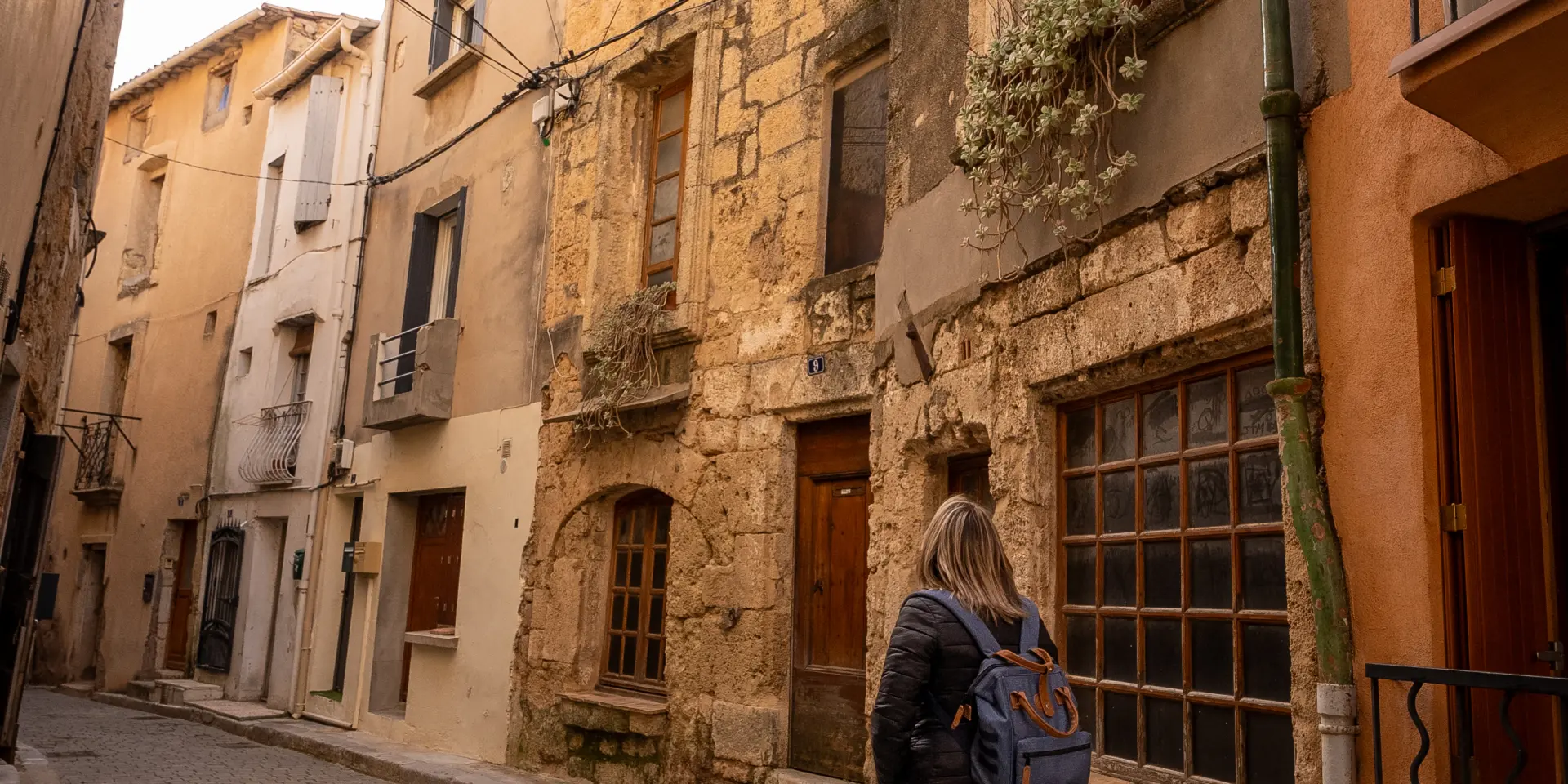
Poussan winds its way around the Church of Saint-Pierre in the circular layout so characteristic of medieval Languedoc. The houses nestle together in concentric circles, creating a labyrinth of narrow alleyways where every turn reveals a new discovery. Here, a 17th-century carved door with ornate ironwork. There, a section of rampart incorporated into a façade, a remnant of the fortifications that once protected the village. Further on, an imposing winegrower’s house, a reminder of the prosperity brought by wine.

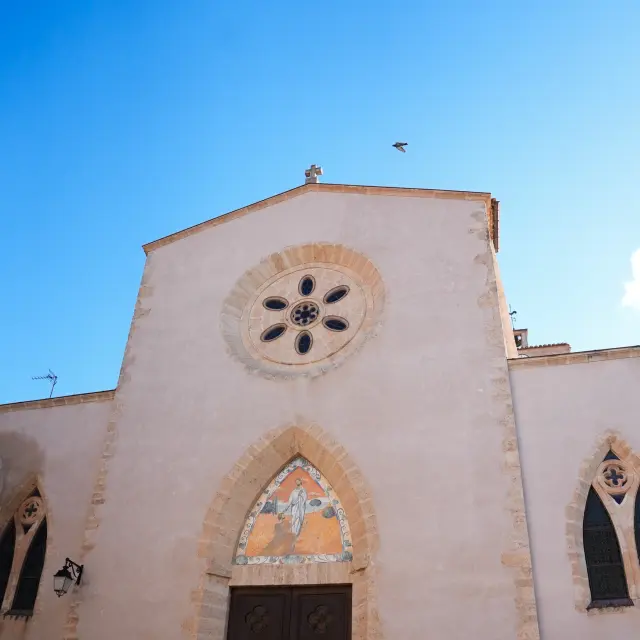
Saint-Pierre Church overlooks this labyrinth of stone. The carefully restored ramparts bear witness to the era when Poussan had to defend itself against incursions. The priory house and the Penitents’ Chapel complete this medieval religious heritage. But the architectural gem of the village is to be found on Place des Halles: built in 1907, these Baltard-style market halls display their elegant, airy metal structure, bearing witness to that prosperous period when Poussan lived to the effervescent rhythm of the wine trade.

Winegrowers’ houses dot the old town centre, veritable mansions built by owners who had made their fortunes in the 19th century. Their imposing façades display their success; their monumental carriage entrances allowed carts laden with barrels to enter; their vaulted cellars preserved the precious liquid. These residences tell the story of that golden age when wine made the village’s fortune and filled the pockets of shrewd winegrowers. Guided tours organised in July and August allow visitors to immerse themselves in this heritage and understand all its nuances.
Three castles for a single village

Few villages of this size can boast of having three châteaux. Poussan has three, their historic silhouettes dotting the landscape, remnants of a prosperous feudal past.

Malbois Castle stands to the south of the village, an imposing stately home overlooking the surrounding vineyards. From the road, its towers stand out against the sky, a reminder of the importance of the landed gentry in Poussan’s history. Montlaur Castle occupies a strategic position to the east, a former medieval stronghold converted into a farmstead that has stood the test of time. La Garenne Castle completes this trio to the north, nestled in a lush green setting that gives it its name and lends it a romantic atmosphere.

These three buildings, although privately owned and not open to visitors, play a key role inPoussan’s architectural identity. Their towers can be spotted from the heights of La Moure, their imposing forms punctuating the landscape amidst vineyards and scrubland. This rare concentration makes Poussan a village apart in the Thau Archipelago.

The Capitelles Trail An architectural walk through the garrigue

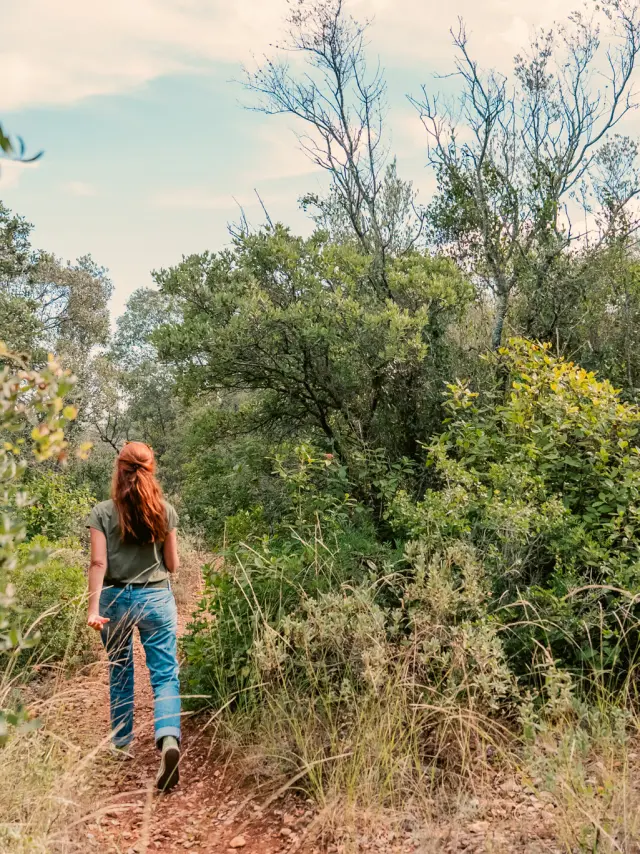
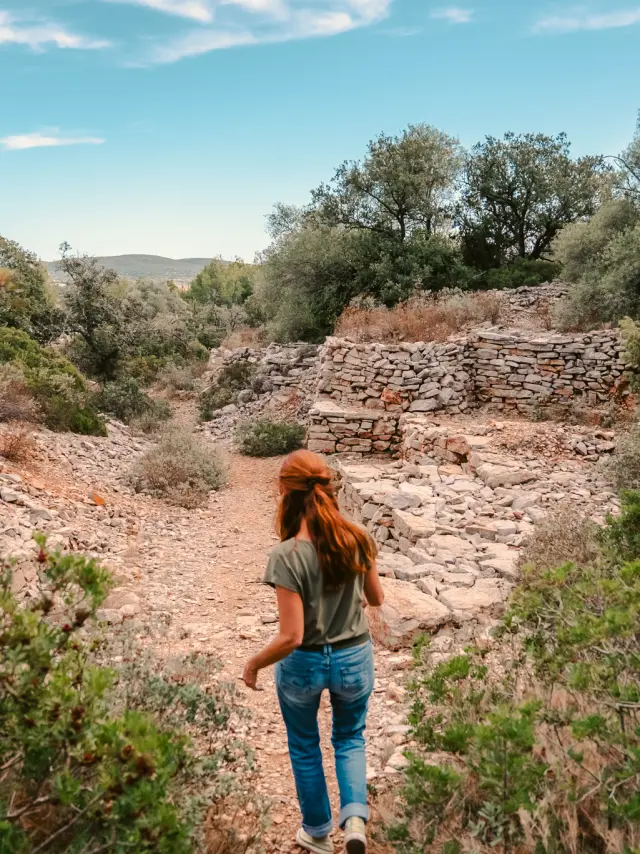
To the north of Poussan, the hills of La Moure are covered in fragrant garrigue, home to kermes oaks, thyme, rosemary and rockroses. A 5.5-kilometre trail starts in the village centre, on Rue Pasteur, and climbs gradually towards these heights, where the ‘Pierres et Chemins de la Moure’ association has passionately restored several remarkable capitelles.

These dry-stone huts, built without a single gram of mortar, bear witness to the ingenious craftsmanship of Languedoc’s builders. Shepherds and winegrowers built them to shelter whilst working in the garrigue, stacking flat limestone blocks using an ancestral technique passed down from generation to generation. The trail, marked by blue dots, reveals around ten of these structures, each with its own architectural features. The highlight of the tour: an underground capitelle, an extremely rare structure in the region, which surprises with its ingenuity. Entirely buried, only its entrance is level with the ground, creating a cool shelter even during the hottest hours of summer.

The trail also reveals the Bonnefoy spring, a small waterhole carved into limestone strata that resembles a miniature Roman bath. This reservoir was used to water livestock, a precious resource in this scrubland where water becomes scarce from the very first days of summer. Old millstones also dot the countryside, imposing stone wheels left behind, remnants of a time when Poussan produced millstones for the wheat and oil mills of the surrounding towns.

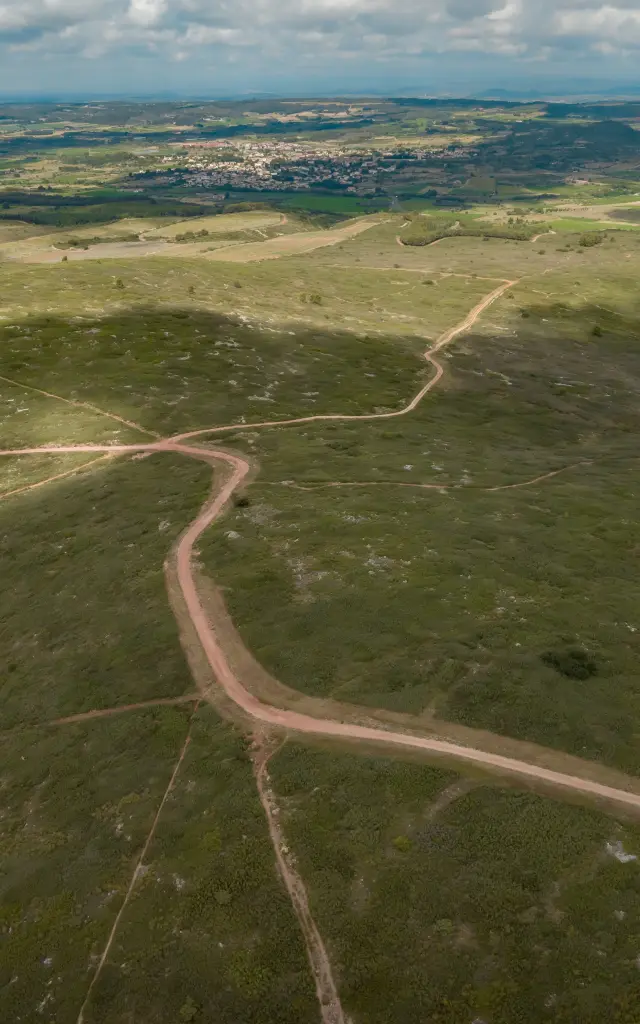
From the heights of La Moure, the view will leave you breathless. To the south, the Thau lagoon glistens like an inland sea, Mont Saint-Clair de Sète stands out clearly against the horizon, and on a very clear day, the view stretches as far as Pic Saint-Loup, whose distinctive silhouette blocks the northern sky. The trail is suitable for all fitness levels thanks to the many paths criss-crossing La Moure. The sparsely shaded garrigue makes it easy to find your way, but remember to bring water and a hat in hot weather. Allow 2 to 3 hours for the full loop, taking the time to admire the capitelles and the views.

The Via Domitia In the footsteps of the Romans

Poussan occupies a strategic position on the famous Via Domitia, the Roman road built in 118 BC that linked Italy to Spain, crossing the entire region of Narbonensis. This major artery of the Roman Empire passed through the village, fostering its development from ancient times. Imagine the Roman legions marching through here, merchants carrying their goods, and messengers galloping towards Rome with fresh news of the conquest of Hispania.

Remains from this period still survive, integrated into the urban fabric or preserved in local collections. This Roman presence partly explains Poussan’s early prosperity from the 10th century onwards. The village capitalised on its geographical position between Montpellier and Béziers, between the lagoon and the hinterland, to develop economically and architecturally. Today, information panels mark the supposed route of the Via Domitia, allowing visitors to walk in the footsteps of the Roman legionaries who trod these stones two millennia ago.

Poussan The northern gateway to the Thau Archipelago

Located to the north of the Thau lagoon, halfway between Montpellier (20 kilometres) and Sète (15 kilometres), Poussan is ideally situated as a base for exploring the whole region. Balaruc-les-Bains and its century-old thermal baths are 6 kilometres away, Bouzigues and its oyster beds floating on the lagoon are 5 kilometres away, and Mèze and its charming harbour are 8 kilometres away.

Valmagne Abbey in Villeveyrac, a 12th-century Cistercian gem, is a 15-minute drive away.

The Sète Agglopôle Méditerranée bus network serves the village from the other towns in the Archipelago. For cyclists, Poussan is an ideal starting point for exploring the neighbouring villages by bike along the quiet country roads that wind through vineyards and scrubland. The beaches of Sète are 15 kilometres away, those of Frontignan 12 kilometres, all Blue Flag certified.

From Montpellier, allow 30 minutes via the N113 or the A9, exit 33. From Béziers, 30 minutes via the A9, exit 34 Agde. The nearest SNCF station is in Sète, with bus connections to Poussan.


Poussan: two thousand years of history at the heart of the Archipelago

A Roman village through which the Via Domitia passed, a medieval market town laid out in a circular pattern, and a thriving wine-growing town in the 19th century, Poussan has come through the centuries, accumulating layers of history. Its three châteaux, its Baltard market halls, its monumental winegrowers’ houses and its restored ramparts bear witness to this rich heritage, rare for a village of this size. To the north, the hills of La Moure are dottedwith dry-stone huts amidst the fragrant garrigue, offering walkers remarkable views of the Thau lagoon glistening in the distance.

This village cultivates an authenticity that is becoming rare. Time flows to the rhythm of the wine-growing seasons, the weekly markets that bring together producers and residents, and the traditional festivals that keep Languedoc customs alive. The narrow streets of the circular village remainpeaceful even in summer; local shops sustain this village life where everyone knows and greets one another, and from the heights of La Moure, the view takes in the whole landscape between the silvery lagoon and the golden scrubland.

Situated at the heart ofthe Thau Archipelago, equidistant from Montpellier and Sète, Poussan is an ideal base from which to explore the region. The thermal baths of Balaruc, the oyster beds of Bouzigues, the beaches of Sète, Valmagne Abbey: everything is less than twenty minutes away. An authentic village where you can settle in whilst discovering an unspoilt Languedoc that shuns tourist standardisation.

Your questions about Poussan