©

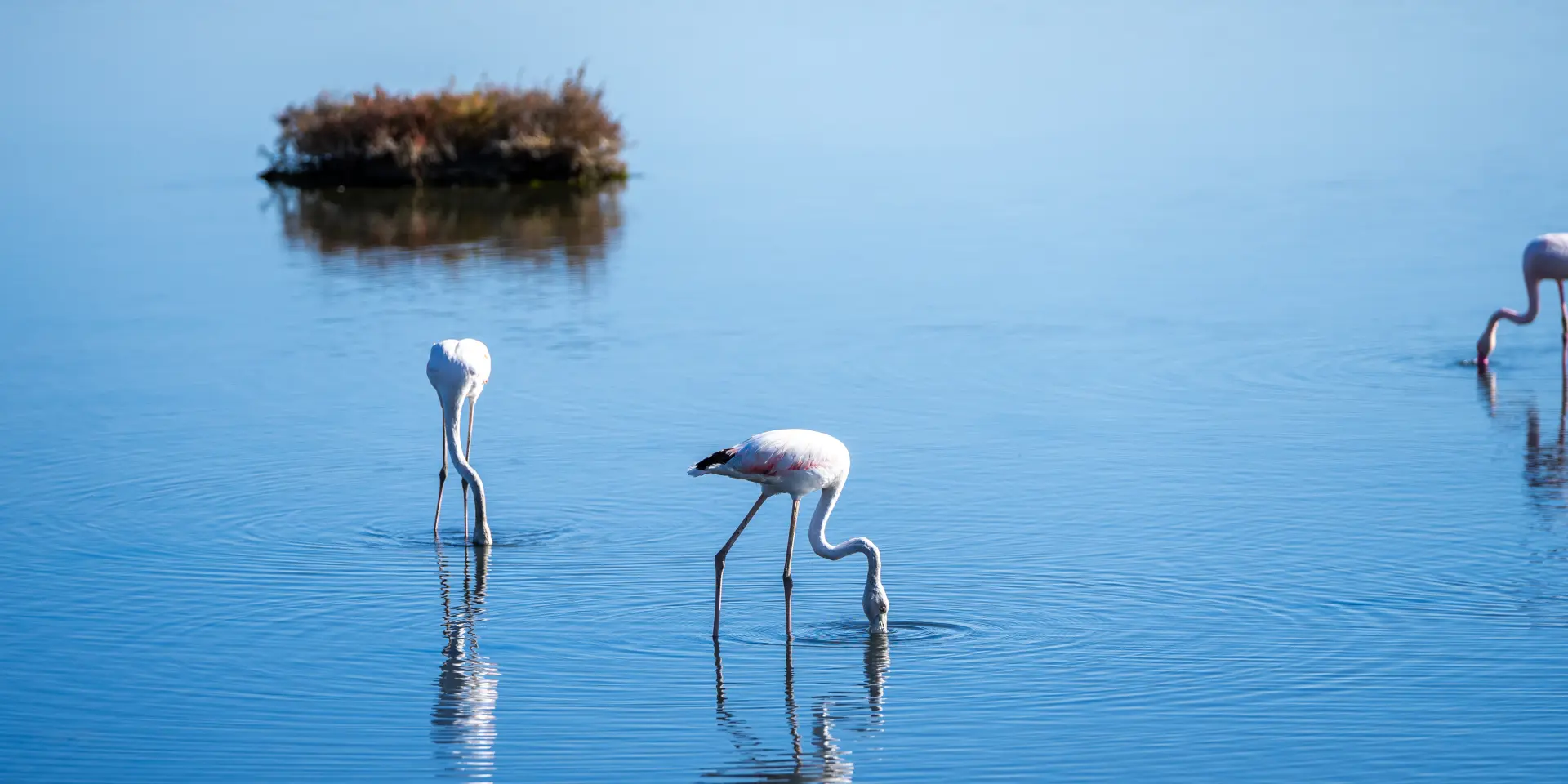
Flamingos, Aresquiers Beach Pond

|

S_JEAN_OT_THAU

The Flamingo Trail

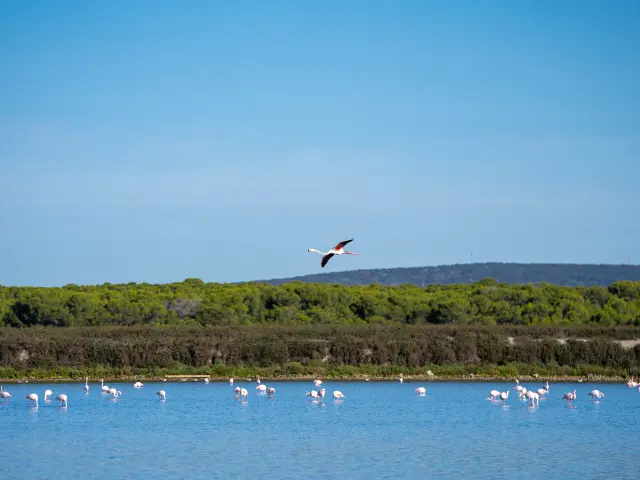
Did you know that the Thau Archipelago is a real paradise for spotting majestic flamingos? Whether you’re a nature lover, an amateur photographer or simply curious, follow our tips to admire these iconic birds in their natural habitat with our top 6 best spots for spotting them.

Updated on 15 June 2026

INGRIL POND Vic-la-Gardiole

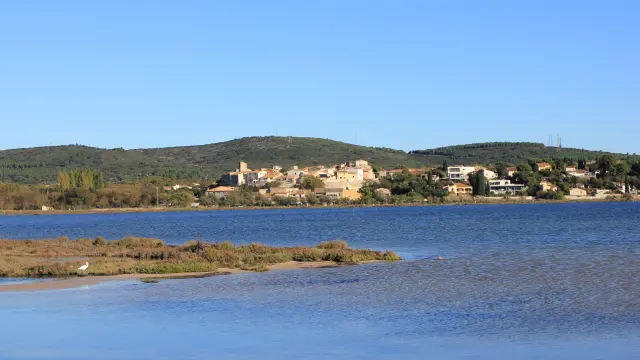
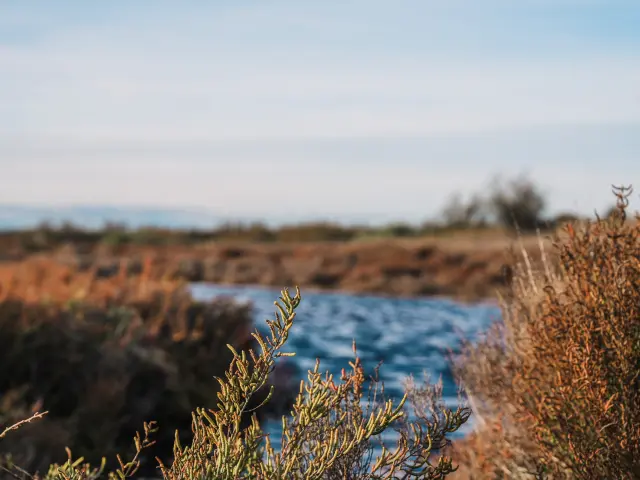
Come and discover the unspoilt natural surroundings of Ingril Pond. Flamingos take refuge here all year round. An ideal stop for lovers of wildlife and tranquillity.

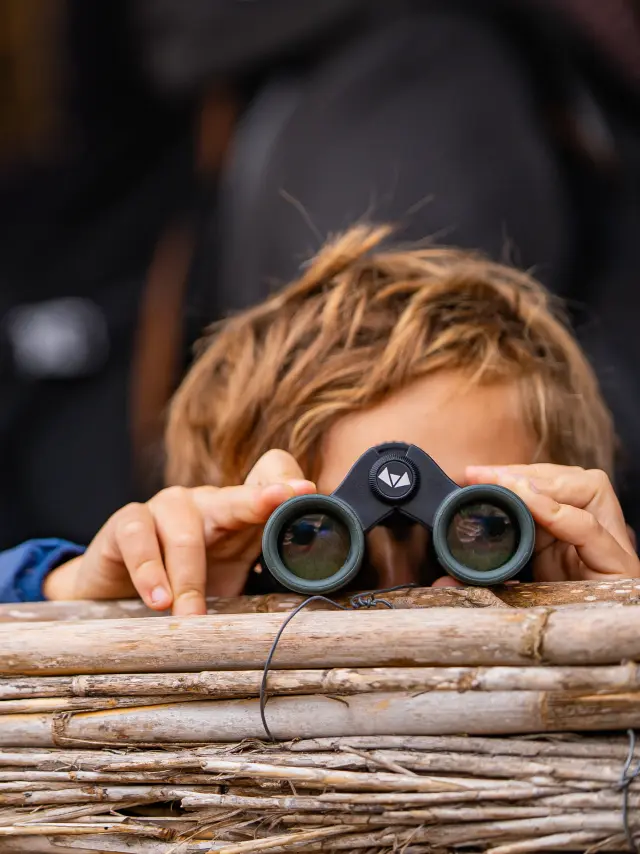
Tip:Bring a pair of binoculars or a camera with a zoom lens to capture these magical moments without disturbing them.
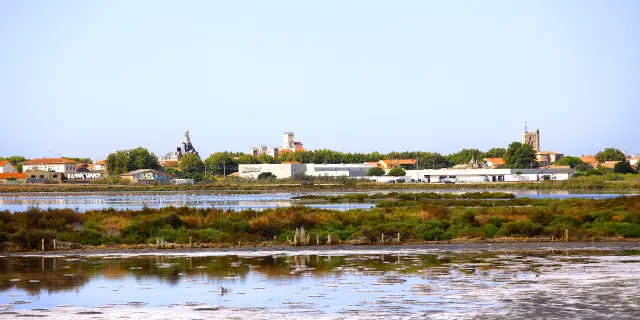
THE OLD SALT MARSHES Frontignan

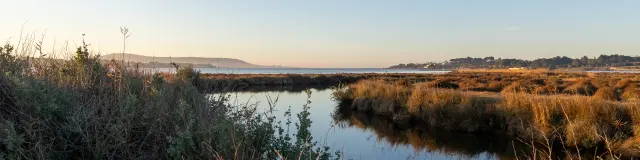
THE ANGLE CREEK Balaruc-le-Vieux

The Angle cove in Balaruc-le-Vieux is a haven for migratory birds.

It is a must-see for birdwatching enthusiasts.

Tip:You can also cross the Crique de l’Angle via the greenway between Balaruc-les-Bains and Bouzigues. 

THE BAGNAS RESERVE Marseillan

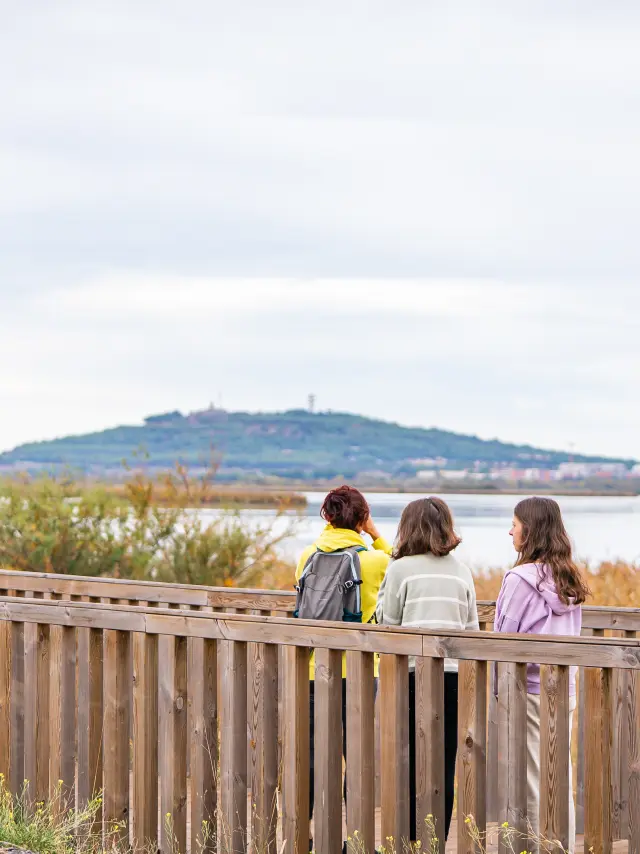
The Bagnas Nature Reserve in Marseillan is a real treasure trove for local flora and fauna. This protected site offers the chance to observe a wide variety of animal and plant species, including flamingos and other majestic birds that thrive in this unspoilt ecosystem.

Tip:Several nature trails and an observation area offer exceptional vantage points from which to appreciate this unspoilt natural environment.

THE SALT MARSHES OF VILLEROY Sète

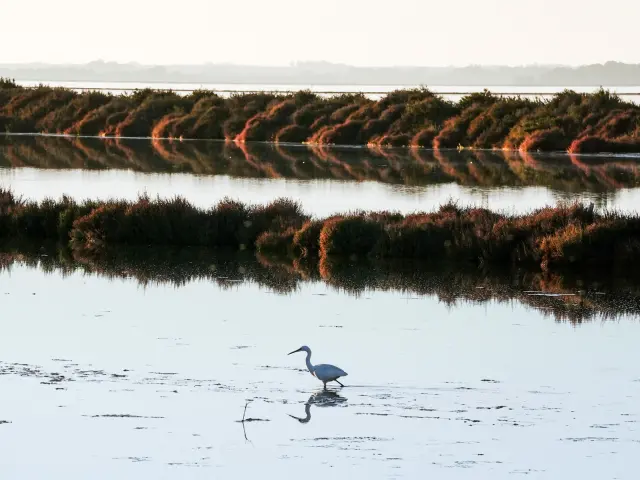
The former salt marshes of Villeroy in Sète are a haven for flamingos. 

Here, these graceful birds come to feed and rest. A wonderful opportunity to explore this natural site whilst preserving the ecological balance.

THE THAU LAGOON

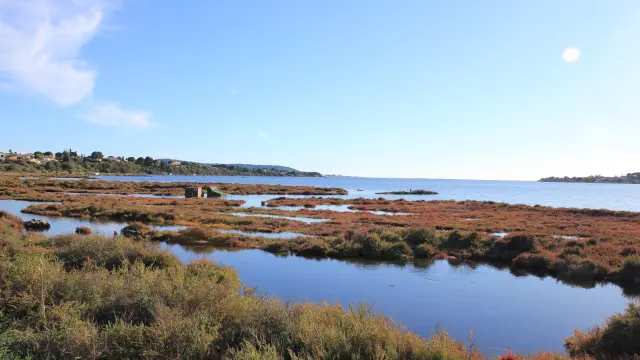
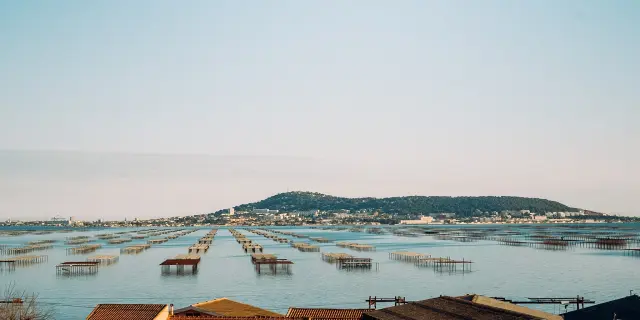
The Thau Lagoon, a haven of peace for flamingos, offers a unique spectacle all year round, particularly between November and March.

Stroll along its banks to admire these elegant birds in their natural habitat. A magical place where nature and tranquillity come together.

Advice

During your visit, don’t forget to look after Mother Nature!

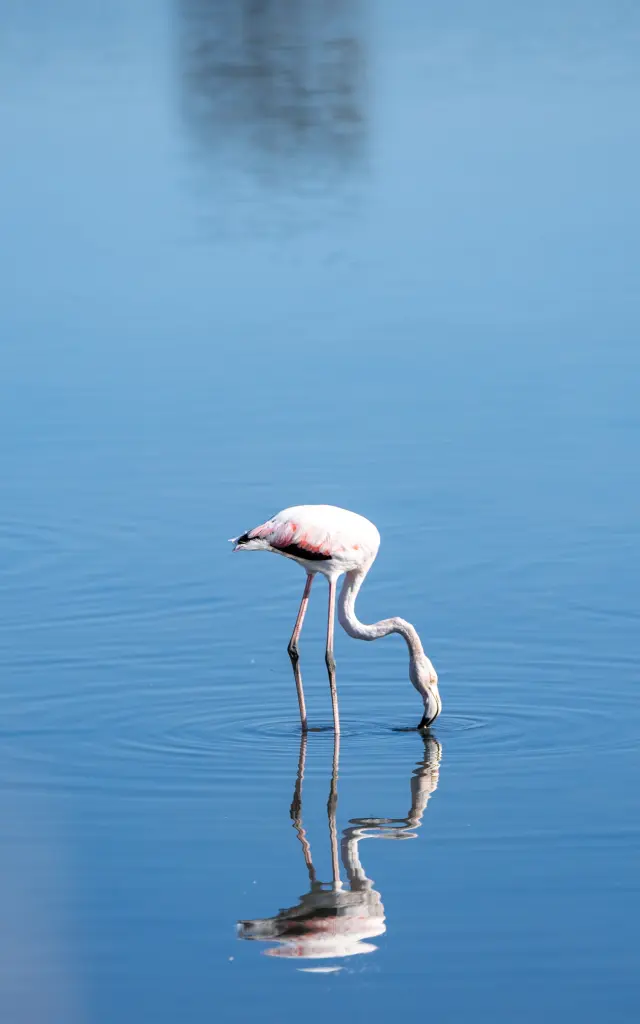
The best time to see them: head out at sunrise or sunset, when the light makes their pink feathers look stunning.

A photography tip: bring a spotting scope, binoculars or a camera with a zoom lens to capture these magical moments without disturbing them.
Going further...