©

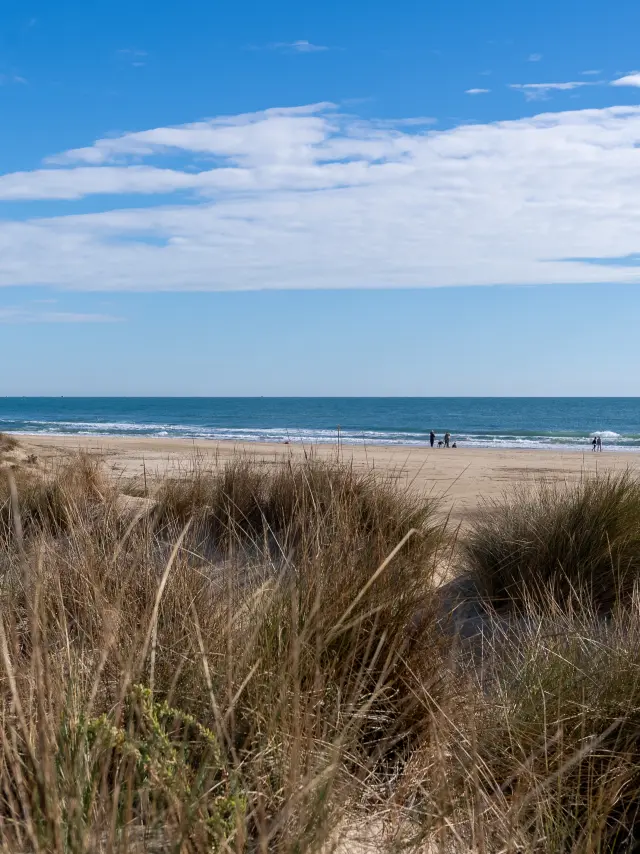
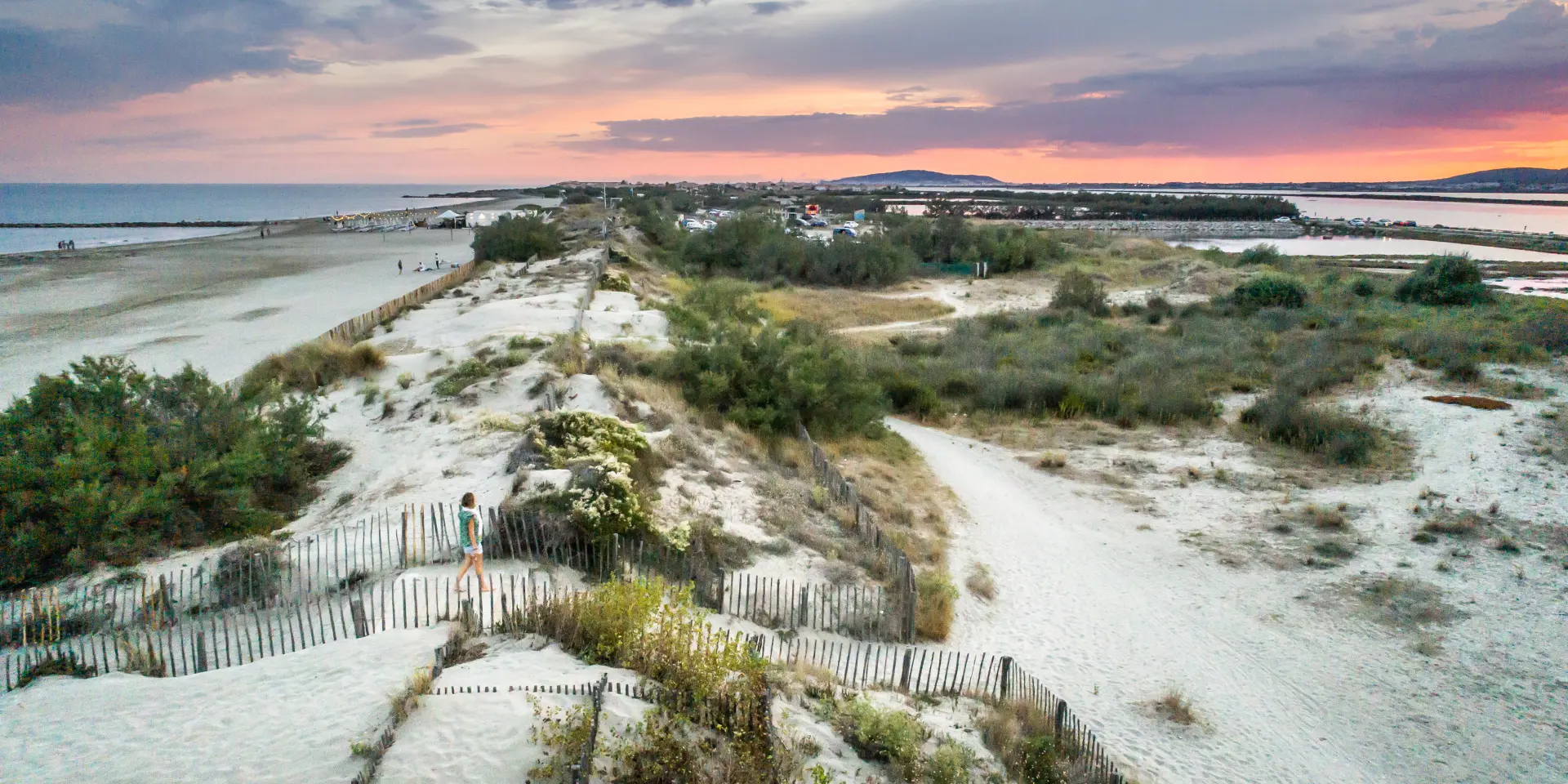
Frontignan Beach Olivier October HD 68

Which beach is right for you?

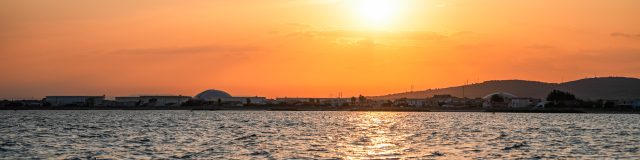
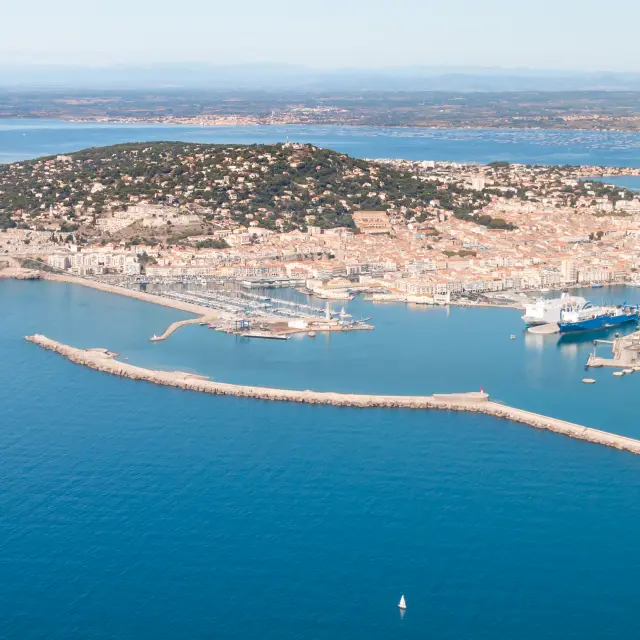
In the morning, the sun rises over the Mediterranean, bathing 25 kilometres of golden sand in light. Between invigorating waves and the calm waters of the lagoon, the beaches of the Thau Archipelago form a unique coastal destination where every stretch of shore tells a different story. Here, you can lay your towel on the fine, supervised sand with your family, explore a wild cove in the afternoon, then end the day in a beach hut with your feet in the water, facing Mont Saint-Clair. This is what awaits you when you come for a swim in the Thau Archipelago.

Three leading seaside resorts share this Mediterranean coastline: Sète boasts 12 kilometres of beaches blending town and nature, Frontignan alternates between unspoilt stretches and facilities over 7 kilometres, whilst Marseillan offers 3 kilometres of family-friendly atmosphere. On the lagoon, Mèze, Bouzigues and Balaruc-les-Bains offer beaches with warmer, wave-free waters, perfect for little ones. All proudly bear the 2025 Blue Flag label, guaranteeing excellent water quality and a strong commitment to the environment. The Thau Archipelago has even been awarded the international Green Destinations Silver label in 2025, recognising its sustainable tourism.

Sète: the unique island and its 12 kilometres of coastline

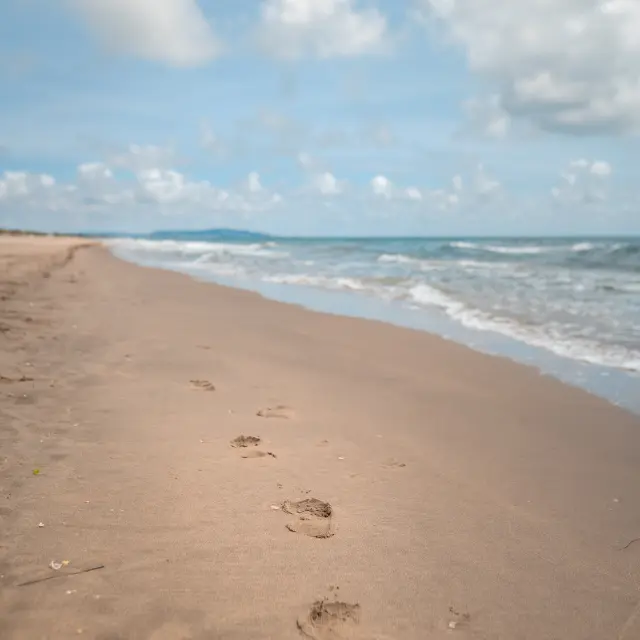
When the sun bathes the Corniche in light, Sète reveals its many facets. From the town centre to Marseillan, 12 kilometres of beaches unfold like a series of ever-changing scenes. You start the day on an urban beach just a stone’s throw from the canals, have lunch in a beach hut with your feet in the sand, cycle along the Voie Verte in the late afternoon, and finish the day watching the sunset over unspoilt dunes. Everything is possible here, everything is accessible, and best of all, you can do it all without a car thanks to the cycle path that runs along the coast.

Le Lazaret kicks things off, the first beach after the Corniche, the spot where the locals pop in for a quick dip between noon and two. The water glistens a deep blue, awarded the Blue Flag 2025 like all its sister beaches. Further on, La Fontaine takes its name from a spring that once gushed forth here. Today, it attracts families who appreciate its lifeguard service and comprehensive facilities. Le Lido is the beating heart of summer in Sète. Imagine a succession of beach restaurants, colourful deckchairs, and children’s laughter mingling with the music drifting from the bars. In the evening, the beach huts come alive, cocktails are served, and the sea becomes a mirror for the last rays of the sun.
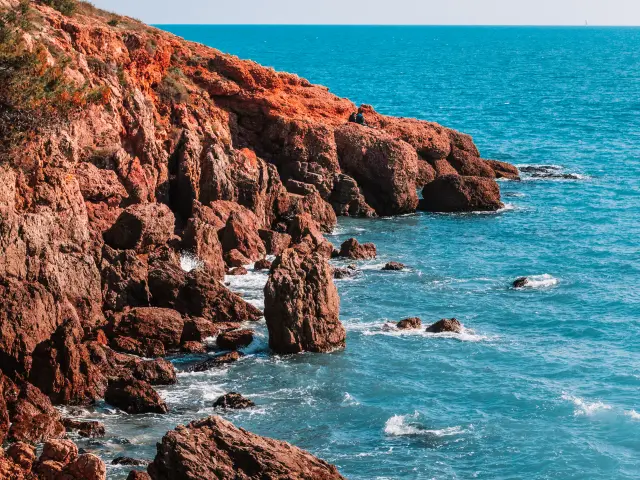
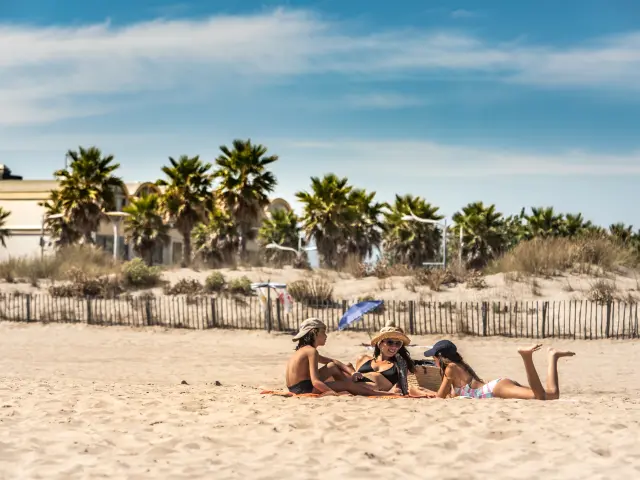
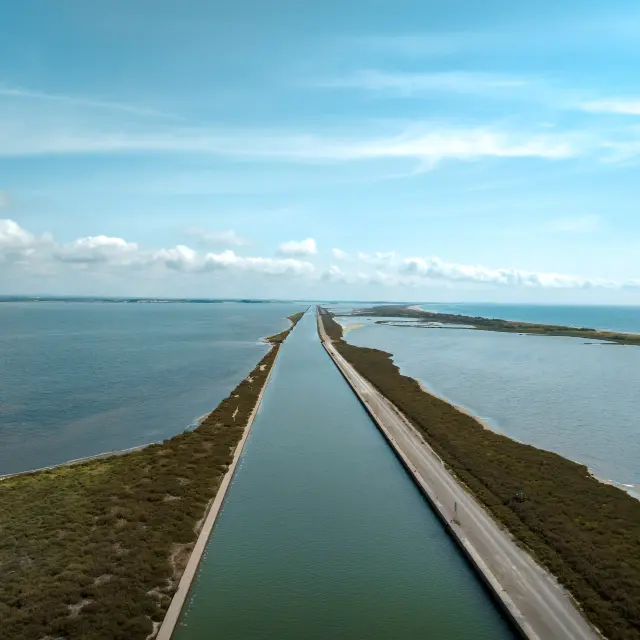
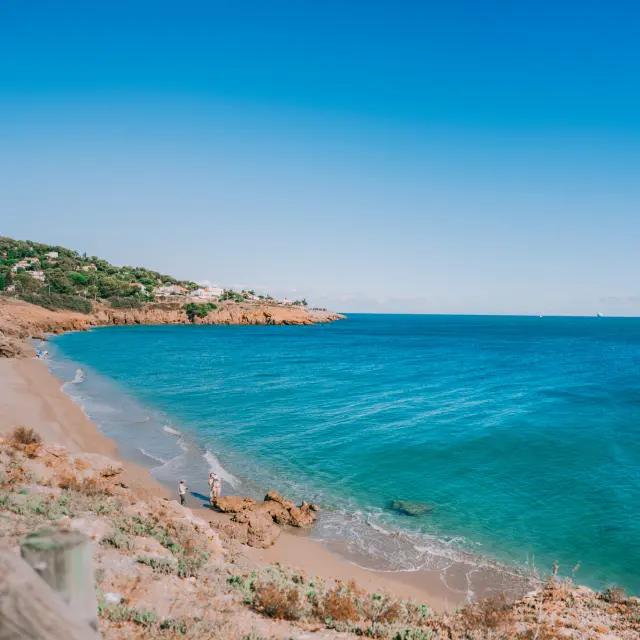
The closer you get to Marseillan, the more the atmosphere changes. La Baleine stretches its small dunes between the Mediterranean and the Thau lagoon, a sanctuary for migratory birds stopping off along this natural corridor. Les 3 Digues offers a family-friendly spot for swimming where children can play in calm waters. Le Castellas, the last beach before the Marseillan border, has a peaceful atmosphere cherished by regulars who return every year to rediscover their little corner of paradise.

For dog owners, Sète has created a unique space: Plage du Vassal welcomes your four-legged friends all year round, where they can run freely off the lead along 250 metres of sand, from 6am to 6pm. From 1 October to 31 May, all other beaches in Sète (except Le Jalabert, a protected bird sanctuary) allow dogs on a lead. A rare freedom on the Mediterranean coast.

Want to get to Sète’s beaches without a car? Nothing could be simpler. Line 9 runs from Sète to Marseillan, passing all the beaches, every 30 minutes in high season. For cyclists, the Lido Greenway offers 12 kilometres of panoramic views without encountering a single car, accessible from Sète station in under 20 minutes by bike. All beaches have disabled access with walkways and Tiralo wheelchairs available free of charge at the first-aid posts.

Frontignan: where wilderness goes hand in hand with freedom

Frontignan’s7-kilometre coastline tells two stories. On the town side, well-equipped, lifeguard-patrolled beaches with the 2025 Blue Flag award welcome families who appreciate the convenience of nearby toilet facilities, showers and restaurants. L’Entrée Beach, Port Beach which frames the marina, La Bergerie and Les Plaisanciers make up this string of urban seaside spots where you can come for a swim without sacrificing modern conveniences.

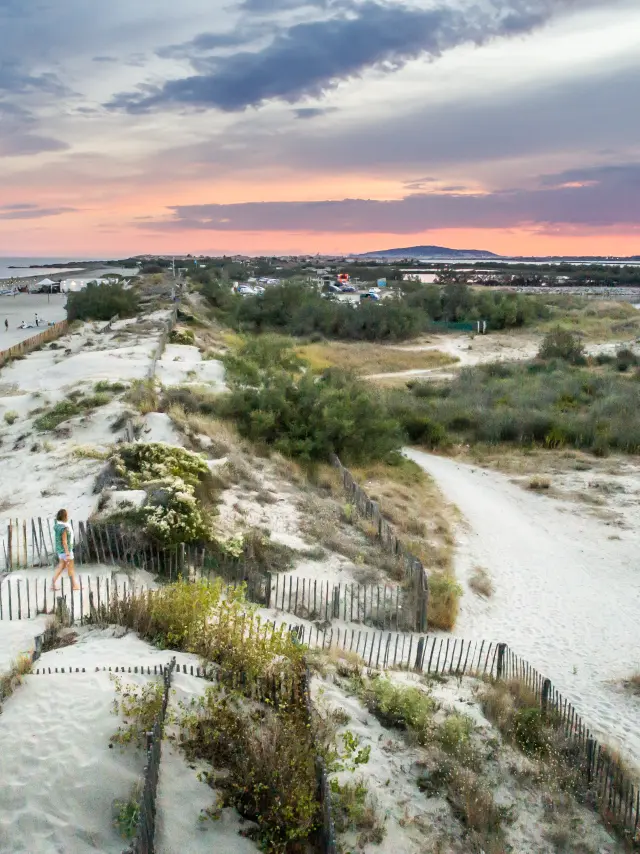
But Frontignan hides a treasure that connoisseurs pass on like a secret: LesAresquiers. Seven kilometres of unspoilt beach, five kilometres of which are car-free. Imagine walking for 20 to 30 minutes through the dunes, the noise of the town gradually fading behind you, replaced by the song of the cicadas and the murmur of the waves. The further you go, the more deserted the beach becomes. Families give way to couples, then to solitary walkers, and on certain stretches, to naturists who have found their Mediterranean haven here.

The Conservatoire du Littoral protects this exceptional area, designated a Natura 2000 site and a Wetland of International Importance. The dunes hold the sand in place, birds nest in the hollows, and you walk through a preserved landscape where nature is reclaiming its rightful place. On the sand, driftwood sculpted by the sea, pebbles polished over millennia, and in the air, that rare feeling of being alone before the vastness. The cycle path linking Vic-la-Gardiole to Frontignan offers a gentle approach to this natural sanctuary.

Dog owners will find what they’re looking for between access points 34 and 40 at Les Aresquiers, from 1 April to 30 September, a dedicated area where dogs on a lead are welcome. Bus routes 11 and 16 run to Frontignan-Plage from Sète, and a magnificent cycle path runs alongside the Étang d’Ingril, offering ever-changing views of the lagoon, harbour and forest.

Mèze, Bouzigues, Balaruc: the lagoon – a different way to enjoy a swim

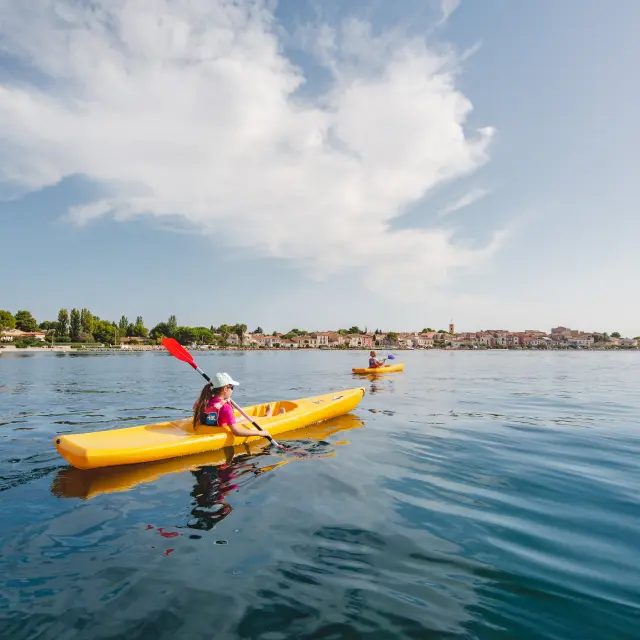
On the northern shore of the Thau Lagoon, a completely different experience awaits you. Here, there are no waves crashing onto the sand, but calm, crystal-clear water that is warmer than the sea thanks to the sun warming this shallow lagoon. Families with young children have made these beaches their own, where the little ones can splash about safely.

In Mèze, two beaches set the tone for seaside life. La Plagette, a small stretch of sand between the marina and the fishing port, has a charming village atmosphere. In summer, lifeguards are on duty, ice cream parlours and brasseries open their terraces, and the locals come to spend the evening by the water’s edge. La Plage du Taurus, near the Harbour Master’s Office, has been awarded the ‘Tourisme et Handicap’ label for all four types of disability. Here, the crystal-clear waters of the lagoon sometimes reveal spotted seahorses gliding amongst the Posidonia seagrass beds.

Bouzigues nurtures its shellfish-farming identity, which is both a culinary delight and a source of tranquillity. From Trémie Beach, you can swim with a view of the oyster beds dotting the lagoon—those floating tables where the pearls of the Mediterranean grow. The water here is of very high quality, certified by the Thau Basin Joint Authority, which carefully monitors this exceptional ecosystem.

Balaruc-les-Bains is well worth a visit for its exemplary commitment to accessibility. As France’s leading spa resort, it has been awarded the national ‘Destination for All’ label. Along the Georges Brassens promenade, a series of small beaches are lined with footpaths. But above all, Balaruc boasts the unique Audioplage system, which enables visually impaired people to swim independently thanks to audio guidance. A life-changing innovation that makes the Thau Archipelago a pioneer in the field of inclusion.

From May to September, a ferry service connects Sète to Mèze with seven return trips daily. This crossing of the lagoon offers a unique view of the Thau basin, its oyster beds and Mont Saint-Clair, which overlooks the area. A poetic way to reach the lagoon’s beaches from Sète.

Your Mediterranean summer starts here

The Blue Flag flies over many beaches in the Thau Archipelago as a symbol of pride. Renewed in 2025 for the 32nd consecutive year in Sète, this international label certifies not only the excellent quality of the bathing waters, but also responsible waste management, environmental education and the accessibility of the sites.The Regional Health Agency carries out regular analyses throughout the summer season, published in real time. The Thau Basin Joint Authority ensures constant monitoring of the lagoon and coordinates conservation efforts.

In 2025, the region reached a milestone by obtaining the Green Destinations Silver label, an international recognition that places the Thau Archipelago among the world’s most responsible tourist destinations. This distinction recognises years of commitment to sustainable tourism that preserves the lagoon’s exceptional biodiversity, its colonies of spotted seahorses, its populations of giant clams, and its dune areas where migratory birds nest.

Some beaches are home to protected sensitive natural areas. Le Jalabert in Sète remains off-limits to dogs and horses all year round to protect the migratory birds that nest there.

Les Aresquiers runs through a Natura 2000 site classified as a Wetland of International Importance, an ecological sanctuary where former salt marshes have been converted into a refuge for flora and fauna. The dunes bordering the Lido play a vital role in protecting the coastline from erosion. Information boards encourage visitors to use the designated paths so as not to trample the fragile vegetation that stabilises the sand and protects the coast.

Cycling along the waterfront Freedom regained

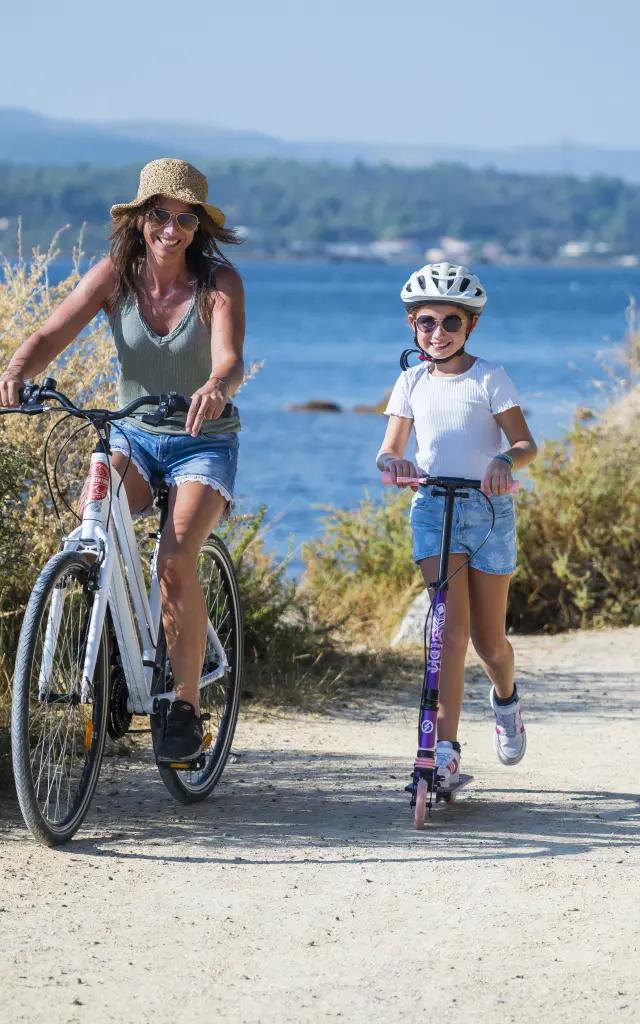
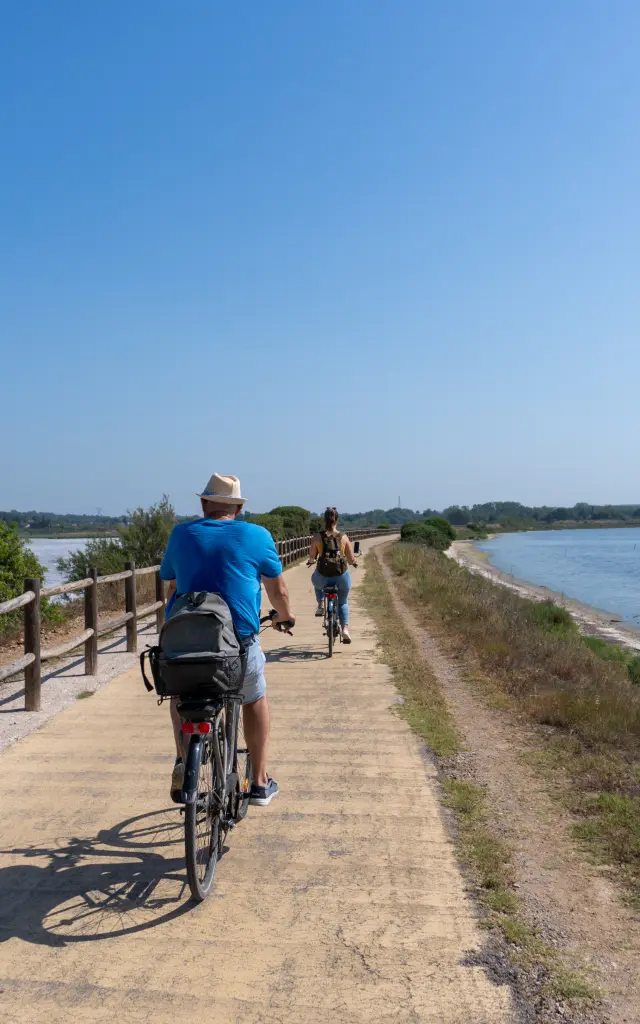
Forget traffic jams, the struggle to find a parking space, and the stress of a car heating up in the sun. The Thau Archipelago has developed a network of sustainable transport options that turns your journeys into moments of pleasure. The Lido Greenway stretches for 12 kilometres from Sète to Marseillan, a smooth tarmac ribbon where you cycle between the sea and the dunes without ever encountering a car. On one side, the deep blue of the Mediterranean; on the other, the golden hues of the dunes. The route starts at Port des Quilles in Sète and gradually moves away from built-up areas into unspoilt countryside before reaching Marseillan-Plage. Accessible from Sète station in under 20 minutes by bike, this greenway is the ideal way to explore all the beaches in a single day.

For longer cycle routes, the Thau Archipelago is crossed by three national cycle routes: ViaRhôna, the Canal des 2 Mers à vélo and La Méditerranée à vélo. These routes provide safe access to the beaches from inland. In Frontignan, a cycle path links the town centre to the beaches, running alongside the Ingril pond and offering ever-changing views of the lagoon, the harbour and the Aresquiers forest.

Your Mediterranean summer starts here

25 kilometres of beaches, dozens of stories waiting to be written. That’s what the Thau Archipelago has to offer: a seaside region where the Mediterranean meets the lagoon, where the wild meets the urban, and where every day sets its own pace. Fancy some waves and kitesurfing? Head to Sète. Looking for a lively family beach? Marseillan welcomes you with open arms. Got young children? The lagoon beaches at Mèze or Balaruc are perfect for you.

The Blue Flag flying over our beaches and the Silver Green Destinations certification achieved in 2025 are not just awards. They are concrete commitments: excellent water quality, continuously monitored, protected natural areas, exemplary accessibility for all, and well-developed sustainable transport. Swimming in the Thau Archipelago means choosing a region that has made environmental conservation a priority, without ever compromising on enjoyment and authenticity.

Plan your family holiday now and discover a region where 320 days of sunshine a year combine with crystal-clear waters, activities for all ages and exceptional seafood cuisine. The beaches of the Thau Archipelago await you, ready to create the most beautiful memories of your summer.

Your questions about the beaches of the Thau Archipelago

Going further...