©

WINE TOURISM

|

K_PROSNIER_OT-THAU

Wine-growing in the Thau Archipelago

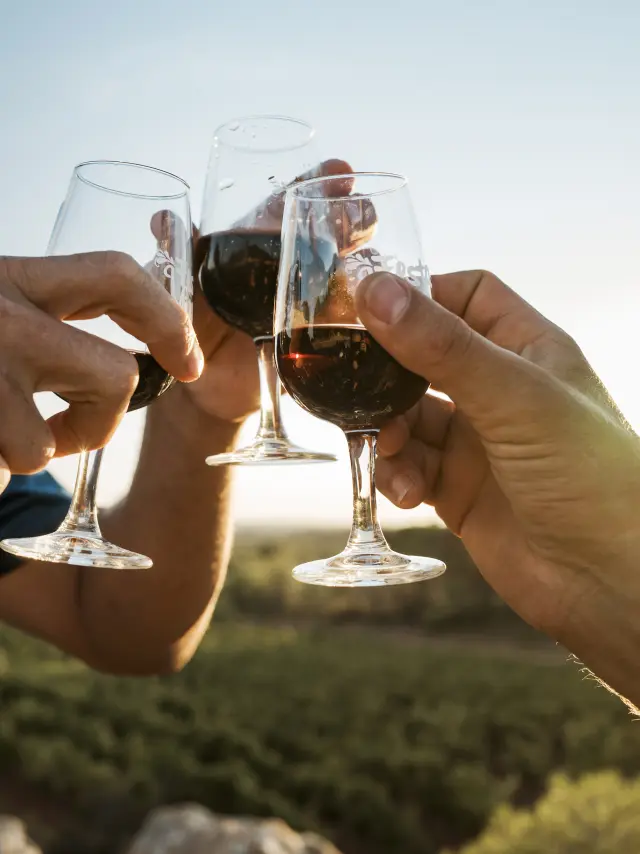
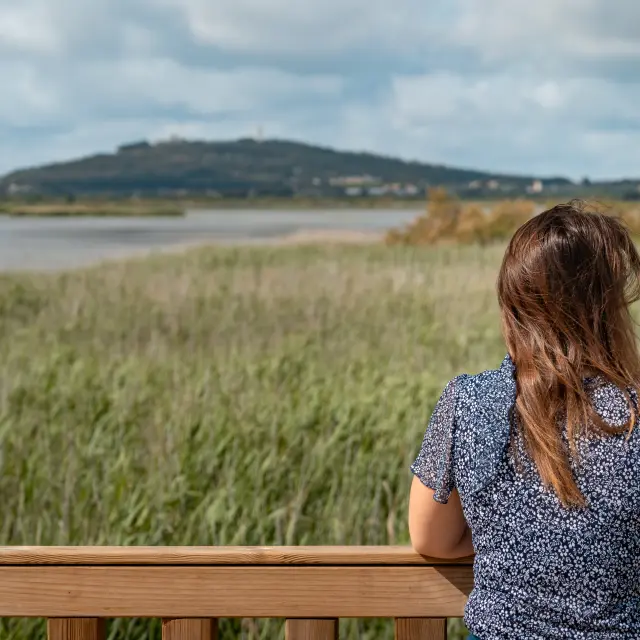
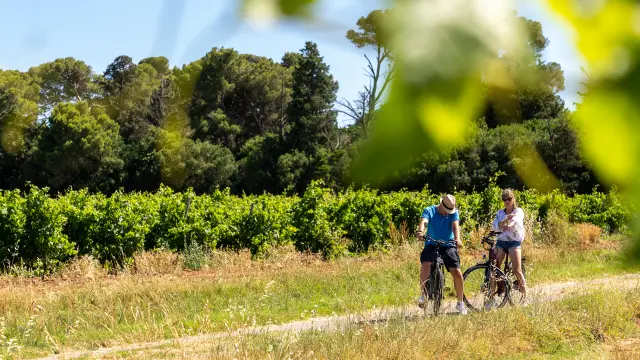
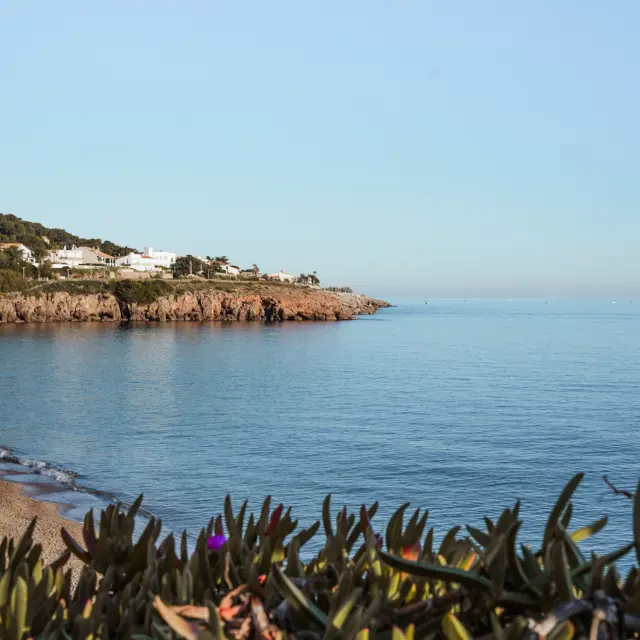
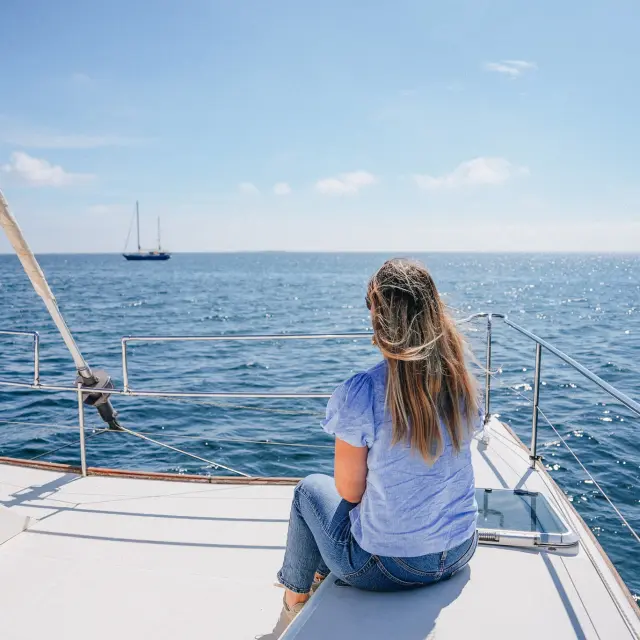
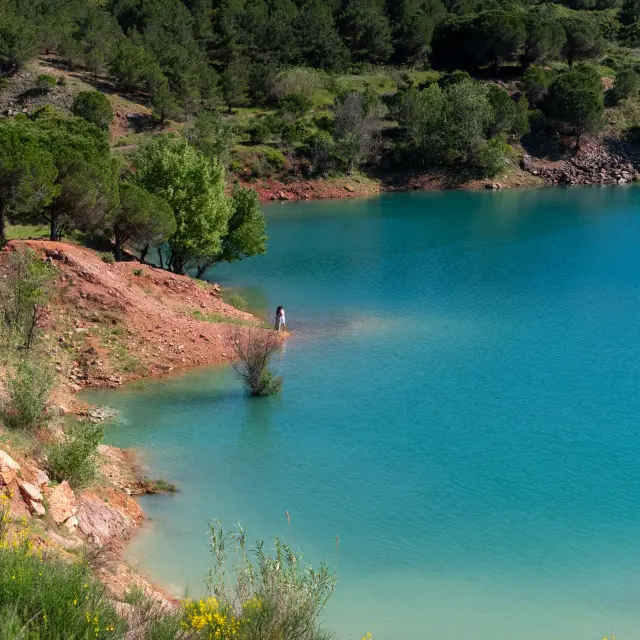
In its early days, the Thau Archipelago was a cluster of small wine-growing villages that have stood the test of time, driving the region’s development. Our wines are now a recognised symbol of the local cuisine. With 3,478 hectares of vineyards and around twenty estates bearing the Vignobles & Découvertes label, a journey through ponds, scrubland, the sea and vineyards unfolds as you follow the paths of the Archipelago.

A symbol of history

The Thau Archipelago, with its varied soils and mild maritime climate, has been a wine-growing region for over 2,000 years. From ancient times onwards, first the Greeks and then the Romans recognised the potential of this terroir, bordered by the sea and bathed in sunshine. The Greeks brought the first vines here in the 6th century BC, but it was the Romans who shaped viticulture, built vineyards and developed a thriving trade. Transported in amphorae, the wine produced was then shipped from the small ports of Loupian and Mèze to Rome.

As you explore the archipelago, the Gallo-Roman Villa Museum in Loupian takes you on a journey through this pivotal period in the history of wine-making. Its archaeological site accurately recreates the agricultural estate built during the Roman Empire, where you can admire its polychrome mosaics, listed as a Historic Monument.

The vineyards have thus endured through the centuries, wars and invasions. In the Middle Ages, the monasteries preserved and revived local winegrowing around the Thau lagoon. The small wine-growing villages continued their trade, which intensified in modern times with the creation of new routes and, above all, the port of Sète, which would become the world’s leading port for cooperage.

Today, the region’s winegrowers carry on this age-old tradition, and the vineyards continue to grace the horizon.
A staple of the local cuisine

The Thau basin, situated in the famous Languedoc wine region, is a coastal area that produces wines with unique characteristics. The Mediterranean climate, with its dry summers and mild winters, and the proximity of the vineyards to the lagoon give rise to fresh, briny and distinctive wines that pair perfectly with the local cuisine.

In Mèze, to the north of the lagoon and as far as Pézenas, discover Picpoul de Pinet, one of the oldest grape varieties in the Languedoc. A dry, single-varietal white wine, it is best enjoyed with seafood, oysters and mussels from our local producers.

If you venture further east, you’ll find the famous Muscat de Frontignan in the vineyards between Sète and Mireval. A naturally sweet wine characteristic of our unique environment which, according to connoisseurs, goes well with everything that’s good!

Côtes de Thau, Muscat de Frontignan, IGP Pays d’Oc, AOP Languedoc, AOC Picpoul de Pinet… Here, the winemakers are setting the standard for excellence in wine, with 46 medals to their name this year.

The guest of honour at the celebrations

When summer arrives, Muscat and Picpoul come to you. Every Thursday throughout the summer, the Estivales de Thau bring the region to life, from Balaruc-le-Vieux to Poussan, with evenings celebrating local hospitality and our regional produce. Not to be missed!

Imagine a balmy summer evening, enjoying a glass of Muscat and a good film screened in an open-air cinema, in the heart of an exceptional vineyard: Mas Rouge, Domaine de la Plaine or Château de Stony. Idyllic, isn’t it? See you in July and August for the Emmuscades in Frontignan.

Its true moment of glory is undoubtedly the Muscat Festival, which returns every year to bring the town centre to life. For two days, producers, artisans and traders invite you to discover all the flavours of Muscat: dry, sweet or sparkling, white, red, rosé or even orange – it never ceases to surprise.

Wine tourism in the Thau Archipelago

As the first destination in the Hérault region to be awarded the Vignobles & Découvertes label, the wine estates welcome you from all corners of the Thau Archipelago to introduce you to their history, expertise, landscape and the secrets of their wine…

Valmagne Abbey

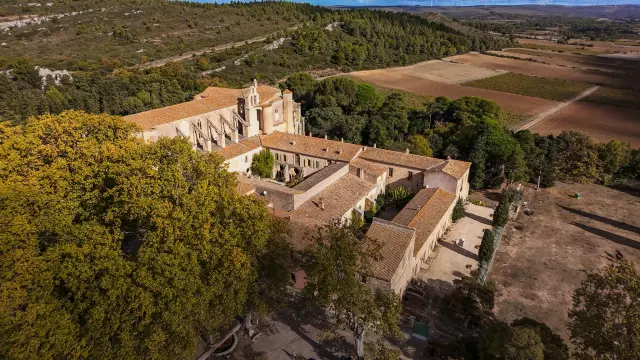
In Villeveyrac, the monumental Valmagne Abbey stands amidst the countryside, a Cistercian gem that bears witness to 900 years of history.

Built in the heart of a thousand-year-old vineyard, it is in this unique setting that a beautifully diverse range of wines is produced, paying tribute to eight generations of winegrowers. Guided tours, tastings, concerts, workshops and exhibitions await visitors from April to September.

Noilly Prat

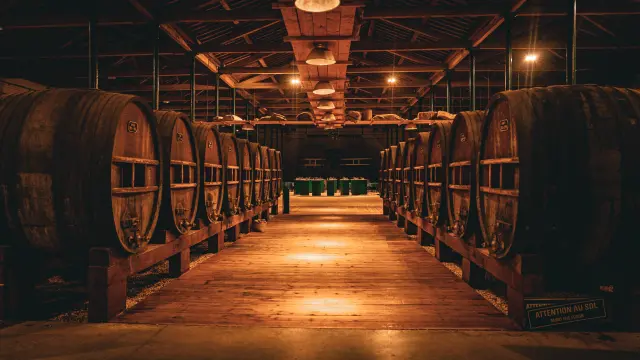
No one envies you more than James Bond the moment you step inside the home of the oldest – and surely the most famous – of vermouths. To the west of the Thau lagoon, right in the heart of Marseillan, the elegant Maison Noilly Prat opens its doors to share its history and expertise with you. From brunches and theatrical experiences to film nights and blending workshops, Noilly Prat is as much about the experience as it is about the taste.

Immersion At the heart of winegrowing

A digital tour of the spectacular circular wine cellar at Richemer in Marseillan, creating your own personalised wine at Domaine de Belle Mare in Mèze, or discovering traditional methods and organic farming at Clos de Miège in Vic-la-Gardiole…

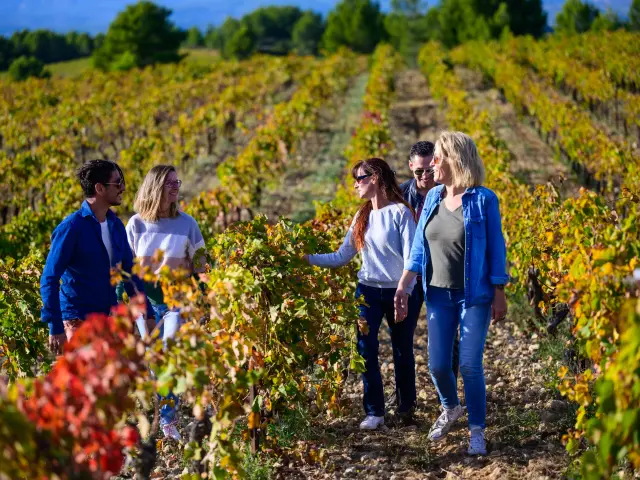
Whether you’re a professional, an enthusiast or simply curious, the Archipelago’s passionate producers are committed to helping you discover viticulture in a whole new light. And for a truly immersive experience, some estates, such as the Domaine de Saint-André in Mèze, even offer the chance to stay amidst the vineyards.