©

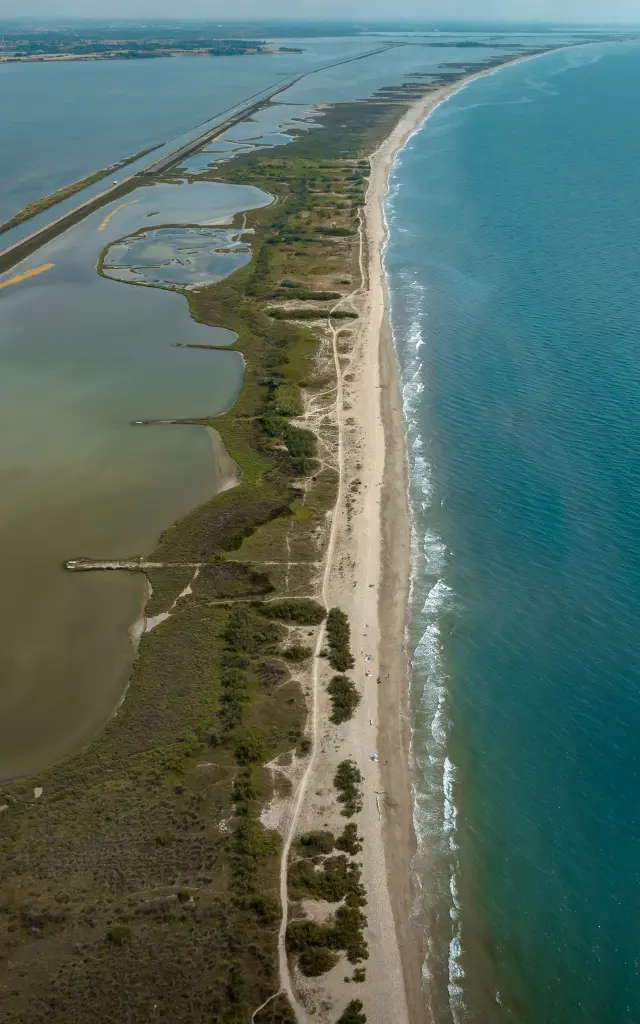
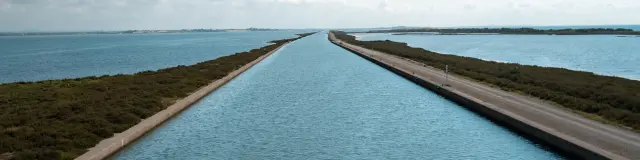
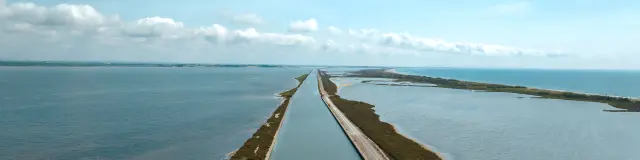
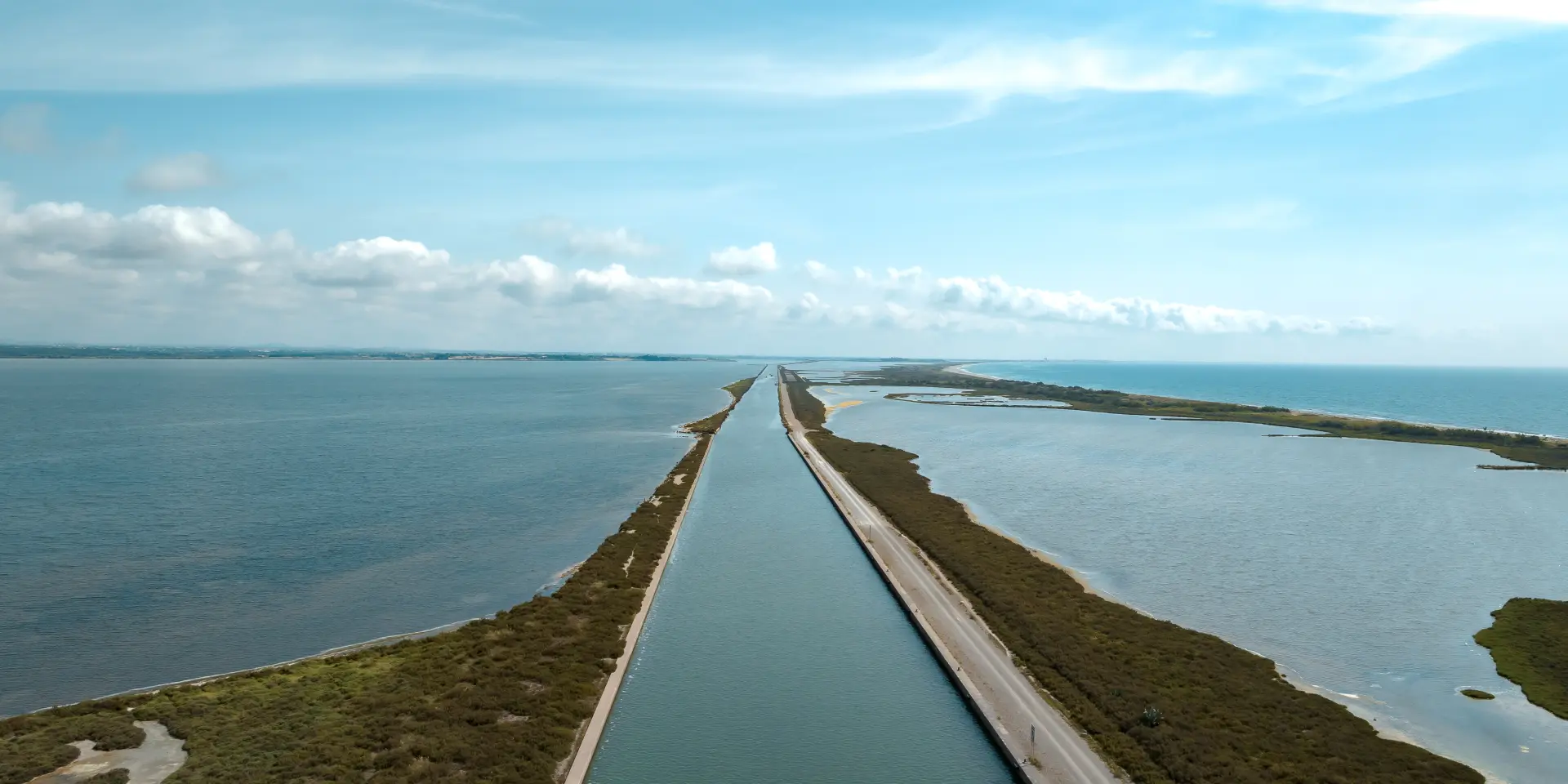
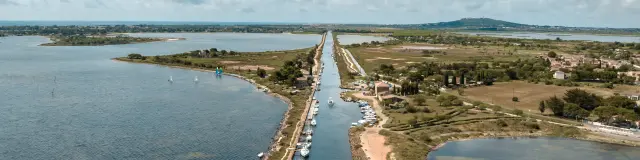
Rhône Canal at Sète, Les Aresquiers

|

S. Ceron_OT Thau

Discover the Thau Archipelago via the Rhône Canal in Sète

Stretching between the Rhône and the Mediterranean, the Rhône-Sète Canal offers a 65-kilometre journey of exceptional beauty through some of the wildest and most unspoilt landscapes of the Occitan coast. The Camargue in the Gard, the Palavasian ponds, the Thau lagoon, the medieval town of Aigues-Mortes, the bustling port of Sète: every kilometre travelled reveals a new scene, set against a backdrop of land, water and the Mediterranean sky.

Whether you’re on board a houseboat, in a kayak or on a bike, this canal opens the doors to the Thau Archipelago and its natural, cultural and gastronomic treasures. A unique river destination in France, where in a single day you can journey from the reed beds of the Camargue to the shellfish restaurants of the Thau lagoon.

The history of the Rhône-Sète Canal

The Rhône-Sète Canal links the River Rhône, the Mediterranean lagoons, Sète and the Thau Lagoon. The canal is part of a long-standing tradition of water management and navigation in a region of marshes and ponds.

The canal as we know it today was gradually developed to meet economic, hydraulic and strategic needs. The aim was not only to facilitate commercial navigation between the port of Sète and the Rhône, but also to protect the population from flooding and to ensure the transfer of fresh water to the Camargue in the Gard, an agricultural and natural area of exceptional richness.

Now managed by Voies navigables de France (VNF), VNF presents the Rhône Canal to Sète as a river tourism destination strongly characterised by Mediterranean landscapes. The canal passes through varied landscapes of lagoons, wetlands and port towns, before reaching the Étang de Thau and opening out onto the port of Sète.
An interesting fact:
The Rhône Canal at Sète is not just used for recreational boating. It plays a vital role in the water cycle by supplying fresh water to the wetlands of the Camargue in the Gard region, thereby contributing to the ecological balance of one of Europe’s most remarkable deltas.
The Rhône-Sète Canal in figures

The Rhône-Sète Canal stretches for 65 km along its main route, from the Saint-Gilles lock to the port of Sète and the Thau lagoon. In addition to this main route, there are 45 km of secondary branches serving Beaucaire, Aigues-Mortes, Frontignan and Sète.

The canal crosses two departments, the Gard and the Hérault, and links together iconic natural and urban sites along the Mediterranean coast: the Gard Camargue, the Palavasian lagoons, the Thau lagoon, and the charming towns of Aigues-Mortes, Frontignan and Sète.

To gauge the popularity of this route with tourists, one figure suffices: every year, more than 4,000 pleasure boats pass under the Frontignan lift bridge, demonstrating the canal’s growing appeal to boaters from across Europe.

Source: VNF – Voies navigables de France 

Engineering structures not to be missed

All along the Rhône-Sète Canal, remarkable hydraulic structures punctuate the waterway and bear witness to centuries of human ingenuity in the face of the Mediterranean’s capricious nature.

Among them, the Vidourle sluice gates exemplify the canal’s hydraulic engineering. Built in 1828 to protect the canal from the floods of the Vidourle, a coastal river feared for its ferocity, these gates were successively enlarged in 1935, 1957 and 1993 to adapt to changes in river traffic and the demands of flood management. Passing through them, one can almost touch nearly two centuries of hydraulic expertise.

Near Aigues-Mortes, the Carbonière Tower offers a striking contrast to the calm waters of the canal and the surrounding reed beds.

Source: VNF – Voies navigables de France 

The Camargue in the Gard, the wild heart of the canal

Between Saint-Gilles and Aigues-Mortes, the Gard region of the Camargue is one of the major landscapes highlighted along the canal. The canal winds its way through landscapes of reed beds, lagoons and traditional livestock farming.

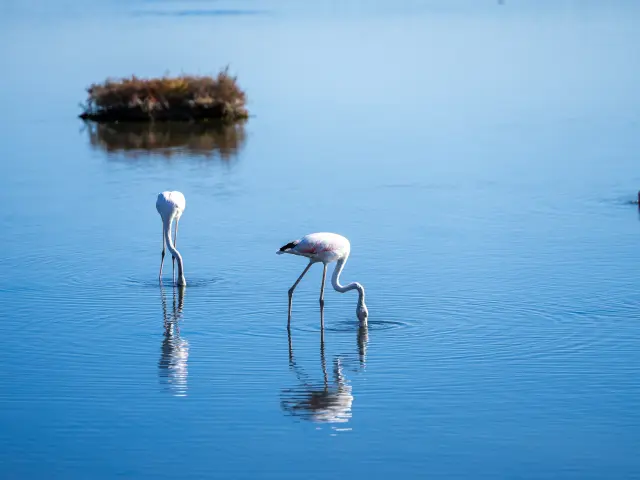
At the heart of this region, the Scamandre bird sanctuary offers an exceptional refuge for hundreds of species of migratory and resident birds. An unmissable stop for nature and birdwatching enthusiasts. Nearby, the Camargue rice fields add an unexpected touch to the landscape, reflecting the agricultural diversity of this amphibious land.

The medieval fortified town of Aigues-Mortes, accessible from the canal via its secondary branch, is an unmissable stop. Its intact 13th-century ramparts, lively narrow streets and salt marshes with their pink hues create a unique scene, halfway between history and nature.

Frontignan The gateway to the Thau Archipelago

At the gateway to the Thau Archipelago, Frontignan marks the transition from the canal proper to the opening onto the Thau Lagoon. It is here that the canal takes on a more maritime feel, the air becomes filled with the scents of the nearby Mediterranean, and the number of boats begins to increase.

The Frontignan lift bridge is a major crossing point for pleasure boats. With over 4,000 boats a year, this nautical crossroads perfectly illustrates the canal’s role as a route of great discovery. Hotel barges, licence-free houseboats, sailing boats en route to the open sea: all forms of river and sea recreation can be found here.

Sète, the gateway to the Mediterranean

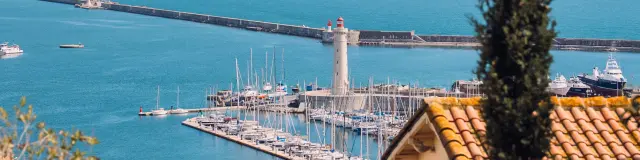
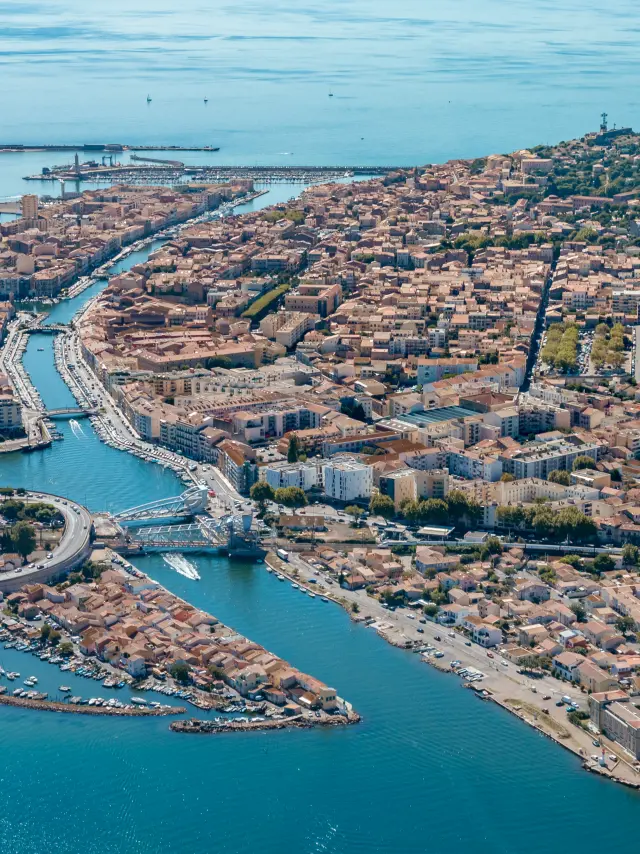
The canal flows into the Thau lagoon before opening out onto the port of Sète, known as the ‘Singulière’. After 65 km of sailing through land, ponds and lagoons, this arrival feels like a revelation: you move from a world of canals and reed beds to a bustling harbour area, surrounded by the sea and the lagoon.

Sète has always been a lively, down-to-earth and authentic town. Its colourful quays, Mont Saint-Clair offering panoramic views stretching as far as the Pyrenees, and its fishing harbour right in the town centre make it a destination in its own right.

Marinas and mooring points

After leaving the waters of the canal and reaching the Thau Lagoon, a fine selection of ports and mooring spots awaits sailors, offering them the chance to moor and discover the treasures of the Thau Archipelago:

Each port is an invitation to stop, stroll through the village streets, share a plate of seafood with your feet in the water, or simply watch the sun set over the lagoon.

When you arrive at the Thau lagoon, take the time to stop off at our ports and discover the treasures of the Thau Archipelago.

Cycling along the Rhône-Sète Canal

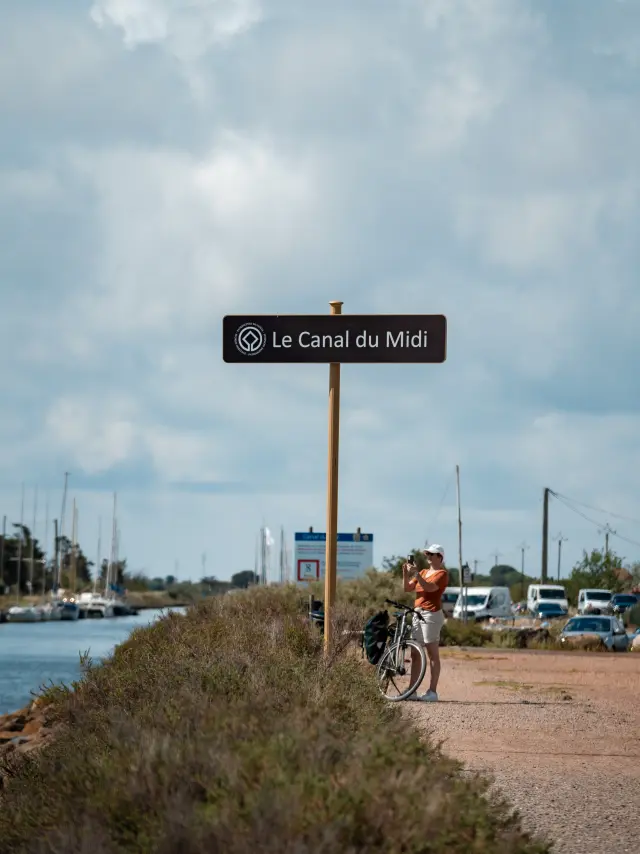
For those who prefer cycling to sailing, the Rhône-Sète Canal is flanked by several major cycle routes:

The ViaRhôna(EuroVelo 17), which links Geneva to the Mediterranean by following the Rhône, continues along the canal as far as the Étang de Thau.

EuroVelo 8 (Cycling the Mediterranean) follows part of the route to link Spain to Greece along the Mediterranean coast.

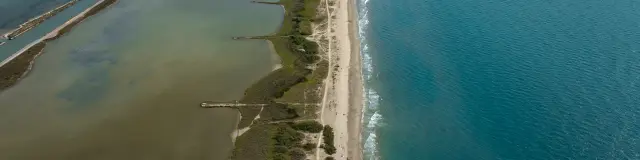
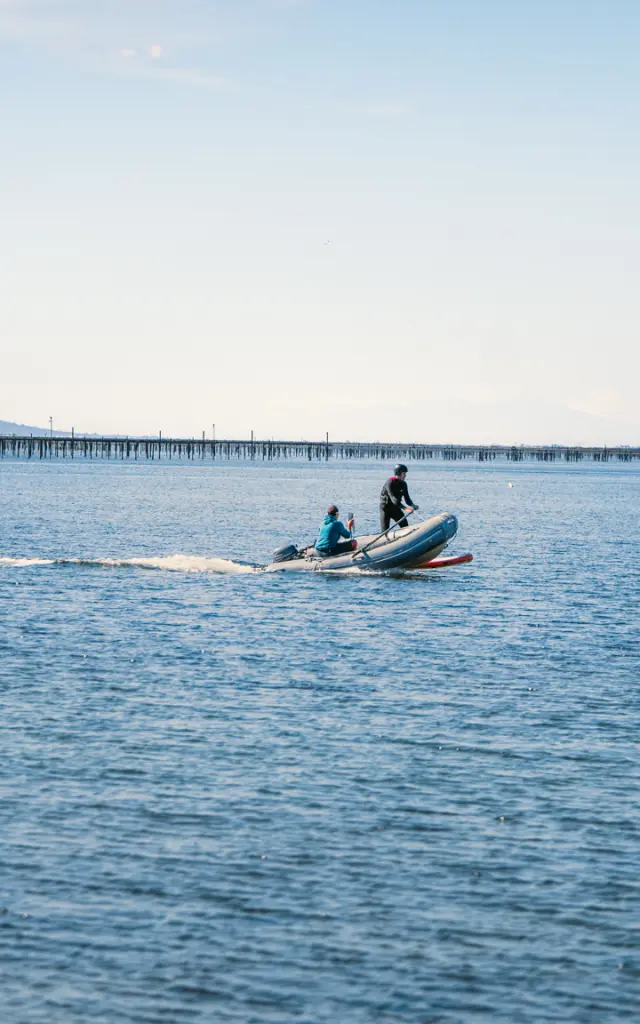
To make sure you don’t miss a thing in the Thau Archipelago, we recommend mooring your houseboat in one of our ports and setting off by bike to explore the banks of the Thau lagoon, the Lido beaches between Sète and Marseillan, the shellfish farms between Bouzigues and Mèze, and the vineyards of Frontignan.

Browsing tips

Before setting sail on the Rhône Canal at Sète, we recommend that you consult the practical navigation information directly on the VNF website to familiarise yourself with the access conditions, locks and regulations in force.

Navigation on the Thau Lagoon is subject to specific regulations. You will find all the necessary information on the Hérault Prefecture’s website.

Eco-friendly river practices

Choosing the Rhône Canal in Sète for your holiday means opting for a gentle, eco-friendly way to explore. But this exceptional area – the Gard Camargue, the Palavasian ponds and the Thau lagoon – remains fragile and deserves to be protected by each and every one of us.

Whether you’re on board a houseboat, in a kayak or on a bike, simple actions make all the difference: managing grey and black water on board, using biodegradable products, observing speed limits on the Thau Lagoon to avoid damaging the shellfish beds, and preserving the natural banks.