©

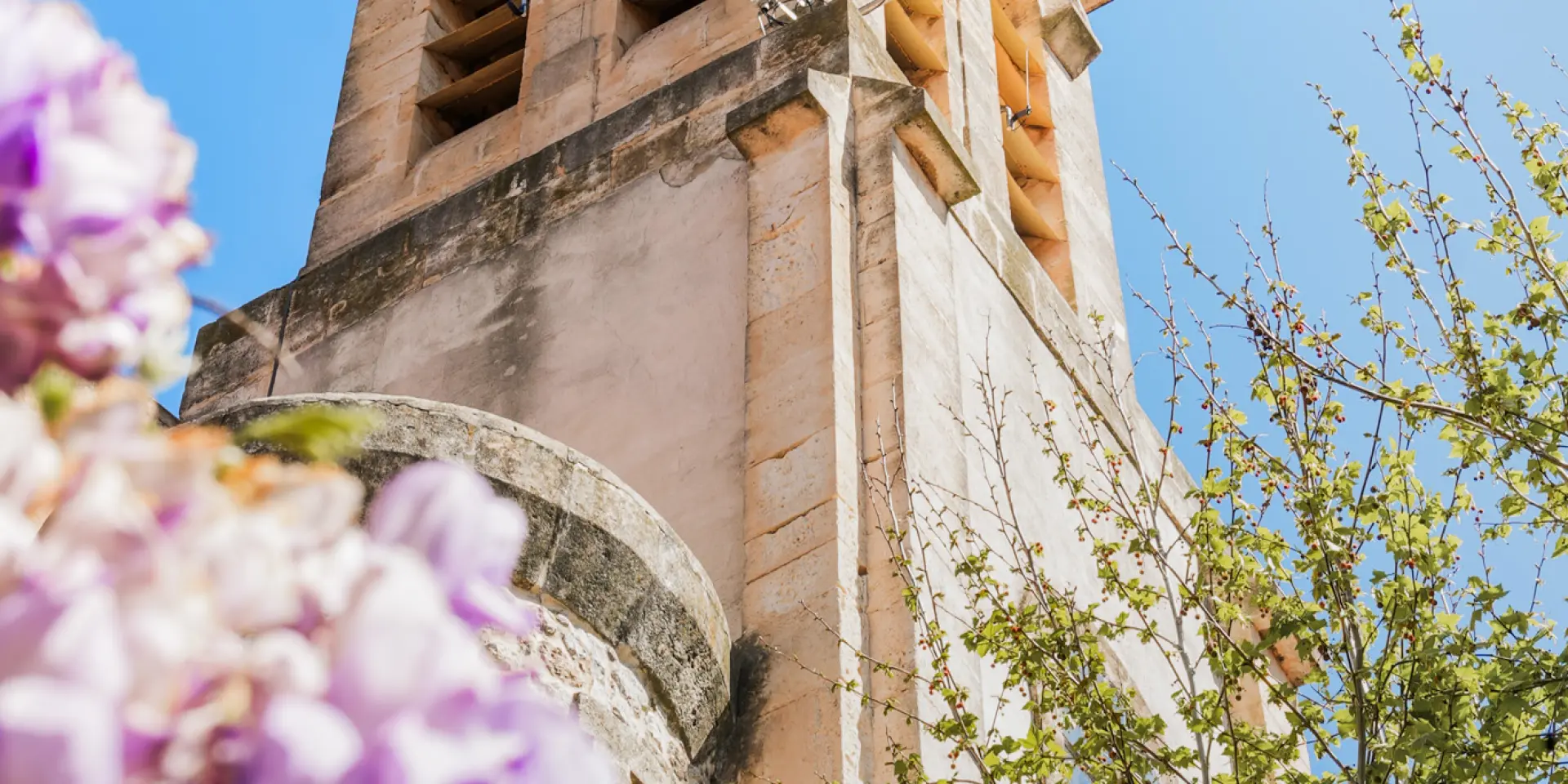
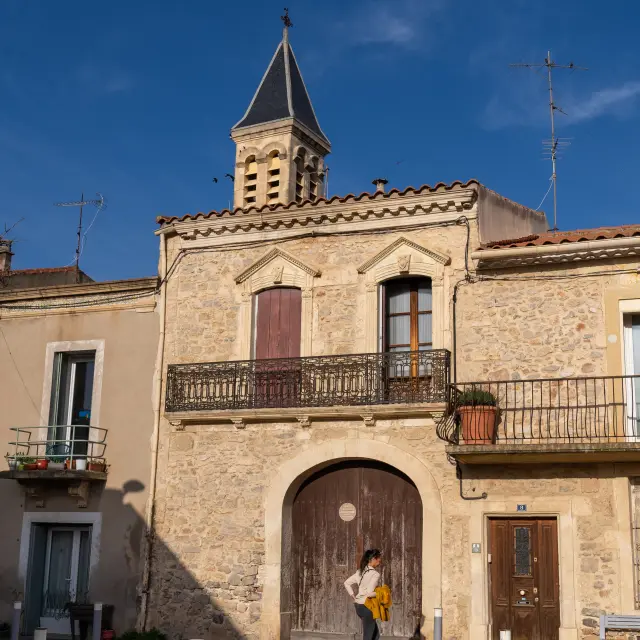
Church of Sainte-Eulalie in Mireval

|

S_GRANDJEAN_OT-THAU

Mireval’s must-sees

Perched at the foot of the Gardiole massif, Mireval certainly lives up to its name: ‘the one that gazes upon the valley’. And what a valley! From the heights of the old village, the view plunges down onto a sea of vineyards that undulate all the way to the Mediterranean. This village of over 3,000 inhabitants tells a thousand-year-old story carved in stone: solid ramparts, fortified gates that have seen the centuries pass, narrow streets where the footsteps of the lords of Montpellier still echo—they chose this strategic location in the 12th century to build a stronghold.

But the clamour of battle has long since fallen silent in Mireval. Today, it is the cheerful clinking of glasses of Muscat that sets the pace of village life. This golden nectar, celebrated since the 16th century and found on the tables of the most distinguished, has built the international reputation of this small Languedoc village. Nestled between Montpellier and Sète, between the Gardiole massif and the Mediterranean coast, Mireval weaves this perfect alchemy where medieval stone and golden vines create an authentic picture inthe Thau Archipelago. 

The medieval village A journey through time

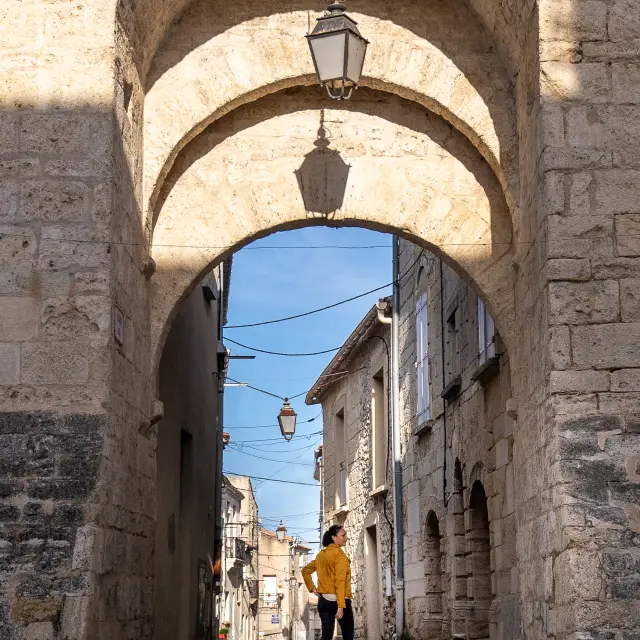
Pass under the arch of the Montpellier Gate, where the Grand’Rue begins, backing onto the castle church which once formed part of the fortifications. You have just passed through the southern entrance to old Mireval, the one used by travellers coming from Montpellier. On the opposite side, the Porte d’Amont stands imposing, strangely merged with a house that has swallowed up a section of the rampart, its staircase leading up to the old walkway. Between these two gates lies the historic centre, laid out in a ‘circulade’ – that spiral architecture so typical of the Languedoc, where the houses wrap around the church as if to protect it.
 Art overlooking the Mediterranean

As you wander through the town, the remains of the ramparts appear where you least expect them: incorporated into a façade, serving as a load-bearing wall for a 17th-century house, or transformed into a panoramic terrace. These thousand-year-old stones bear witness to an era when Mireval barred access to the lands of the lords of Montpellier. Today, only tourists peacefully fill these narrow streets where the pale stone catches the light, where colourful shutters dot the façades, and where shaded squares invite you to take a break on a terrace.

Climb up to the highest points of the village. The view is well worth the effort: the vineyards cascade in tight rows towards the horizon, the Mediterranean traces its blue line when the sky is clear, and the Gardiole massif blocks the north with its ridge. That distinctive Languedoc light, which has inspired so many painters, brings every element of the landscape to life. Mireval is a village to be earned, and this climb up its steep, narrow streets is part of its charm.

Mireval Muscat When the sun turns into nectar

The love affair between Mireval and Muscat dates back to 1122, the year in which the first written records of its existence appear. Four centuries later, François Rabelais, a doctor in Montpellier between writing novels, was already praising ‘the fine wines of Mirevaux’, which he found so enjoyable in good company. His colleague Guy de Chauliac even attributed therapeutic properties to them. This reputation endured through the centuries until it received official recognition: the Muscat de Mireval AOC was established in 1959, acknowledging a tradition of expertise.

The vineyard stretches across 270 hectares shared between Mireval and Vic-la-Gardiole, nestled between the Gardiole massif, which shields it from the cold northerly winds, and the lakes that lend it that distinctive maritime influence. The vines cling to the south-east-facing slopes, planted in clay-limestone soils enriched with scree and covered in red clay. It is this soil, this climate, and this wind—slightly stronger than in Frontignan—that give Mireval’s Muscat its unique identity, instantly recognisable to connoisseurs.

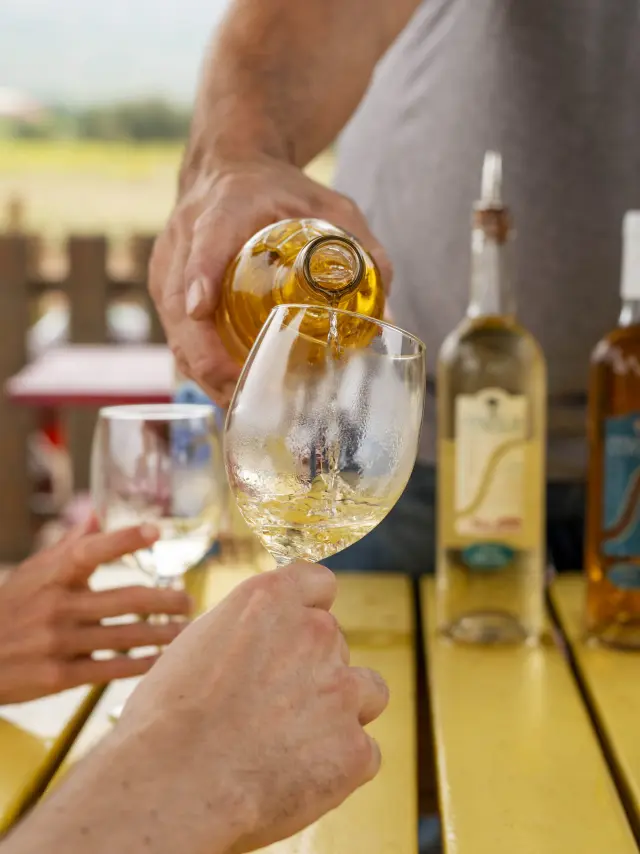
The Muscat Blanc à Petits Grains grape variety reigns supreme. Harvested at perfect ripeness, it undergoes the magic of fortification: fermentation is halted by adding neutral alcohol, thus trapping the natural sugars and the aromatic explosion of the grape. A fascinating sensory palette then unfolds in your glass: a clear, brilliant colour; an intoxicating nose of acacia and lime blossom, crushed rose petals, followed by the arrival of fruit notes such as ripe apricot, fresh lemon and exotic fruits. On the palate, the balance is a delicate tightrope walk between creamy smoothness and invigorating freshness – that tension which is the hallmark of great Muscats.

Meet the local winemakers

The Rabelais Winery, a cooperative founded in 1961, carries on the collective work of many winegrowers. But it is perhaps the independent estates that best reveal the soul of the terroir. The Domaine de la Belle Dame has been cultivating its vines organically for over two decades. Jean-Luc Mazas, who took over the reins in 1996, welcomes you like a friend, shares his love of the vines and introduces you to vintages with poetic names: ‘Verte printanière’, ‘Irrésistible Baiser’.

Other winemakers, such as those at Mas Rouge in Vic or the Mas de Jacquet estate, produce Muscats that are regularly praised in the guides. They open their cellars, reveal the secrets of fortification, and explain why one vintage differs from the next. And above all, they let you taste them. Muscat de Mireval pairs divinely with foie gras, enhances fruit-based desserts, or can be enjoyed on its own as an aperitif whilst the sun sets over the vineyards. Every glass captures the light and warmth of the Languedoc.

Nature and hiking When geology shapes the landscape

Beyond the vineyards and ramparts, Mireval opens up to remarkable natural landscapes where geology has shaped spectacular features. Amidst dolomite cirques, garrigue-covered hills and Mediterranean pine forests, the trails reveal a diversity of natural habitats concentrated within a few square kilometres.

Le Creux de Miège A natural amphitheatre that feels like the end of the world

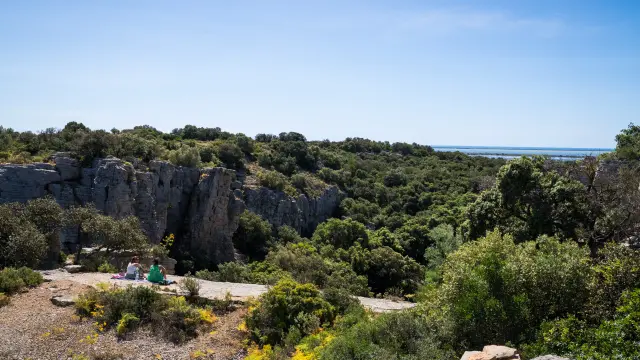
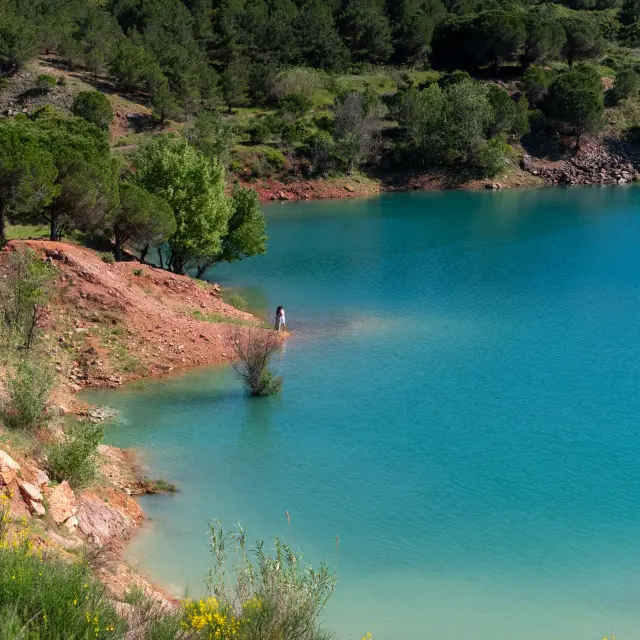
Just beyond the village, an impressive geological feature lies hidden within the scrubland. The Creux de Miège unfolds its amphitheatre of dolomitic limestone cliffs, 20 to 30 metres high, plunging into a natural hollow where the vegetation changes dramatically. At the heart of this rocky chaos, a spring fed by waters from the Gardiole massif fills a small pond surrounded by reeds and trees, creating an unexpected microclimate amidst the dry scrubland.

Designated a Biotope Protection Area in 2014 by prefectural decree, this 33-hectare site is home to rare and protected species. The Eurasian eagle-owl and the blue rock thrush nest on the vertiginous cliffs, whilst the sea lavatera, a threatened plant species, clings to the limestone crevices. These cliffs also conceal cavities that served as shelters for tribes during the Chalcolithic period 6,000 years ago, and later as burial sites. A hydrogeological and archaeological curiosity that makes this cirque a veritable open book on the geological and human history of the region.

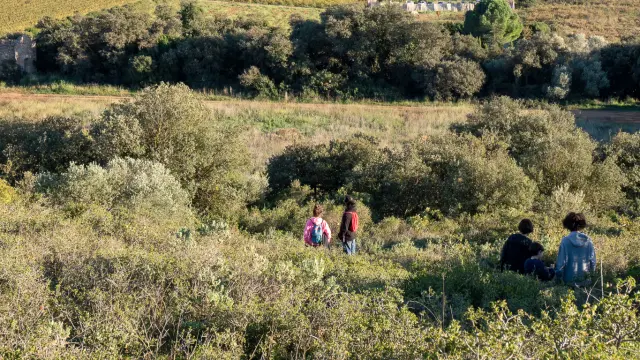
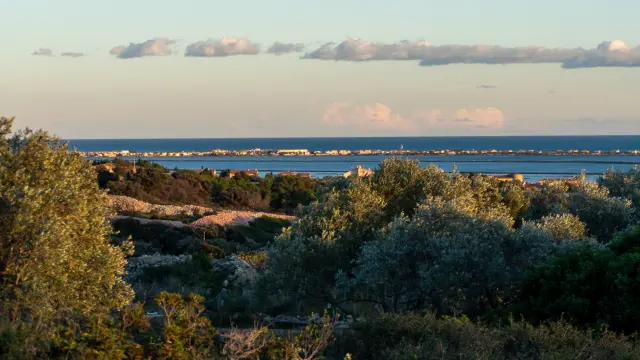
The walk leading to the Creux de Miège winds through woods and scrubland along a wide path suitable for all abilities. Halfway along, a natural viewpoint offers a bird’s-eye view of the cliffs and, in the distance, the glistening sea. The path then narrows and becomes steeper before running alongside wild vines. From the top of the cliffs, the view is breathtaking: the rocks plunge into the chasm where you can make out lush vegetation that is completely different from the surrounding scrubland. Allow an hour to complete the full circuit and enjoy the various viewpoints. Please note: it is not advisable to approach the edge of the cliffs or stray from the marked path. Climbing on the cliffs is also prohibited.

The Gardiole massif Panoramic views of the lagoon and the sea

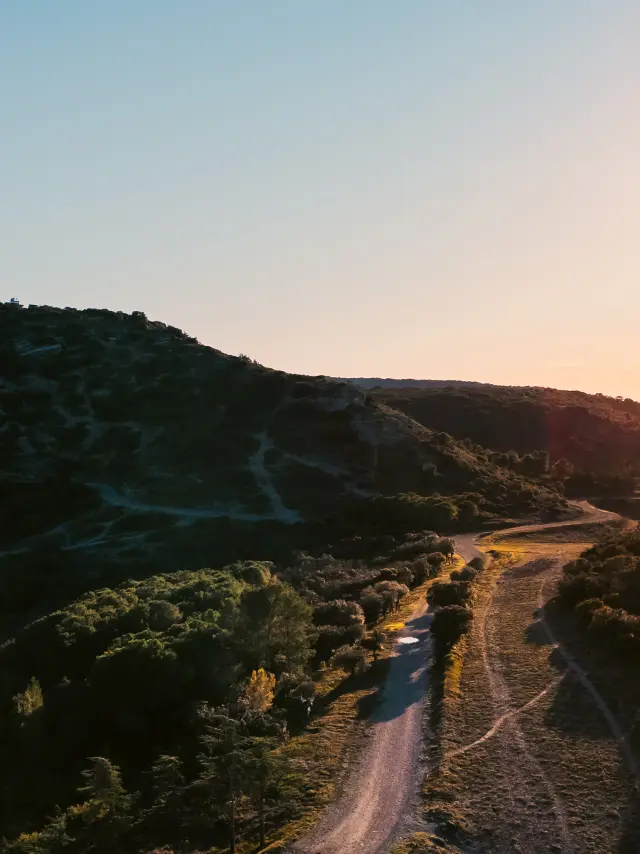
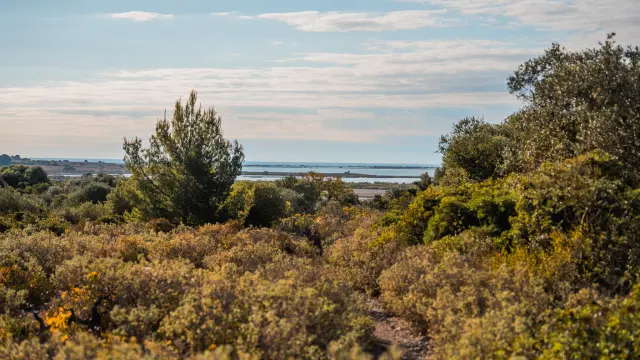
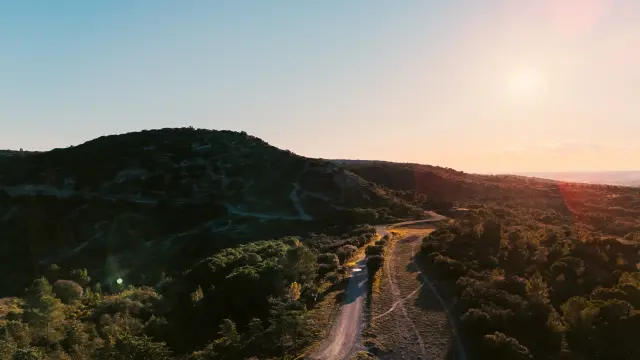
To the north of Mireval, the Gardiole massif cuts across the horizon with its ridge line. Several marked trails wind through this fragrant garrigue, where kermes oaks, rockroses and rosemary fill the warm air with their scent. These walks, ranging in difficulty, reward your efforts with magnificent views: the Thau lagoon glistening in the sun, Mont Saint-Clair de Sète dominating the seascape, and on a clear day, the Mediterranean stretching to the horizon.

The trails offer a variety of loops to suit your fitness level and preferences. The ground crunches beneath your feet, the song of the cicadas sets the pace for your walk, and at every turn a new vista of the landscape unfolds. These modest yet panoramic heights make it clear why the lords of Montpellier chose Mireval as a strategic stronghold: from here, you can see everything, you control everything.

Mireval The spirit of Languedoc, nestled between stone and vine

Set amidst medieval ramparts and golden vineyards, Mireval retains a rare sense of authenticity in the Thau Archipelago. This village has managed to preserve its fortified character, its cobbled streets and its centuries-old gates, whilst upholding a winemaking tradition dating back to the 12th century. Muscat de Mireval, this internationally renowned naturally sweet wine, continues to delight the palate and tell the story of an exceptional terroir.

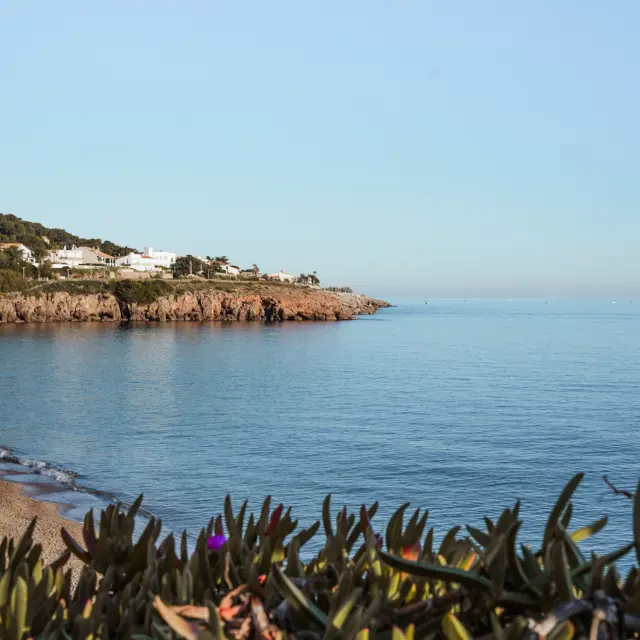
Nestled at the foot of the Gardiole massif, a stone’s throw from the Mediterranean beaches and the Thau lagoon, Mireval offers the perfect blend of historical heritage, winemaking expertise and unspoilt nature. Here, you can stroll through a medieval village in the morning, enjoy a glass of golden Muscat at lunchtime overlooking the vineyards, go for a walk in the Aresquiers woods in the afternoon, and swim in the Mediterranean in the evening. Few places combine history, local character and the simple pleasures of Mediterranean life with such harmony.

Can we visit the wine cellars in Muscat, Mireval?