©

microlight

|

F_AMBROSINO_OT-THAU

The must-sees in Sète

Watch video

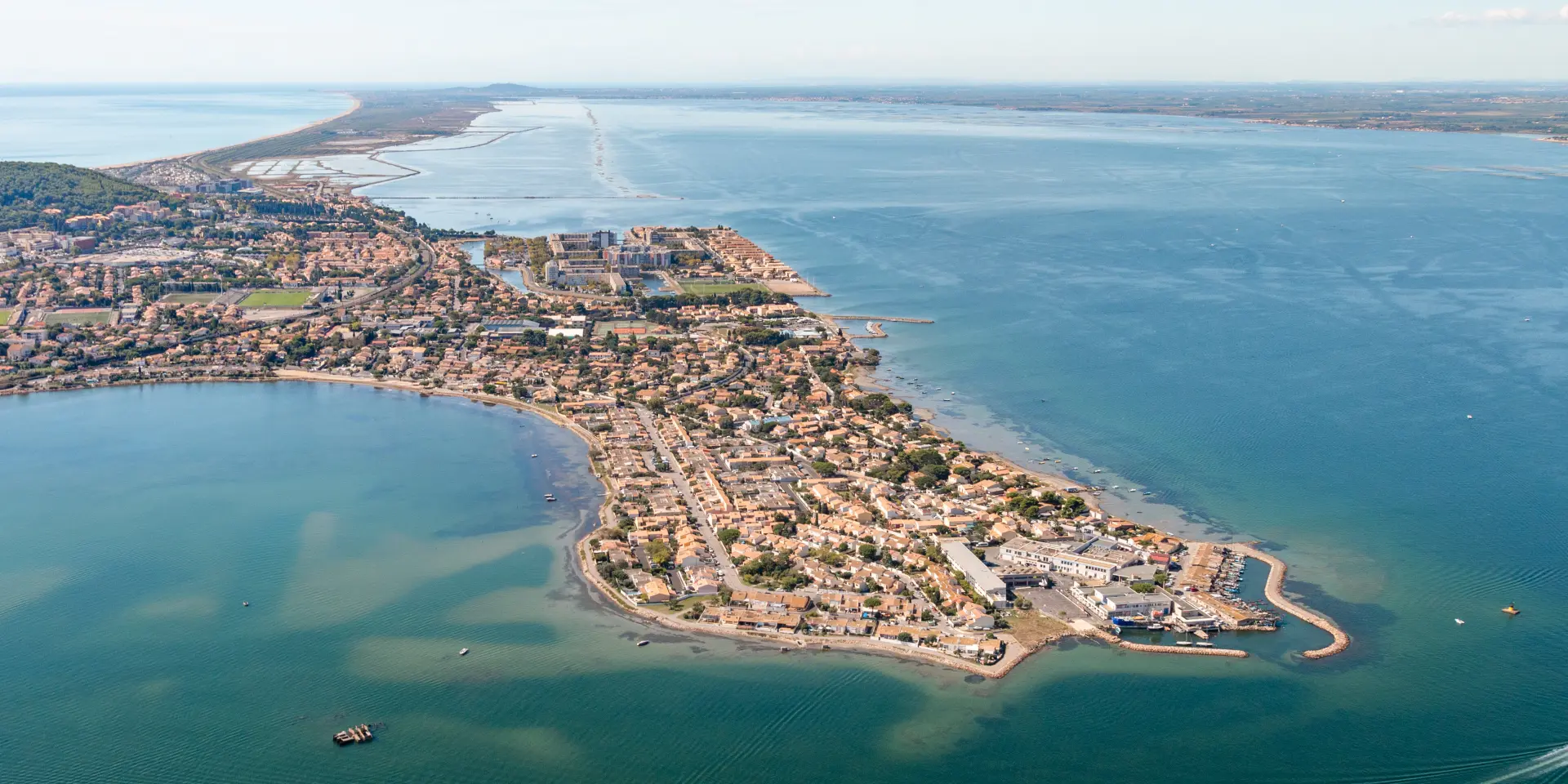
Imagine a town suspended between two bodies of water, where the canals whisper the secrets of the fishermen, where every colourful façade tells a maritime tale, where art and culture come alive on every street corner… Welcome to Sète, the unique island of the Mediterranean and the vibrant cultural capital of the Thau Archipelago. Nestled between the Thau lagoon and the open sea, this unique town of 45,000 inhabitants embodies the very essence of the Mediterranean way of life.

Nicknamed the “Venice of Languedoc” for its winding canals and picturesque bridges, Sète stands out as an exceptional cultural hub in the Thau Archipelago. With its five museums, historic theatres, unique maritime heritage and centuries-old traditions such as the famous water jousting tournaments, the town offers a rare cultural richness that appeals to art lovers, foodies and travellers seeking authenticity.

Get ready to explore a destination where every spot reveals a different facet: from bold museums to the panoramic Mont Saint-Clair, from gourmet markets to wild beaches, from fishing districts to contemporary street art. Join us to discover all the must-sees in Sète, the jewel of the Thau Archipelago!
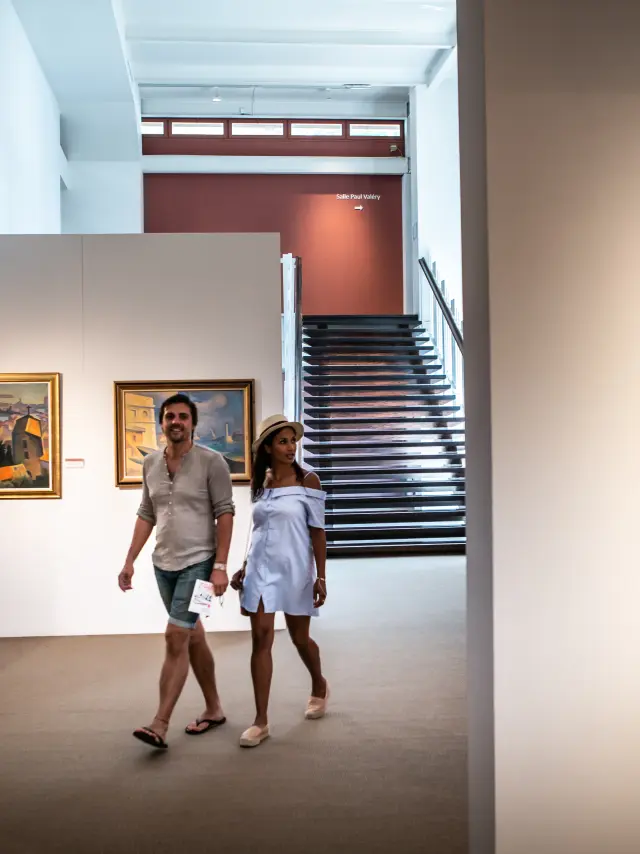
Sète, cultural capital 5 museums, 5 worlds

With its five outstanding museums, Sète stands out as the cultural hub par excellence of the Thau Archipelago. Each one reveals a different facet of Sète’s identity, encompassing art, poetry, the sea and contemporary innovation.

The Paul Valéry Museum Art overlooking the Mediterranean

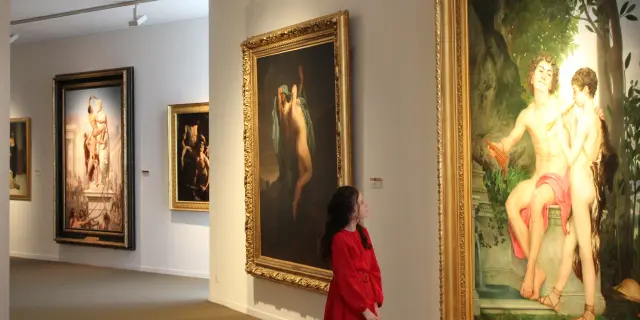
Overlooking the legendary marine cemetery, the Paul Valéry Museum offers much more than just a cultural visit: it is a complete sensory experience. This museum houses an impressive collectionof over 7,200 works, spanningfine art collections and exhibitions of modern and contemporary art that resonate with the city’s Mediterranean spirit.

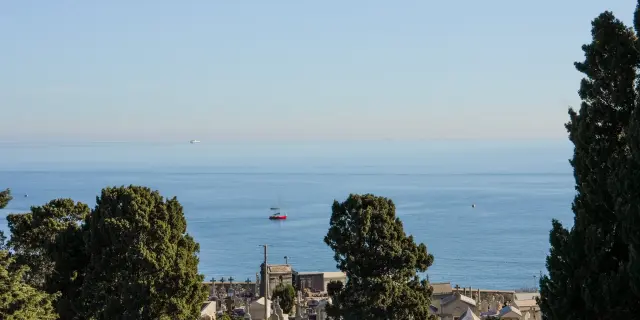
The panoramic terrace is one of the most beautiful viewpoints in the Thau Archipelago: the view takes in the town, the sparkling lagoon, Mont Saint-Clair and the Mediterranean stretching as far as the eye can see. The gardens surrounding the museum regularly host open-air events, lectures, poetry readings and artistic performances linked to Sète’s Mediterranean identity.

The Maritime Museum The maritime spirit of Sète

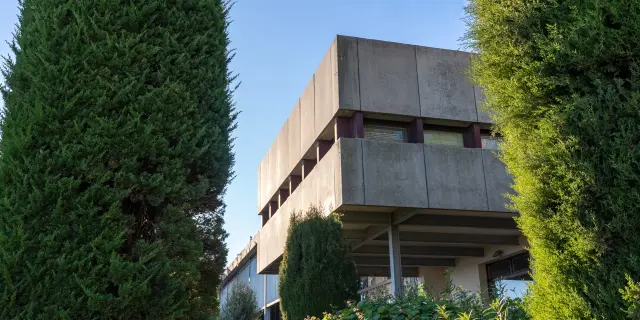
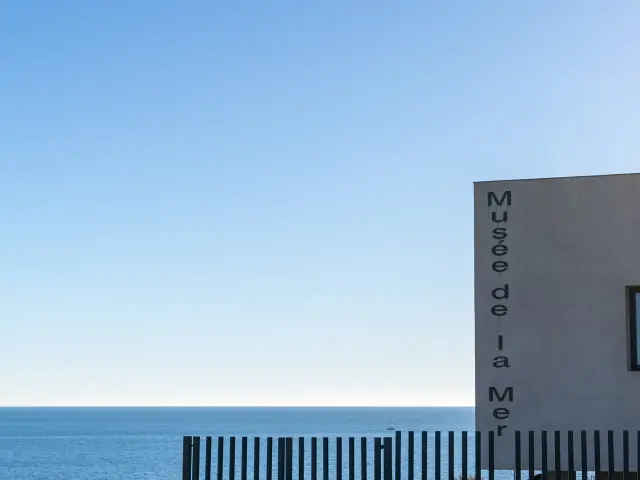
Opened in 2014, this museum, with its sleek lines inspired by Le Corbusier, offers a spectacular view of the Mediterranean, nestled between the Théâtre de la Mer and the marine cemetery. It masterfully traces the history of the port of Sète from the 18th century onwards through paintings, old photographs, videos and interactive displays. 

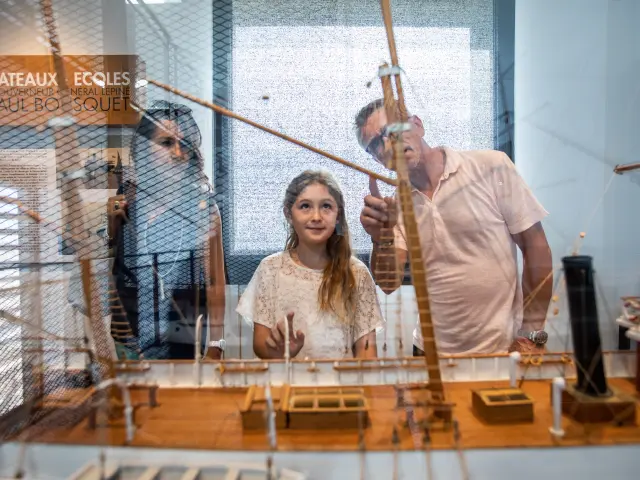
The highlight of the visit? The only collection in France of fishing boat models created by the former shipwright André Aversa, listed in 2010 by the Ministry of Culture on the inventory of historic monuments. These meticulous reproductions trace the entire history of shipbuilding in Sète, a moving testament to a craft passed down from generation to generation.

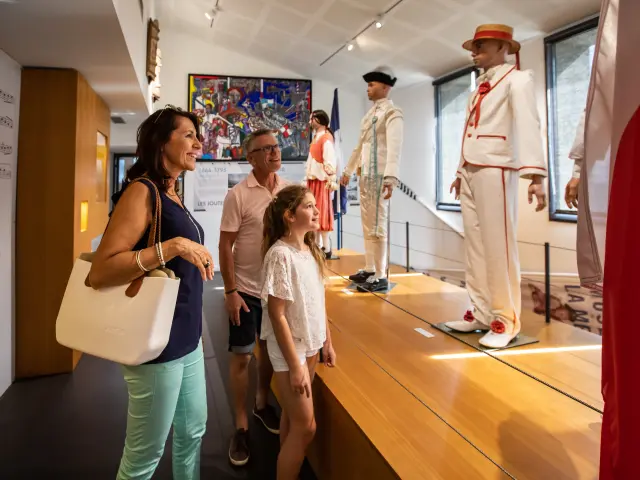
Two rooms are dedicated to Languedoc jousting, a traditional sport of the Thau Archipelago: admire the magnificent collection of breastplates and lances, the training carts and the costumes that keep this centuries-old tradition alive, celebrated during the Fête de la Saint-Louis for over two centuries.

The Georges Brassens Centre a living tribute to the poet

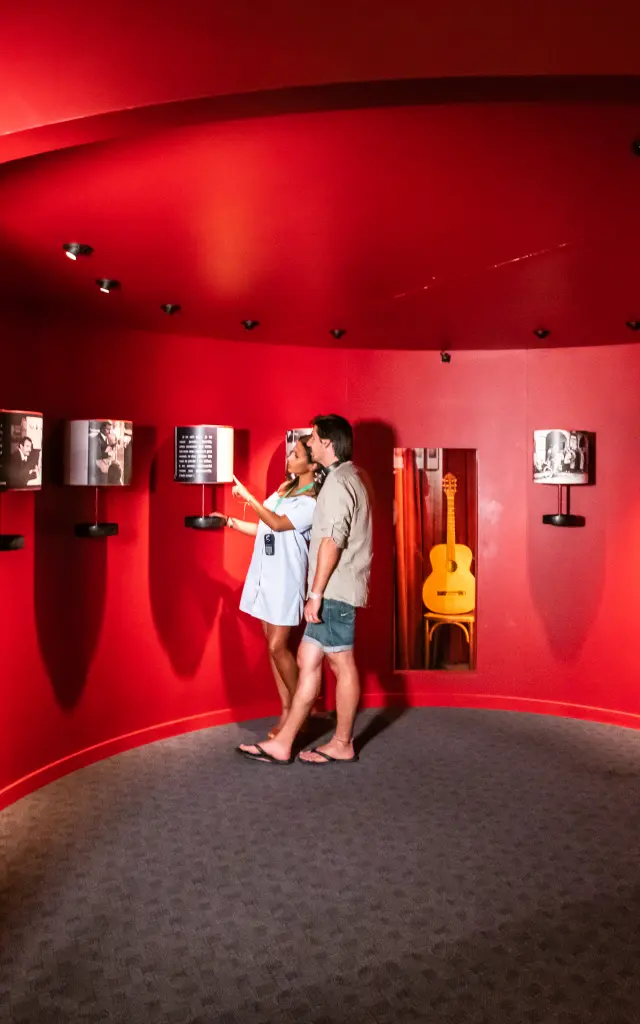
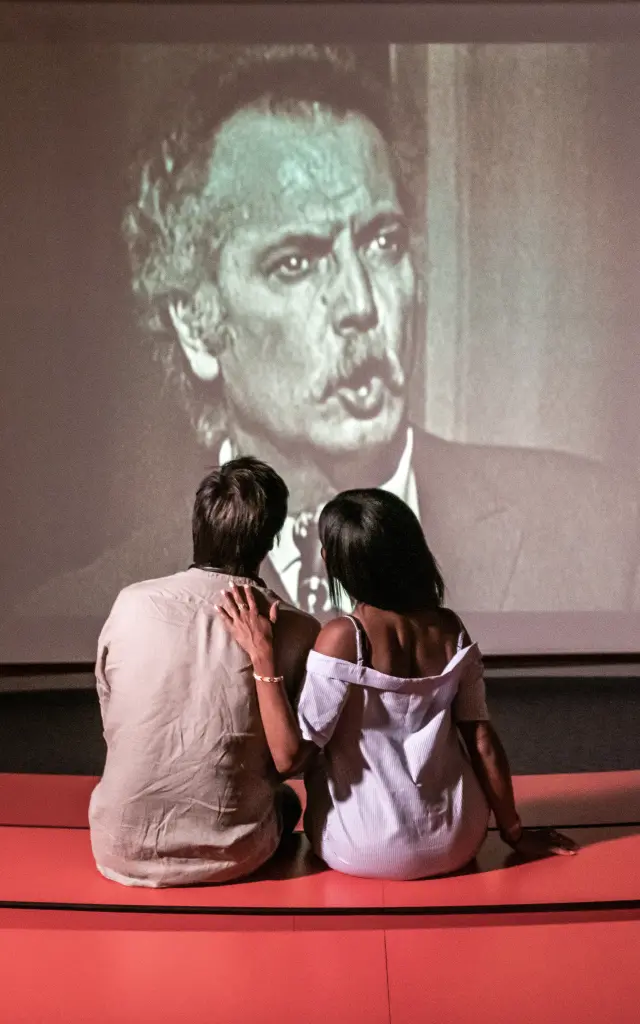
Music and poetry lovers should not miss the Georges Brassens exhibition space, which has been completely renovated and expanded since 2024. This interactive museum takes visitors on a journey through the life and work of the illustrious Sète native, featuring a refreshed exhibition design that now draws on the rich collection of images and manuscripts preserved in Sète.

This renovation, the first major overhaul since the museum’s creation, offers a fresh perspective on the close bond between Brassens and his hometown. A moving experience that will allow you to rediscover his songs whilst immersing yourself in the local culture. 

MIAM Modest art is causing a stir

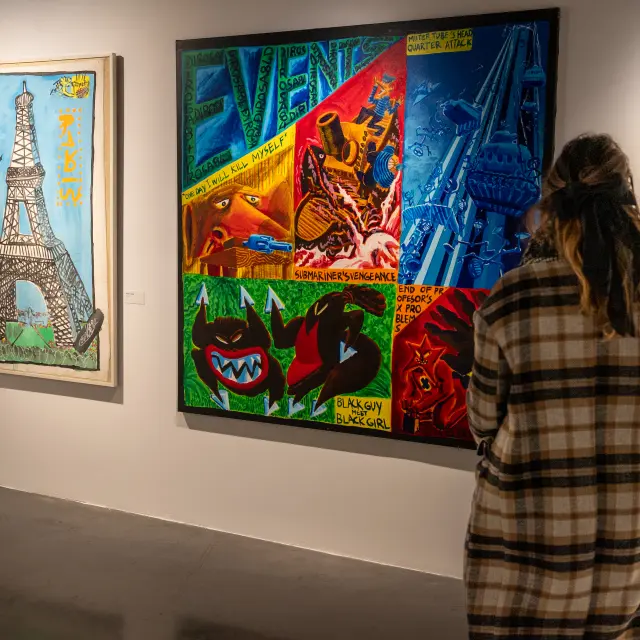
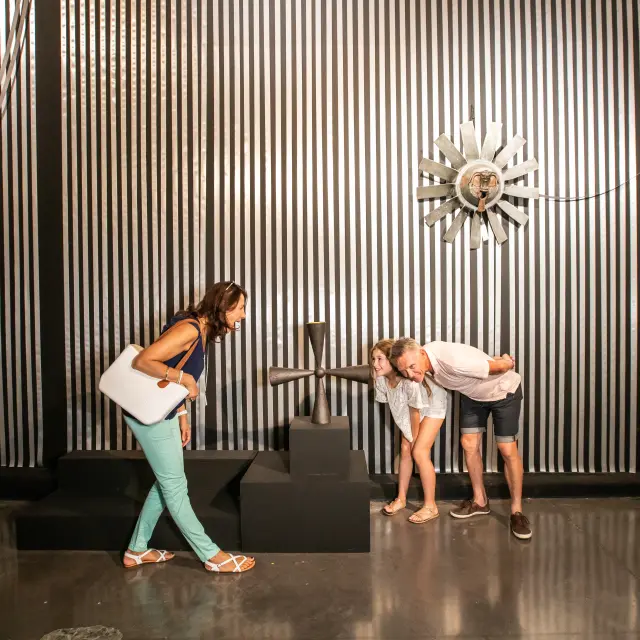
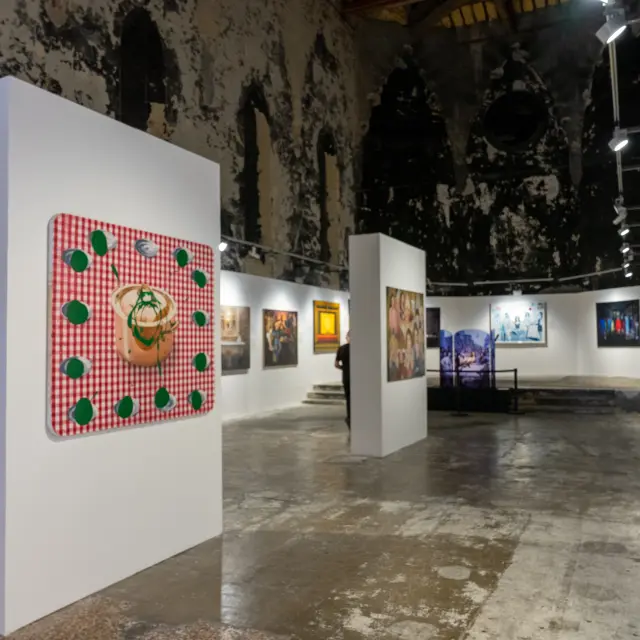
The International Museum of Modest Arts (MIAM), founded by the artists Hervé Di Rosa and Bernard Belluc, is a one-of-a-kind venue that celebrates the demystification of art. Since its inception, this unconventional museum has showcased the worksof over 700 French and international artists, spanning folk art, art brut, comic books, applied arts and contemporary art.

Situated on the banks of the canal, the MIAM transforms everyday objects into works of art and explores the myriad facets of modest art. Each exhibition offers a new experience that challenges the boundaries of contemporary art with boldness and originality.

The MaCO When art takes to the streets

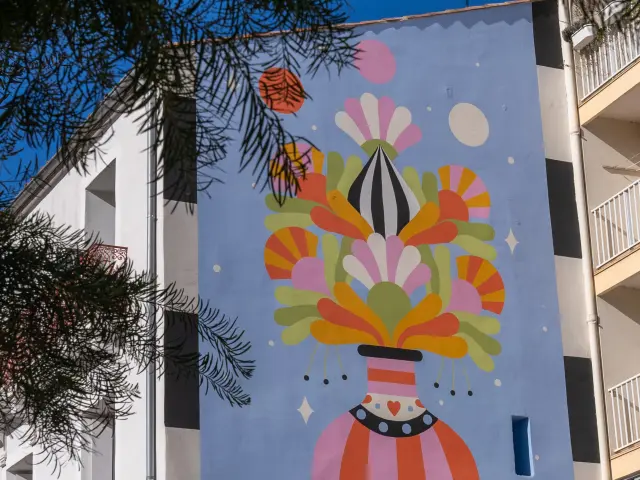
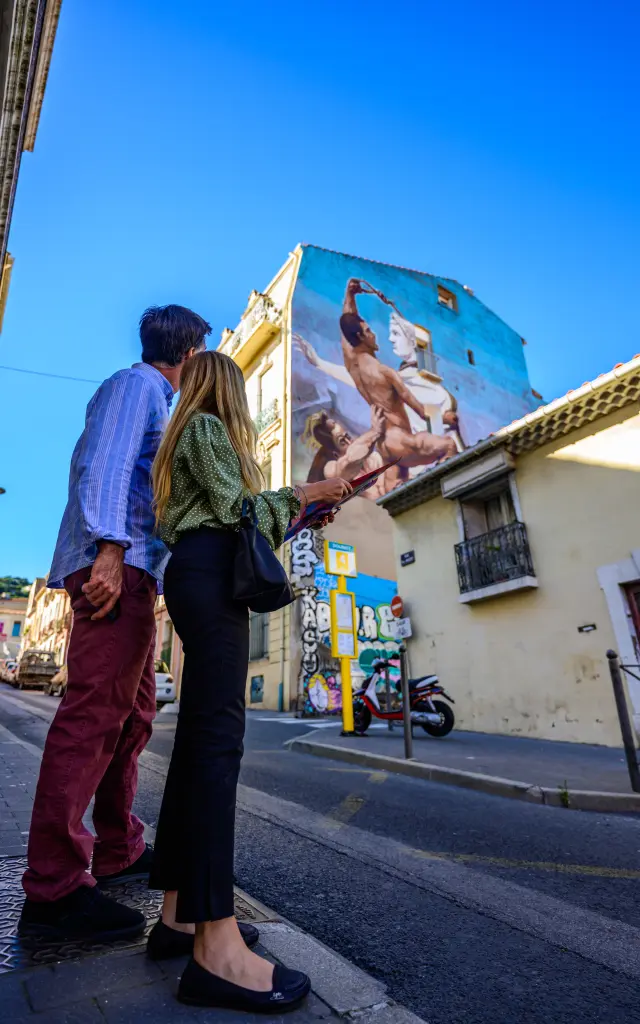
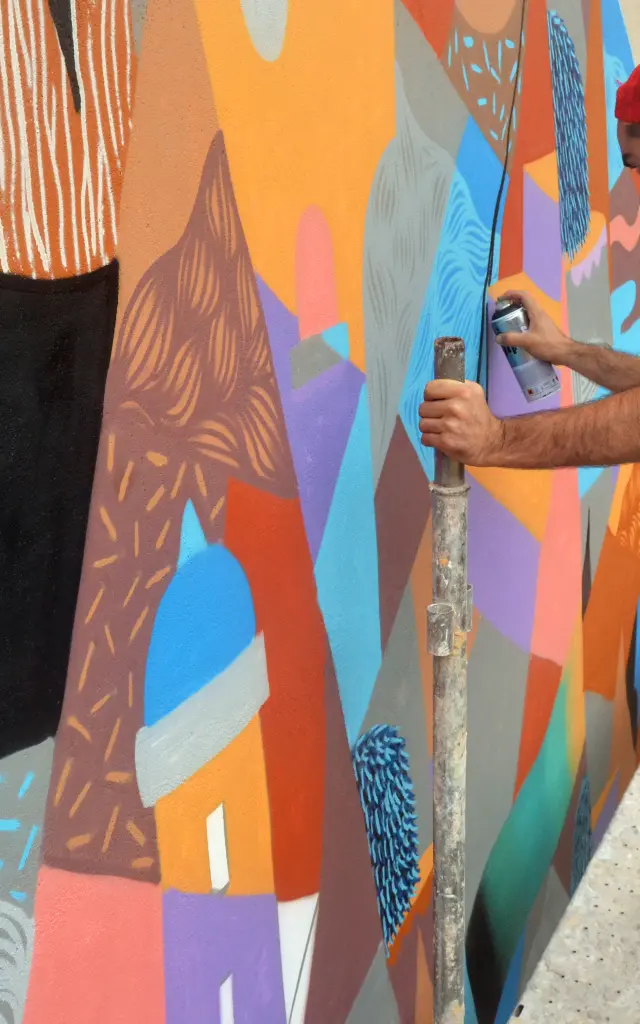
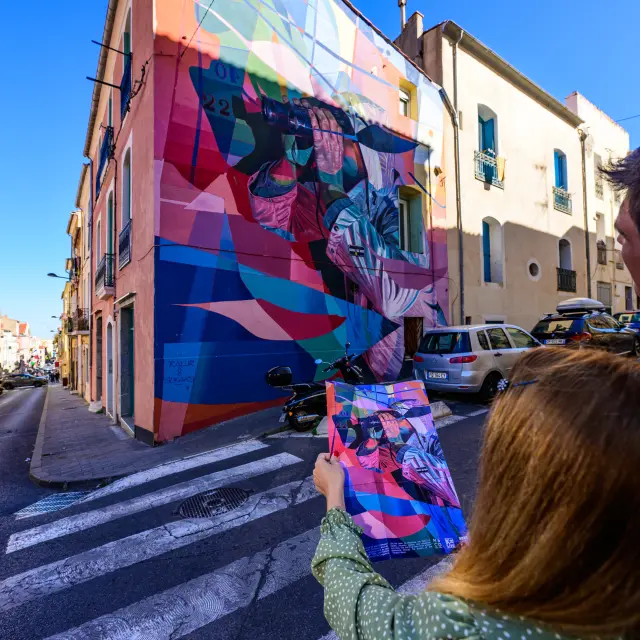
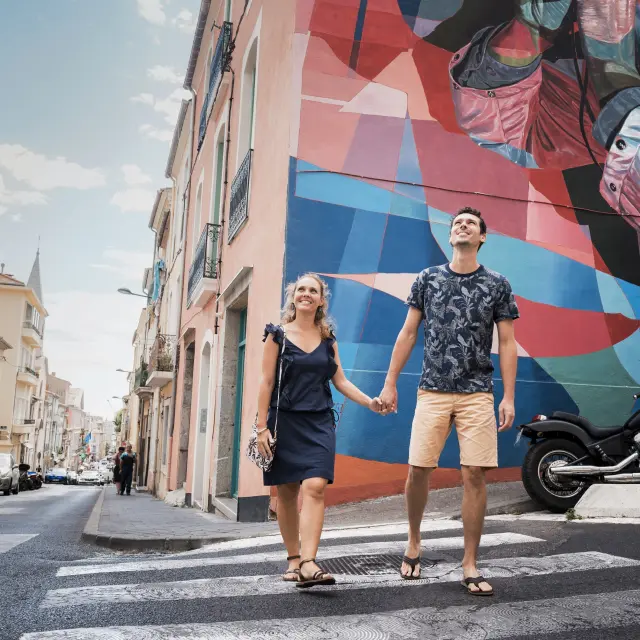
Sète doesn’t confine art to museums! The Musée à Ciel Ouvert (MACO), which expands every year, now comprises a trail of dozens of monumental murals that form an integral part of Sète’s urban landscape. This free museum , open to all, transforms the city’s walls into a giant contemporary art gallery.
During the annual K-Live festival, watch live performances by street artists from all over the world. Discover eclectic skills and techniques that never cease to amaze, transforming the city’s walls into truly poetic works of art.


Living scenes Theatres and shows in Sète

Culture is well represented in Sète. With its theatres, cinemas and other more intimate venues, the town offers a wide range of spaces where the arts can flourish.

The Molière Theatre Italian elegance

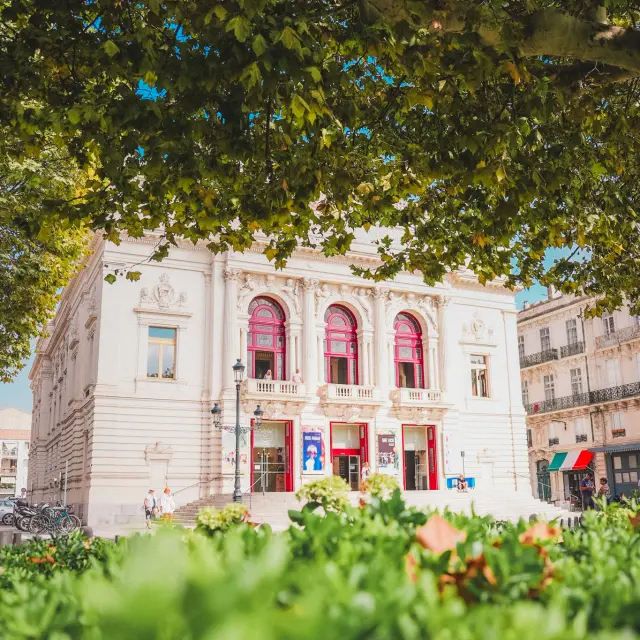
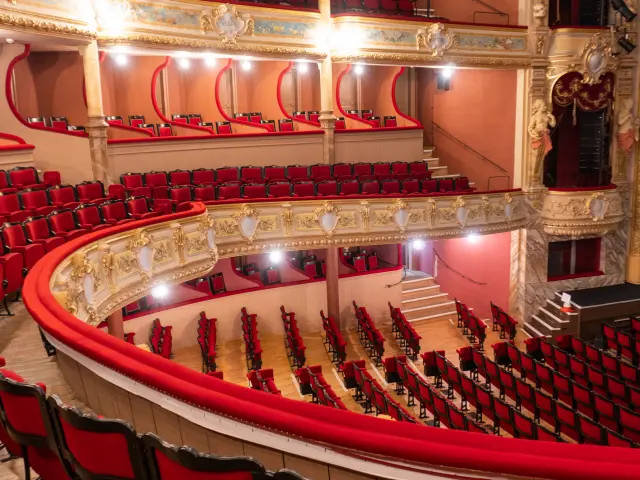
An iconic landmark of Sète’s heritage, the Théâtre Molière is a cultural institution whose influence extends across the entire Thau Archipelago. Its elegant Italianate architecture provides the setting for a rich programme combining theatre, dance and music. Attending a performance here means immersing yourself in the vibrant Mediterranean cultural scene within an exceptional historic setting.

The Theatre of the Sea Shows under the stars

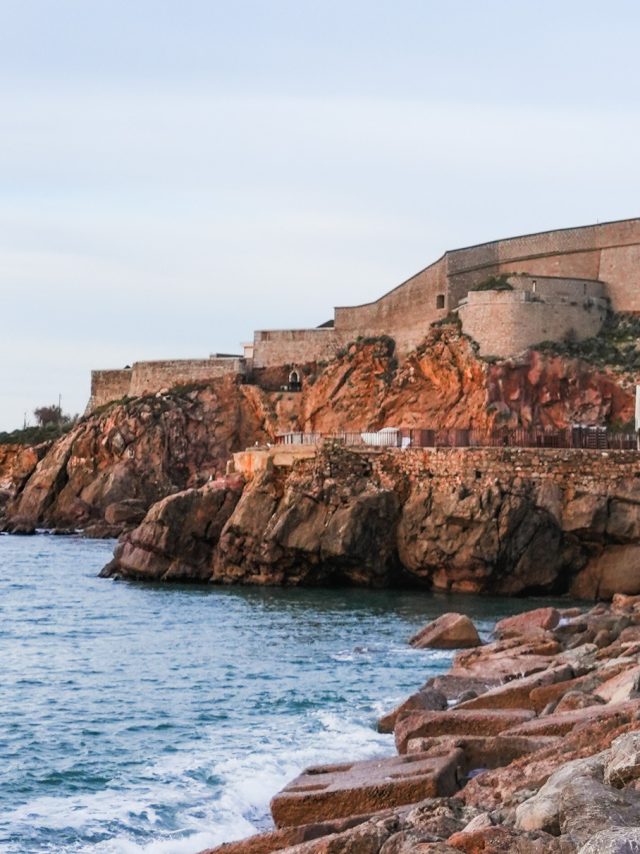
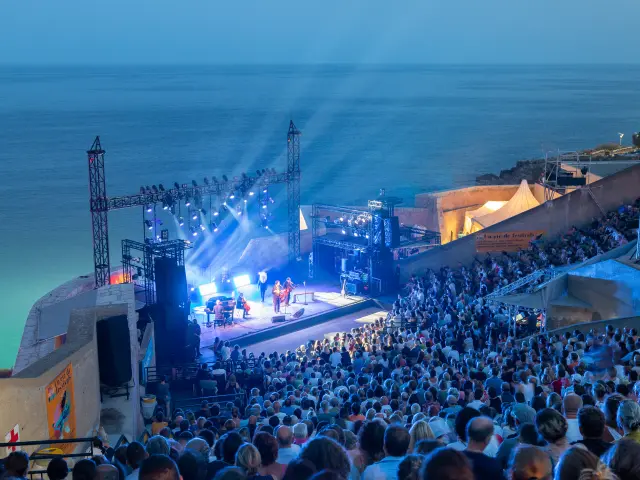
Perched on the waterfront within the walls of Fort Saint-Pierre, the Théâtre de la Mer is a true icon of Sète. This open-air amphitheatre provides a magical setting for concerts, festivals and theatre performances during the summer months. The sunset over the Mediterranean adds a touch of magic to every event, creating unforgettable memories.


Heritage and panoramic views Between land and sea

The Saint-Louis Lighthouse The city at your feet

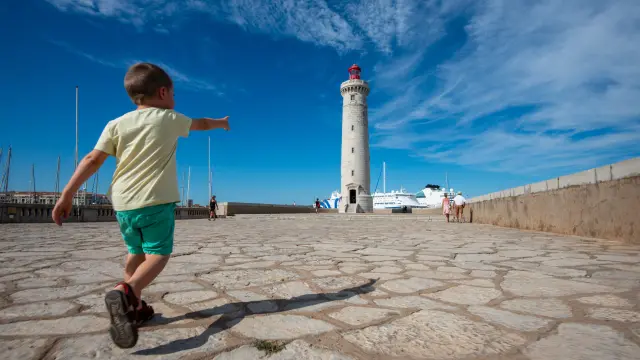
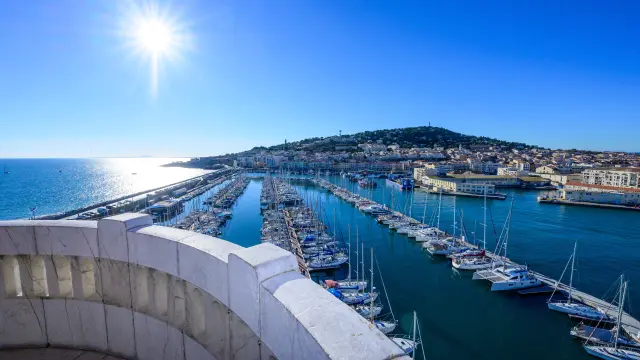
For those who love breathtaking views, a climb up the Saint-Louis lighthouse is a must. Standing 33 metres tall, this lighthouse offers a stunning 360° view of the harbour, the canals of Sète, the Thau lagoon and the Mediterranean Sea. It’s the perfect spot to take photos and soak up the natural beauty of the Thau Archipelago.

Mount Saint-Clair The panoramic green lung

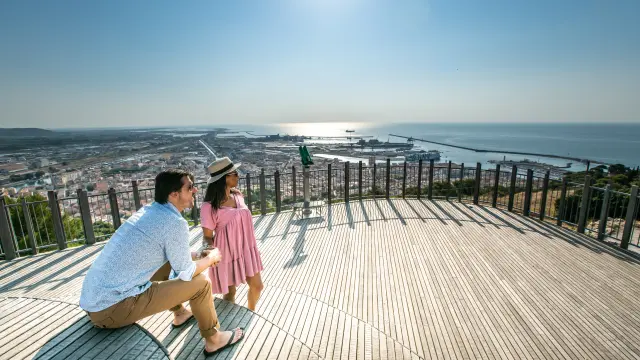
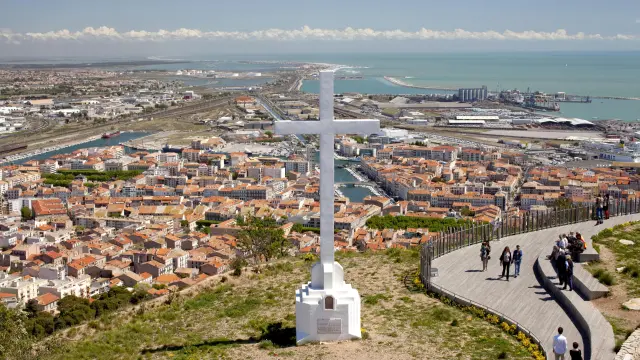
At 175 metres, Mont Saint-Clair is the highest point in Sète and offers exceptional views of the town, the lagoon, the surrounding beaches and the Thau Archipelago stretching out before you. Several viewing points have been set up, allowing you to admire different panoramas depending on the direction you face.

Extend your walk to the Pierres Blanches site, a protected natural area ideal for hiking and family picnics. The marked trails wind through pine forests and fragrant garrigue, offering coolness and tranquillity to nature lovers.


Religious heritage Spirituality at the heart of Sète’s history

Sète boasts a rich religious heritage that bears witness to the turbulent history of this port town. Each building tells a story of Sète’s identity, reflecting both popular devotion and architectural splendour.

The Saint-Louis Decanal

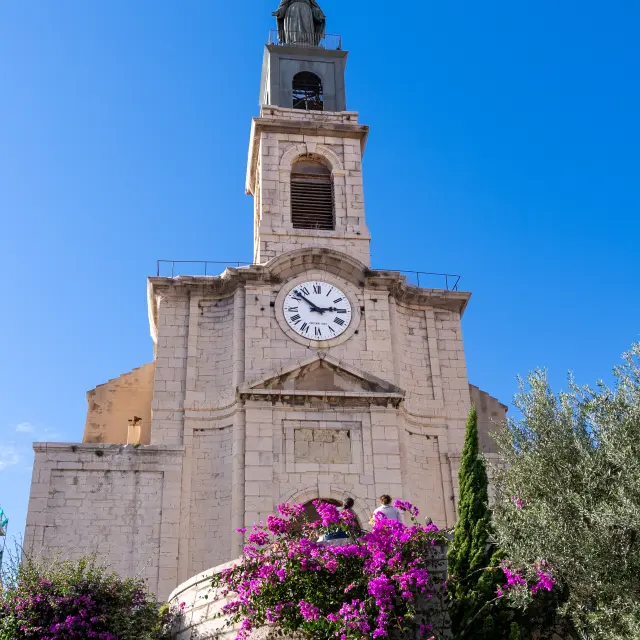
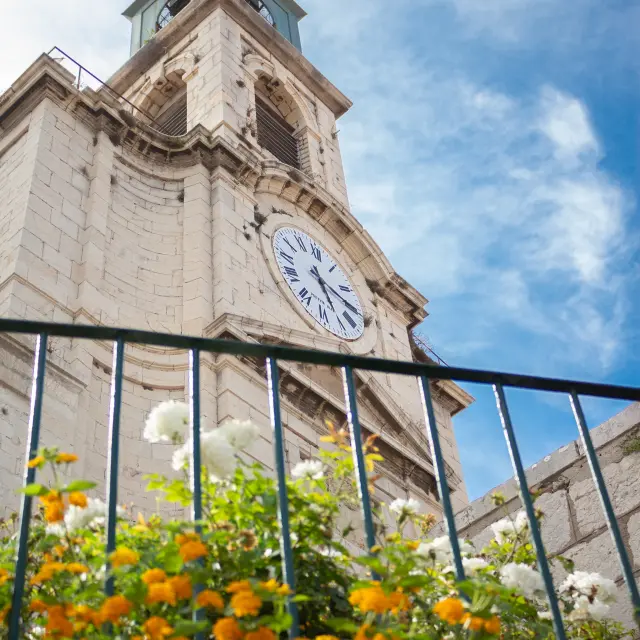
The Saint-Louis parish church, built between 1700 and 1703, was Sète’s first parish church. Constructed shortly after the town was founded by Louis XIV, it features a simple Baroque façade and a bell tower that dominates the neighbourhood. Inside, the gilded altarpieces and murals illustrate the faith of the first inhabitants of Sète, sailors and fishermen who came to settle in this new royal city.  

The Chapel of Our Lady of La Salette

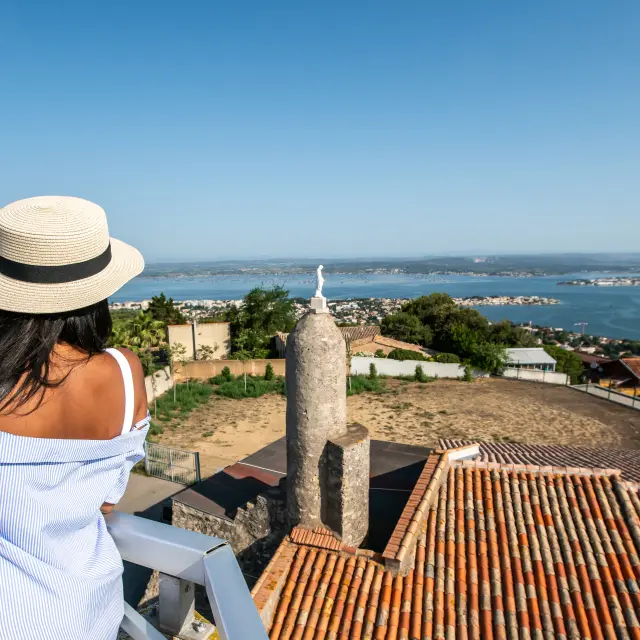
Perched 110 metres above sea level on Mont Saint-Clair, the Chapel of Notre-Dame de la Salette has watched over sailors since 1861. The people of Sète built it following a terrible cholera epidemic, as a token of gratitude to the Virgin Mary. The sanctuary still attracts many pilgrims today, and its terrace offers one of the most beautiful views of Sète, the Thau lagoon and the Mediterranean.  

The Upper Quarter Chapel

The Chapel in the Quartier Haut is also well worth a visit. Deconsecrated in the early 20th century, this former convent of the Sisters of Saint-Maur now hosts contemporary art exhibitions within its historic vaults. It is a successful conversion that brings together religious heritage and contemporary creativity.

The Sea Cemetery

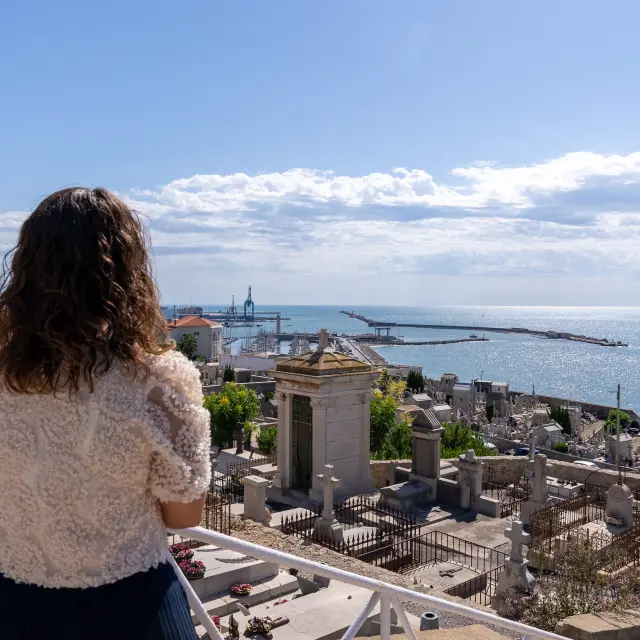
The seaside cemetery, made famous by Paul Valéry ’s eponymous poem, is an exceptional place of contemplation overlooking the Mediterranean. Founded in 1679, it is one of the oldest cemeteries in France still in use. Many notable figures from Sète are buried here, including Paul Valéry himself and Jean Vilar. The white tombs lined up facing the sea, the umbrella pines and cypresses shading the paths, the breathtaking view of the Mediterranean: everything here invites meditation and contemplation. A poetic place where natural beauty blends with history to create a unique atmosphere in the Thau Archipelago.


Authentic neighbourhoods and canals The soul of Sète

Sète boasts a rich religious heritage that bears witness to the turbulent history of this port town. Each building tells a story of Sète’s identity, reflecting both popular devotion and architectural splendour.

01The Upper Quarter
  • The best way to discover Sète is by strolling through its picturesque neighbourhoods, which have managed to preserve their maritime character. The Quartier Haut, a former fishing district perched on the hillside, features narrow alleyways, colourful stairways and the authentic atmosphere of a Mediterranean village.

©

A tour of Maco, the upper district

02Pointe Courte
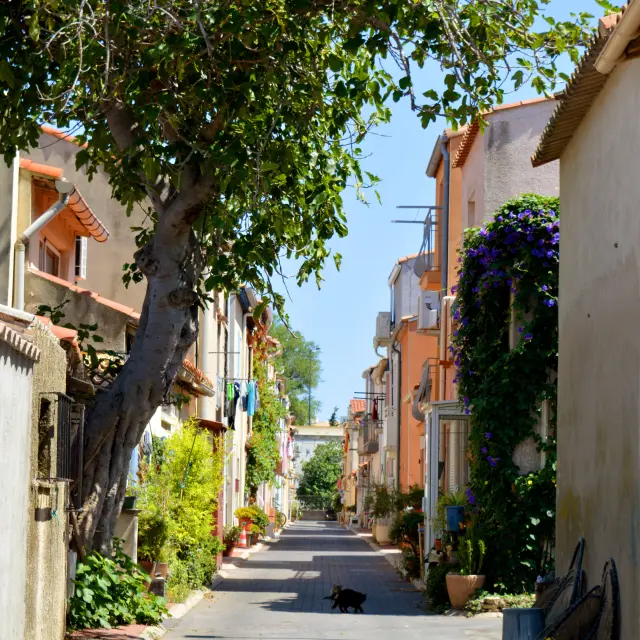
  • La Pointe Courte, immortalised in Agnès Varda’s film, charms visitors with its low-rise houses with pastel-coloured façades that are reflected in the canal.

    This fishing village is one of the most photogenic spots in the Thau Archipelago.

©

short tip

03The town centre
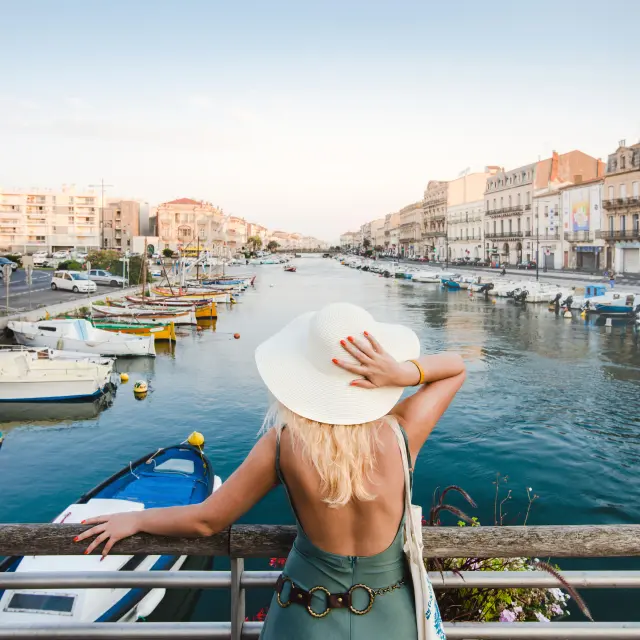
  • The town centre is centred around the canals, lined with bustling quays: restaurant terraces, colourful fishing boats, drawbridges… Take a stroll along the Canal Royal, the true backbone of the town, to get a feel for the pulse of Sète.

©

Young woman on a bridge in Sète, view of the canals, traditional boats, hat, view, holiday, seen from behind, landscape

04The fishing port
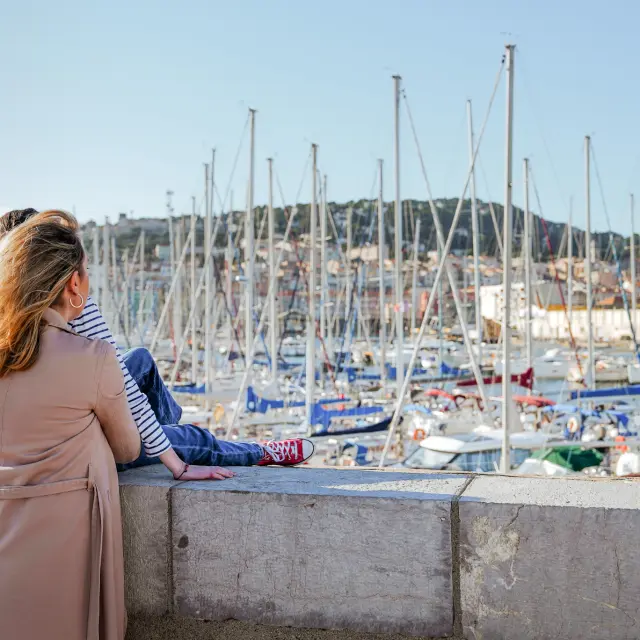
  • The fishing port, one of the largest on the French Mediterranean coast, buzzes with the hustle and bustle of the fish market. Get up early to experience the morning buzz as the fishermen unload their catch!

©

A mother and her daughter are taking a stroll by the St Louis lighthouse


The market halls of Sète Mediterranean Flavours Festival

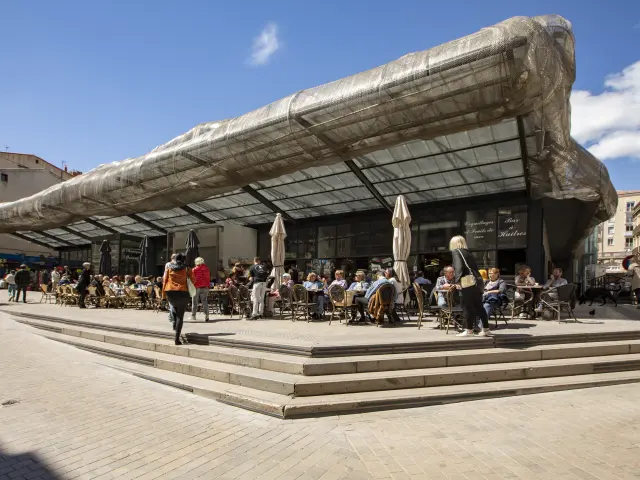
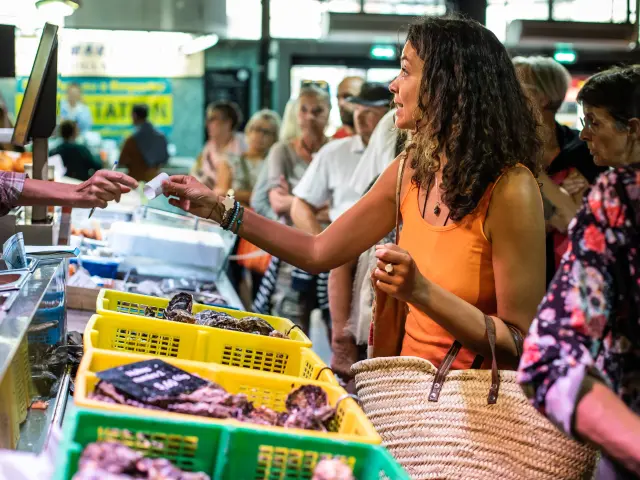
The Sète market halls are a must-visit destination for food lovers in the Thau Archipelago. This historic covered market is brimming with local produce that is the pride of the region: fresh oysters and mussels from the Thau lagoon, tielles sétoises, fresh fish from the auction, regional wines (Picpoul de Pinet, AOC Languedoc) and many other local delicacies.

Make the most of your lunch break to savour Mediterranean cuisine at its finest. The small restaurants in the market halls offer seafood platters, mussel brasucades, bourrides and other specialities that are sure to delight your taste buds.

The market halls are open every morning from 7am to 1.30pm. The atmosphere is particularly lively at the weekend or on Wednesday mornings—market day—when locals and visitors mingle in a cheerful, bustling Mediterranean atmosphere


Beaches and nature Relaxation, Sète-style

Anau Cove A corner of unspoilt paradise

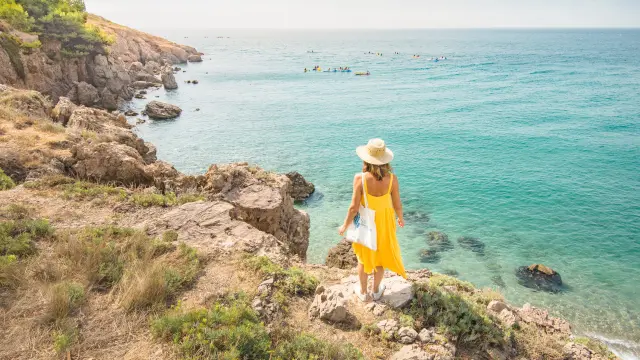
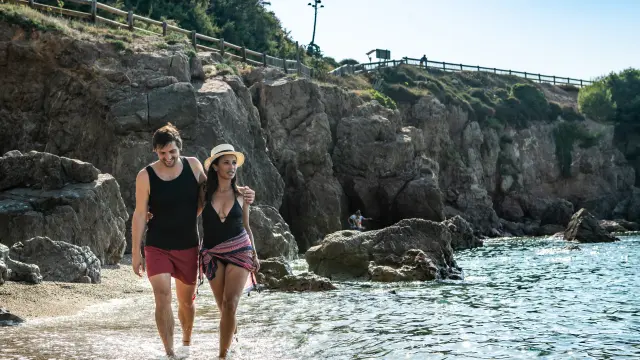
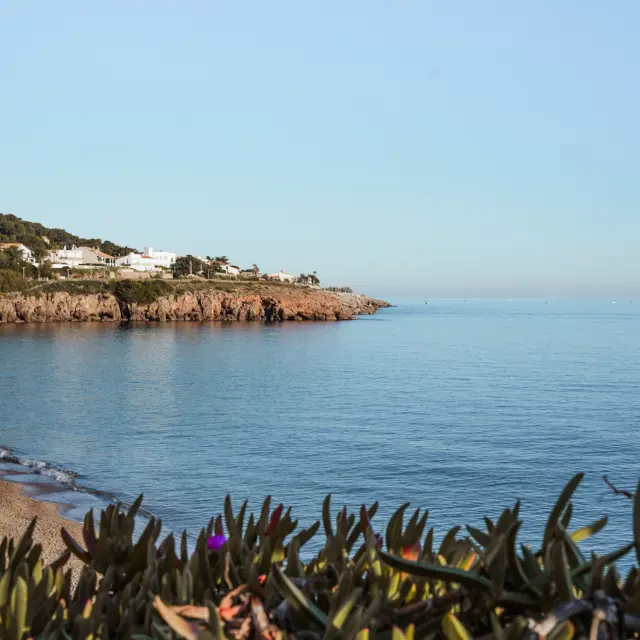
Tucked away between the cliffs at the foot of Mont Saint-Clair, Anau Cove offers an intimate and peaceful atmosphere, far from the hustle and bustle. This small beach of pebbles and fine sand charms visitors with its unspoilt character and crystal-clear waters. A perfect spot for those seeking peace and quiet and a swim in the heart of nature.

The beaches of the Lido A seaside getaway

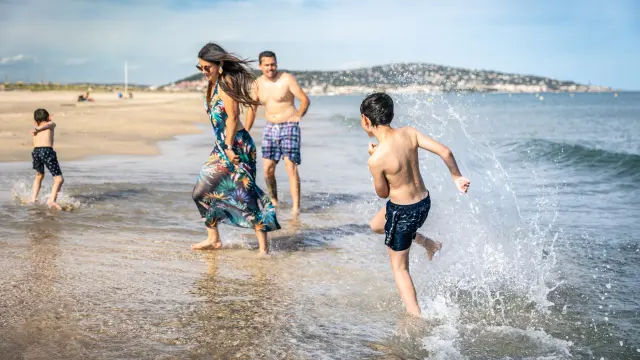
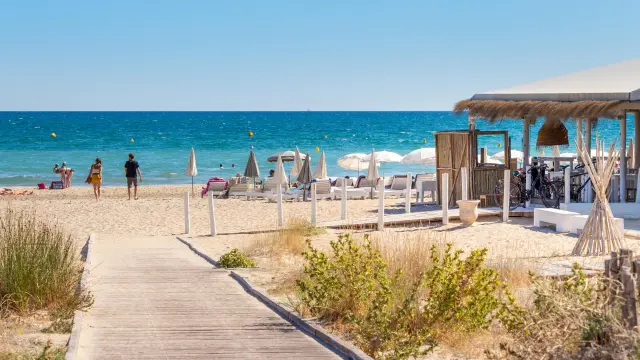
Stretching for several kilometres between Sète and Marseillan, the beaches of the Lido showcase the Mediterranean in all its splendour. These long stretches of fine sand are perfect for families and water sports enthusiasts: kitesurfing, windsurfing, stand-up paddleboarding, and more.


Traditions and events Sète in celebration

Throughout the year, Sète comes alive with events that celebrate its unique maritime and cultural identity within the Thau Archipelago.

A stopover in Sète: Every two years, this major maritime festival transforms the town into one huge street party, featuring a parade of tall ships, a naval battle, international villages, shanty concerts and entertainment for the whole family.

The highlight of the summer in Sète, this festival celebrates traditional water sports with spectacular tournaments, parades, dances and fireworks. A centuries-old tradition that brings the whole town together in August!

This September, take a look behind the scenes at museums, theatres, the lighthouse and the shipyard during special open days and guided tours.


Sète, the unique island that enchants the Thau Archipelago

A city of art and culture, an authentic maritime town, a gastronomic capital… Sète embodies all the riches of the Thau Archipelago in a unique blend. From its remarkable museums to its picturesque canals, from the panoramic Mont Saint-Clair to its centuries-old traditions, every discovery reveals a new facet of this unique island suspended between the lagoon and the Mediterranean.

Rightly nicknamed the “Venice of Languedoc“, Sète has managed to preserve its soul as a fishing port whilst establishing itself as a bold cultural hub. Whether you’re an art and museum enthusiast, a lover of local cuisine, a fan of breathtaking views, or simply seeking an authentic Mediterranean atmosphere, Sète promises an unforgettable experience where every street, every canal, and every monument tells a story.

The Thau Archipelagoawaitsyoufor an immersion in the Mediterranean way of life, combining a thousand-year-old heritage, contemporary creativity and living traditions!

Getting to and around Sète

Getting to Sète and exploring the Thau Archipelago is easy thanks to the excellent transport links available. 

Sète is ideal for cycling, with cycle paths and bike hire available. Why not trythe greenway that circles the Thau Lagoon (58 km) and allows you to explore the whole of the Thau Archipelago?

The Sète Agglopôle Mobilité network serves the entire Thau Archipelago with urban routes (operating seven days a week, some running until midnight in summer) and inter-town routes connecting the 14 local authorities.

  • Sète SNCF station, located a stone’s throw from the town centre, serves TGV, Intercités and TER services. 
  • It offers direct connections from Paris (3½ hours), Montpellier (20 mins), Marseille, Toulouse and Barcelona.
  • From Montpellier (30 km, 30 mins), take the A9, exit 33, then the D2 or D612.
  • From Béziers (45 km, 40 mins), take the A9, exit 34.
  • There are several car parks available in the city centre (pay-and-display) and on the outskirts (free).
  • Ferry services operate to and from Corsica, the Balearic Islands, Algeria and Morocco from the port of Sète.
  • In the summer months, a water bus connects various parts of the town, as well as the town of Mèze.
Your questions about Sète and the Thau Archipelago