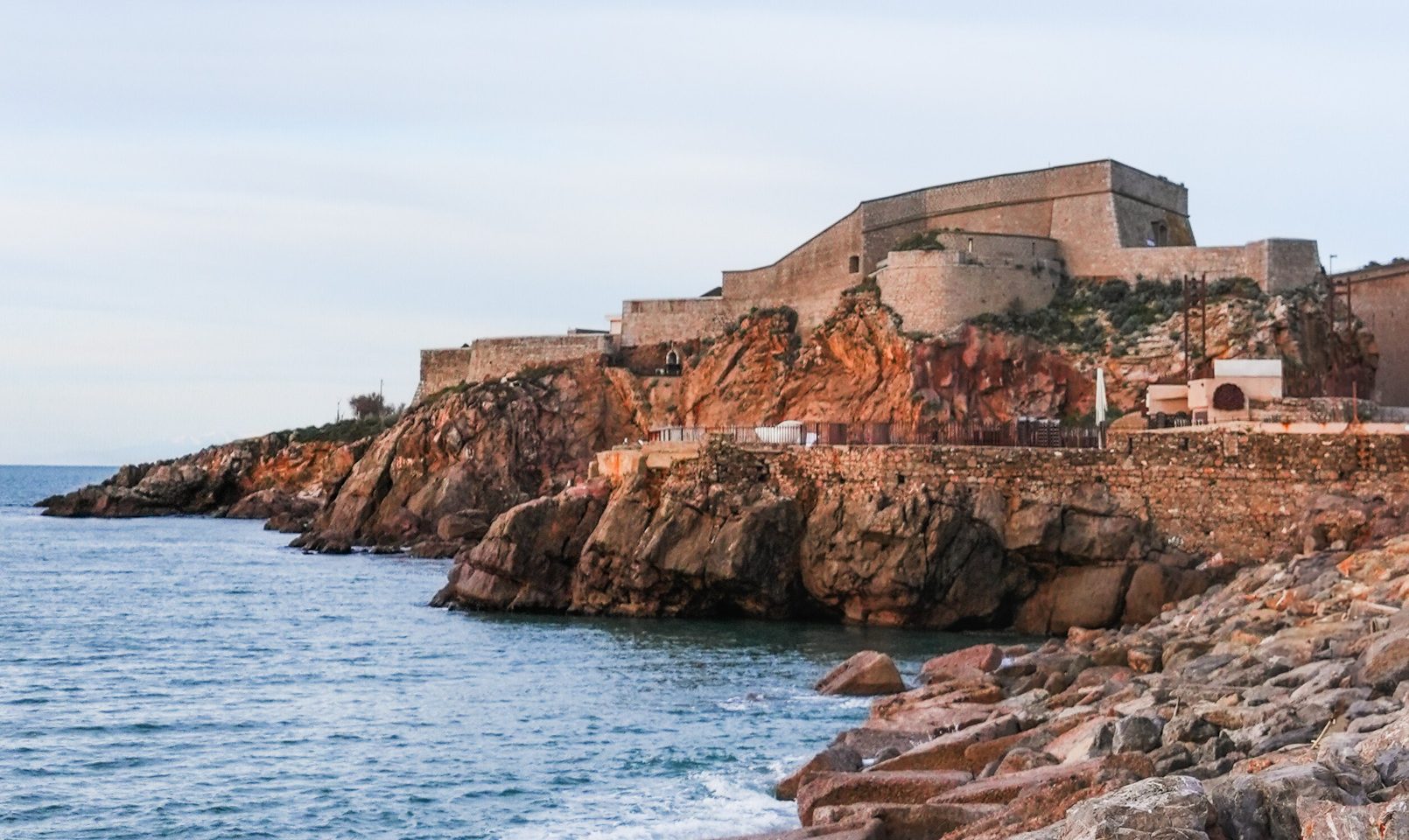
Theatre of the Sea, Fort Saint-Pierre, sea, Mediterranean, coastline, rocks, rocky coast, heritage, architecture, landscape, horizon, sky, natural light, outdoors, vertical
©

Theatre of the Sea, Fort Saint-Pierre, sea, Mediterranean, coastline, rocks, rocky coast, heritage, architecture, landscape, horizon, sky, natural light, outdoors, vertical

|

S_GRANDJEAN_OT-THAU

Panel 3: The Théâtre de la Mer

History of Sète: the Théâtre de la Mer, the Marine Cemetery and the Maritime Museum

Histoire de Sète : le théâtre de la mer, le cimetière marin et le musée de la mer

Théâtre de la mer – Jean Vilar

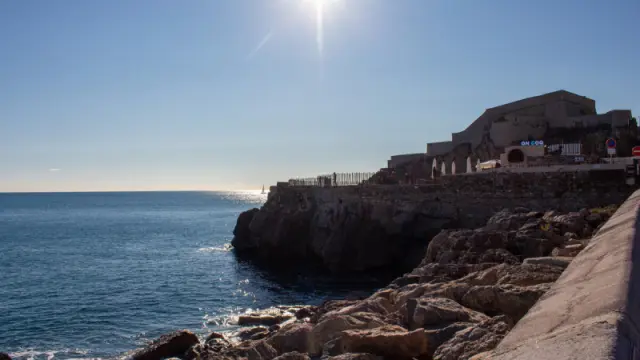
Perched at the foot of Mont Saint Clair, the Théâtre de la Mer overlooks the Mediterranean. Every summer, this 18th-century fortification hosts the major cultural events of the ‘singular island’.

In 1710, the town was invaded by the English, who had come to support the revolt of the Cévennes Protestants. The capture of Sète lasted only three days, but this event demonstrated the need to protect the town from external attacks. Fort Saint-Pierre was then built, based on plans by a pupil of Vauban: Antoine de Niquet.

Built on seven platforms arranged in an amphitheatre facing the sea and equipped with gun batteries, Fort Saint-Pierre operated in tandem with Fort Richelieu, built in 1745 to reinforce the town’s defences. The latter now houses the semaphore station, from which the French Navy monitors the Gulf of Lion.
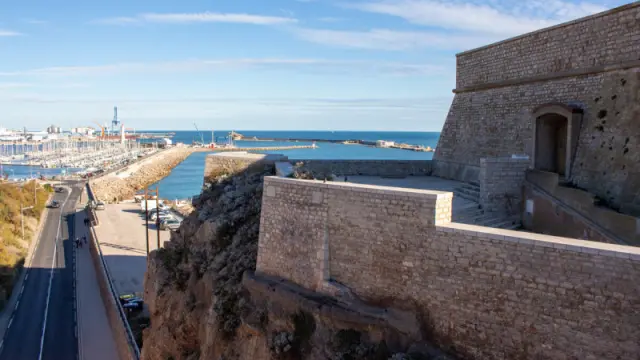
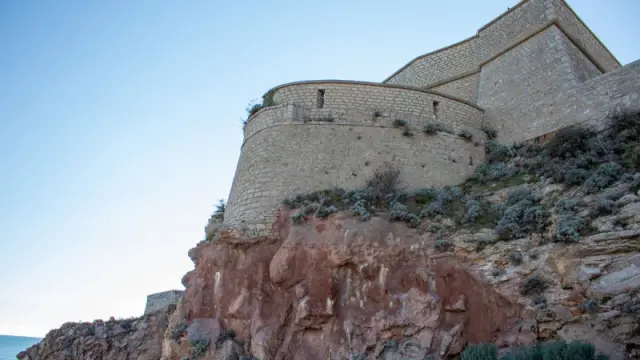
Over the course of its history, Fort Saint-Pierre served successively as barracks, a prison and then a military hospital, before being converted into a theatre from 1959 onwards, on the initiative of the actor Jean Deschamps. It was renamed the Jean Vilar Theatre in honour of the famous Sète native, a man of the theatre and founder of the Avignon Festival.

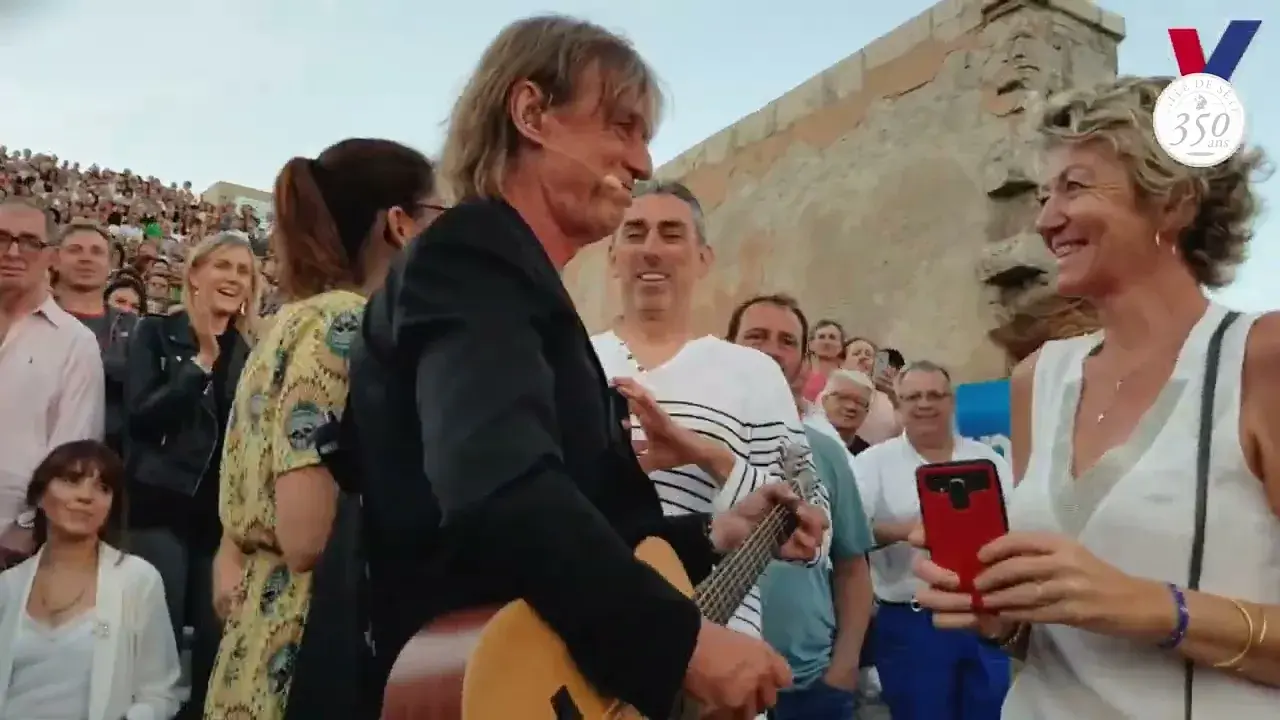
An extraordinary open-air concert venue overlooking the sea, this theatre is the hub of festivals and concerts every summer.  From French chanson and electronic music to jazz, cinema and world music, it hosts both emerging artists and headliners.

‘Culture is a weapon whose worth depends on the hands that wield it. ” Jean Vilar (born in Sète on 25 March 1912 – died in Sète on 28 May 1971)

Marine Cemetery

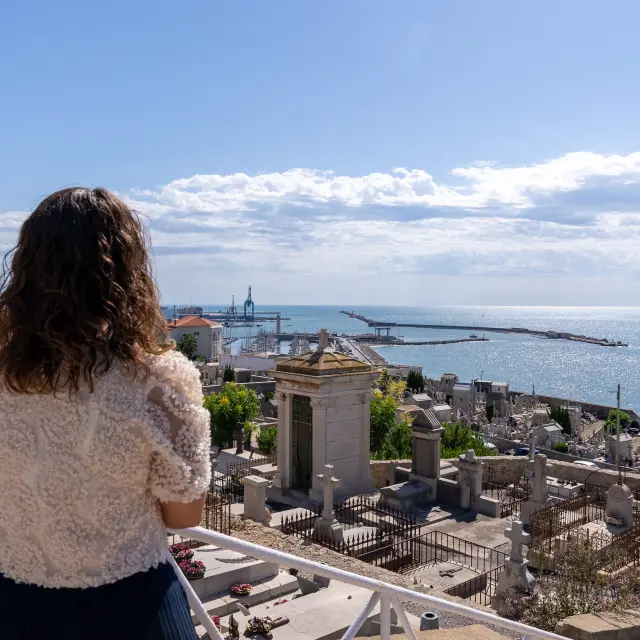
Just a few metres away lies the town’s oldest cemetery. Built in 1843, it owes its name to Paul Valéry, who paid a stirring tribute to it in one of his poems. It is, in fact, the writer’s final resting place.

The seaside cemetery is laid out in neat terraces between the Théâtre de la Mer below and the Paul Valéry Museum on the hillside.

In its upper section are the graves of Belgians and Swiss, communities who contributed to the history of Sète by settling there in the 1740s.

In the lower section are the graves of Italian families. Most were sailors who came to settle in this beautifully situated port. The opulence of some of the graves reflects the wealth of the families buried there. There are numerous mausoleums, small chapels and statues to be seen.

Maritime Museum

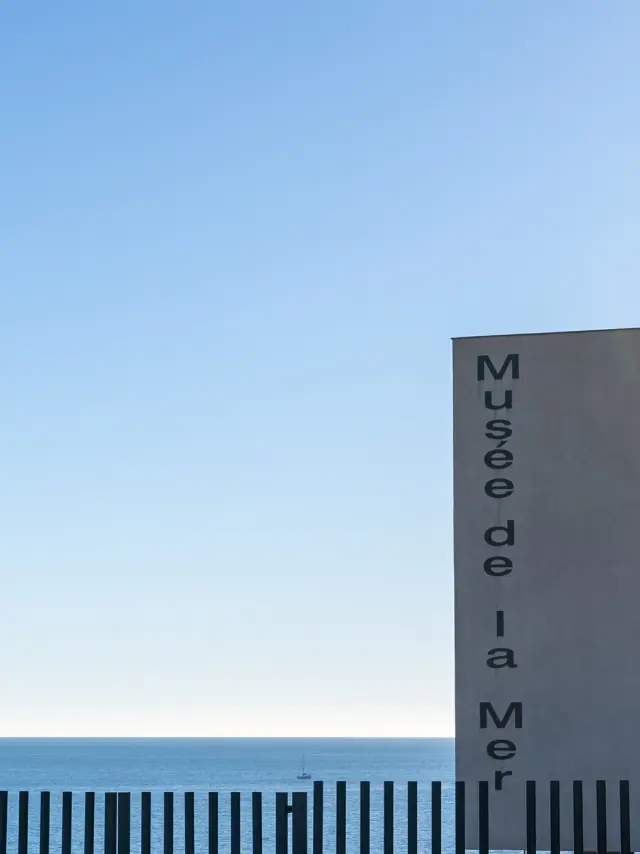
Not far from there, the Musée de la Mer, which opened in 2014, is the latest addition to the five museums in the town of Sète.

This ‘balcony overlooking the Mediterranean’ traces the history of the port and pays tribute to maritime traditions through the extensive collection of model ships by André Aversa, Sète’s last shipwright. The nautical jousts, which are closely linked to the town’s identity, also feature prominently here.