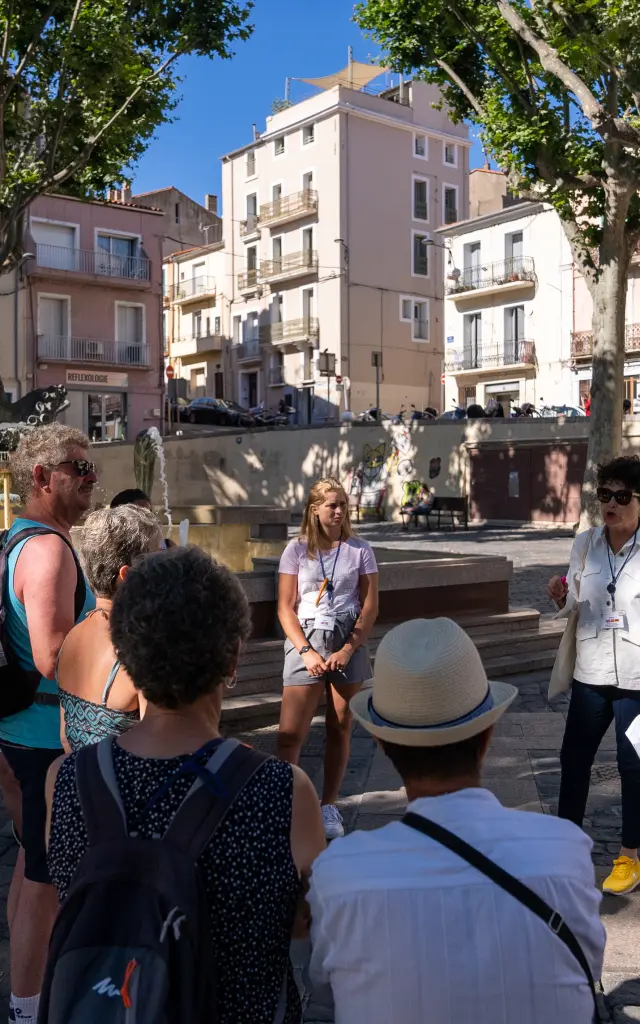
A guided tour from the young Georges to the great Brassens
|
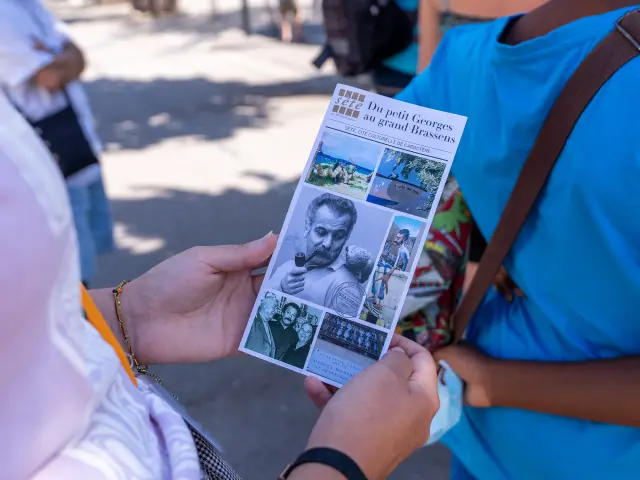
A guided tour from the young Georges to the great Brassens
|
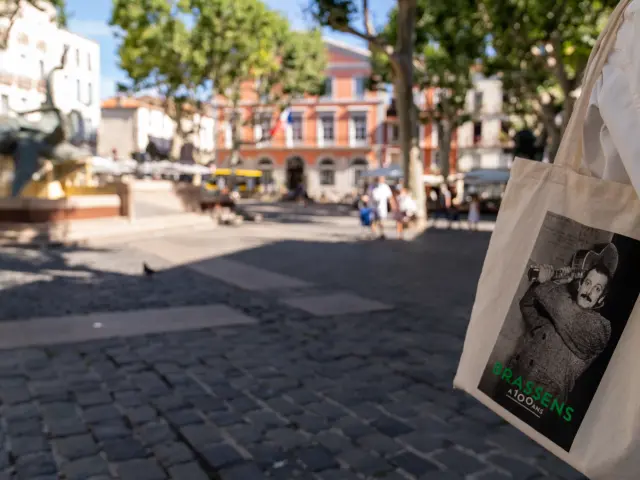
A guided tour from the young Georges to the great Brassens
|
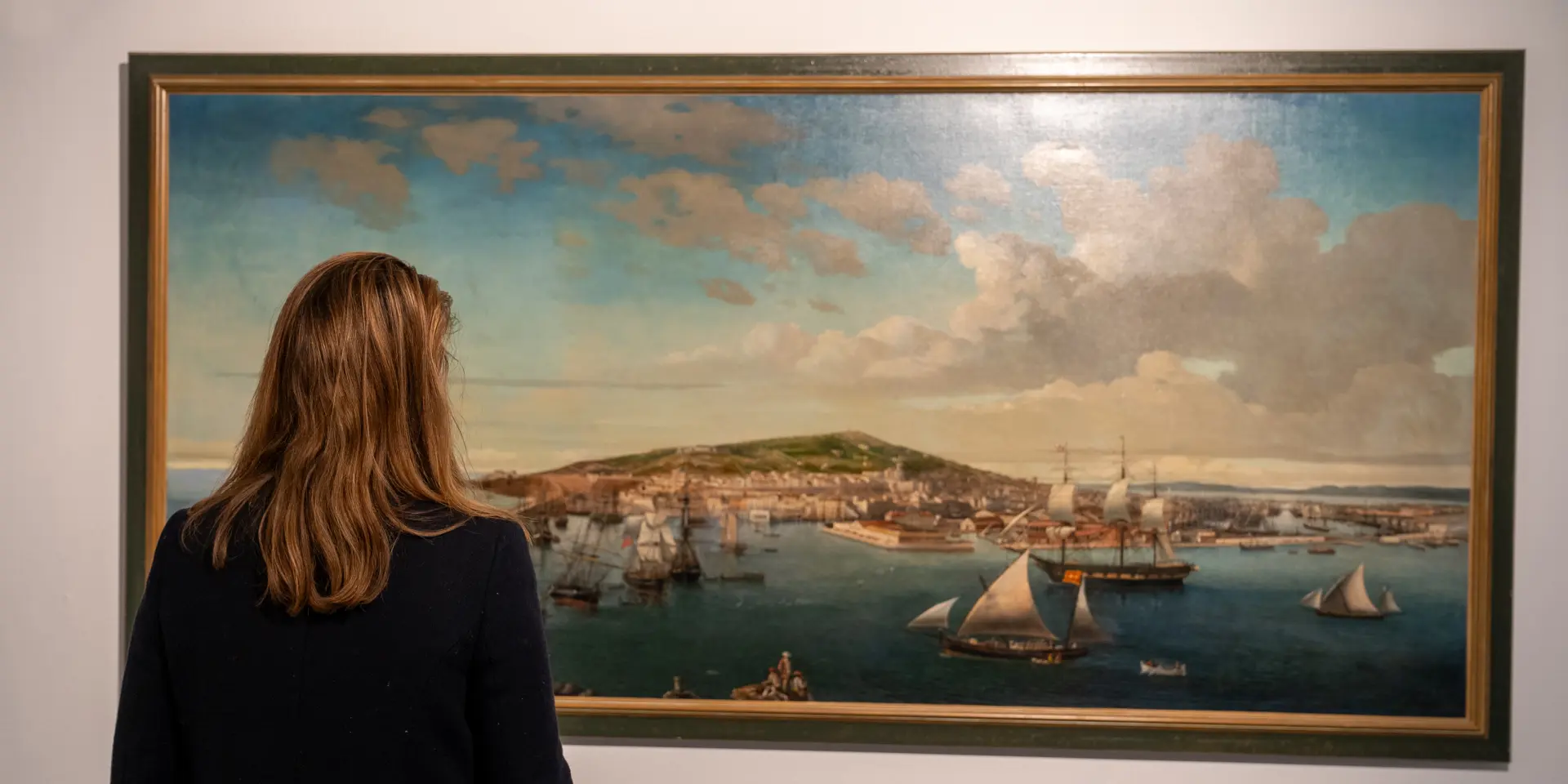
Exhibition marking the 350th anniversary of the town of Sète.
|
A guided tour from the young Georges to the great Brassens
|
A guided tour from the young Georges to the great Brassens
|
A guided tour from the young Georges to the great Brassens
|
He was born here in 1921, on a street in a working-class neighbourhood. Sète has never forgotten its “Uncle Georges”. The museum dedicated to him at 67 Boulevard Camille Blanc welcomes 50,000 visitors a year. People come from all over the world to get to know the man behind the songs.
The tour begins with a stereo headset. Brassens’s voice then guides each visitor through 800 m² and 10 themed rooms. He recounts his childhood in Sète, his early days in Paris where he slept in a cupboard, and his unexpected successes. The display cases reveal scribbled manuscripts, photos from tours and personal belongings. We discover a demanding man, an anarchist by conviction, and a loyal friend.
The video room screens filmed recitals. Some visitors linger for a long time, others leave moved. The resource centre offers further insights, and musical evenings are regularly held at the museum. Just opposite, at Le Py cemetery, lies Georges Brassens alongside his parents and his Püpchen. The simple grave facing the sea attracts admirers every day.
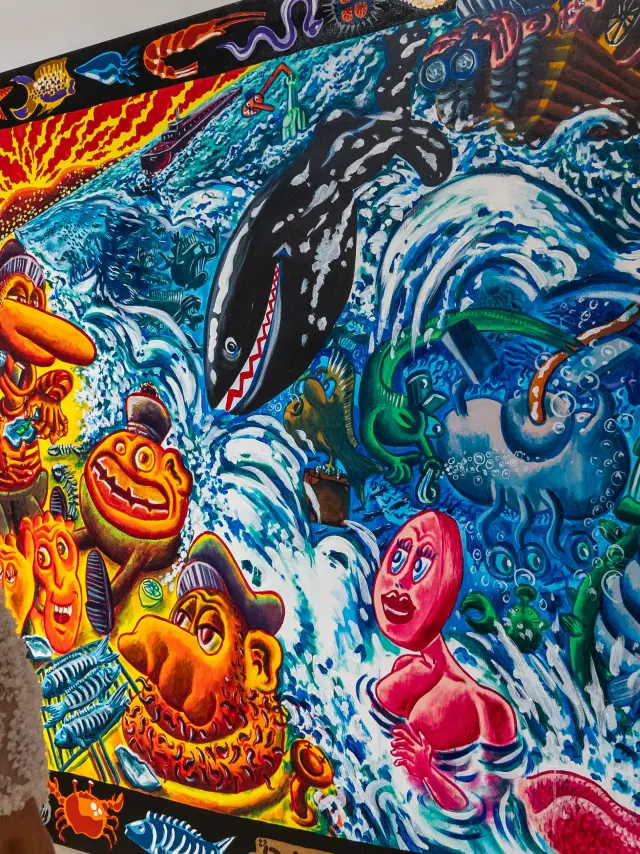
Figuration libre, a painter from Sète
|
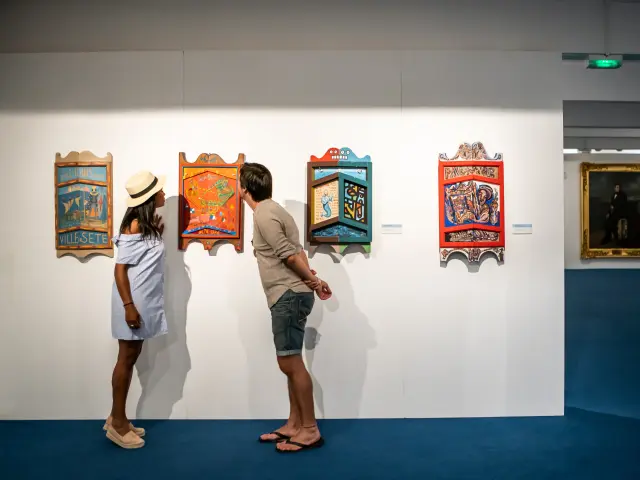
COUPLE_PAUL_VALERY_MUSEUM
Perched on the slopes of Mont Saint-Clair, the Paul Valéry Museum overlooks the marine cemetery and the Mediterranean. The concrete and glass building, designed by Guy Guillaume in the early 1970s, blends seamlessly with the landscape. The terrace offers a striking view of the harbour and the sea, which changes colour with the time of day.
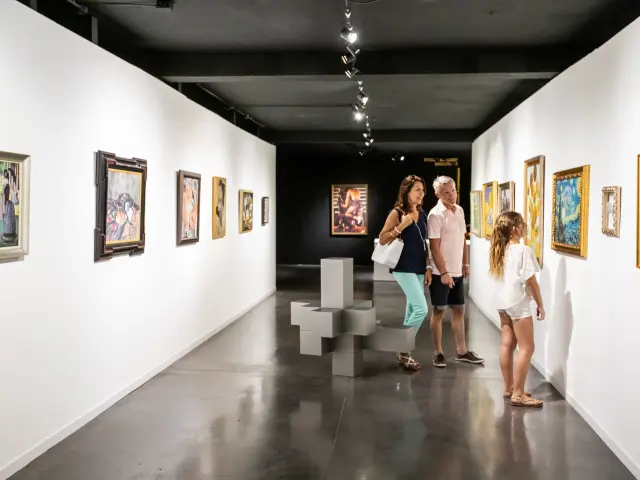
The museum houses around 4,000 works. Over 700 paintings and a thousand drawings trace the history of the fine arts from the 19th century to the present day. Orientalists, Academics, Modernists: all were captivated by Sète and its light. The Paul Valéry collection comprises nearly 300 documents, including manuscripts, rare books and 80 drawings and watercolours by the poet himself.
The museum regularly hosts major temporary exhibitions. Robert Combas, Raoul Dufy and Édouard Manet have already been featured here. The gardens surrounding the museum come alive with the programme’s events: lectures, literary gatherings, poetry readings and open-air concerts. The restaurant “Midi là-haut” has a shaded terrace where you can enjoy lunch overlooking the sea. A perfect interlude between visits to the galleries.
Opened in 2014, it is the newest of Sète’s museums. Situated between the Théâtre de la Mer and the marine cemetery, this sleek building overlooks the sea. The location says it all: what better way to talk about a port than by looking out to sea?
Since the 18th century, Sète has built its history on the water. The museum traces this maritime adventure through paintings, old photographs, navigational instruments and sailors’ artefacts. Interactive displays and videos round off the visit.
The museum’s treasure is the collection of model boats crafted by the former shipwright André Aversa. Unique in France and listed as a Historic Monument in 2010, it features gondolas, catamarans, ox-boats and trawlers. These models bear witness to a craft passed down from generation to generation, now lost.
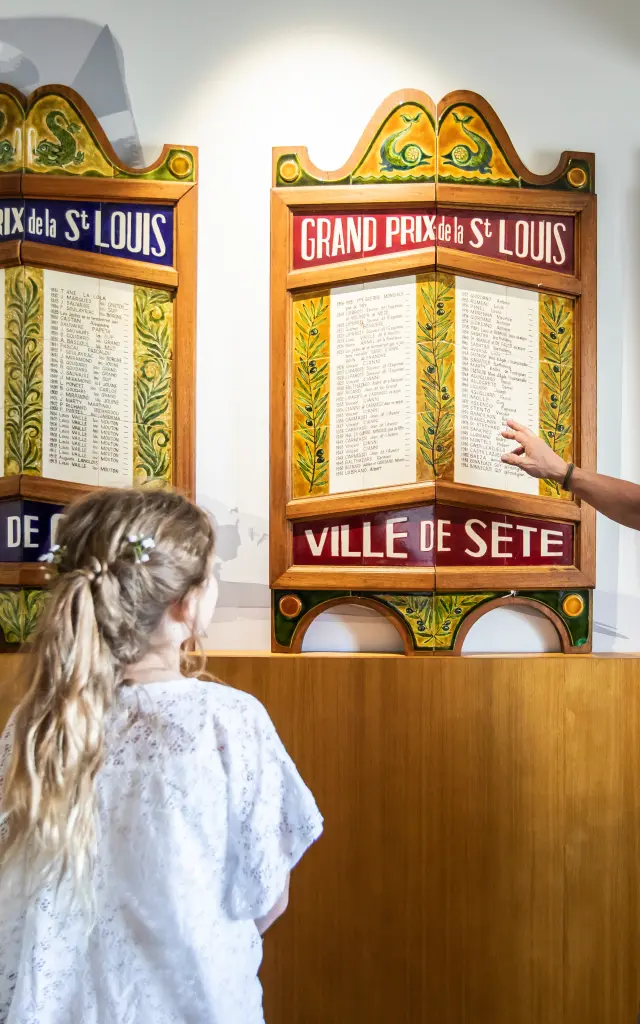
Two rooms celebrate Languedoc jousting. Colourful breastplates, tournament lances, flags and embroidered costumes: everything serves as a reminder that every year at the end of August, the Saint-Louis festival electrifies the town for six days. On the Cadre Royal, the jousters clash amidst a din of splashing water and shouts. A spectacular sport deeply rooted in Sète’s DNA.
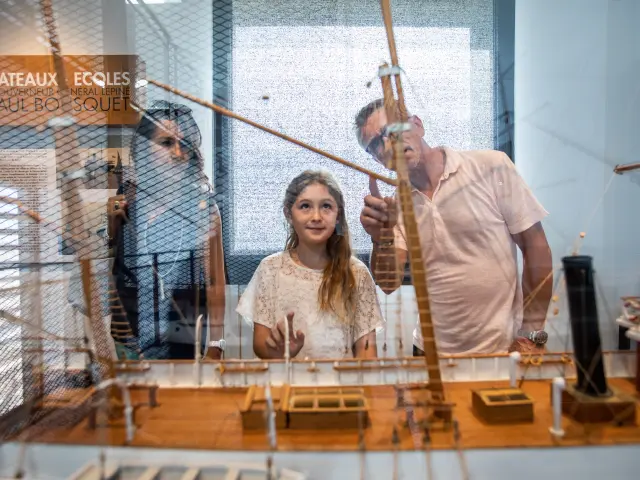
THE SEA MUSEUM FOR FAMILIES
|
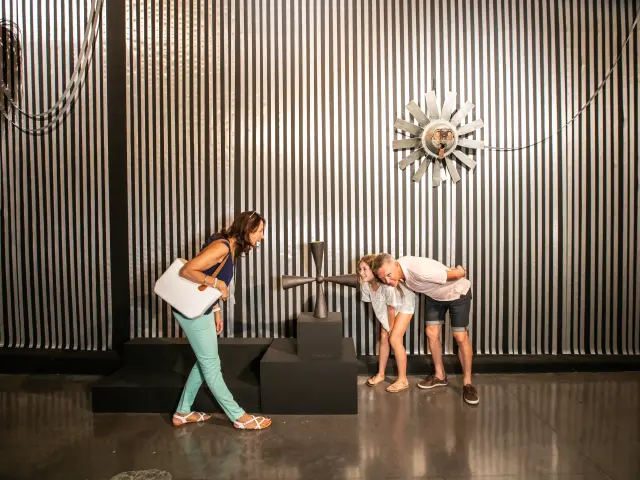
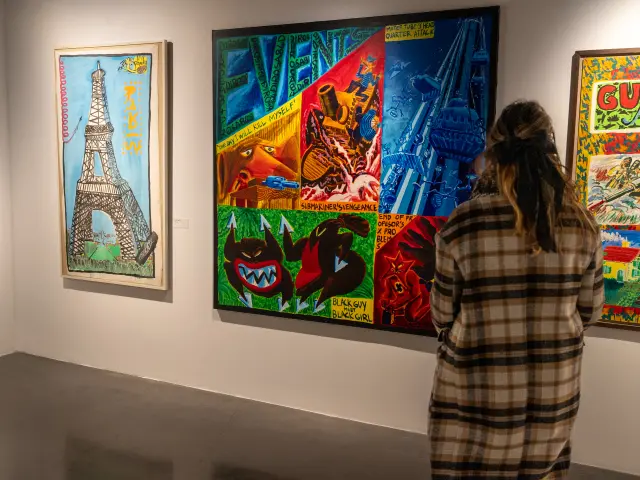
The International Museum of Modest Arts was founded by the artists Hervé Di Rosa and Bernard Belluc. Established in 2000 in a former wine cellar refurbished by Patrick Bouchain, the museum has developed a unique concept on the banks of the Royal Canal.
Modest art focuses on everyday objects that we no longer notice. Forgotten toys, figurines unearthed at flea markets, promotional gadgets, tacky trinkets: the museum presents them from a new angle. Suddenly, these little trifles reveal their hidden poetry.
On the second floor, the permanent collection brings together treasures from childhood in a ‘playful archaeology’ approach. We are transported back to childhood in the presence of these toys that populated our imaginary adventures. The temporary exhibitions blend modest art, art brut and contemporary art, constantly questioning the boundaries between these worlds.
Ending a cultural tour in a chapel may come as a surprise. This one has swapped the religious for the artistic. Deconsecrated in the early 20th century, the former convent of the Sisters of Saint-Maur now hosts contemporary art in the historic district of Sète.
The space is intimate. The vaulted ceilings create a unique acoustic atmosphere that shifts depending on the works on display. A sculptor engages with the stonework, a painter plays with light, and a video installation transforms the former nave.
The exhibitions change with the seasons, showcasing local artists or those passing through. If you happen to meet the artist during your visit, do feel free to have a chat. Guided tours led by the artists themselves are regularly offered.
Since June 2022, the Museum Pass has provided access to the five museums for one month for €15.
The pass covers the three museums that charge an admission fee (the Espace Georges Brassens, the Paul Valéry Museum and MIAM) and also grants access to the two free museums (the Maritime Museum and the Quartier Haut Chapel). This allows you to explore the cultural offering at your leisure, spreading your visits over several days.
THE SEA MUSEUM FOR FAMILIES
|
Roman villa, tour.
|
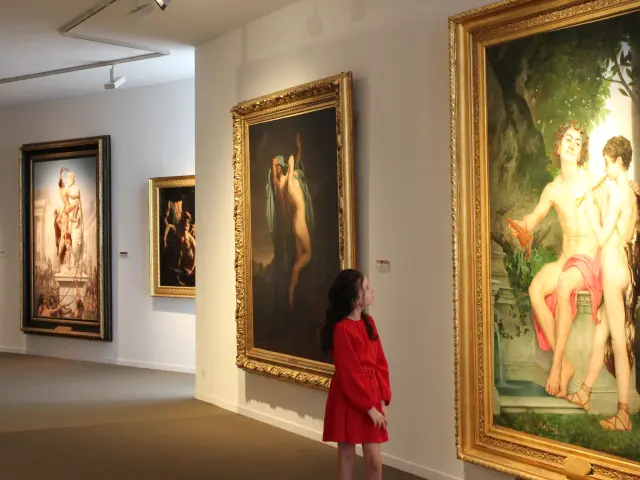
A young girl at the museum.
|
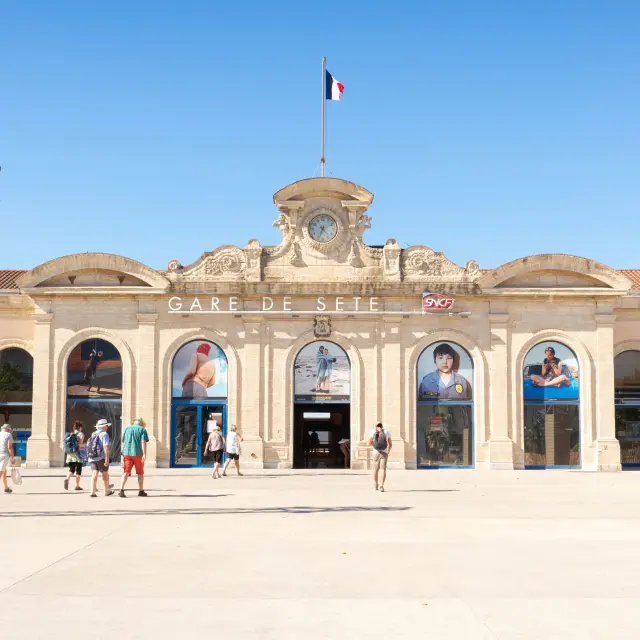
By train, the Montpellier–Narbonne TER service stops at Sète station every hour.
LIO and SAM buses connect Sète to the neighbouring towns of Mèze, Balaruc-les-Bains, Marseillan and Frontignan.
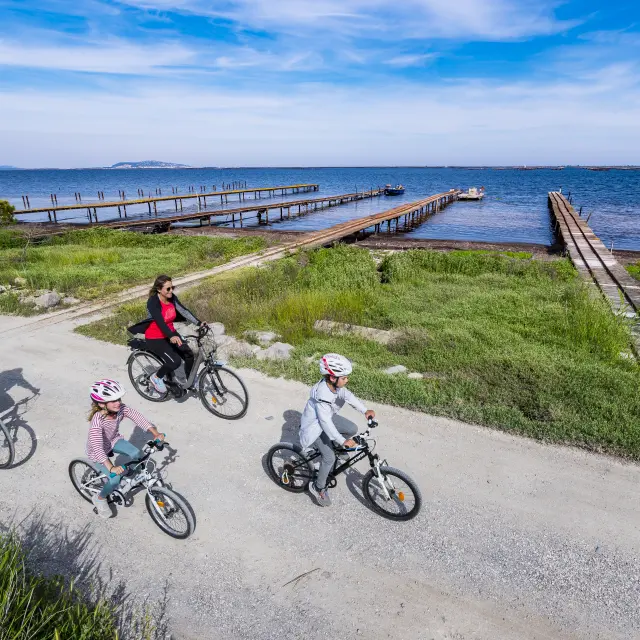
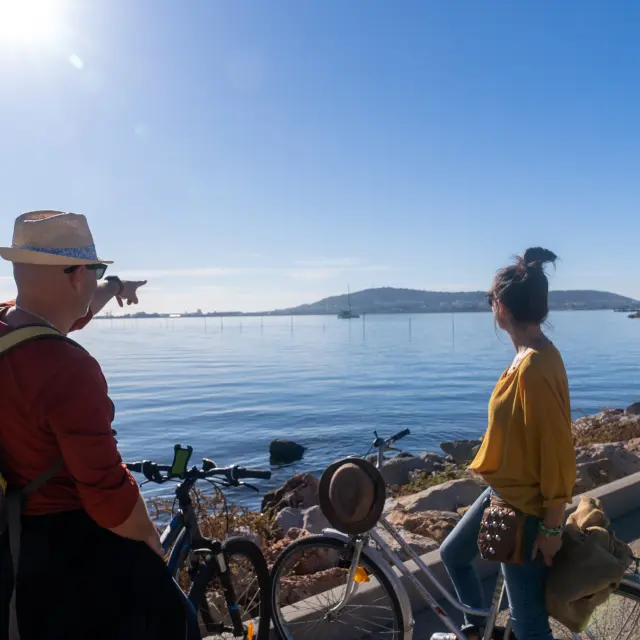
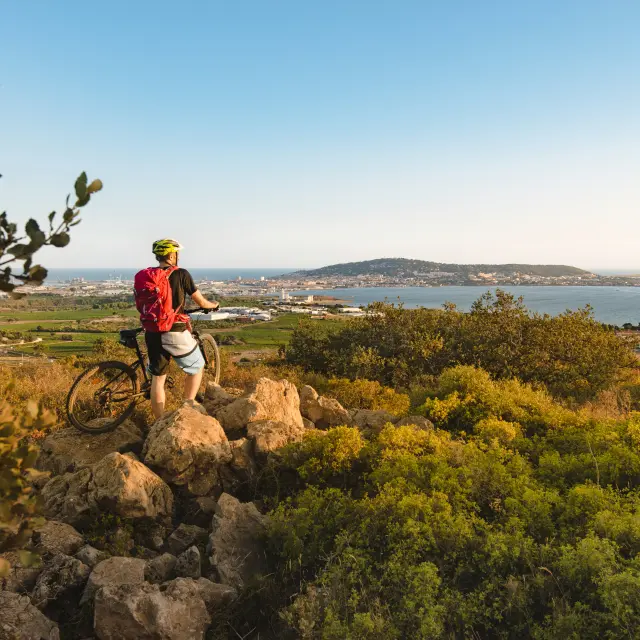
By bike, the cycle path runs alongside the lagoon from Marseillan or Mèze. There are several bike hire shops in town.
Fancy coming to Sète by boat? Every year, the ferry service between Sète and Mèze runs daily return trips from Mèze harbour to Sète station.
By car, the A9 provides direct access to the town.