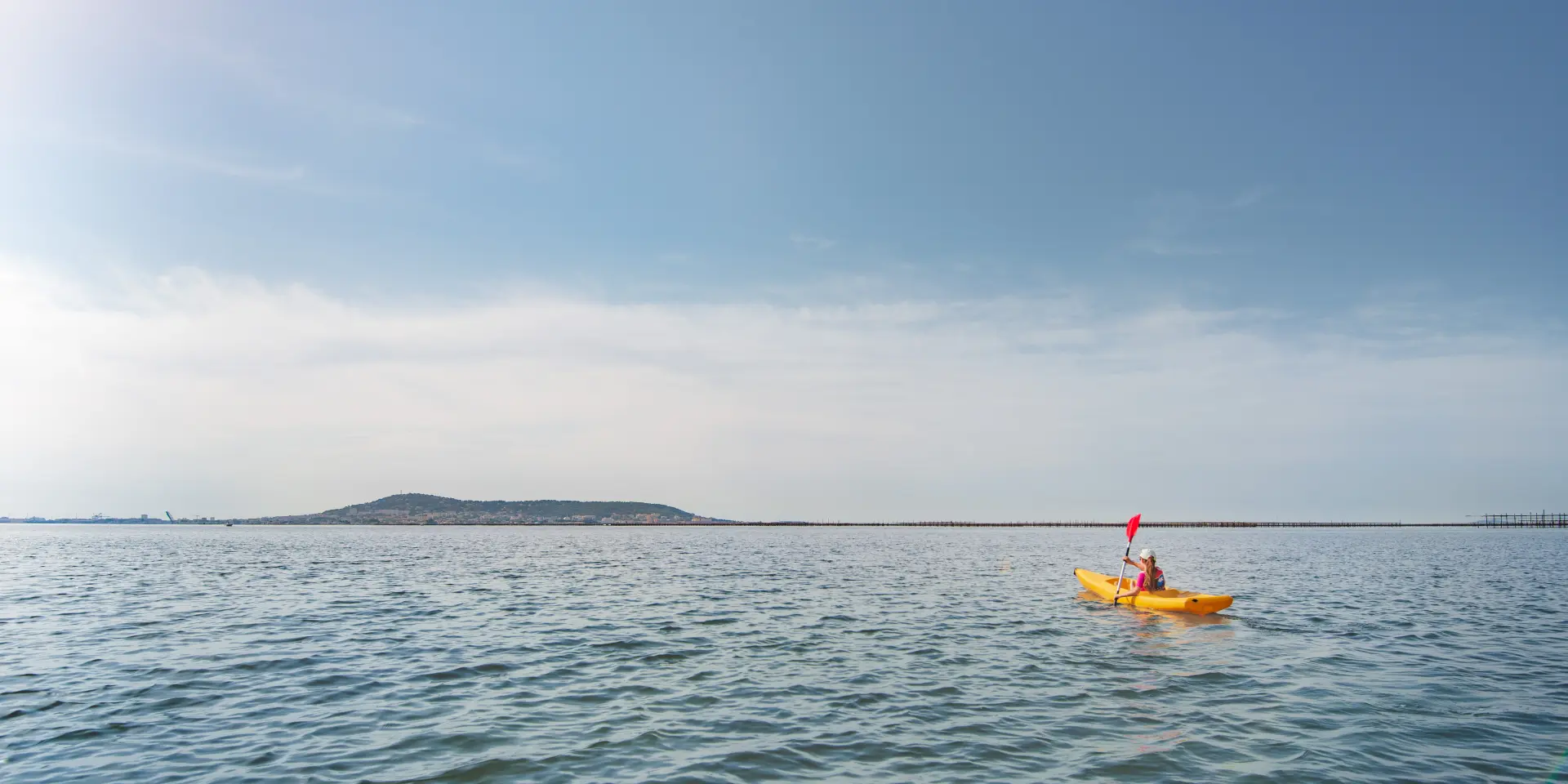
Kayaking on the Thau Lagoon, Bouzigues
©

Kayaking on the Thau Lagoon, Bouzigues

|

N_CHAUVEAU_OT-THAU

Is it possible to swim in the Thau lagoon?

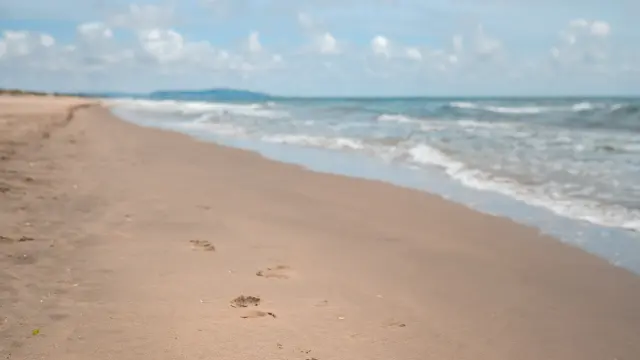
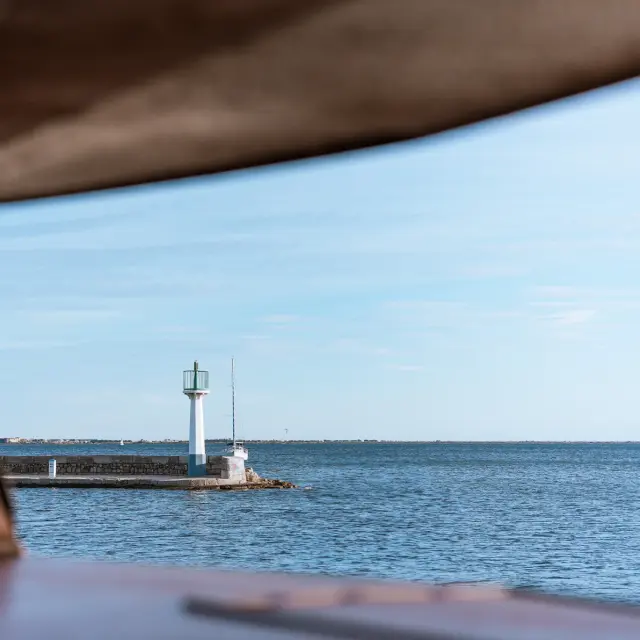
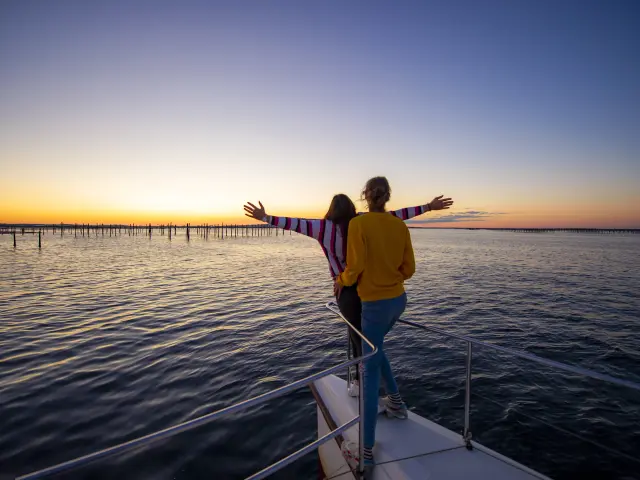
Imagine water warmer than the sea, where the waves gently lap the shore and children can splash about in complete safety. Meanwhile, you can admire the oyster beds and Mont Saint-Clair whilst listening to the lapping of the water. The Thau Lagoon offers a unique swimming experience, quite different from Mediterranean beaches. But where exactly can you take a dip in this vast 7,500-hectare body of water?

A lagoon where nature meets tradition

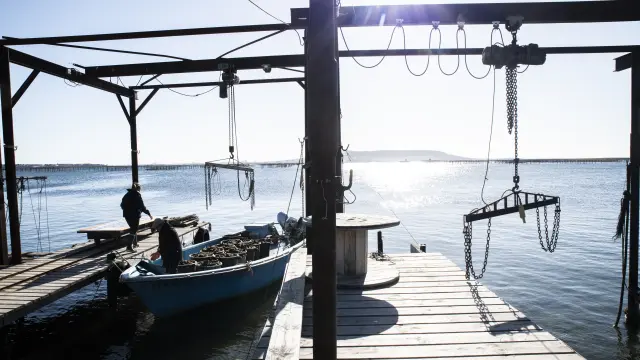
The Thau Lagoon is the largest body of water in Occitanie and the leading shellfish-farming area in the Mediterranean. This dual identity shapes its character: on one side, the oyster beds that supply 600 shellfish farms and produce over 12,000 tonnes of oysters a year. On the other, there are developed beaches where swimming is not only permitted but encouraged.

Swimming remains prohibited in shellfish farming areas, those vast expanses where the farming tables are lined up. But four local authorities have created dedicated swimming areas, supervised during the season and regularly monitored by the Regional Health Agency. The water there is gentle on the skin, warm for the body, and calming for the mind.
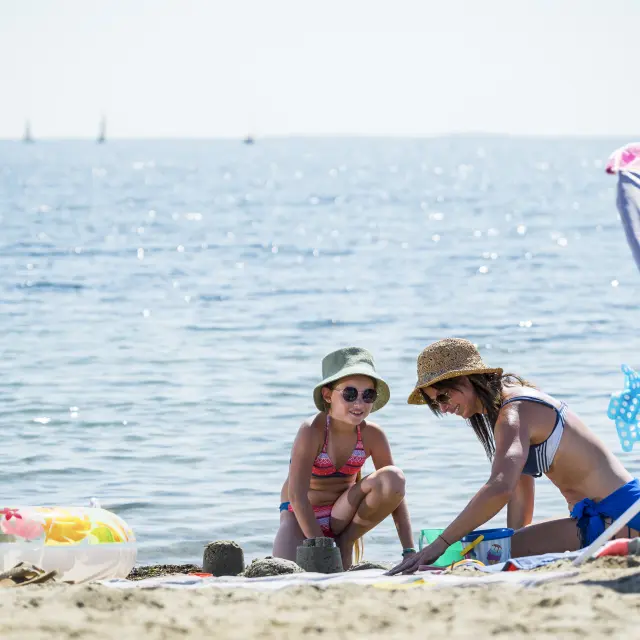
Balaruc-les-Bains A paradise for families

Mèze The beach just a stone's throw from the village

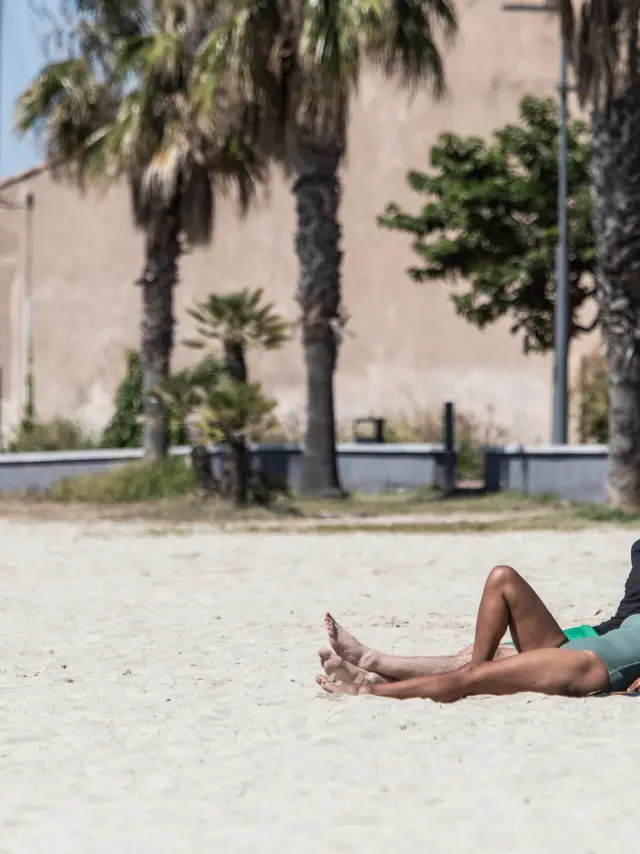
Bouzigues Sunbathe away from the hustle and bustle

Why is the water in the lagoon so pleasant?

Swimming in the lagoon isn’t like diving into the Mediterranean. The experience is different, gentler. First of all, there’s the temperature. With an average depth of just 4.5 metres, the water warms up quickly in the sun and retains its heat.

Come spring, it’s already around 20°C. In the height of summer, it easily reaches 26°C, sometimes 28°C. Those who feel the cold and are happy just to dip their toes in the Mediterranean can swim here for hours.

Then there is the lack of waves and strong currents. Parents of young children particularly appreciate this: the little ones can stand for several metres and splash about safely.

The water is salty, as the lagoon connects to the sea via the Sète canals and the Grau de Pisse-Saumes at Marseillan. Salinity varies throughout the year, being lower from February to June and higher from July to January. But it always remains pleasant on the skin.

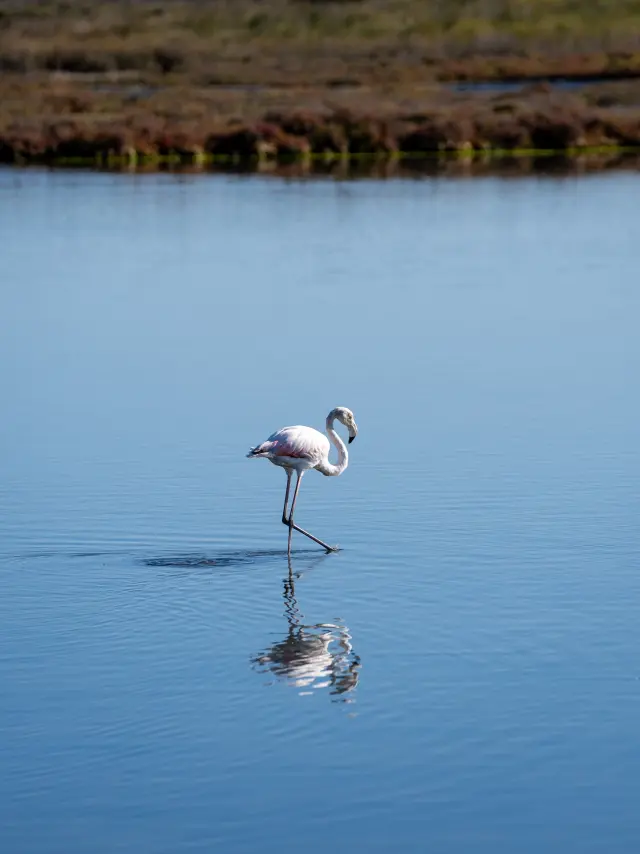
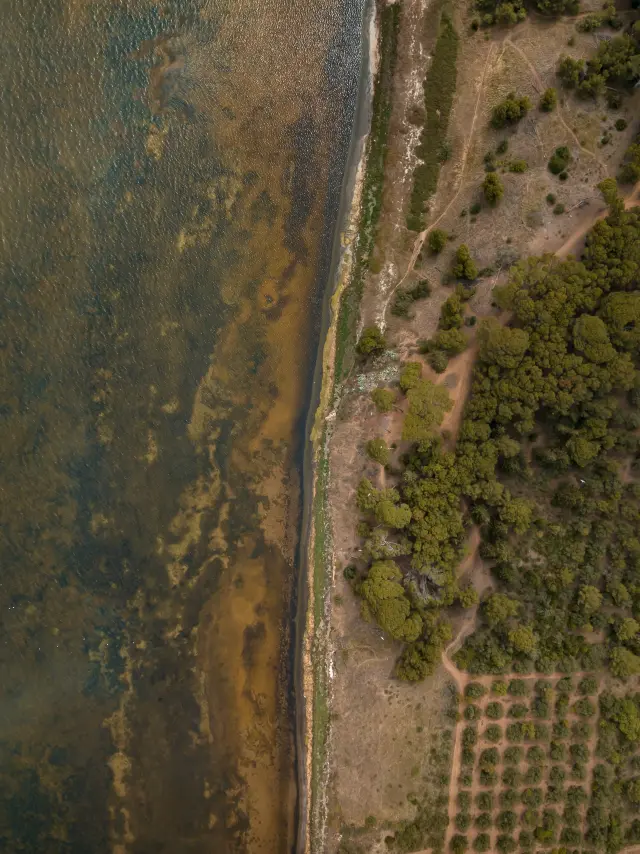
What is also surprising is the clarity of the water. Well-oxygenated, the lagoon thrives on its biodiversity. You can sometimes spot spotted seahorses, pipefish and sea bream. It is a whole ecosystem pulsating beneath the surface, discreet yet very much present.

Water quality under close scrutiny

Respect shellfish farming areas

It would be tempting to dive just anywhere in this vast 7,500-hectare body of water. But there is one rule that must be observed: respect the shellfish farming areas. The plots where the oyster and mussel beds are located cover a large area of the lagoon. Swimming and diving are strictly prohibited there, and for good reason.

Firstly, to protect the work of the 600 shellfish farms that produce over 12,000 tonnes of oysters a year. These professionals need protected areas to guarantee the hygiene standards of their produce. Secondly, for everyone’s safety: underwater installations can pose a danger to careless swimmers.

But don’t worry: the local authorities that provide developed beaches offer plenty of opportunities to enjoy the lagoon. The swimming areas are clearly marked and supervised. You simply need to follow the rules to enjoy a unique experience, with warm water and picture-postcard scenery.

Key takeaways

The beaches in the lagoon are generallylifeguard-patrolled from mid-June to mid-September, with more intensive patrols in July and August depending on the local council. Water quality can be checked in real time on the local councils’ websites or on the ARS Occitanie website.

All developed beaches have toilet facilities, and several of them offer access suitable for people with reduced mobility. 

The water temperature ranges from 20°C to 28°C in summer, which is significantly warmer than the Mediterranean. Access to the beaches is free, and car parks are available nearby.

There is just one absolute rule: never go near the marked shellfish farming areas and follow the swimming guidelines displayed on the beaches.

Sources

Wikipedia (Étang de Thau), Occitanie Regional Health Agency, Thau Basin Joint Authority, Thau Archipelago Tourist Offices, Hérault Tourisme, guide-tourisme-france.com

Going further...