The prestigious heritage of the Thau Archipelago
The history of the traditional Bouzigues oyster dates back to ancient times. Before oyster farming began, coastal farmers and residents of the Thau basin fished for clams, mussels and flat oysters there. Archaeological discoveries made during excavations of the Gallo-Roman villa at Loupian have confirmed that oysters were harvested as early as this period and traded to Rome.
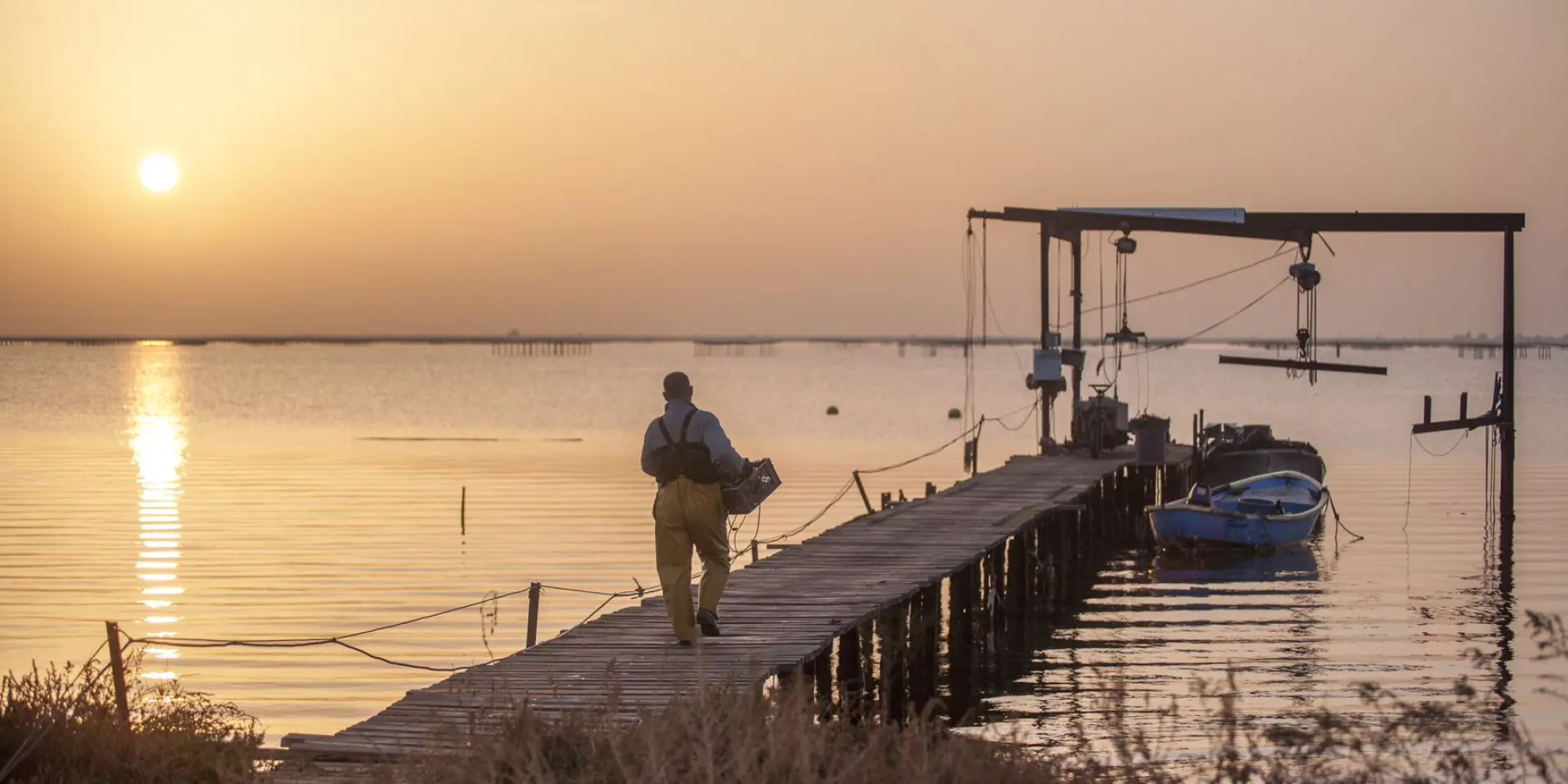
Until the mid-19th century, oyster fishing remained a secondary activity. The Thau lagoon was more prized by fishermen for its eels, clams, sea bass and sea bream. It was the campaigns to restock French oyster beds that gradually sparked the idea of shellfish farming in the lagoon. The introduction of oyster spat from Corsica, Brittany and England proved fruitless, but the professionals persisted. The first floating oyster beds were established in Sète, but polluted waters forced the farmers to leave the canals at the start of the following century. They then moved the beds to the shores of Bouzigues. This marked the beginning of shellfish farming in the Thau lagoon.
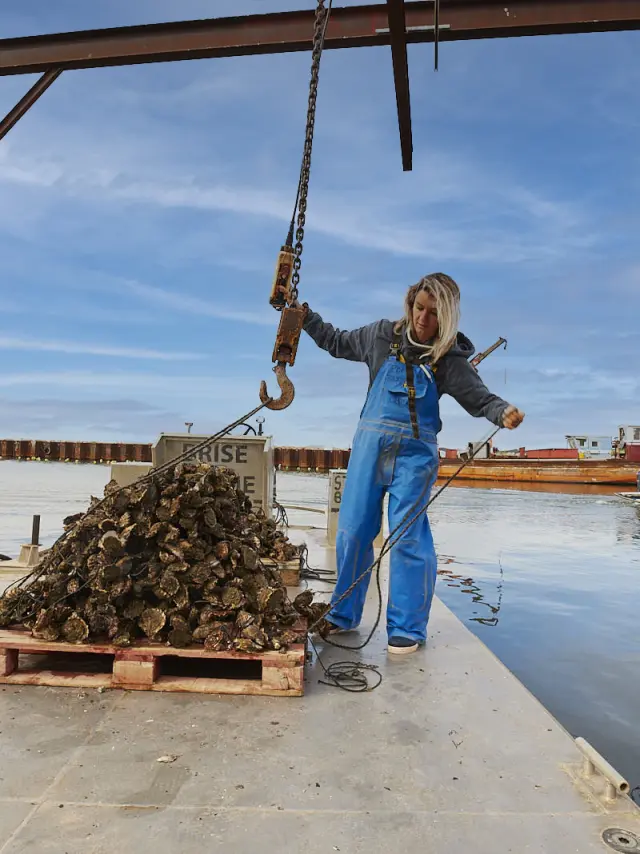
Over the centuries, shellfish farming techniques evolved, the tidal phenomenon was artificially recreated, and oyster farming became an integral part of the local gastronomy. The Thau Lagoon Ethnographic Museum in Bouzigues offers a journey through this prestigious heritage of fishing and shellfish farming.

Opening an oyster
|