©

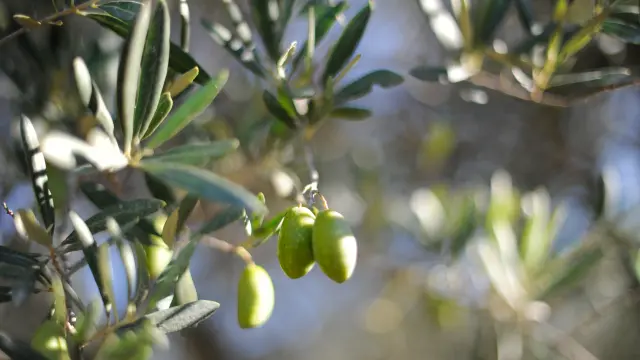
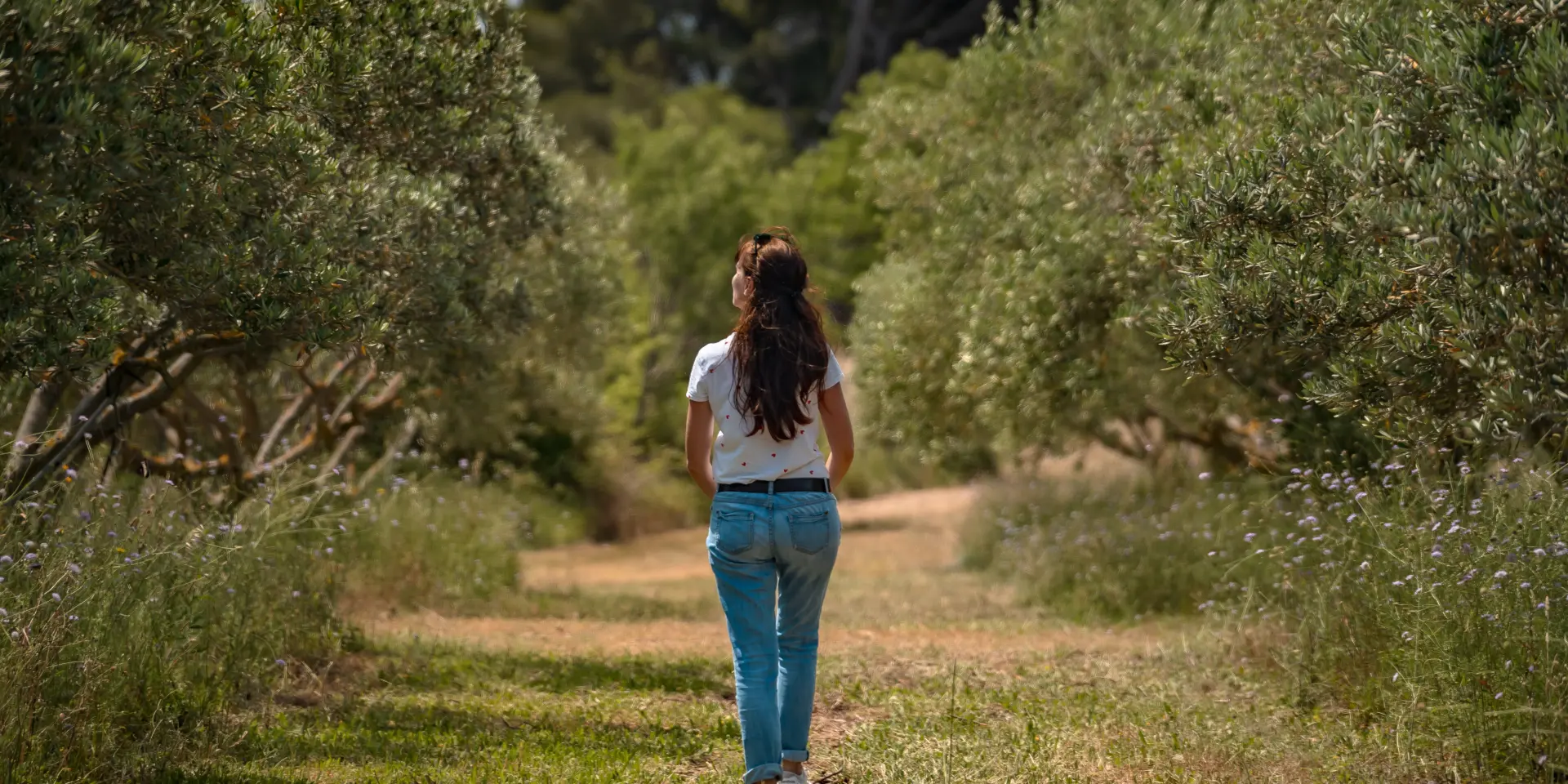
The Moulin de la Dentelle Olive Grove

|

S. Ceron_OT Thau

History of agriculture

When the Land Tells the Story of 2,000 Years of Farming

Set between golden vineyards and a silvery lagoon, the Thau Archipelago reveals an agricultural history as rich as its terroirs. Forget for a moment the oyster beds that have made the basin famous: it is on the landward side that the nourishing heart of this Mediterranean region beats. From Roman amphorae to today’s farmers’ markets, embark on a culinary journey through the centuries.

The legacy of the Romans When wine flowed to Rome

Over 2,000 years ago, in the 6th century BC, the Greeks planted the first vines in this land blessed by the gods. But it was the Romans who transformed the landscape into a veritable wine-growing empire.

Imagine these vast agricultural estates, of which the Gallo-Roman villa at Loupian offers us a striking testament today. Its polychrome mosaics, listed as a Historic Monument, tell of the opulence of an era when wine from the Thau basin was shipped from the ports of Loupian and Mèze to reach the tables of Rome.

The Gallo-Roman villa at Loupian had its own cellar, capable of storing 1,500 hectolitres of wine in huge jars known as dolia. A pottery workshop produced amphorae stamped “M A F” on site, which were then shipped throughout the Empire. The wine trade was so prosperous that a small port was built to the north of the basin solely for the export of the precious nectar.
The Middle Ages The monk-winemakers preserve the heritage

Following invasions and wars, it was the monasteries that saved local viticulture.

Valmagne Abbey, a 12th-century Cistercian gem in Villeveyrac, epitomises this period. Nicknamed the ‘Cathedral of the Vines’, it bears witness to nine centuries of uninterrupted wine-growing history.

Even today, eight generations of winegrowers produce organic wines there. Trade intensified in the modern era. The creation of the port of Sète provided a new impetus: in the 18th century, it became the world’s leading port for cooperage.

The Thau basin, situated in the famous Languedoc wine region, enjoys an ideal Mediterranean climate: dry summers, mild winters, and that unique proximity to the lagoon which gives the wines their freshness and almost briny minerality.

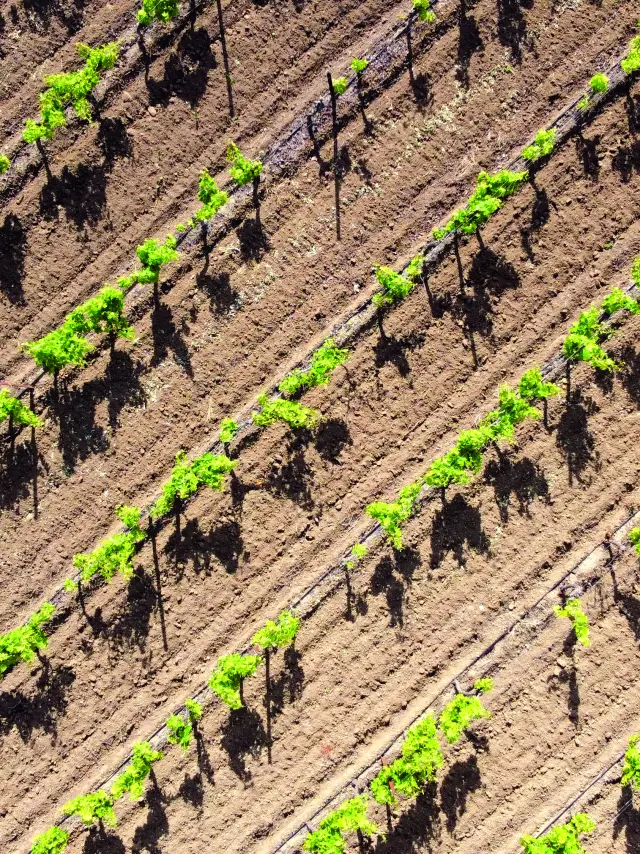
The current 3,478 hectares of vineyards produce wines that pair naturally with the local cuisine.

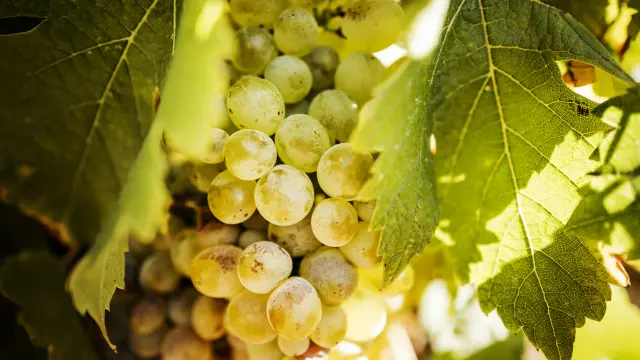
From Mèze to Pézenas, Picpoul de Pinet reigns supreme. This dry white wine, made from a single grape variety—one of the oldest in the Languedoc—seems to have been created to accompany the oysters and mussels of the basin. Further east, between Sète and Mireval, lies the territory of Muscat de Frontignan, a naturally sweet wine with enchanting aromas that Rabelais himself sang the praises of as far back as the Renaissance.

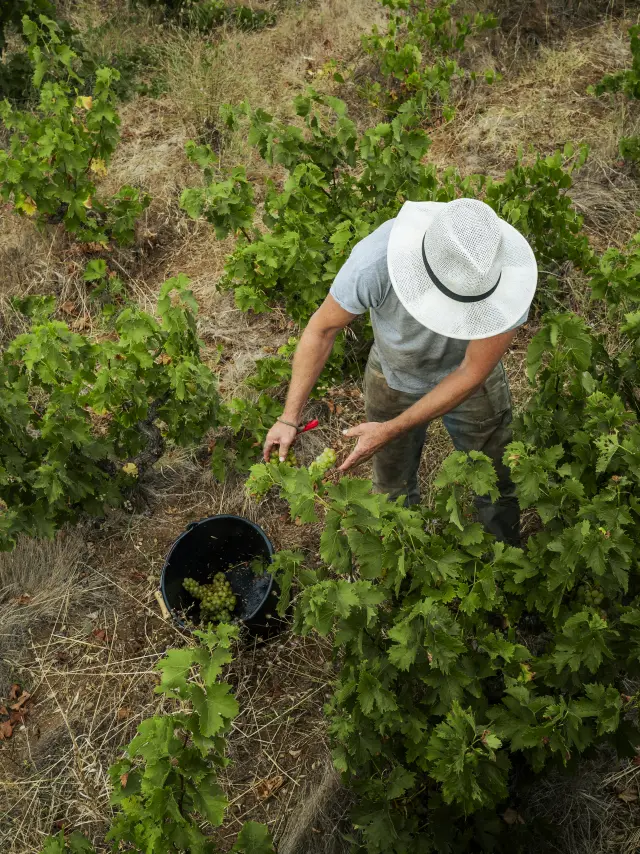
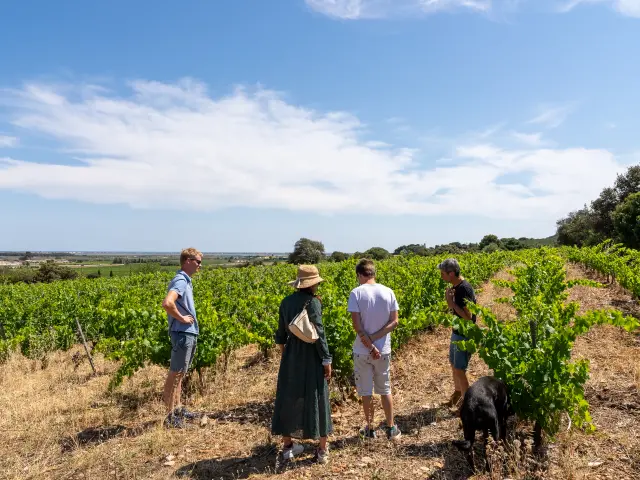
The first destination in the Hérault to be awarded the Vignobles & Découvertes label, the Thau Archipelago now boasts around twenty certified estates that welcome visitors. These passionate winegrowers are happy to share their expertise, their winemaking secrets, and of course, their finest bottles.

Market gardening: the other face of the land

While vineyards dominate the landscape, they have never been alone. In Villeveyrac in particular, the expertise of the farmers is what makes the area famous. Lake Saint-Farriol, a former bauxite mine converted into a reservoir, now irrigates nearly 1,000 hectares of crops.

Passionate growers such as those at Les Vergers de Thau carry on this tradition. Peaches, apricots, apples, pears, tomatoes: everything is picked at peak ripeness for flavours bursting with sunshine. The organic processing workshop extends the pleasures of the season through juices and preserves. But they are not the only ones. Many other market gardeners grow seasonal fruit and vegetables locally, which they then sell at the farmers’ market on Monday evenings in summer, at the Place du Marché aux Raisins, in farmers’ shops or directly from their homes, in their garages, as has been the custom here for a very long time.

Companion planting From olives to wheat

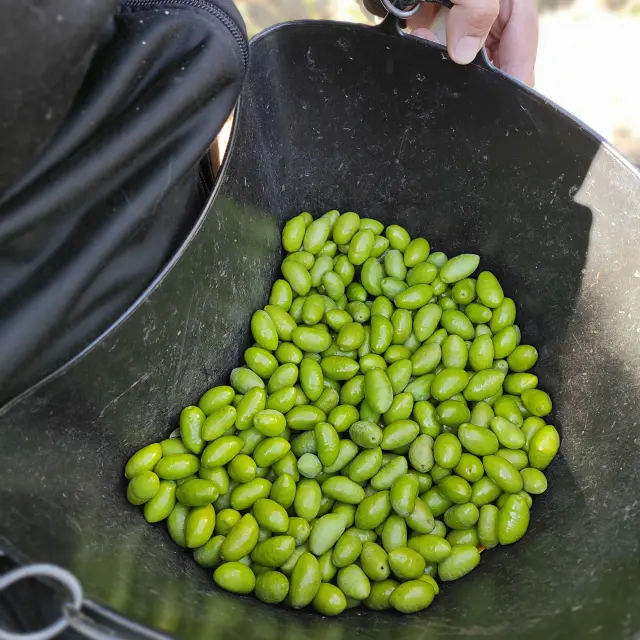
Olive growing, although less widespread than in other regions, forms part of the local agricultural heritage. The olive trees of the garrigue serve as a reminder that the Mediterranean trio (wheat, vines and olives) has shaped the landscape since ancient times.

Cereals played an important role in the mixed farming of the Languedoc. The Canal du Midi, opened in 1681, was used in particular to transport wheat from the Languedoc. Aromatic plants, honey, goat’s cheese and wild herbs also enrich the local terroir.

The revival Sustainable agriculture for the future

Since the 1980s and 2000s, a new chapter has been unfolding. AMAPs (Associations for the Preservation of Small-Scale Farming) are springing up, such as the AMAP Cantagal in Villeveyrac, where vegetables, fruit, spelt and chickpeas are grown in harmony with nature.

The commitment? To produce without synthetic weedkillers or insecticides, to conserve water and to preserve the soil.

Farmers’ markets are springing up all over the region, such as the one in Villeveyrac every Monday evening in summer. The “Paniers de Thau” allow families to buy directly from farmers. Organic farming is gaining momentum: many vineyards have made the switch, including Valmagne Abbey, a symbol of a thousand-year-old tradition that is adapting to contemporary challenges.

Tomorrow takes root today

Faced with climate and environmental challenges, farmers in the Thau Archipelago are innovating whilst remaining true to their land. They are experimenting with drought-resistant grape varieties, optimising drip irrigation and replanting hedgerows to promote biodiversity. The younger generation, often trained in modern agronomy, are returning to set up with bold projects: permaculture, agroforestry and diversified micro-farms.

This 21st-century agriculture honours the lessons of the past whilst embracing the future. It proves that a region can feed its inhabitants whilst preserving its resources, that quality produce can be grown without depleting the soil, and that tradition and innovation are not opposed but complement one another.