There was a time when the canals running alongside this neighbourhood were a popular spot for swimming. Many residents of Sète learnt to swim there in the 1950s, in the two swimming pools set up by Sète’s two legendary swimming clubs, the Dauphins and the Dockers. The canal has always been the setting for sporting competitions, including, in particular, the Sète swimming crossings during the Saint-Louis festivities, traditional rowing regattas and the spring swimming crossing with fins.
From the Civette Bridge, a view of the town’s second artificial island. Surrounded by canals, these former marshes are so named because, as early as 1685, a ‘bordigue’ – a reed fishing weir – was authorised there.
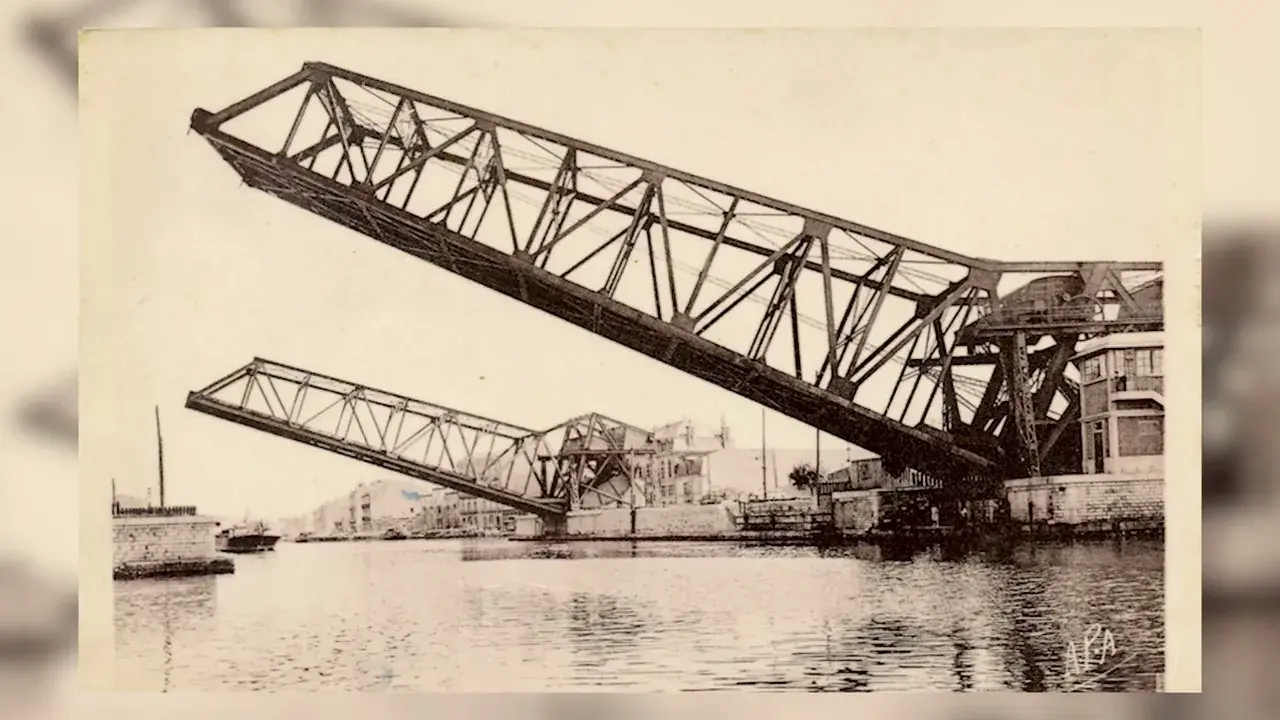
In the 19th century, the port expanded thanks to trade in wine, timber, sulphur, cereals and iron… The construction of the railway station at the other end of this neighbourhood, which opened in 1861 (the third railway line in France to come into service), contributed to this expansion.
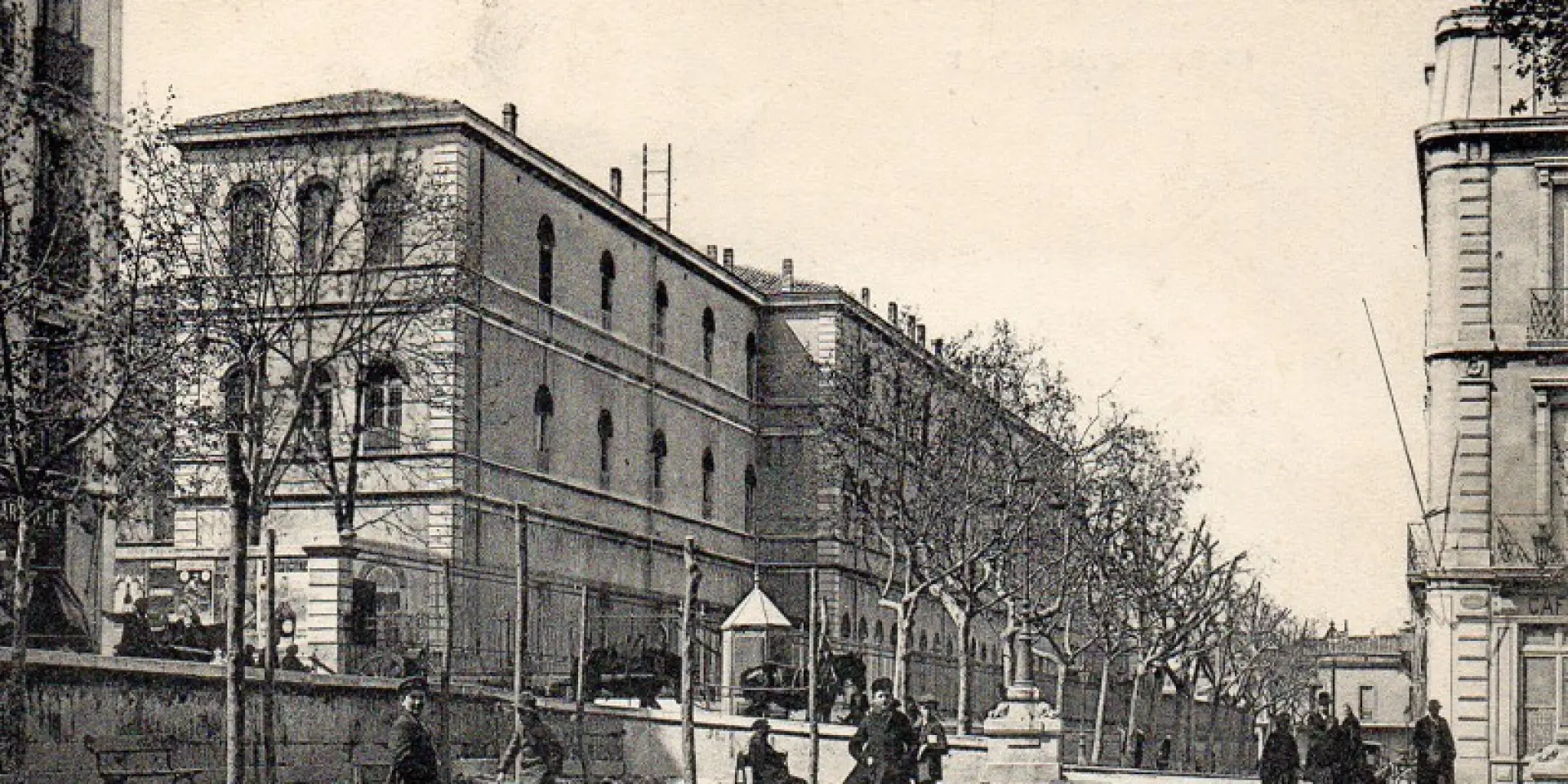
The town’s population tripled between 1820 and 1870, and urbanisation spread towards the Thau lagoon. The Bordigue district bears witness to this prosperous era, with its Haussmann-style buildings and Italian-style theatre.