©

Jean-Louis Delorme: Works and Workshops

|

S_GRANDJEAN_OT-THAU

Jean-Louis Delorme: The sculptor of memories from the Thau basin

In a workshop in Frontignan, Jean-Louis Delorme shapes materials in the same way that others tell stories. At the age of 70, this visual artist has made a choice: to create for his town, its jousters and its traditions. Monumental nativity scenes in the Saint-Jacques chapel, trophies awarded to the winners of the canal races, figurines that capture the spirit of a region. For Jean-Louis, art is part of everyday life, on the streets, on the walls, at the heart of the festivities. An artist who sculpts the memory of the Thau basin.

Updated on 15 June 2026

AN ARTIST WITH DEEP ROOTS

“Even at the age of three, I used to take some clay and make figures or paint,” recalls Jean-Louis. That early calling has never left him. After art school, rather than follow the beaten track, he chose to return to Frontignan, set up his studio there, and establish his work there.

“I am neither a painter nor a sculptor; I am a visual artist. ” A nuance that explains it all: Jean-Louis works with all materials, recycling and transforming them. Newspaper to create an illusion, a pebble and moss to suggest a landscape, wood, clay, elastomer. “ I recycle things a great deal.”

At 70, the artist continues to create with the same passion. “ It’s the journey that counts. It’s the sum of all my experiences.”
THE SCULPTOR OF THE LANGUEDOC JOUSTS

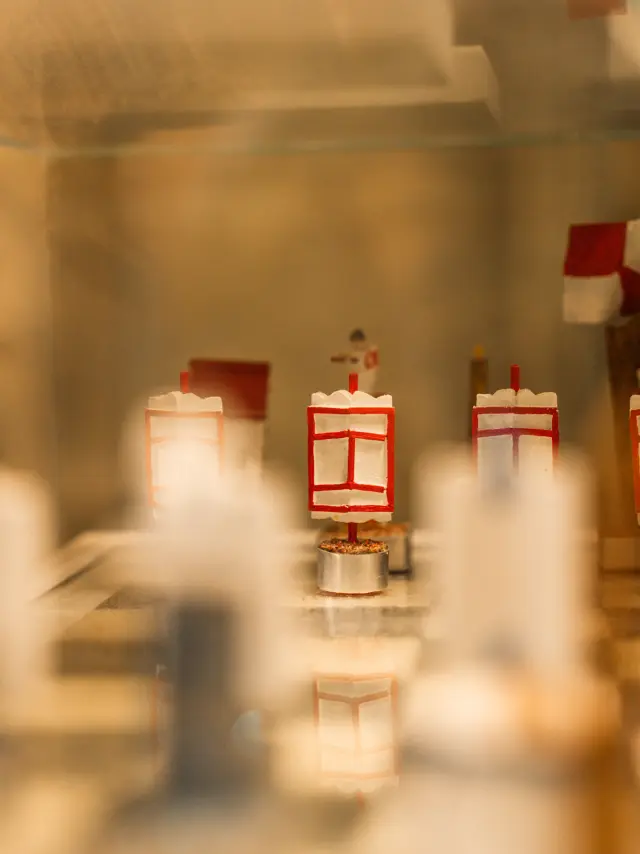
On the shelves of the workshop stand jousters frozen in mid-action, lances pointed, perfectly balanced on their stirrups. Jean-Louis Delorme has become the region’s official jousting sculptor. Every year, he creates the pavois – the painted shields awarded to the winners of the 14 July tournament in Frontignan – and trophies for the jousting clubs.

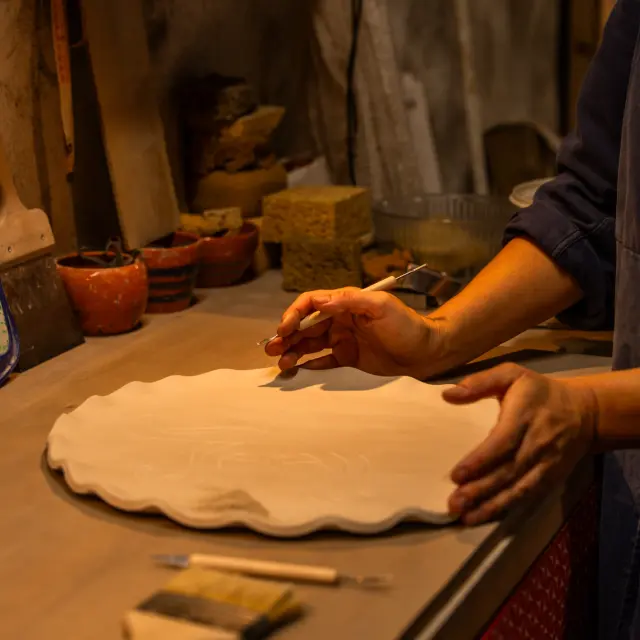
“I use the term ‘figurines’ rather than ‘santons’ because I’m more of a sculptor,” he explains as he works the clay. Watch his hands shaping the body of a jouster, seeking the right movement. “ What I’m after is realism born of knowledge.”

His process is meticulous. Starting with an original clay model, he casts it in elastomer so it can be reproduced. “Once the statuette exists, I work with my knife and that creates a character.” Each piece is unique, never identical. “All my characters look the same, but they are all made individually.”


THE GIANT Nativity Scene: A Local Puppet Show

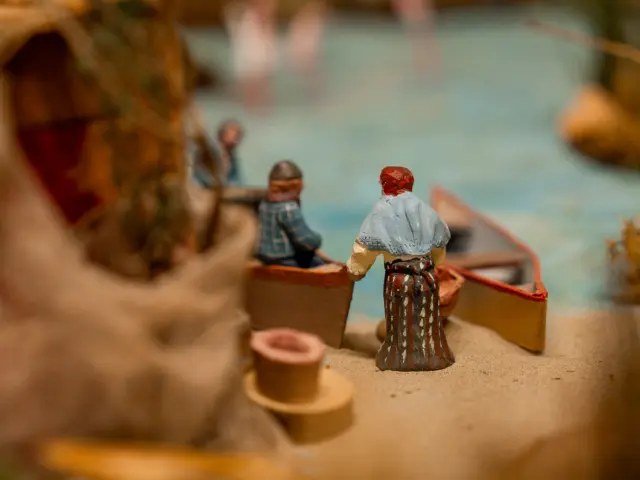
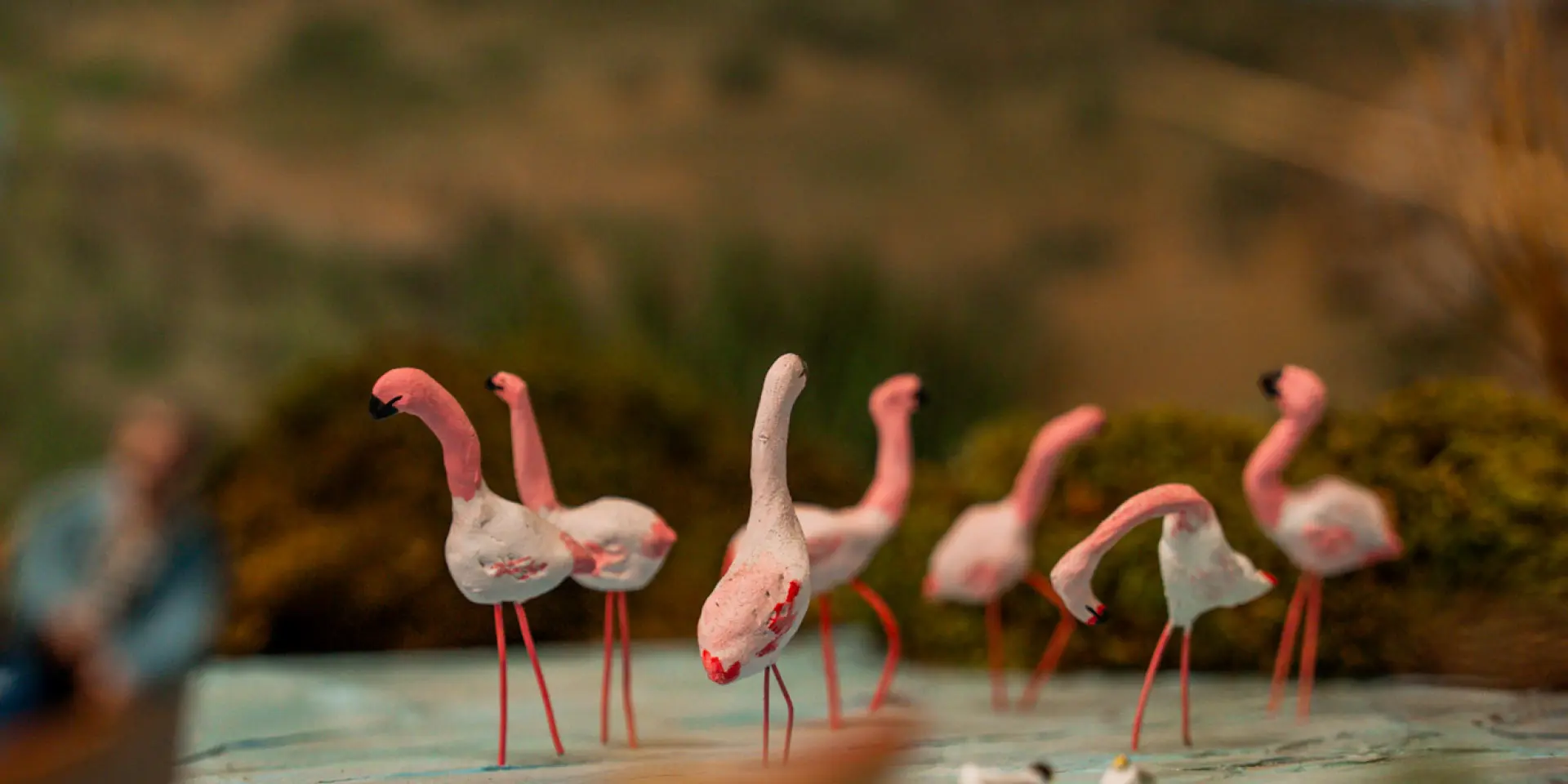
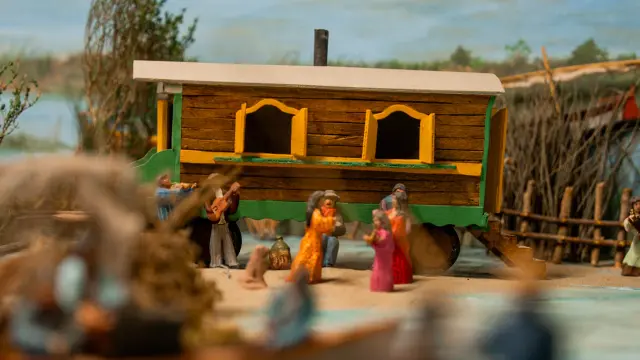
But it is perhaps with the giant nativity scene at Saint-Jacques Chapel that Jean-Louis touches the very heart of Frontignan’s identity. Every year, ‘a bit like the Grévin Museum ’, he creates life-size santons modelled on real people. The local baker, the oyster shucker—iconic figures take their places in settings that are renewed every year.

“I make santons based on people,” he says simply. Behind this apparent simplicity lies a colossal amount of work. Months of secret preparation, figures to be moulded, painted and staged. The nativity scene becomes a veritable theatre of local memory, where every resident of Frontignan can recognise a familiar face.

This “santonade” has become an unmissable annual event. A living work of art that evolves and tells the story of a town through its inhabitants.


A LOCAL IMAGINATION BROADCASTER

Jean-Louis Delorme does not create in isolation. He is what a documentary once called ‘ the visual artist-transmitter ’: someone who transmits images, stories and symbols that nourish an entire community.

The trophies awarded to the jousters become totems. The nativity scenes transform the chapel into a place of living memory. The monuments serve as a reminder of the importance of traditions. “For years, I have worked exclusively in the region,” he says. It is a conscious choice to put his art at the service of the local area.

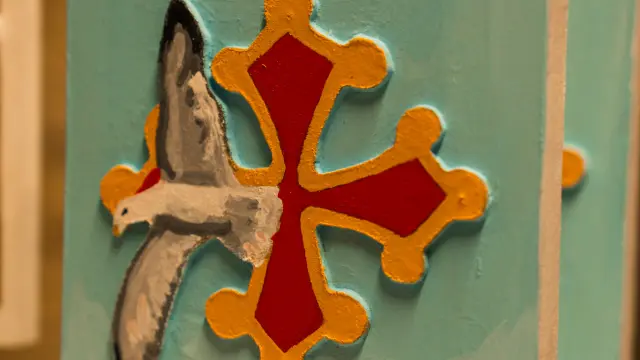
In his studio, other creations are piled up: a chess set where the pieces are jousting boats, a relief painting depicting the oyster seller in front of her bucket of oysters, a carved ‘miraculous catch’. “There’s also a highly figurative style; I’m very figurative.” Every detail counts; every gesture is captured with precision. “ What I enjoy is the journey, ” Jean-Louis repeats. The journey of a life devoted to his town, its people, and their traditions.

So if you’re passing through Frontignan, look for traces of Jean-Louis Delorme. In the Saint-Jacques chapel where his monumental nativity scene stands. On the walls where his jousters seem ready to leap. In the hands of the victors brandishing his shields. And perhaps, with a bit of luck, push open the door to his studio, where the clay waits to become memory.


Going further...