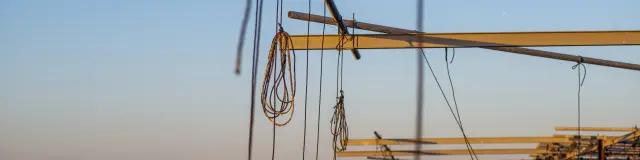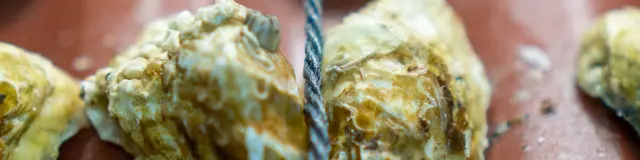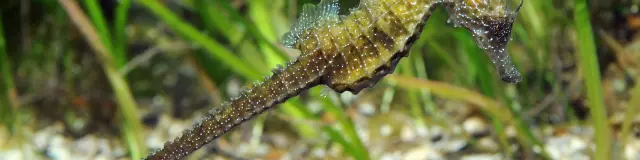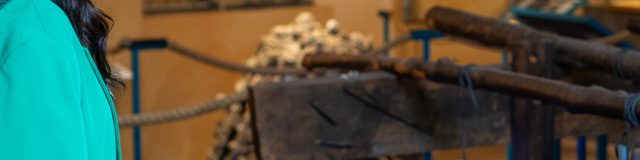
It all began in 1981. Louis Higounet, the future mayor of Bouzigues, came up with a simple yet vital idea: to preserve and showcase the tools of the shellfish farming and fishing traditions before they disappeared. In the Foyer Rural, a first temporary exhibition brought together nets, baskets, fishermen’s tools and shellfish farming equipment. Its success exceeded all expectations. The people of Bouzigues flocked to the exhibition, bringing new items and sharing their memories. The exhibition became permanent.
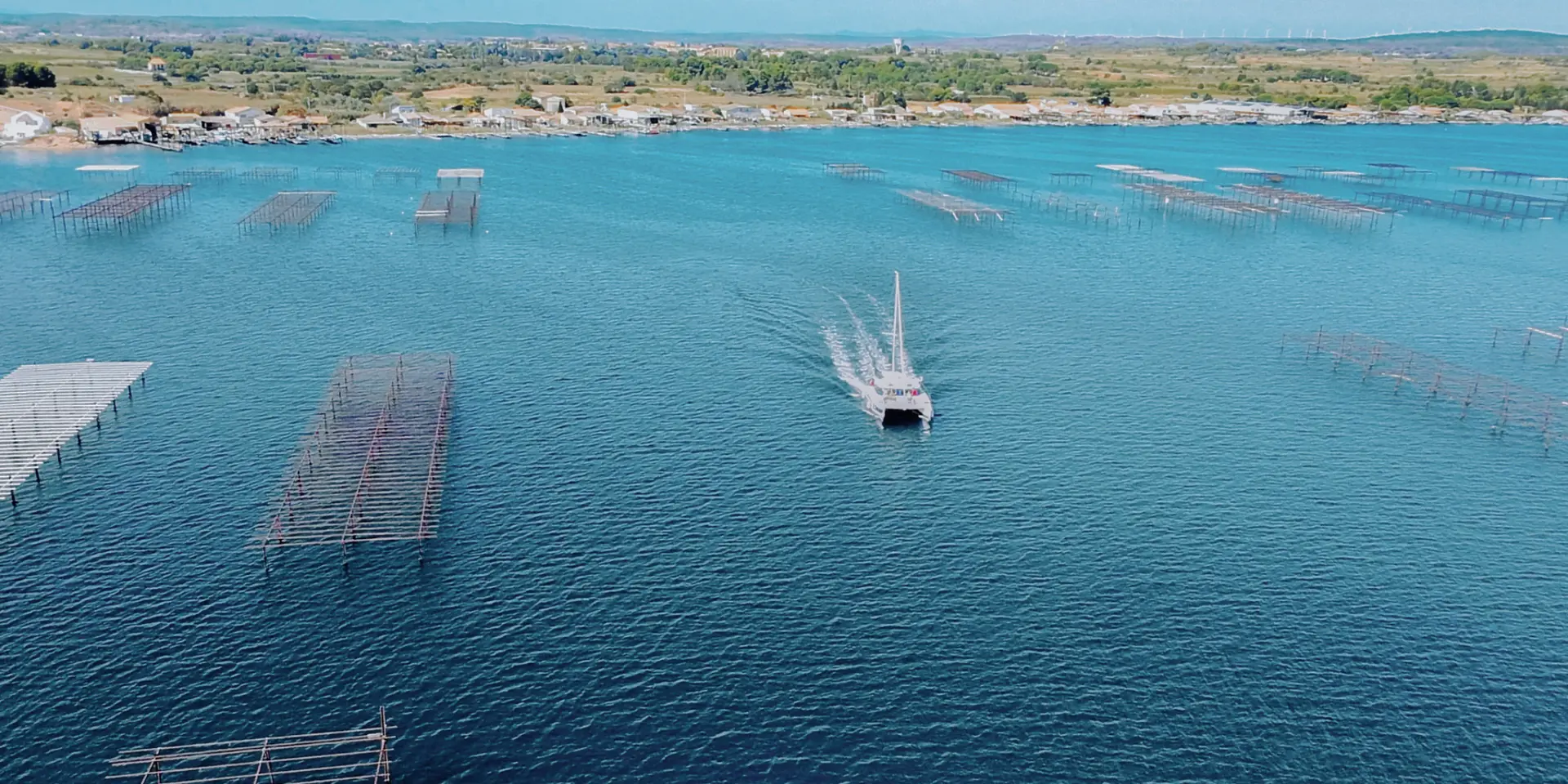
Ten years later, the project took on a new dimension. With the support of the Ministry of Culture, the Regional Directorate for Cultural Affairs and the Directorate of Museums of France, the town of Bouzigues built a building specially designed to house these collections. The Sète-based architect Christian Salvador designed a modern building on the edge of the pond, opening out onto the lagoon. The exhibition design was entrusted to Beb Phalip, Bérénice and François Goni, who devised an original presentation in which the objects are not simply displayed but placed back in the context in which they were used.
On 21 October 1991, the Musée de l’Étang de Thau opened its doors with the ‘musée contrôlé’ label, the predecessor of the current ‘Musée de France’ label. Bouzigues, a village of fewer than 2,000 inhabitants, now has a major cultural asset to pass on its history and traditional skills.