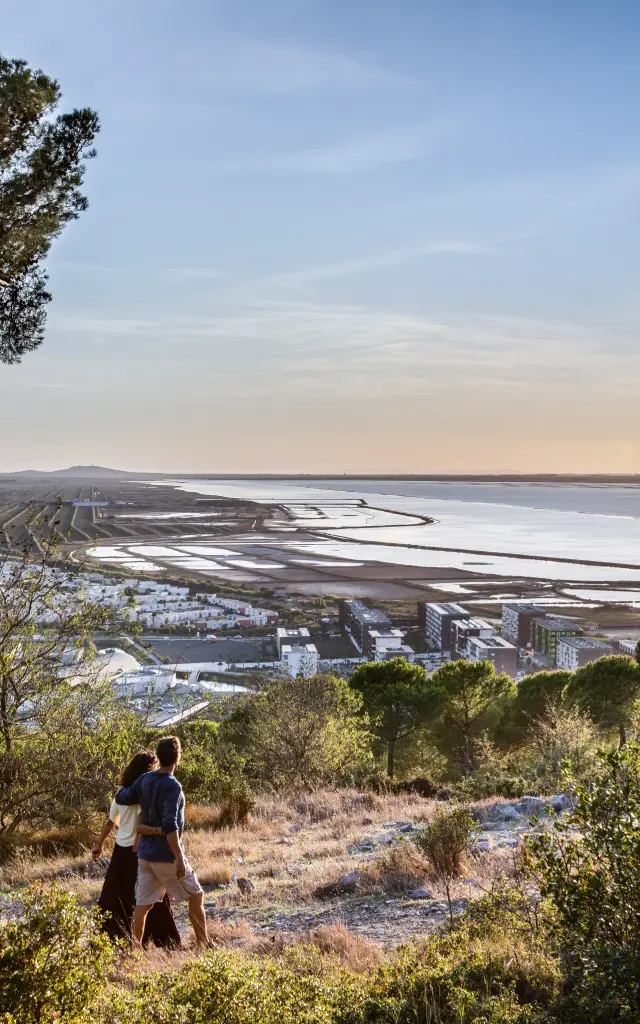
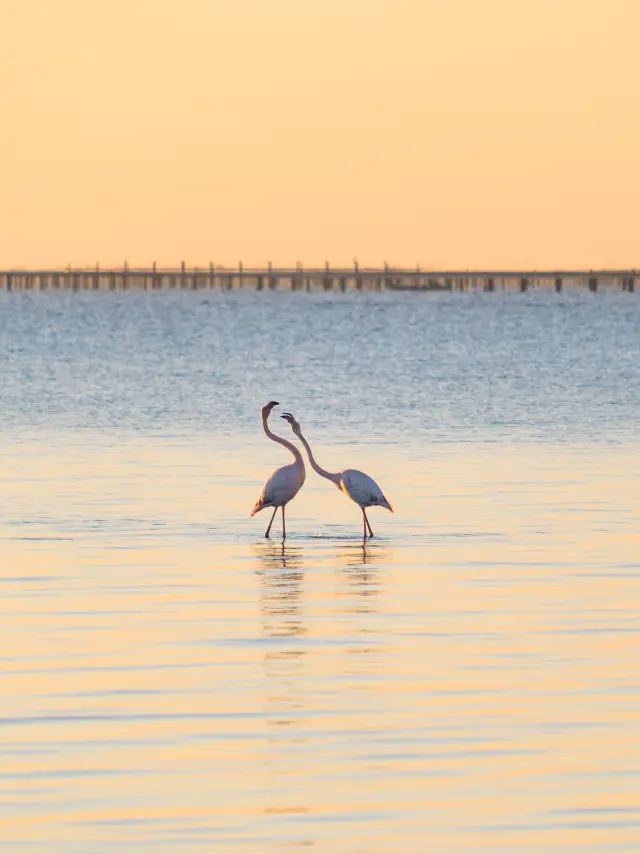
View of the Lido, couple, sunset
|
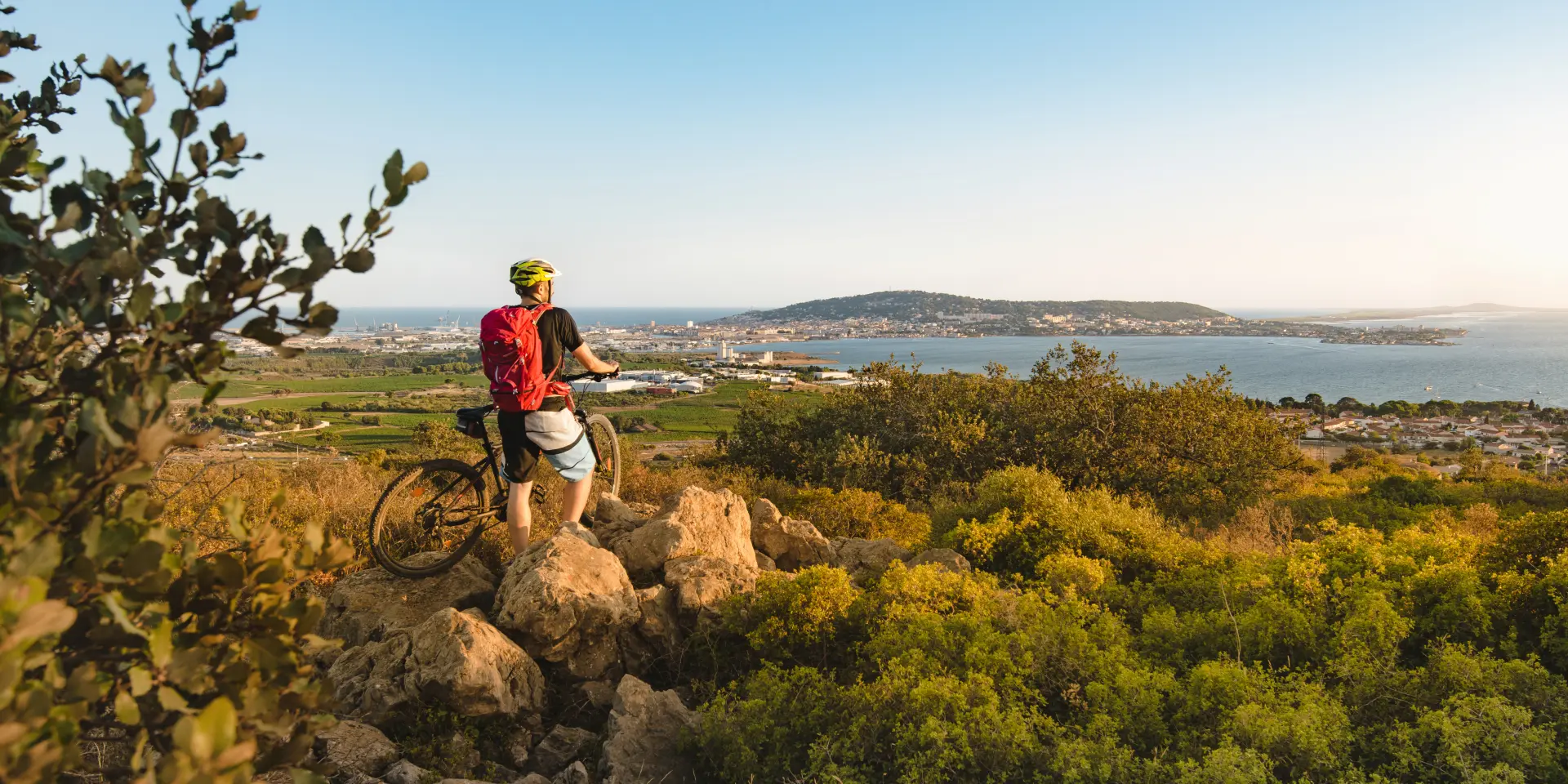
Mountain biking in Gardiole, with views of Sète, Mont Saint-Clair and the Thau lagoon. Landscape, nature, vegetation, man, alone, one, view of Sète, rucksack, scenery
|
Here, the locals live alongside this idyllic setting on a daily basis, and water is undoubtedly a key feature in its own right. Lagoons, ponds and salt marshes are all environments that have shaped the landscapes in which people have been able to develop numerous activities such as fishing, viticulture, salt production and shellfish farming. But before the tasting, we let ourselves be carried along the footpaths winding through the heart of these amphibious landscapes.
View of the Lido, couple, sunset
|
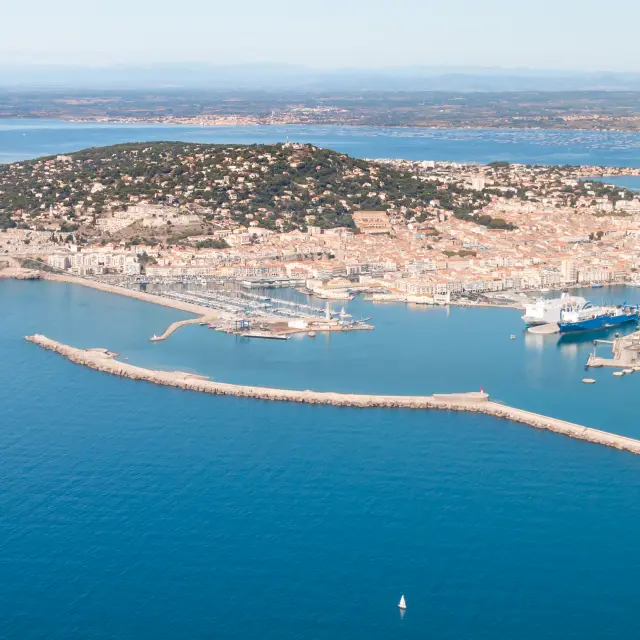
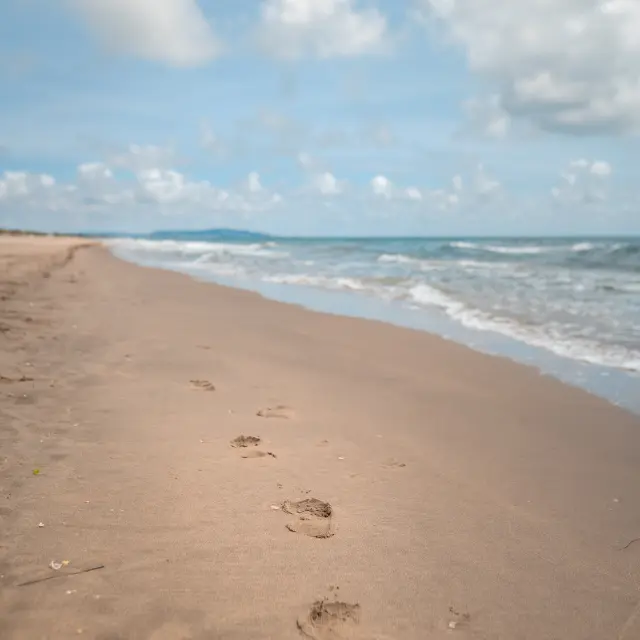
From the heights of Mont Saint-Clair in Sète, the Lido—an endless strip of sand—stretches out before us, between the sea and the Thau lagoon. A greenway runs alongside this beach for over 12 km, perfect for walks or bike rides all the way to Marseillan!
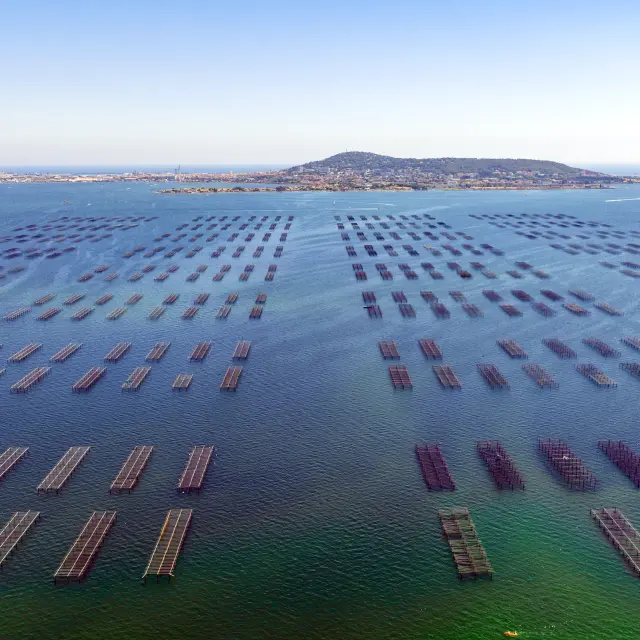
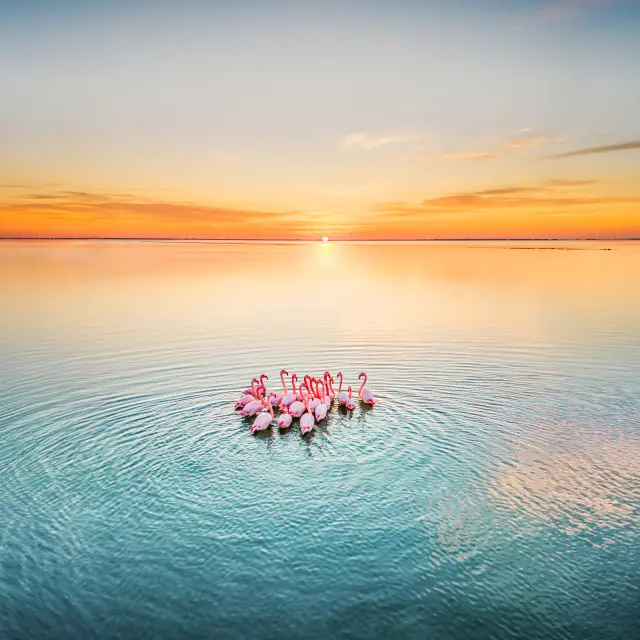
In the old salt marshes, many birds have made their home, including terns, egrets, herons and, more recently, even flamingos. Take a look around and you’re sure to spot patches of vineyards with their roots in the sand. It is on this legendary coastal strip that the famous Listel is produced, the iconic rosé of the Languedoc region. And, on the other side of these endless beaches, the Thau lagoon, a designated Marine Protected Area, is home to a large shellfish farm on the famous shellfish beds, recognisable from afar.
Near Marseillan, the Bagnas Nature Reserve is classified as a Natura 2000 site. A wetland covering around 600 hectares, it is a veritable green lung that is home to a diverse range of habitats, which visitors can explore during public events held throughout the year. 200 species of birds share the landscape alongside 16 species of reptiles, 9 species of amphibians, 30 species of mammals, 25 species of fish and 418 species of insects. Enough to keep you busy for a whole day trying to spot these rather elusive inhabitants from the surrounding footpaths.
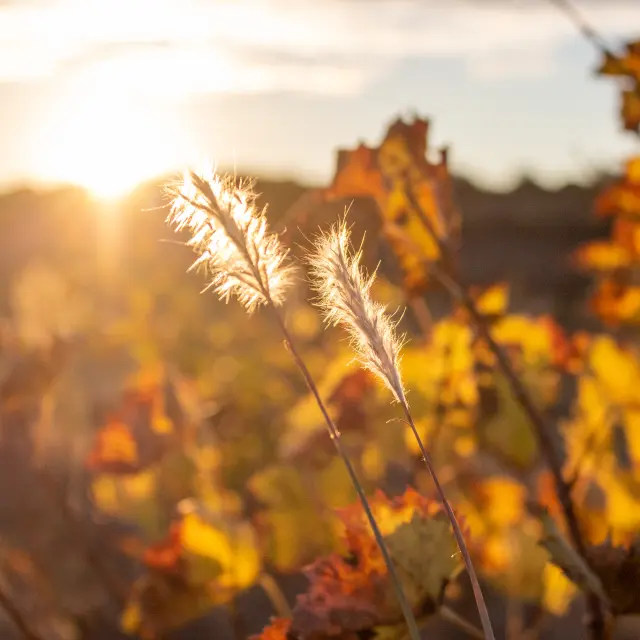
The Frontignan salt marshes also offer remarkable aquatic and salt environments brimming with surprises. Starting from the Bois des Aresquiers in Vic-la-Gardiole, the magnificent “Les Aresquiers” hike (9km / 3 hours) invites walkers and mountain bikers to explore these unique landscapes once exploited by humans. Here, we find ourselves between land and sea.
There are the salt marshes, of course, but also a string of ponds (Vic, Pierre Blanche, Ingril) classified as a Natura 2000 site. So it is amidst these flooded lands that we walk, marvelling at the unique natural surroundings. The water is often just a thin layer in which long-legged birds wade to catch their meal. The path winds its way along narrow strips of land covered in reeds or pampas grass, which sway gently in the sea breeze. As we pass, the herons take flight. A few wooden footbridges allow us to cross over the incredible wildlife of these marshes without damaging it. The salt marshes, or “prés salés”, reveal their glasswort, sea lavender and other native plants growing on these salty wetlands, which crackle beautifully on hot days. On the way back, the majestic pines of the Bois des Aresquiers offer pleasant shade and a delightful scent of resin.
In contrast to this endless expanse of water, as you venture a little further inland, a completely different landscape emerges. The sand gives way to drier ground and the vegetation becomes denser. The garrigue spreads out widely, proudly. Clusters of oak, juniper and olive trees create wonderful shades of green. Characterised by limestone soil, unlike the maquis which grows on siliceous soils, the garrigue is a uniquely recognisable vegetation type that instantly reminds us that we are under the Occitan sun.
The hills of La Moure and the Causse d’Aumelas, classified as a Natura 2000 site, represent one of the largest areas of unbroken garrigue. The vast plateaus can be explored along a short hiking trail starting from Montbazin (11.5 km / 3 hours). Although it appears desert-like and arid, this site reveals an incredible wealth of flora and fauna if you take the time to linger here. The stag beetle, Montagu’s harrier, ortolan bunting (critically endangered), ocellated lizard, as well as the cotton-leaved rockrose and Montpellier blue carnation are all characteristic treasures. Thorny shrubs and bright yellow gorse dot the path, which takes on a mesmerising red hue thanks to the presence of iron oxide. Only a few capitelles, ancient dry-stone agricultural shelters, stand out against the blue sky, their golden stones beautifully reflecting the sun.
A little further south, the Gardiole massif, nestled between Montpellier and Sète, continues to charm hikers with its scenery combining canyons and hills, amidst which the paths blend into the vegetation. Saint-Félix de MontceauAbbey awaits us, snugly wrapped in its garrigue cocoon, and marks the start of the “Around the Abbey” trail (6.5 km / 2 hours). Throughout the walk, we discover the rocky outcrops that shape the landscape. Beneath our feet, the limestone scree accompanies us all the way, amidst this sparse scrubland. Here, nature is built to withstand droughts. Small streams, often dry in summer, wind through the hollows of the valleys, reminiscent of Jordanian landscapes. The Gardiole massif is classified as a “Natural Area of Ecological, Faunistic and Floristic Interest” (ZNIEFF) due to its remarkable character. So, listen carefully, and you’re sure to hear the soft chirping of warblers or the gentle rustling of green lizards in the grass… Keep your eyes peeled, and you’ll be treated to panoramic views of the Thau lagoon or the sea.
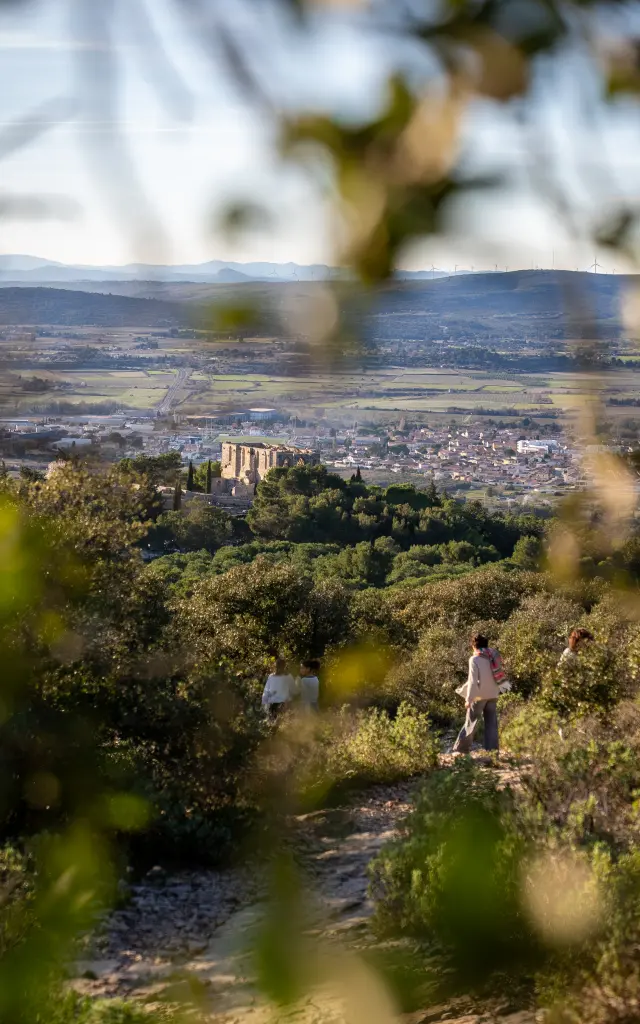
Ending the day around the abbey, a stroll with friends
|
Landscapes
|
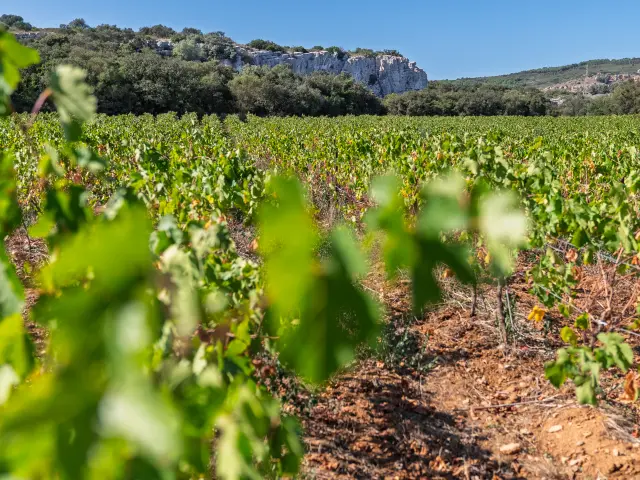
Vineyards at the foot of Creux de Miège
|
Aim: To leave as little trace of our visit as possible.