Instagram #archipeldethau

Instagram #archipeldethau

The Mèze Underwater Trail

Discover the secrets of the Thau Lagoon

A mask, a snorkel, and a desire to discover a world hidden beneath the surface. Since 23 May 2025, Taurus Beach in Mèze has been home to the first underwater trail ever created in a Mediterranean lagoon. Stretching 250 metres and dotted with five educational stations, this free trail, accessible to all, reveals the exceptional biodiversity of the Thau lagoon. Spotted seahorses, giant clams, blennies and even an oyster farm: welcome to a natural open-air aquarium.

From buoy to buoy

A 250-metre trail with five stops

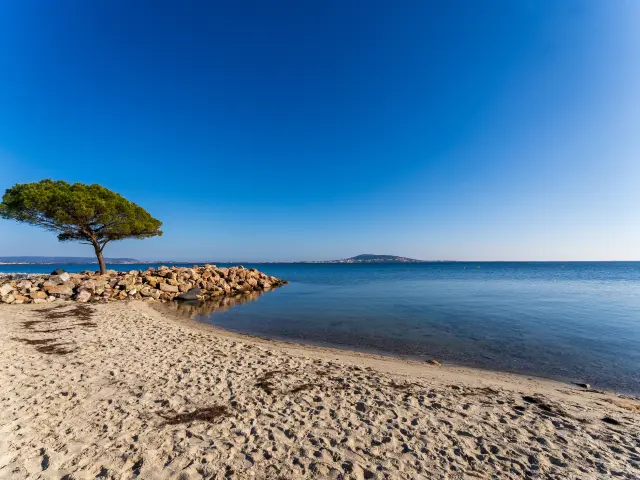
The route starts from Taurus Beach, right in the heart of Mèze. Two double-sided information boards on land introduce the trail and offer tips on how to make the most of the experience. Then it’s time for the big plunge. Starting 15 metres from the shore, five buoys mark out the 250-metre route. Each buoy is fitted with a handrail and an underwater information panel, visible just below the surface.

You don’t need to be an experienced diver. The water is never deeper than three metres. Holding onto the handrail, you can leisurely observe the species present whilst the panel identifies and explains them. Stop by stop, the trail reveals the lagoon’s various natural habitats: eelgrass beds, sandy bottoms and rocky areas.
The 5 trails

First stop: the seagrass beds. These underwater meadows of eelgrass cover more than 2,000 hectares in the Thau lagoon and act as the ecosystem’s lungs.

Second stop: the giant pearl oyster. This giant mollusc, protected at European level, has found refuge in the Thau Lagoon, which today serves as a global sanctuary for the species, decimated elsewhere by an epidemic.

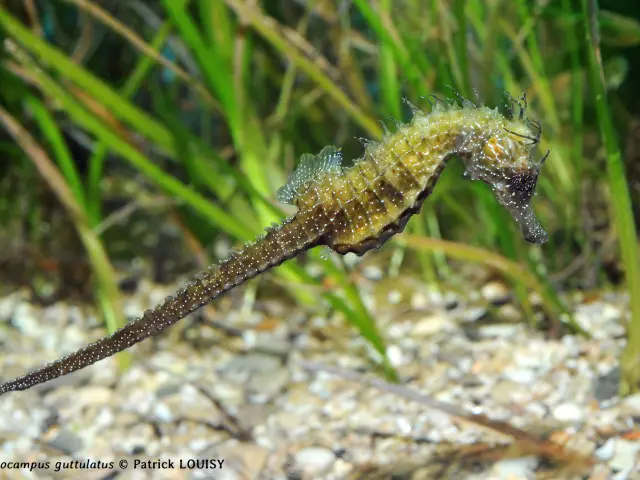
Third stop: the spotted seahorse, the lagoon’s undisputed star. The Thau basin is home to the largest known population of the lagoon ecotype in the Mediterranean.

Fourth stop: the lagoon’s fish. Sea bass, sea bream, mullet, blennies: 88 species of fish inhabit these waters. Some live here all year round, others come here to grow before heading out to sea.

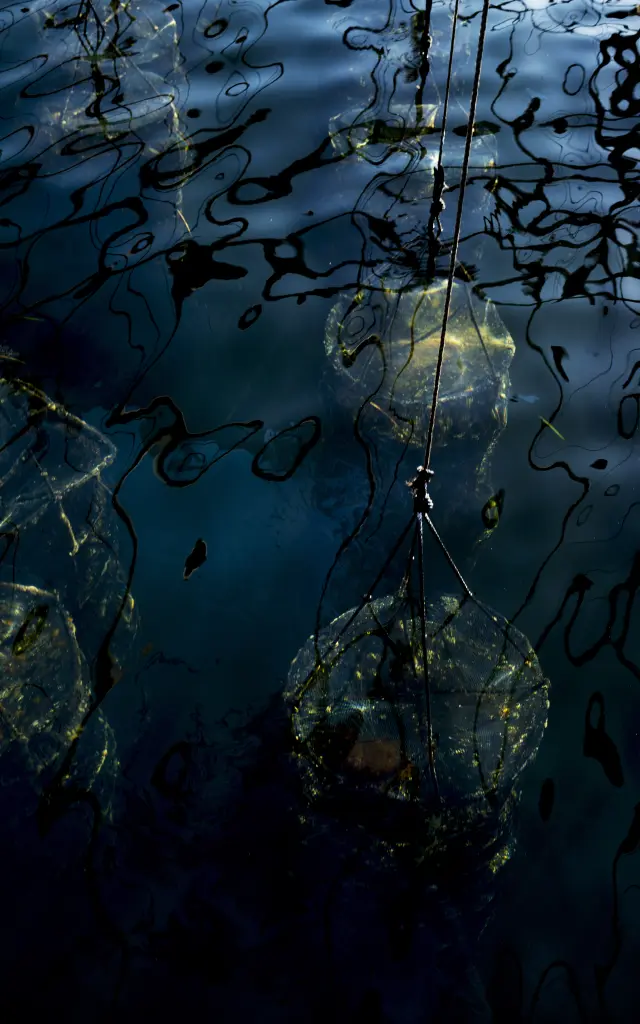
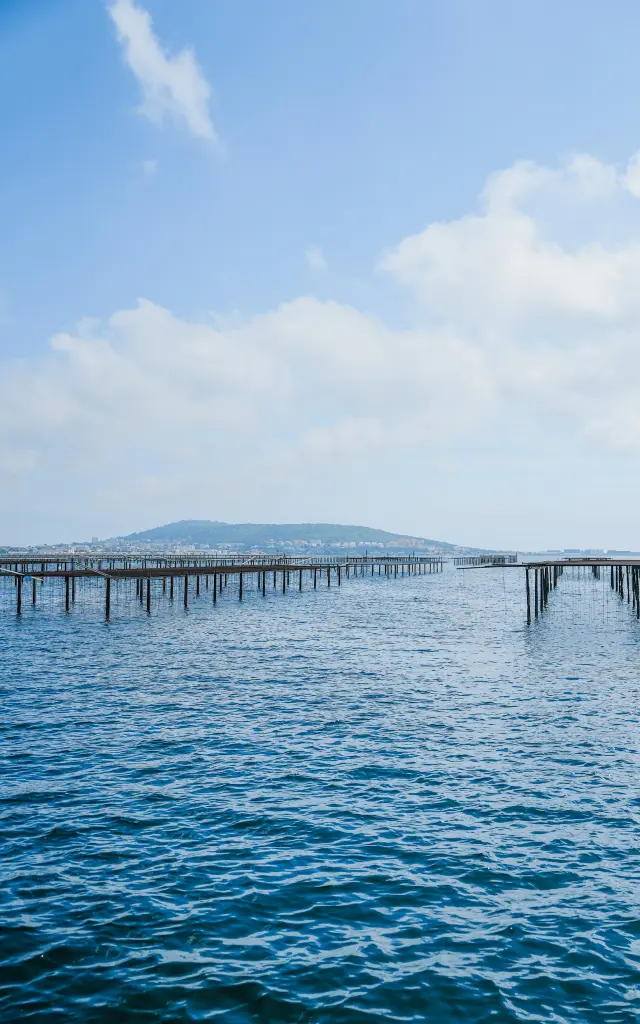
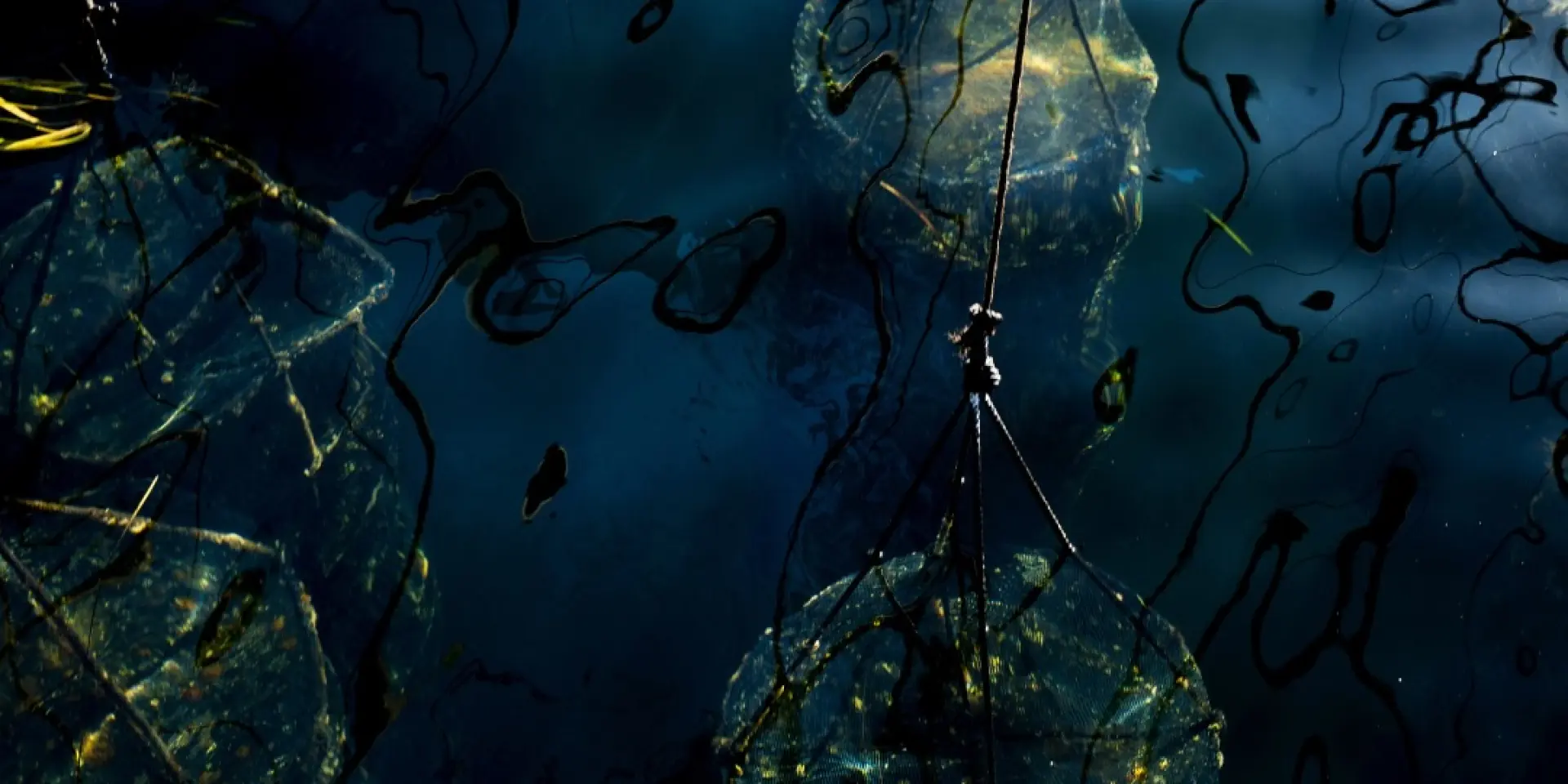
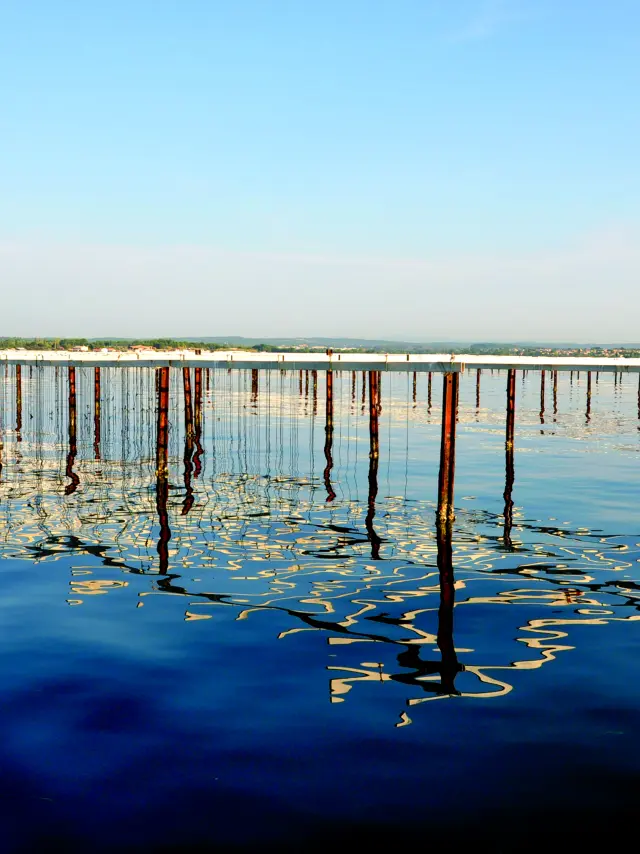
Fifth and final stop, the most original: an educational oyster farming display. Built especially for the trail, it showcases the suspended rope farming system developed in the 1920s. The oysters are attached one by one to ropes, which are in turn fixed to the tables. A complete immersion in the world of the ‘farmers of the sea’.

A free and accessible awareness-raising tool

The Mèze underwater trail can be explored freely, at any time, by anyone at their own risk. Please note, however: the section of the trail located behind the coastal shelter lies outside the designated supervised swimming area. It therefore remains unsupervised, even when the lifeguard station is open during the season.
The aim of this facility is clear: to offer a free tourist activity accessible to all, in a remarkable natural setting. The buoys and signs are removed at the same time as the beach markings, usually in late September or early October. For the rest of the year, the equipment is stored away to prevent damage from winter storms. But come the following spring, the path reopens for a new season of exploration.

The Thau Lagoon An exceptional ecosystem

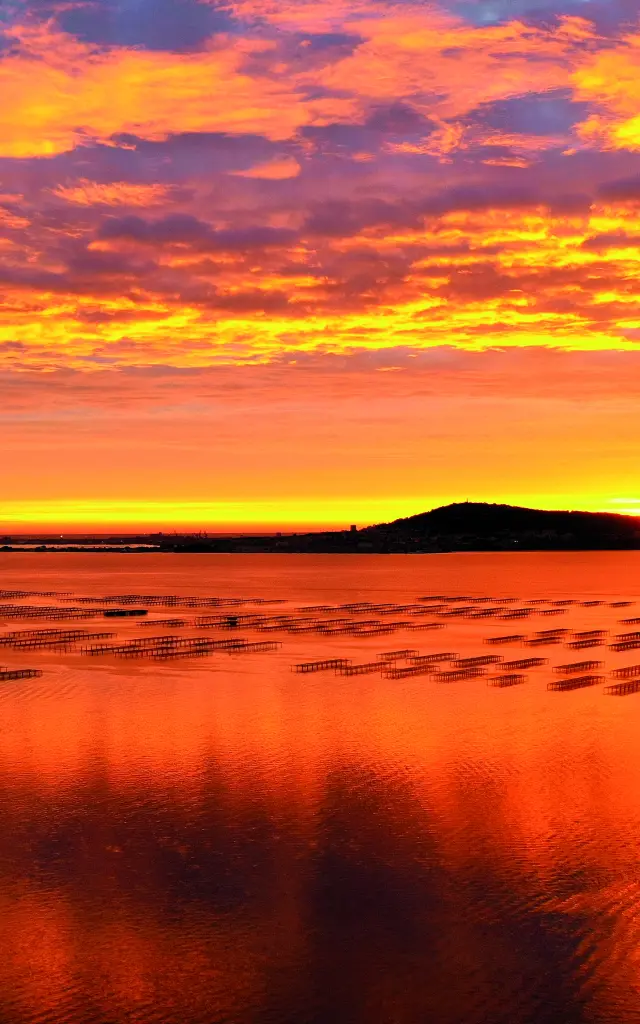
The Thau Lagoon is the largest and deepest of the lagoons in Occitanie. Covering 7,500 hectares with an average depth of 4.50 metres, it is effectively a small inland sea. This rich environment led to its inclusion in the Natura 2000 network and the Marine Protected Areas network in January 2023.

The lagoon is home to fragile and protected species and ecosystems. The underwater seagrass beds, essential to the survival of many species, cover a considerable area. The Mediterranean giant pearl oyster finds a global refuge here. The spotted seahorse, endemic to Mediterranean lagoons, thrives in these calm waters. Spirographs, blennies, shellfish: the biodiversity is exceptional for a lagoon environment.

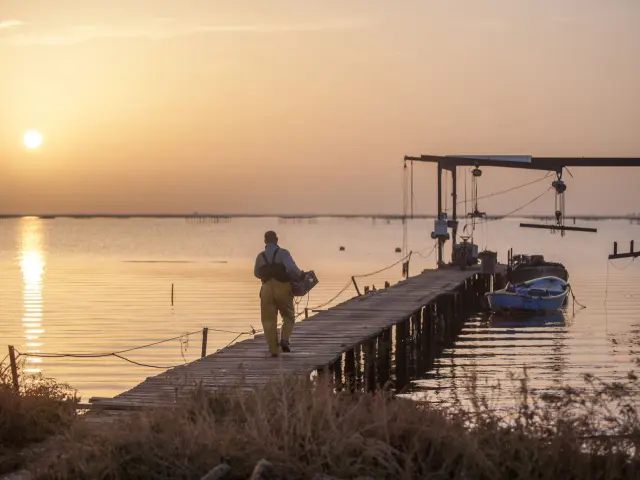
But the Thau lagoon is not just a natural sanctuary. It is also a highly productive environment. Renowned for its shellfish farming, the lagoon is home to 450 shellfish farming businesses that produce 11,000 tonnes of oysters annually, accounting for 10% of national production. The Thau oyster is distinguished by its unique, salty terroir, the result of this environment between sea and lagoon. Over a hundred fishermen also practise their trade daily using traditional, selective techniques adapted to lagoon fish.

The Mèze underwater trail highlights this coexistence between remarkable biodiversity and traditional human activities. It serves as a reminder that preserving this fragile ecosystem requires an understanding of and respect for this age-old balance.

A first for a Mediterranean lagoon

There are now around twenty underwater trails in the French Mediterranean since the first one opened in Port-Cros National Park in 1979. In Palavas-les-Flots, Cap d’Agde and Banyuls, these trails allow visitors to explore marine life with flippers, a mask and a snorkel. But none had yet been created in a lagoon. The Thau lagoon is thus breaking new ground, with Mèze leading the way.

The idea took shape in 2023. The Syndicat Mixte du Bassin de Thau (SMBT) entrusted students on the AquaDura Master’s programme at the Faculty of Science in Montpellier with an exploratory mission: to identify the most suitable sites around the lagoon. After five months of surveying, the verdict was in. The top three were Taurus Beach in Mèze, Tambourin (also in Mèze), and Pyramide Beach in Bouzigues. In the end, it was Taurus that won the day.

The town of Mèze took on the project with the support of the Syndicat Mixte du Bassin de Thau and the Mèze-based consultancy firm Biotope. On 23 May 2025, at the opening of the biennial event “Le Temps de l’Étang”, the trail is inaugurated. The first underwater trail in a lagoon, the first submerged educational oyster table: Mèze has made a big splash.

Your questions
Sources

Town of Mèze, Thau Basin Joint Authority, DLAL FEAMPA Thau and its coastal strip, Biotope, RTS FM, Dis-leur !, Thau Archipelago Tourist Office, FFESSM

Going further...