©

The Red Faces Walk

|

M_RICARD_OT-THAU

The must-sees in Villeveyrac

30 kilometres west of Montpellier, Villeveyrac lies at the heart of a wine-growing and market-gardening plain surrounded by garrigue. This village in the Thau Archipelago harbours a monumental treasure that attracts thousands of visitors from all over the world every year: Valmagne Abbey, nicknamed the ‘cathedral of the vineyards’, a true 12th-century Cistercian gem. But Villeveyrac is more than just this architectural masterpiece. With its vineyards perpetuating centuries-old traditions, farmers’ markets echoing with the Occitan accent, and garrigue paths winding towards the horizon, this village cultivates an authentic way of life where time seems to have slowed down.

Situated just a few kilometres from the Thau lagoon, Villeveyrac offers the perfect blend of proximity to Mediterranean beaches and the gentle charm of the hinterland. Here, colourful little houses line shady alleyways, vineyards stretch as far as the eye can see, and local producers work day after day to cultivate a bountiful land that yields renowned wines, sun-kissed vegetables and treasures of the Languedoc terroir.

Valmagne Abbey Art overlooking the Mediterranean

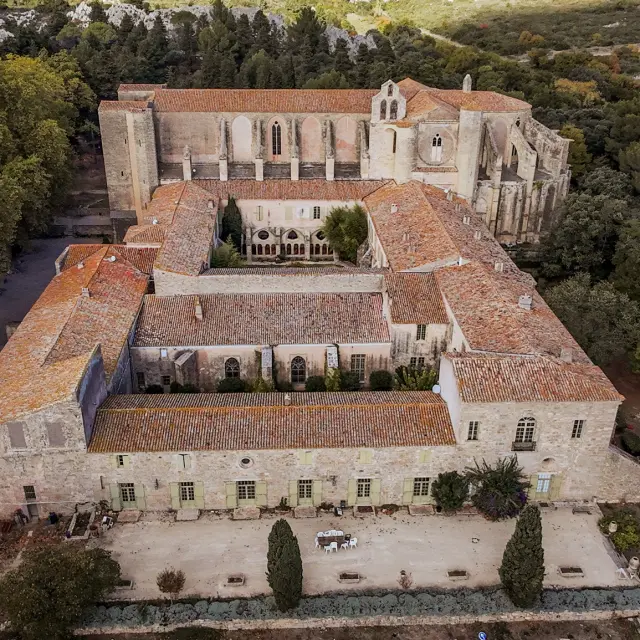
As you step through the gates of Valmagne Abbey, time seems to stand still. You find yourself transported back to the 12th century, in one of the finest examples of Cistercian architecture still standing in France. Founded in 1139 by the White Monks in search of a fine site on which to establish their monastery, Valmagne embodies nine centuries of tumultuous history, monastic splendour, miraculous survival and a wine-growing renaissance.

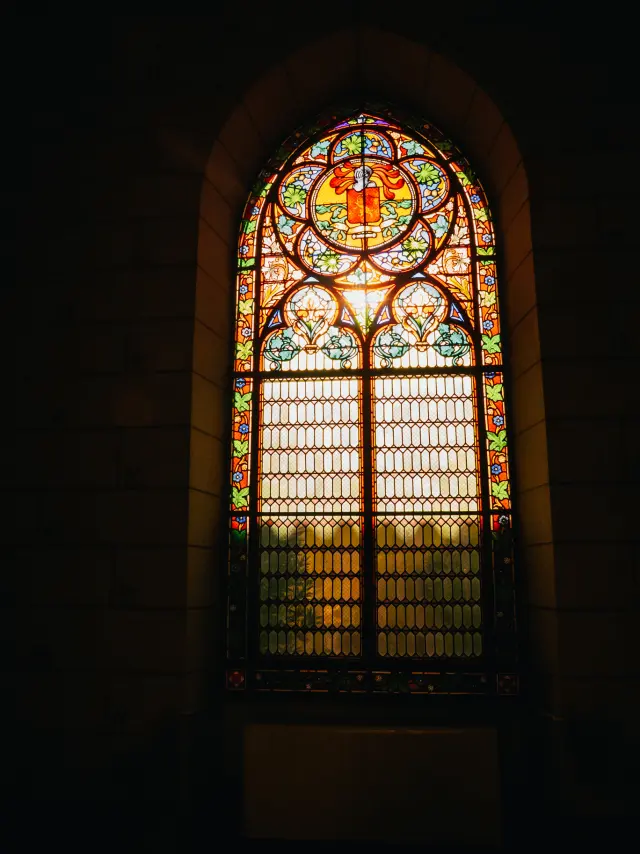
The abbey church captivates you the moment you step inside. Its majestic nave rises over seven bays opening onto nine chapels, displaying the characteristic simplicity of Cistercian architecture, which rejected any decoration deemed superfluous. The monks sought pure light and a stripped-back space conducive to meditation. But the most astonishing sight is found at the heart of the nave: 18 giant Russian oak vats, installed in 1820, transform the church into a wine cellar. This transformation has earned Valmagne its poetic nickname of the ‘cathedral of the vineyards’, an unlikely yet magnificent marriage of medieval spirituality and winemaking expertise.
The history of this abbey could well have come to a tragic end during the French Revolution. Driven from their monastery, the monks were forced to flee and the abbey became national property.

In 1791, it was bought by a winegrower from Villeveyrac who had the brilliant idea of converting the church into a wine cellar rather than demolishing it. This intuition saved the monument and created a place unique in the world where the divine engages in dialogue with the terroir.

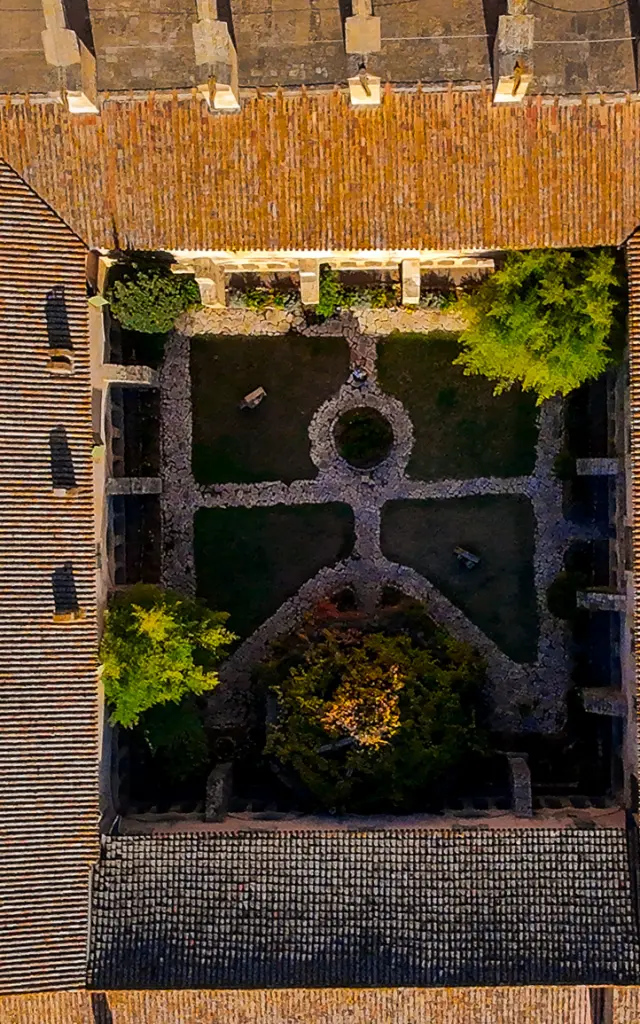
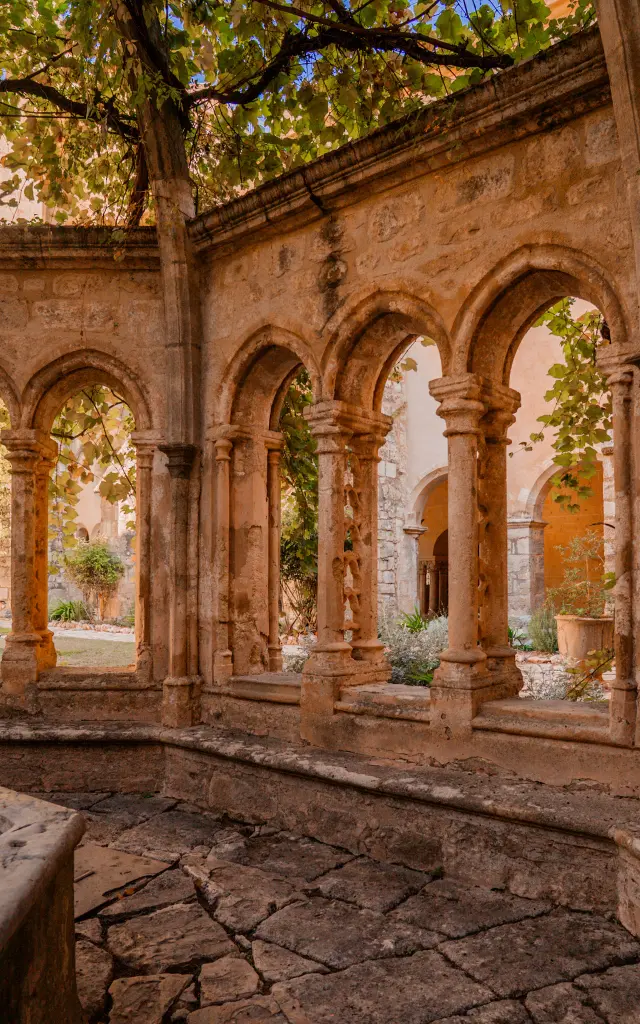
The tour continues through the cloister with its Florentine charm, a space of peace and silence where the arches create a play of light and shadow. The chapter house, one of the oldest parts of the abbey, retains its barrel vault and the distinctive atmosphere of the place where the monks gathered each morning.

The fountain, a rare example of a monastic fountain preserved within an abbey, continues to murmur just as it did eight centuries ago.

The reconstructedmedieval garden features forgotten vegetables, medicinal plants and fruit trees once cultivated by the monks. The grape variety conservatory showcases the different varieties used in the estate’s wines, all of which have been certified organic and biodynamic for over 20 years. Today, Valmagne produces high-quality wines that carry on a family winemaking tradition.

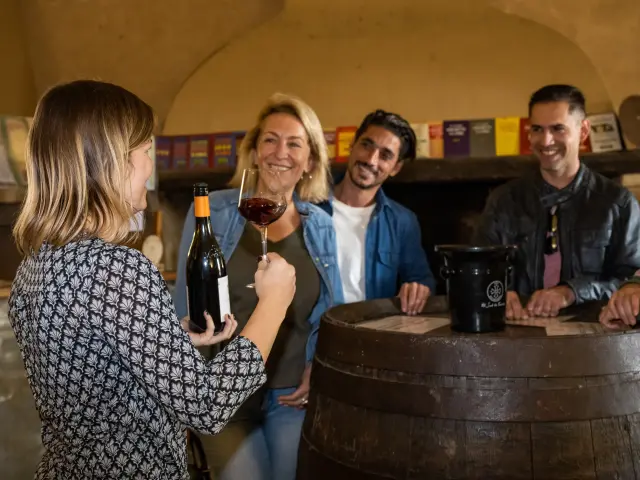
The tour concludes in the tasting cellar, where you can sample the estate’s wines in this exceptional setting. The farmhouse inn offers regional cuisine inspired by the organic vegetable garden and local producers, providing a gastronomic interlude in harmony with the nature and history of the place. In the summer season, the abbey comes alive with the sounds of the Valmagne Festival, which fills these centuries-old vaults with music ranging from the Middle Ages to the present day.

For families, the treasure hunt ‘The Lost Treasure of Valmagne’s Colours ’ turns the visit into a fun adventure where children explore the abbey by solving puzzles. Allow two hours in the summer season and at least an hour and a half in the off-season to fully enjoy this exceptional site.


The Villeveyrac terroir Vineyards, market gardening and expertise

Villeveyrac owes its reputation to the expertise of its farmers. The village flourishes at the heart of a bountiful wine-growing and market-gardening plain where vineyards stand side by side with market gardens, where orchards line up their fruit trees, and where the red soil and rounded pebbles give the wines their unmistakable character.

 Wineries: ambassadors of the local terroir

Several vineyards are dotted across the Villeveyrac area and welcome visitors. The surrounding vineyards produce wines bearing the Pays d’Oc PGI and Languedoc AOC designations. The proximity of the Thau lagoon brings a refreshing sea breeze that tempers the summer heat, whilst the surrounding scrubland fills the air with the scents of thyme, rosemary and garrigue, which are reflected in the wines’ aromas.

The estates are increasingly practisingorganic and sustainablefarming, continuing ancestral traditions whilst innovating to produce high-quality wines that respect the environment.

 The local farmers’ market: a summer celebration

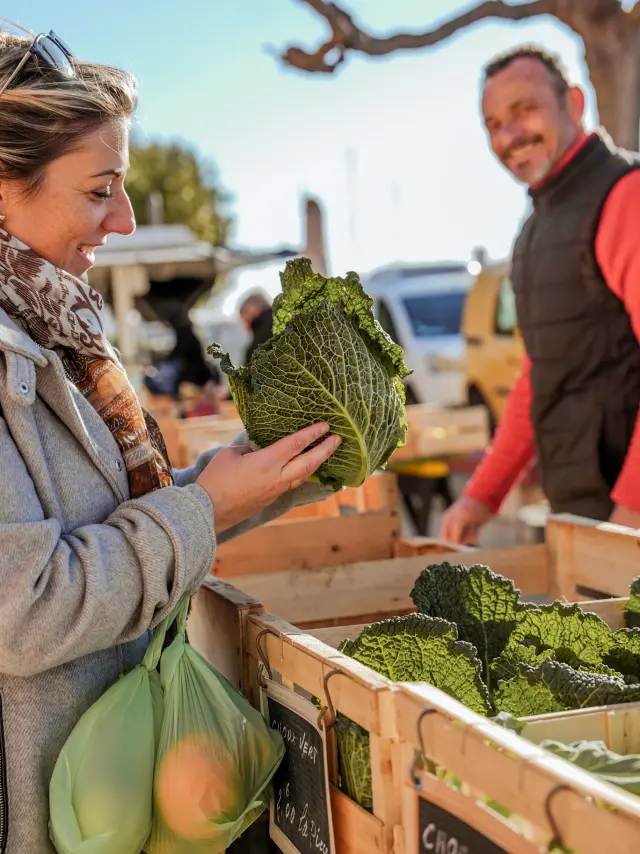
Every Monday evening in July and August, from 6.30 pm to 10 pm, the Place du Marché aux Raisins becomes a must-visit destination for foodies and lovers of local produce. The Local Producers’ Market brings together around fifteen local producers who set up their stalls in a friendly, musical atmosphere.

Shopping baskets fill up with treasures: sun-kissed seasonal fruit and vegetables, golden-hued olive oils, fragrant tapenades, grilled meats and artisanal charcuterie, freshly harvested oyster products from the Thau lagoon, wines with distinctive aromas, homemade jams, garrigue honey, and cheeses from local producers. All 100% locally sourced, directly from producer to consumer.

But the market is not just about shopping. Producers prepare delicious farm-style platters on the spot, which you can enjoy seated at a table, a glass of local wine in hand, whilst musicians set the festive mood. Conversations flow easily, producers share their favourite recipes, children run between the stalls, and night falls gently on these summer evenings that celebrate the local terroir and Languedoc-style conviviality.

For those who prefer the traditional market, Villeveyrac also hosts its weekly market every Wednesday morning, where the stalls are brimming with fresh, local produce all year round.

The Red Faces Walk A hike between a turquoise lake and panoramic views

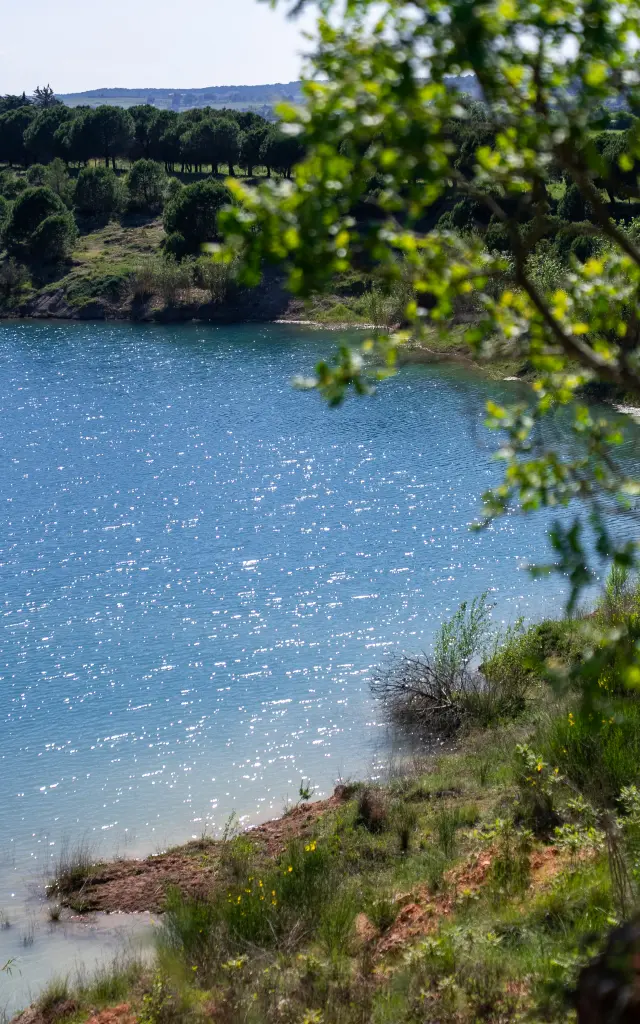
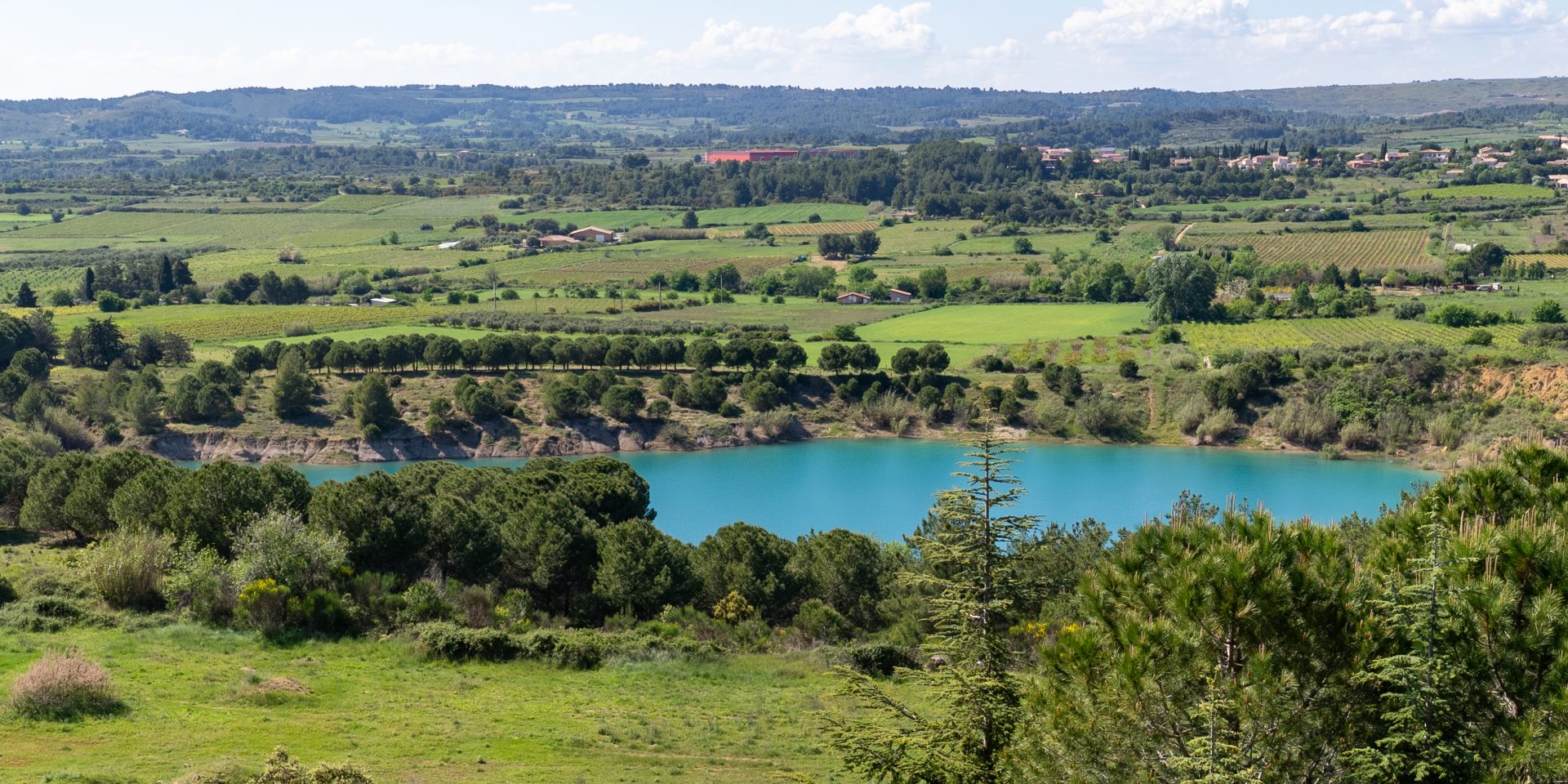
To the north of the Thau lagoon lie the hills of La Moure, and this is where one of the most beautiful walks in the Thau Archipelago begins: the Balade des Gueules Rouges. A six-kilometre walk classified as easy, offering a gradually unfolding panorama through dense garrigue, across vineyards and past a succession of viewpoints from which the view plunges down to the sparkling lagoon.

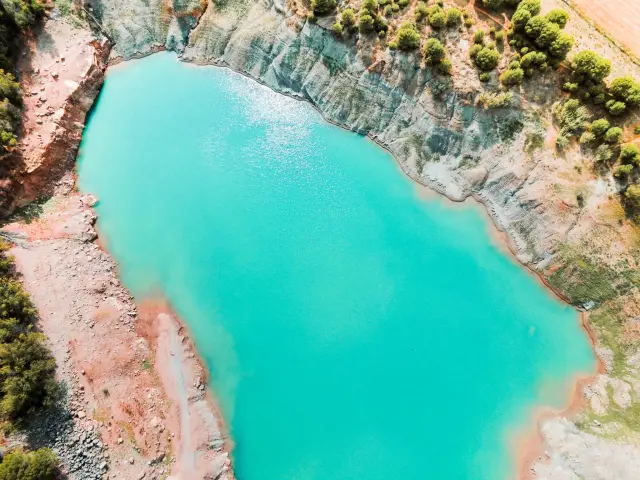
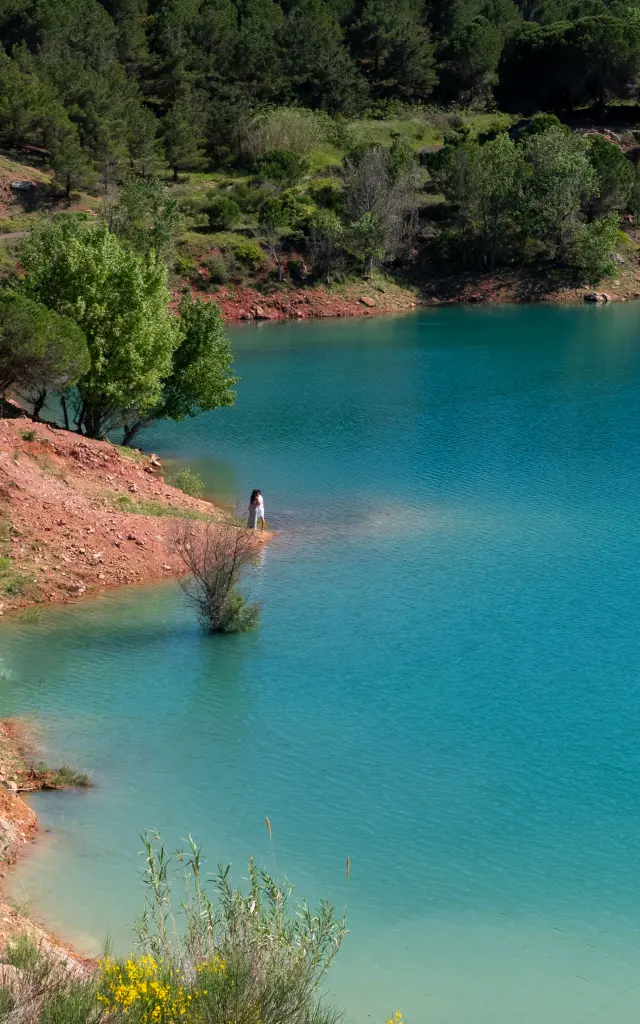
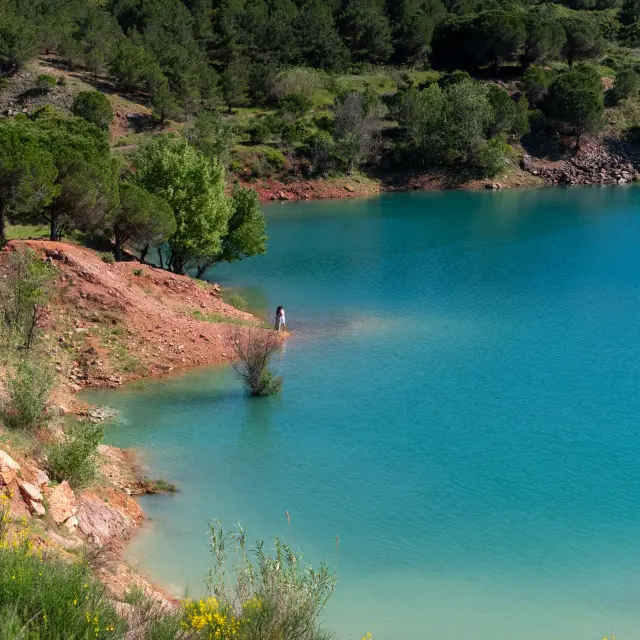
The route takes its name from the old bauxite mines that shaped this unique landscape. And it is precisely the old mine that holds the most spectacular surprise: Lake Saint-Farriol. Imagine a crystal-clear body of water, an unreal turquoise, surrounded by vertical red-ochre walls. Dug out in the open air to a depth of nearly 800 metres for bauxite extraction in the 20th century, this industrial excavation was transformed when miners discovered an aquifer 200 metres below the surface. The water gradually filled the cavity, transforming the mining scar into a deep, stable lake, perfectly integrated into the surrounding hills.

Today, this body of water plays a strategic role: it irrigates nearly 1,000 hectares of local crops, embodying the successful conversion of an industrial site into a vital agricultural resource. But for the hiker who suddenly stumbles upon this turquoise expanse at a bend in a scrubland path, it is above all a striking sight. The colour of the water contrasts sharply with the red of the rock faces, creating a colour palette worthy of an Impressionist painting.

The path continues through the fragrant garrigue. You pass by capitelles, those small dry-stone huts built by shepherds and winegrowers to shelter in. Temporary natural pools, low stone walls marking the boundaries of old plots: every bend in the path reveals a new scene from the rural heritage of the Languedoc. But it is the views that really make this walk special.

From the top of the Moure hills, the view takes in the village of Villeveyrac and its vineyards; the wind farm on the Causse d’Aumelas, whose blades turn slowly on the horizon, gives the impression that time has suddenly slowed down. And above all, that sweeping view of the Thau lagoon glistening in the sun, with Sète and its Mont Saint-Clair, Mont Saint-Loup in Agde, and on a very clear day, the blue outline of the Mediterranean.


The Balade des Gueules Rouges stands out for its exemplary commitment to accessibility. The route offers a short 3.3-kilometre section specially adapted for people with reduced mobility, accompanied by the Mas Troquet association, which is equipped with a Joëlette, an all-terrain wheelchair donated by Sète Agglopôle Méditerranée. This trail is the first in the Hérault to benefit from such equipment, a real step forward for the inclusion of people with reduced mobility in outdoor activities.

You can start from two points: thecar park behind Villeveyrac Town Hall for the full loop, or the Cigales neighbourhood near the LPO (League for the Protection of Birds) centre for the shorter version accessible by Joëlette. To use the Joëlette, contact the Le Mas Troquet association on 06 17 66 63 76.

The trail is FFRandonnée-certified, free to access and open all year round. Allow two hours for the full loop, taking time to admire the views and linger by the shores of Lake Saint-Farriol. A walk that combines heritage discovery, exceptional views and accessibility for all, reflecting the Archipel de Thau’s commitment to inclusive tourism.


Villeveyrac, the gateway to the Thau Archipelago

Located just a few kilometres from the lagoon, Villeveyrac is ideally situated for exploring the entire Thau Archipelago. Mèze and its charming harbour are just 8 kilometres away. The beaches ofthe Thau Archipelago – namely Frontignan, Marseillan and Sète, the ‘Venice of Languedoc’ – are all within20 kilometres of the village. 
Villeveyrac is served by the Sète Agglopôle Méditerranée bus network, which connects the 14 municipalities of the Thau Archipelago.

By car from Montpellier, allow 30 minutes via the A9, exit 33 Sète, then the D2. From Béziers, 30 minutes via the A9, exit 34 Agde, then Pézenas and Montagnac. The nearest SNCF train station is in Sète, 20 kilometres away, with regular services to Montpellier, Béziers, Narbonne and beyond.

Your questions about Villeveyrac