©

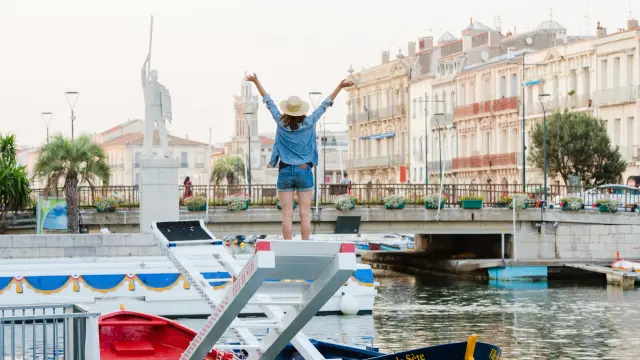
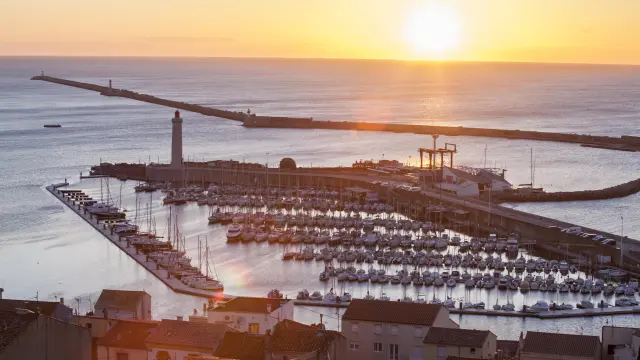
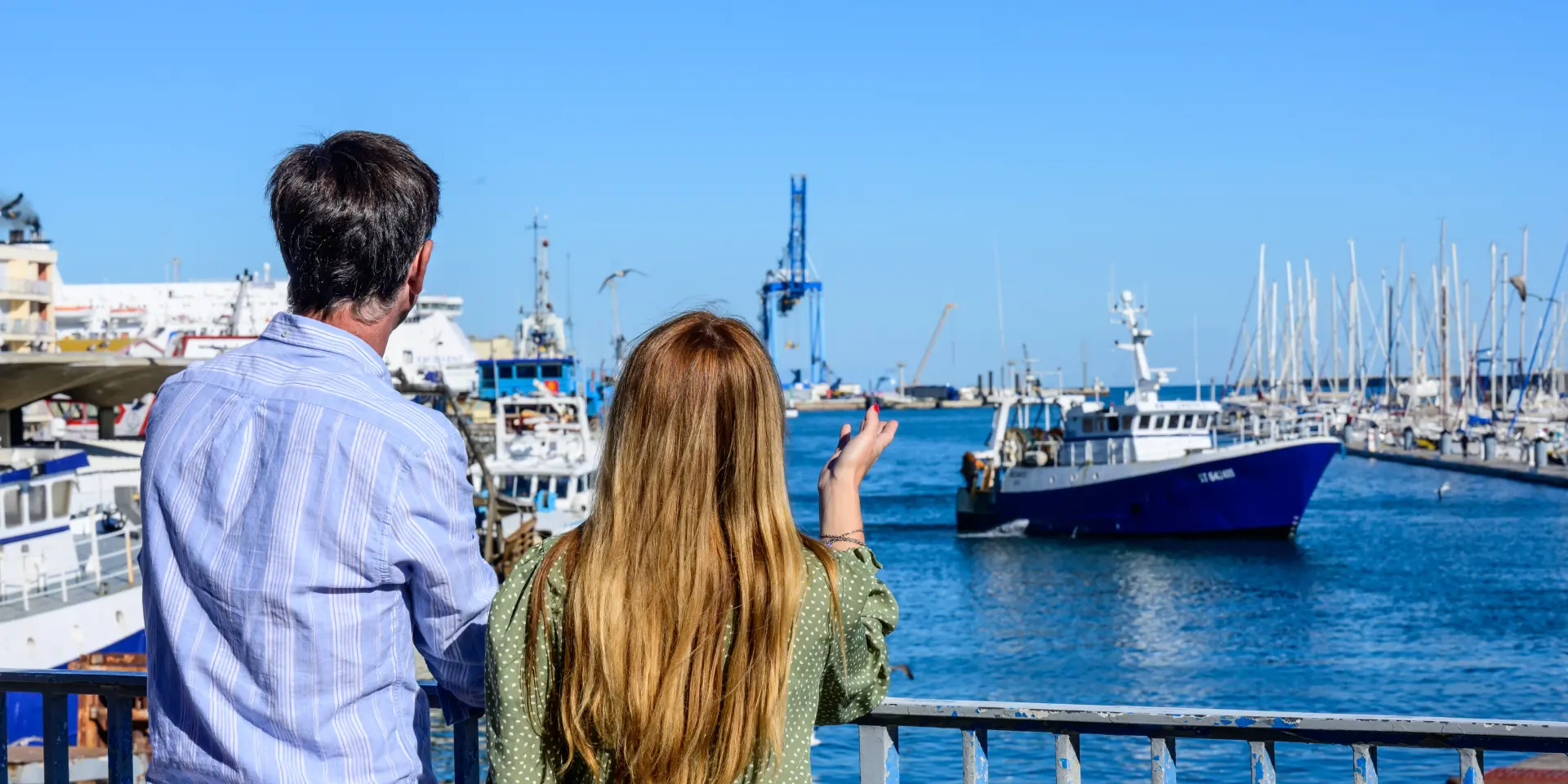
Returning from a fishing trip, Sète harbour

|

R_Domergue_OT-THAU

A History of Ports and Fishing in the Thau Archipelago

350 years of maritime history

The history of the Thau Archipelago is written in the ink of the sea. In 1666, Louis XIV founded Sète to serve as an outlet for the Canal du Midi. Long before that, Mèze and Marseillan were already exporting their wines from their respective small ports. Italian fishermen who arrived in the 19th century transformed fishing techniques, and in Bouzigues, oyster farming began as early as 1925.

Later, the Sète fish auction became the first in Europe to be computerised. Today, Sète reigns as the leading fishing port on the French Mediterranean coast, where 120 species are traded every day. The port has seen nine consecutive years of growth and is reinventing its future: the world’s first electric pilot boat, a hydrogen-powered dredger, and new-generation trawlers. History can be read on the quays, breathed in as the boats return, and recounted in the museums. From Colbert to the ecological transition, discover how the ports of the Thau Archipelago have shaped the region.

1666: Sète was founded at the behest of a king

On 29 July 1666, François de Bosquet, Bishop of Montpellier, laid the foundation stone of the port of Sète. Louis XIV and his minister Colbert had been seeking a Mediterranean outlet for the Canal du Midi for several years, with Pierre-Paul Riquet overseeing the construction work. The Cap de Sète was the obvious choice. Sheltered from the mistral by Mont Saint-Clair, it offered a natural anchorage.

Construction began with the Saint-Louis jetty. This 650-metre-long jetty protected the entrance to the old port and provided shelter for boats. The stone came from the Souras quarries, situated on the slopes of the mountain. A village sprang up above the quarry. People from neighbouring villages flocked to the area: Bouzigues, Mèze, Frontignan, Marseillan. They came to work on the building sites.

But the work dragged on. Wars cut off funding. Riquet died in 1680. His son abandoned the project in 1682. The people who had made their living from the building sites had to find new ways to earn a living. Trade was expected to take over, but these hopes were dashed.

In 1688, the tax authorities recorded only 50 ship movements, less than one per week. The trading companies went out of business.
The lagoon ports Mèze and Marseillan through the ages

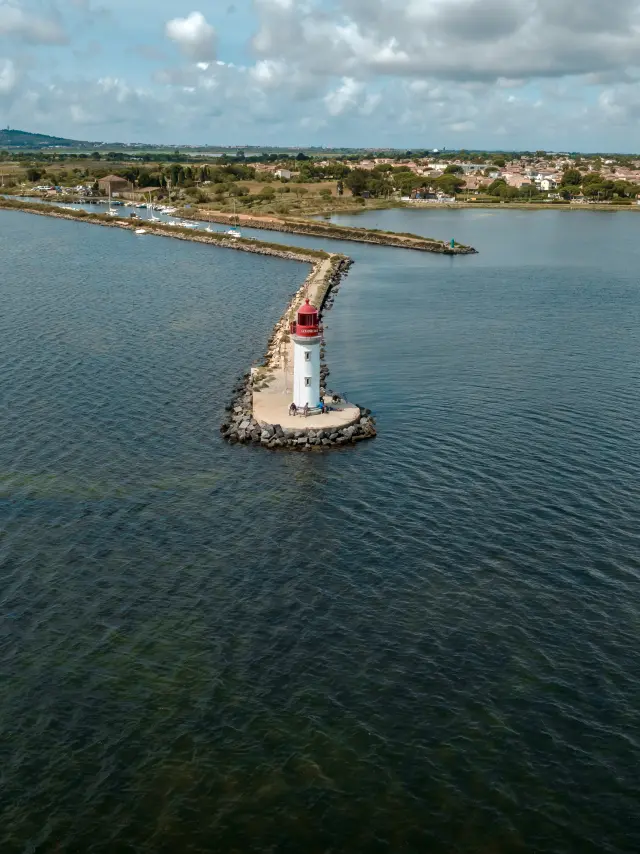
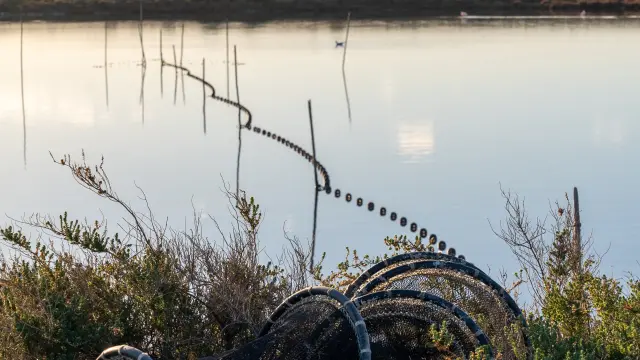
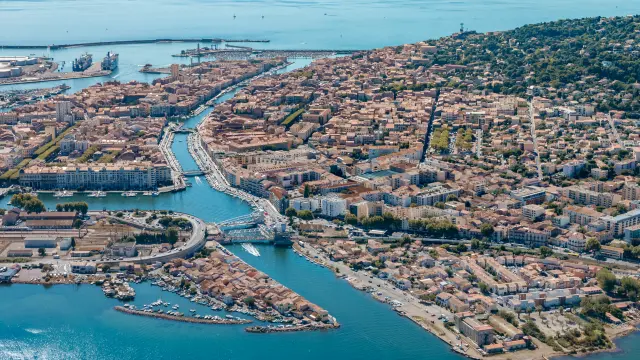
Long before Sète, Marseillan and Mèze already existed as ports opening onto the lagoon. These small towns thrived on the link between land and sea. Their wine-growing regions needed to export their produce. The Thau lagoon thus offered a natural waterway to Agde and the Mediterranean.

These small ports lived to the rhythm of the wine trade but struggled to finance their infrastructure. Marseillan levied a tax on wines for ten years at the start of the 18th century to pay off construction debts. Mèze obtained royal authorisation in 1724 but dragged its feet on the administrative procedures. In Bouzigues, the storms of 1766 devastated the facilities. Lacking the funds to repair them, the village abandoned its port ambitions.

The creation of Sète profoundly transformed these lagoon ports. They became secondary ports, outposts supplying the main seaport. The communities had to pay for the repair of their quays and the regular dredging of their basins themselves in order to remain connected to the shipping network. Some could not afford it.

Despite these difficulties, these ports remained active. Wine continued to be shipped out. Fishing developed. Warehouses began to spring up throughout the town. Distilleries spring up near the ports. These small port towns retain their role as a link between the wine-growing hinterland and the export port of Sète.

Fishing From a long-standing tradition to a leading port

Fishing in the Thau Archipelago dates back to ancient times. The Romans were already fishing in the lagoon and gathering shellfish from the natural beds. In the Middle Ages, this activity provided a livelihood for the local communities. But it was in the 19th century that the fishing industry really took shape.

From 1850 onwards, Italian fishermen settled in Sète. They came from Cetara in the province of Salerno, from Genoa and from Naples. These communities brought with them their tuna fishing techniques, their nets and their methods. The people of Sète adapted quickly. By 1874, they had already overtaken the foreigners.

Repatriates from North Africa transformed fishing in Sète around 1960. They introduced modern trawling. Techniques evolved rapidly. In 1967, the Sète fish auction became the first in Europe to be computerised. A revolution that optimised sales and enhanced the value of the produce.

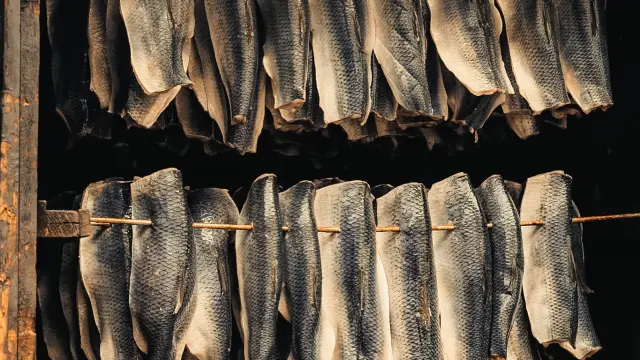
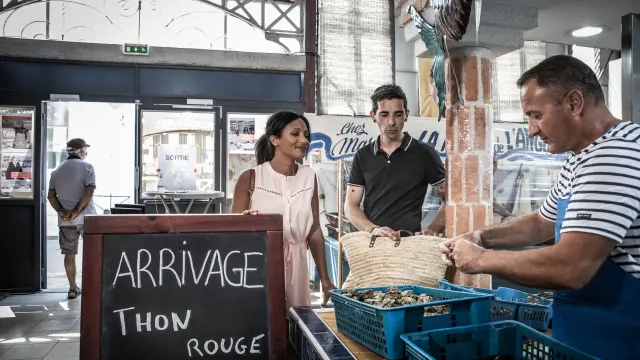
Today, Sète remains the leading fishing port on the French Mediterranean coast. The fish market sells around 2,200 tonnes of fish a year, sourced from some fifteen trawlers and around fifty small fishing boats. The fleet of 18 tuna seiners catches 50% of France’s bluefin tuna quota off the coast of Malta and the Balearic Islands. Auctions take place daily in an amphitheatre designated as a ‘remarkable example of contemporary architecture’, which can also be viewed remotely via the internet.

The rise of trade and ferries

The commercial port underwent remarkable development in the 20th century. The range of goods handled diversified: wine, of course, but also sulphur, timber, cereals and iron. Between 1966 and 1978, major works were carried out to expand the port on the Mediterranean shore. The city underwent a profound transformation.

Connections with North Africa multiplied. The port of Sète became the gateway to the Maghreb. Ferries connected Tangier, Nador and Algeria. Sète established itself as France’s leading port for passengers travelling to Morocco. A strategic position that generated jobs and economic vitality.

In 2007, the Occitanie Region took over management of the port. A decisive turning point. Over the past 18 years, more than €600 million has been invested: €180 million by the Region, €130 million by the port, and €290 million by private operators. Traffic at the commercial port has doubled. It now generates 2,300 direct jobs.

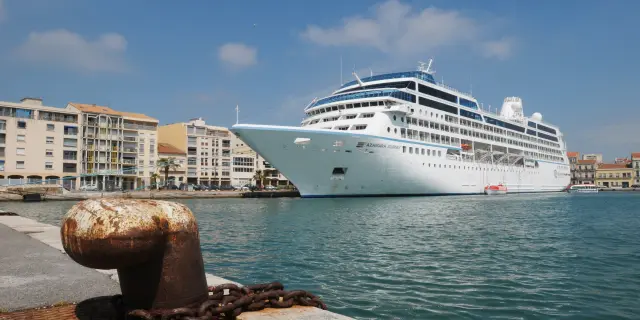
In 2019, the port broke its record with 115,000 cruise passengers disembarking. Then the pandemic reshuffled the deck. Rather than chasing figures, the port has chosen a more elegant path: sustainable cruising. Gone are the 300-metre behemoths; in come more human-scale vessels under 240 metres. The target is now a maximum of 70,000 passengers. Excursions are being reinvented: canoeing and stand-up paddleboarding on the Thau lagoon, paddleboarding amongst the oyster beds, and guided walking tours. A philosophy that prioritises quality over quantity and protects the area it showcases.

Green transition Towards a port of the future

Since 2015, the Port of Sète-Frontignan has been rolling out a range of environmental initiatives. The Smart & Green Port strategy sets out five key areas of action: identifying and reducing emissions, improving energy efficiency, reducing the impact on natural resources, promoting alternative energy sources, and preserving biodiversity.

The results speak for themselves. In 2018, the port received the Port of the Future Award for the Green Pilot, the world’s first electric pilot boat developed in collaboration with MGH. In 2019, it was the GreenHarbour Barge, a zero-emission, multi-service barge. In 2020, the port was awarded the Maritime Energy Transition Prize by the Académie de Marine.

The vehicle fleet has been entirely replaced by electric vehicles. For over ten years, the port has been implementing a zero-plastic policy. The 2,000 recreational boaters receive anti-pollution kits on arrival. The CPIE of the Thau Basin raises their awareness of eco-friendly practices. The association Expédition 7ème continent, which has chosen Sète as its home port, runs educational initiatives on plastic pollution.

Over 4 hectares of solar panels have been installed. They generate 2.5 times the port’s annual energy consumption. Shore-side electrification allows ferries and cargo ships to switch off their engines whilst in port. Launched in May 2025, this system eliminates emissions, vibrations and noise pollution.

The Hydromer dredger, christened in November 2025, embodies this transition. 70 metres long and equipped with electric propulsion, it minimises noise pollution and emissions. By the end of September 2026, it will run on green hydrogen produced locally in Port-La Nouvelle. A world first that will reduce emissions by 700 tonnes of CO₂ per year.

Fishermen facing the challenges of the 21st century

Fishing in the Thau Archipelago is facing new challenges. Stocks of certain species are dwindling. Around 200 professional fishermen now work on the lagoon, compared with more than 900 in the past. The eel is under threat. The European clam is becoming scarce, whereas fifteen years ago it was harvested by the tens of tonnes.

Measures to rebuild stocks have been launched. Scientists and fishermen are carrying out restocking operations. The port is also supporting the modernisation of the fleet. New-generation fishing catamarans, equipped with innovative foils and hulls built using infusion technology, are becoming more environmentally friendly.

The ISO 14001 certification obtained in 2022 for the three port activities (commerce, fishing, and recreational boating) demonstrates this commitment. The marina’s ‘Port Propre et Actif en Biodiversité’ (Clean Port and Biodiversity Active) certificate guarantees that local biodiversity is taken into account. Studies carried out with the Water Agency and Seaboost have mapped the port’s biodiversity across 20 kilometres of quays.

Your questions about the ports of the Thau Archipelago
Sources

Port Sud de France, City of Sète, AIVP, OpenEdition Journals, Occitanie Region, Hérault Tribune, Thau Infos, February 2026