©

CANAL DU MIDI, MARSEILLAN

|

B_FERIGNAC_OT-THAU

The must-sees in Marseillan

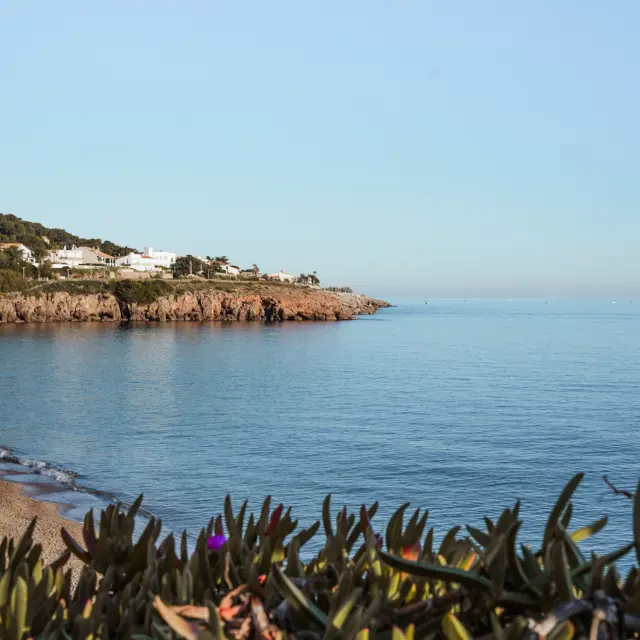
With its shellfish farms and vineyards, Marseillan reveals its treasures on the shores of the Thau lagoon. This town of over 8,000 inhabitants cultivates a way of life where historical heritage, water sports and Mediterranean cuisine come together to create an enticing picture. The town has two distinct sides: Marseillan-Ville, with its listed harbour and narrow streets steeped in history, and Marseillan-Plage, with its 6 kilometres of golden sand facing the Mediterranean.

From heritage trails to family-friendly beaches, from the Noilly Prat distillery to colourful markets, from the Bagnas nature reserve to the famous Canal du Midi, a UNESCO World Heritage Site, discover the sights and experiences that make this destination in the Thau Archipelago so charming

The Marseillan-Ville Heritage Trail

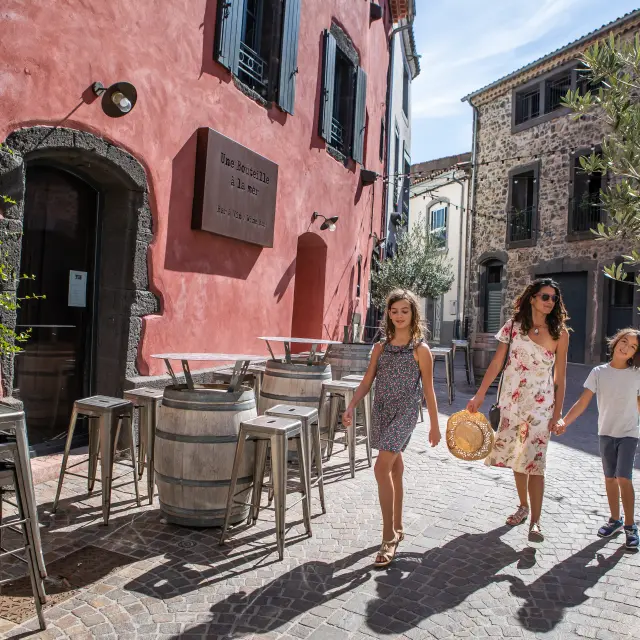
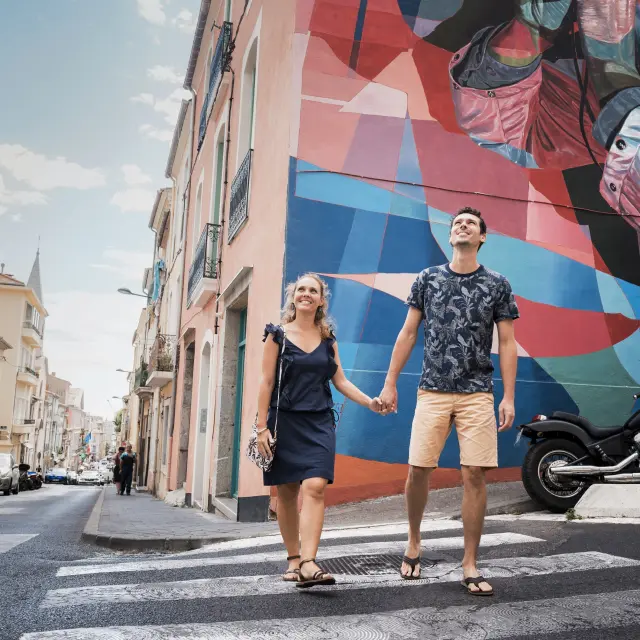
The historic centre of Marseillan reveals its character through a14-stop trailmarked by information panels. This walk, lasting around 1½ hours, winds through the narrow streets where every stone tells the story of a village shaped by the sea and vineyards since the Middle Ages.

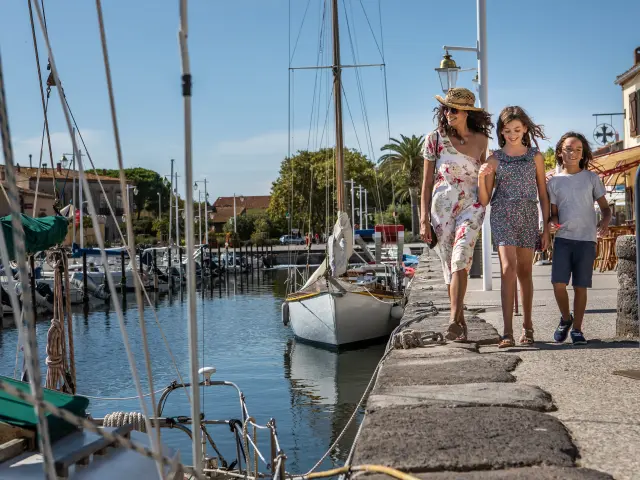
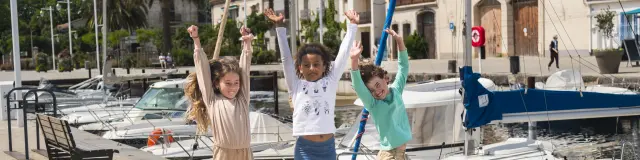
The port of Marseillan, a listed historic monument, is the jewel of the town. Its quays, lined with traditional boats, sailing yachts and fishing boats, create a living tableau where time seems to stand still. The colourful facades of the fishermen’s houses are reflected in the calm waters, looking particularly striking in the golden evening light. This protected natural harbour has welcomed sailors for centuries, serving as a link between theThau lagoon and the Canal du Midi. 

Place Carnot forms the beating heart of the village. Beneath the centuries-old plane trees, the café terraces come alive throughout the day. Local shops and artisan boutiques keep alive the authentic Mediterranean village life that visitors seek. On Thursday mornings, the weekly market transforms the square into a colourful and fragrant mosaic.

The Château du Bayle, the former residence of the representative of the Bishop of Agde, bears witness to Marseillan’s feudal past. This imposing medieval building has stood the test of time, retaining its original character. The Henri Maurin Theatre, an Art Deco architectural gem opened in 1933, keeps the local cultural tradition alive with an eclectic programme: theatre, concerts, one-man shows and film screenings. Its ornate façade and 250-seat auditorium make it one of the leading cultural venues in the Thau Archipelago.

The Church of Saint John the Baptist, built in the 18th century, overlooks the village with its slender bell tower. The interior houses a remarkable collection of religious furnishings: gilded altarpieces, polychrome statues and a historic organ. The old winegrowers’ houses, recognisable by their monumental carriage entrances and vaulted cellars, are a reminder of the golden age of winegrowing in Marseillan during the 18th and 19th centuries. These stately homes form a harmonious architectural ensemble that has earned Marseillan its heritage status. 

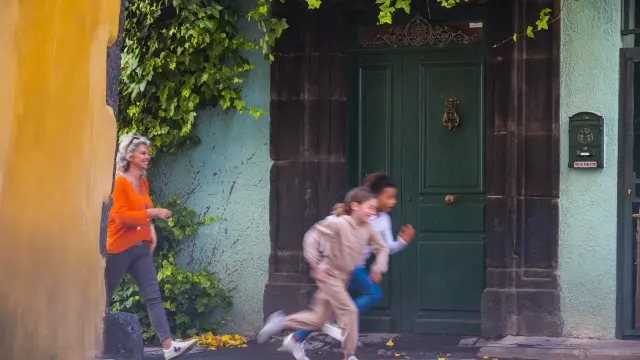
The route also reveals the remains of the old ramparts, the public wash houses where the washerwomen used to gather, and the cobbled alleyways lined with wisteria that fill the air with fragrance in spring. Every turn holds a surprise: a wrought-iron sign, an old well, a votive niche… Allow two hours for a full exploration that engages all the senses.

The markets of Marseillan Local specialities

Marseillanboasts a wealth of markets, particularly in season, which set the pace of local life and delight visitors. Several weekly events offer the chance to discoverlocal produce and regional crafts in an authentic atmosphere where the lilting accents of the Midi echo amongst the stalls.

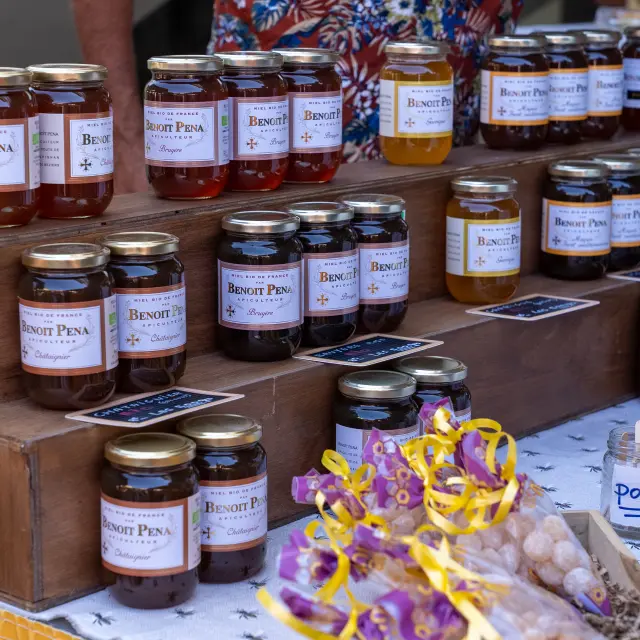
The Halles market, housed beneath its 19th-century metal structure , is the temple of Marseillan gastronomy. Open all year round, it brings together local traders and producers in a friendly atmosphere punctuated by conversations in Occitan. The stalls display the region’s bounty: oysters and mussels freshly harvested from the Thau lagoon, gleaming fish from the Sète fish market (sea bass, sea bream, red mullet), artisanal goat’s and sheep’s cheeses matured in local cellars, sun-kissed seasonal fruit and vegetables, wines and muscats from the surrounding estates, artisanal charcuterie and honey scented with the aromas of the garrigue.

Night markets bring summer evenings to life with a relaxed and festive atmosphere. On Thursday evenings in town, and on Friday and Sunday evenings in Marseillan-Plage, craftspeople, local producers and street traders take to the streets. Jewellery, clothing, decorative items, local produce… Visitors stroll amongst the stalls under the stars, in a musical atmosphere often enhanced by local musicians. These night markets have become unmissable events on Marseillan’s summer evenings. 

   The main Tuesday market transforms the historic centre into a feast for the senses. Numerous stallholders take over the market square, the Allées Filliol and the adjacent streets. Food, textiles, pottery, handmade jewellery, scented soaps, basketry…. The range of goods on offer reflects the diversity of the Languedoc region. In July and August, the market extends to the seafront at Marseillan-Plage on Avenue de la Méditerranée, creating a festive atmosphere where locals and holidaymakers mingle in the gentle morning air. 

Noilly Prat The history of the first French vermouth

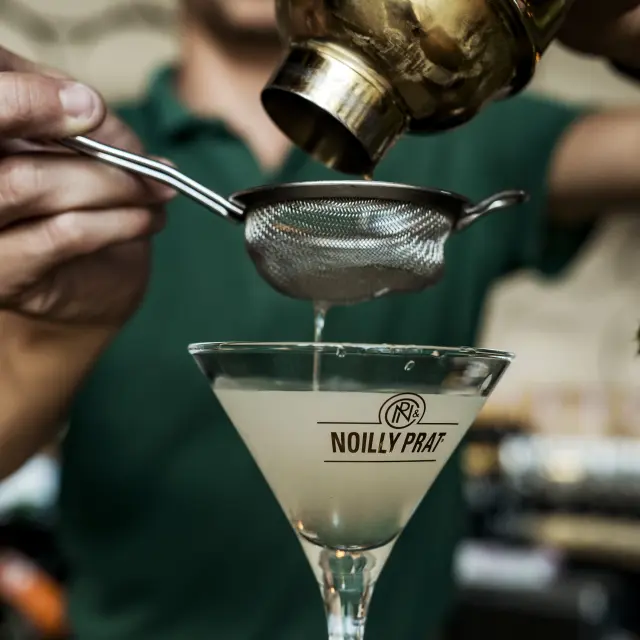
Founded in 1813 by Joseph Noilly, Noilly Prat has been producing France’s leading vermouth for over two centuries in its historic cellars in Marseillan. This legendary aromatised spirit, an essential ingredient in the Dry Martini immortalised by James Bond, is now exported to over 150 countries whilst remaining faithful to its original recipe and traditional production methods.

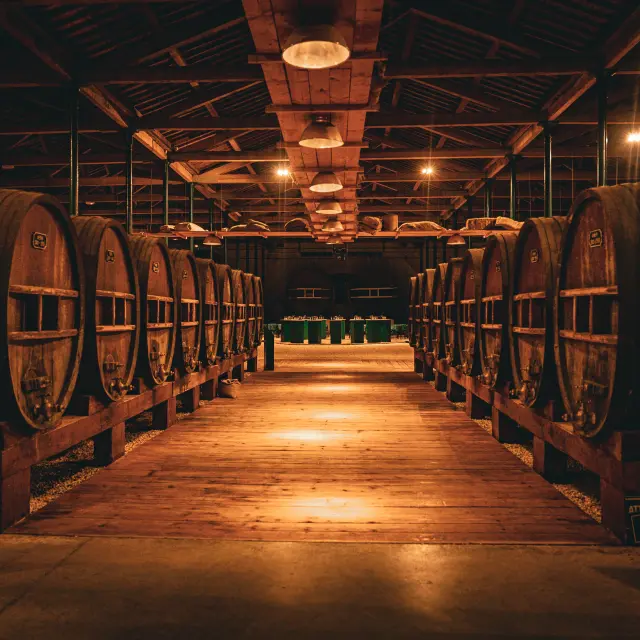
The guided tour, lasting approximately 1 hour 15 minutes, reveals the secrets of this unique production process. The tour begins in the Enclos, an extraordinary open-air cellar where over 600 oak barrels age in the open air, exposed to the mistral wind, the Mediterranean sun and the salty sea mist. This unique maturation process, known as “dodinage”, lasts 12 months and gives the vermouth its distinctive aromas. The barrels are regularly turned to homogenise the contents, a skill passed down from generation to generation.

The tour continues in the Herb Room, where the 20 aromatic plants and spices that make up the secret recipe are displayed: mugwort, chamomile, coriander, angelica, orange blossom, cinchona… Each ingredient is macerated separately in vats before being blended in proportions that are jealously guarded. The Brand Museum traces the history of Noilly Prat through old advertising posters, period tools and personal accounts.

The tour concludes with a guided tasting of the four varieties produced in Marseillan: Original Dry (the driest, the base for a Dry Martini), Extra Dry (smoother and fruitier), Rouge (sweeter with notes of red berries) and Ambré. The latter, a semi-dry amber vermouth with hints of vanilla, is an exclusive product sold only in Marseillan, making it a popular souvenir for visitors.

Introductory cocktail workshops (2 hours) allow you to learn how to make Martini Dry, Negroni and other classics under the guidance of a mixologist. Wine-tasting workshops (1½ hours) provide an in-depth look at vermouths and their food and wine pairings. An on-site shop sells all four varieties, gift sets and bar accessories.

Practical information: Bookingrequired for all tours and workshops. Open all year round except January. Prices: guided tour + tasting €12 per adult, free for under-18s. Opening hours vary by season. Enquiries and bookings: noillyprat.com or 04 67 77 20 15. 
The Canal du Midi UNESCO World Heritage Site

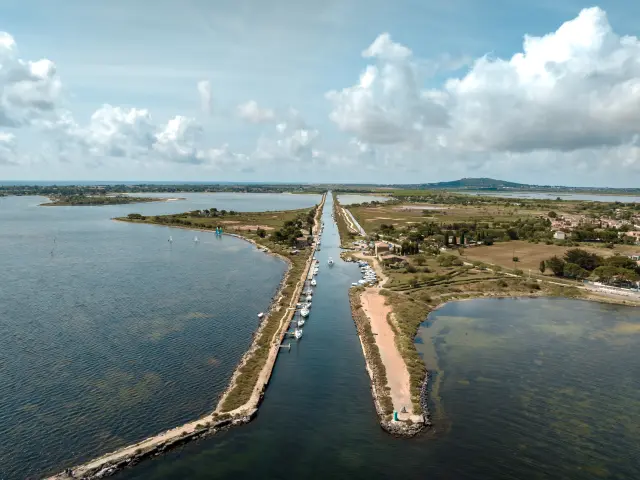
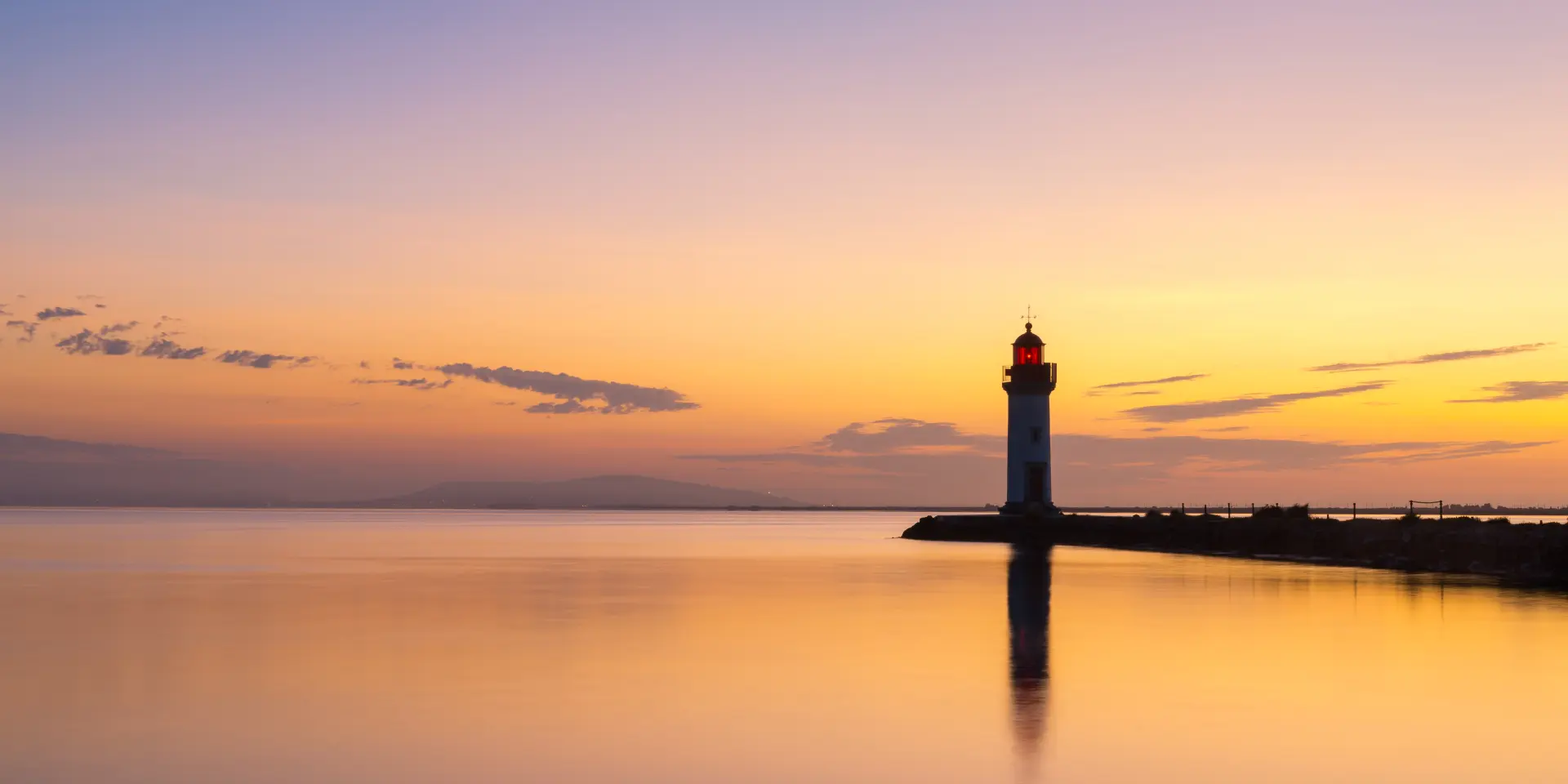
The Canal du Midi flowsinto the Thau lagoon at the Pointe desOnglous in Marseillan, creating a moment of stillness where the canal’s fresh water meets the salty waters of the lagoon. This 17th-century engineering masterpiece, the visionary work of Pierre-Paul Riquet completed between 1666 and 1681, links the Atlantic to the Mediterranean over a distance of 241 kilometres. Listed as a UNESCO World Heritage Site since 1996, it is one of the oldest canals in Europe still in operation.

The Onglous lighthouse, built in 1838, marks this symbolic junction between the canal and the lagoon. From its terrace, situated 11 metres above ground level, the view takes in an exceptional panorama of Mont Saint-Clair in Sète, towering over the horizon and the oyster beds that stand out against the calm waters surrounding us. The vastness of the lagoon stretches all the way to the villages on the opposite bank, offering one of the most photographed views inthe Thau Archipelago. 

The towpaths, once used by horses pulling barges, are now ideal for walks or bike rides in a preserved, bucolic setting. The Marseillan-Mèzeroute (16 km one way, approx. 2 hours by bike, 4 hours on foot) runs alongside the lagoon through vineyards and marshes, an area designated as a Natura 2000 site for its ecological richness. The route to Agde (7 km) passes through agricultural landscapes and historic locks. The centuries-old plane trees lining the canal provide welcome shade in summer, creating a refreshing green tunnel.

Electric boat trips are offered by several operators, providing a different way to explore the canal. These half-day or full-day guided cruises reveal the fascinating history of this exceptional waterway, explain how the locks work and share stories from the boatmen. Some packages include a gourmet meal on board or a tasting stop at a riverside vineyard. A peaceful and original way to explore this UNESCO World Heritage Site.  

Marseillan-Plage 6 kilometres of golden sand

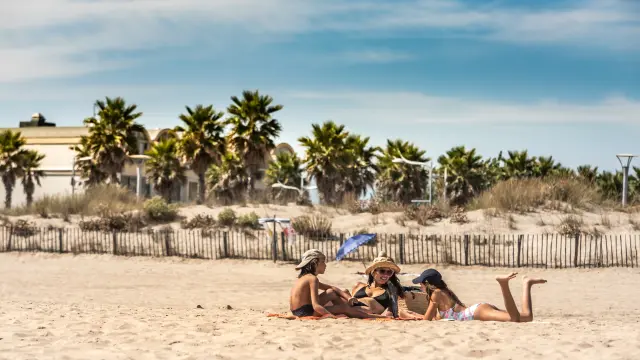
The beaches of Marseillan stretch for 6 kilometres along the Mediterranean coast, offering a true seaside paradise for all types of beachgoers. Fine golden sand, clear, shallow waters, and an ideal location… Everything you need for a perfect day of relaxation.

Plage d’Honneur, the busiest and liveliestbeach, is packed with facilities and activities. The lifeguard station, equipped with a beach wheelchair for people with reduced mobility, provides supervision from mid-June to mid-September. The beach huts offer sun loungers, dining with your feet in the sand and evening musical entertainment.

Rieu Beach is home to a number of campsites with direct access to the sea: Beach Garden with its water park, Les Dunes et Soleil with its shady pine forest, and La Créole with its family-friendly atmosphere. This stretch of coastline appeals to holidaymakers staying in holiday homes who appreciate being right by the waves. The shops on Avenue de la Méditerranée (bakeries, mini-markets, ice-cream parlours) are just a stone’s throw away for daily shopping.

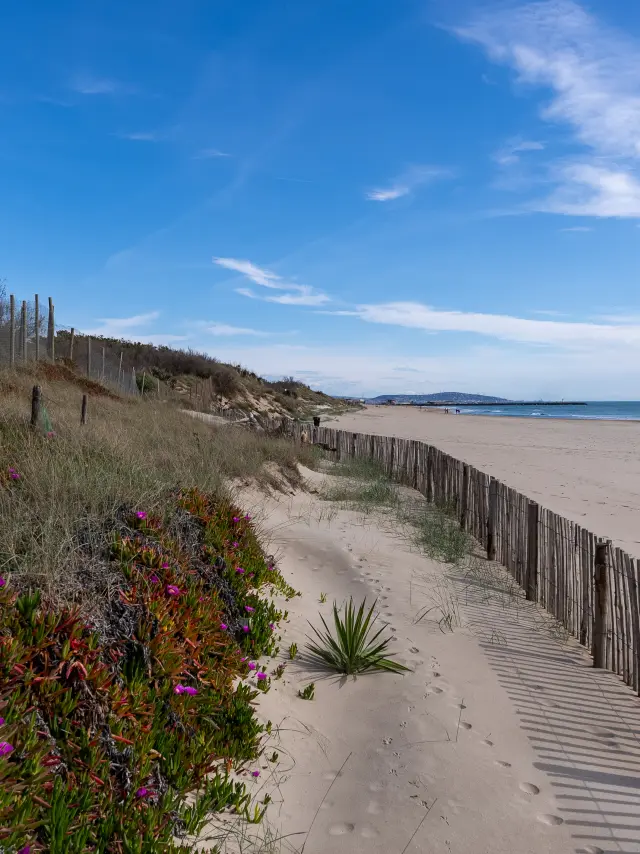
Robinson and Les Dunes beaches, situated on the other side of the Pisse Saumes canal, offer a completely different atmosphere. More unspoilt and wild, they attract those seeking tranquillity and contact with a less developed natural environment. The dunes, stabilised by dune vegetation, create an authentic landscape where marram grass, everlasting flowers and sand bindweed form a plant palette suited to the environment. Access road 72/73 to Vassal Beach towards Sète welcomes dogs on a lead, a rare privilege on the Mediterranean coast.

Marseillan also offers a wide range of water sports:kitesurfing and wingfoil schools, paddleboard and canoe-kayak hire, sea fishing trips, and scuba diving with several local clubs. Five lifeguard stations equipped with hoists for people with reduced mobility provide supervision from mid-June to mid-September. The town is also renowned for the excellent quality of its bathing waters all year round.

Mediterranean Avenue and the amusement park 

Avenue de la Méditerranée is the main thoroughfare of Marseillan-Plage, a true seafront promenade stretching for over a kilometre between the harbour and the campsites. Beach shops, restaurants with shaded terraces, artisan ice-cream parlours, souvenir shops and water sports equipment hire firms line the street in a relaxed, summery atmosphere.

Families particularly enjoy hiring rosalies, those four-wheeled multi-seater bikes that allow several people to ride together facing the sea. Parents and childrenpedal together along the wide promenade whilst the little ones enjoy the scenery, sitting comfortably. This iconic activity on sunny afternoons in Marseillan-Plage creates happy memories and photos full of laughter.

The funfair sets up every summer from mid-June to the end of August, transforming the end of the avenue into a realm of rides and thrills. Over 40 rides for all agesmake up this new-generation funfair. Opening daily at dusk creates a magical atmosphere, with the colourful lights of the rides reflecting off the nearby sea. Free parking from 8 pm makes it easy to visit in the evening.

The Bagnas Nature Reserve Biodiversity sanctuary

Designated a National Nature Reserve since 1983 and a Natura 2000 site, the Bagnas Reserve covers 561 hectares, comprising freshwater marshes, brackish ponds, salt meadows and farmland. This protected area between Marseillan and Agde is one of the ecological jewels ofthe Thau Archipelago.

The richness of this protected site is reflected in some telling figures: over 200 recorded bird species (80 of which nest here), 16 reptile species, 9 amphibian species, 30 mammal species and 418 insect species. This exceptional biodiversity makes Bagnas a major stopover on the migratory route of birds between Northern Europe and Africa.

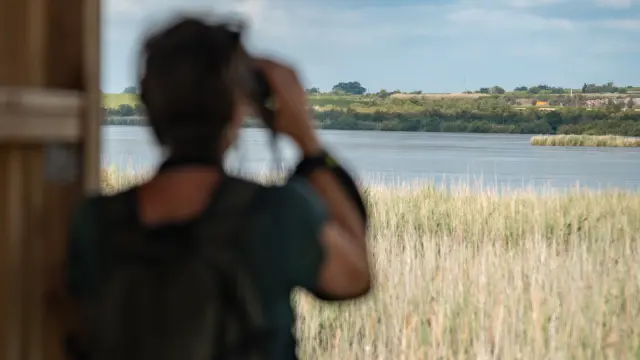
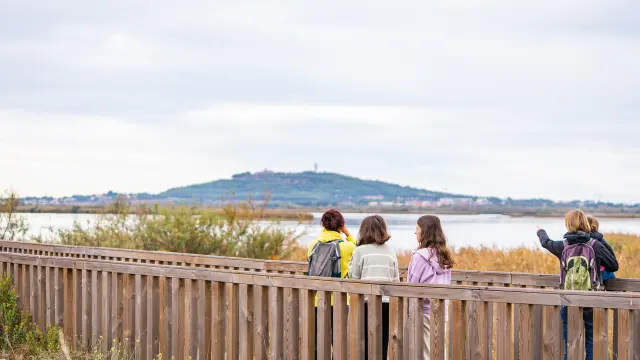
The nature trails wind their way through the various habitats. The birdwatching hides allow you to observe flamingos, grey herons, little egrets, marsh harriers, mallards and teals without disturbing them. In spring and autumn, the migration periods offer unforgettable spectacles as thousands of birds pass through. In summer, the flowering of glasswort and sea lavender tints the salt marshes with shades of purple and mauve.

The site is open all year round with free entry. Themed guided tours are organised by the Maison de la Réserve: exploring the flora and fauna, birdwatching, and learning about Mediterranean wetlands. These tours, led by passionate naturalists, last around two hours and are suitable for all, including families with children.

Getting to Marseillan and getting around the Thau Archipelago

Marseillan has 25 kilometres of safe cycle paths linking the town to the beach and neighbouring villages, making cycling the ideal way to explore the area. The Marseillan-Ville / Marseillan-Plage route (5 km) runs alongside the Pisse Saumes canal in a peaceful natural setting, perfect for a family ride.

To the north, the greenway leads to Sète (20 km) along the Thau lagoon, offering exceptional views of the oyster beds and Mont Saint-Clair. To the south, it heads towards Agde (7 km) and then continues to the Mediterranean. The full circuit of the Thau lagoon (around 60 km) is a day-long cycle ride suitable for all, passing through fishing villages, vineyards and protected natural areas

The Sète Agglopôle Mobilité network runs services to Marseillan all year round from the town of Sète. It can also be reached from Béziers and Agde via regular regional services (the LIO Transport network). Timetables are tailored to the needs of residents and visitors, with increased frequency and additional routes during the summer months.

From Montpellier (45 km, 40 minutes): A9, exit 34 Agde/Pézenas, then the D613 towards Marseillan. From Béziers (25 km, 25 minutes): A9, exit 34, then the D613. From Sète (20 km, 20 minutes): D612, which runs majestically alongside the Thau lagoon, offering superb views of the oyster beds.

Free car parks available in Marseillan-Ville (historic centre, harbour) and Marseillan-Plage (Avenue de la Méditerranée, beach access). In high season, use the outlying car parks and walk or cycle into the centre.

Parking map:marseillan-tourisme.com.

There is a dedicated motorhome park on Avenue du Général de Gaulle in Marseillan-Plage, 300 metres from the beach. This well-equipped site offers 70 pitches with a full range of facilities: drinking water points, electrical hook-ups, grey and black water disposal points, and Wi-Fi. Open all year round.

Marseillan, between the Thau Lagoon and the Mediterranean 

Marseillan embodies a Mediterranean way of life that is instantly appealing. With its blend of historical heritageand seaside pleasures, local cuisine and unspoilt nature, the town offers a range of experiences that will delight all visitors tothe Thau Archipelago. Its dual character as both a town steeped in history and a seaside resort allows everyone to tailor their ideal stay.

From heritage tours to colourful markets, from the Noilly Prat distillery to the Canal du Midi, from family-friendly beaches to the Bagnas nature reserve, every discovery reveals a facet ofthe soul of Marseillan.  

Your questions about Marseillan