The history of the Canal du Midi
Born of an age-old dream to link the Atlantic and the Mediterranean via the interior, the Canal du Midi was built during the reign of Louis XIV, between 1667 and 1681. We owe this bold dream to Pierre-Paul Riquet, whose proposal reached the ears of the Sun King thanks to Jean-Baptiste Colbert, Louis XIV’s influential Minister of Finance.
Determined to make his mark on history and establish France as a great power, Louis XIV asked Pierre-Paul Riquet, on 14 October 1666, to undertake the construction of the Royal Canal of Languedoc (renamed the Canal du Midi after the Revolution). A 14-year construction project then began! The major challenge: figuring out how to supply the canal with water.
Thanks to his genius and his knowledge of hydraulics, he turned his attention to the streams and rivers of the Montagne Noire as far as the Naurouze weir, which would allow water to flow towards both the Mediterranean and the Atlantic. Today, this system forms the highest point of the canal.
It was to this immense project that Riquet devoted most of his life, though he did not live to see the completion of his canal, having died on 1 October 1680 in Toulouse.
From the start of work in 1667 to the inaugural voyage in 1681, the construction mobilised up to 12,000 workers and continued between 1687 and 1694. Indeed, in the months following the inauguration, defects began to appear. Vauban was sent to the site by the King to implement a major programme of works to consolidate Pierre-Paul Riquet’s masterpiece.

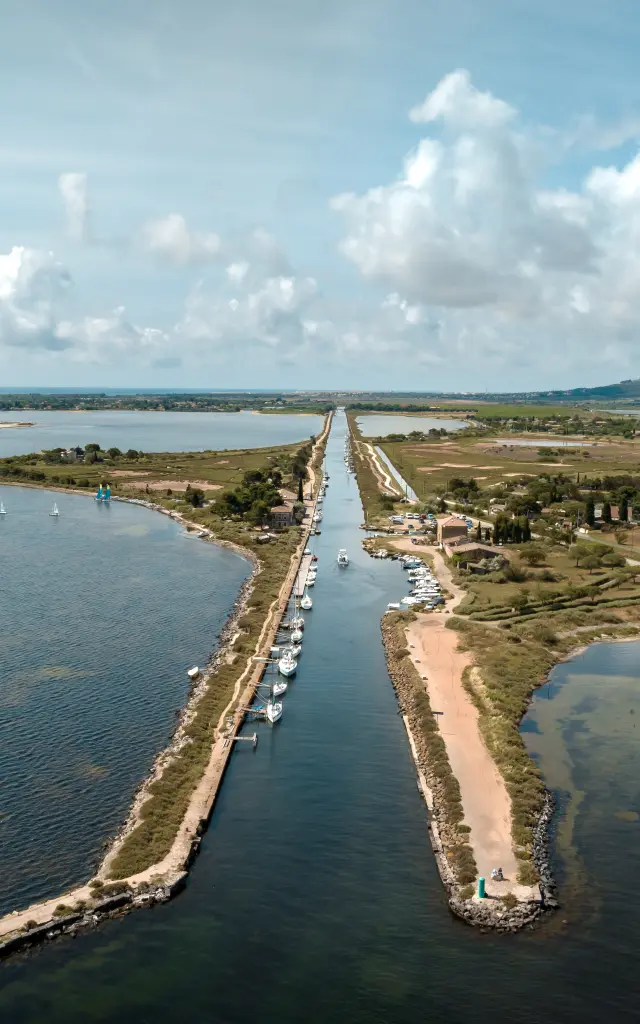
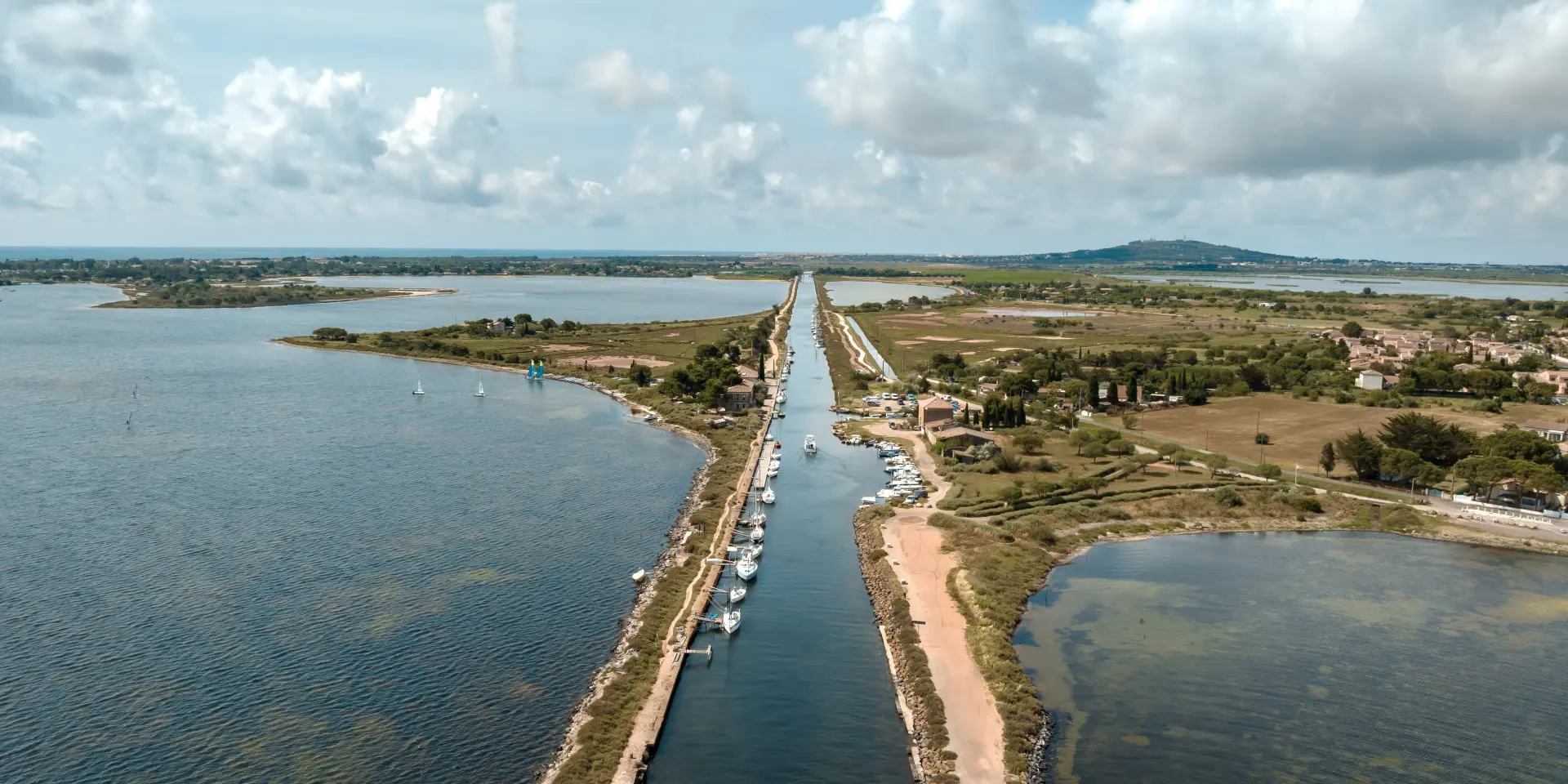
CANAL DU MIDI, MARSEILLAN
|