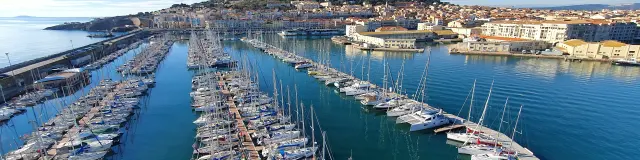
In the 17th century, the engineer Paul Riquet was seeking an outlet to the Mediterranean for the Canal du Midi. At the same time, King Louis XIV needed to establish a roadstead to shelter the royal galleys from the storms of the Gulf of Lion, and a port for exporting produce from the Languedoc… Commissioned by Minister Colbert, the Chevalier de Clerville, the king’s engineer, identified the Cap de Sète, which had until then been uninhabited, as the most suitable site for the creation of a port…
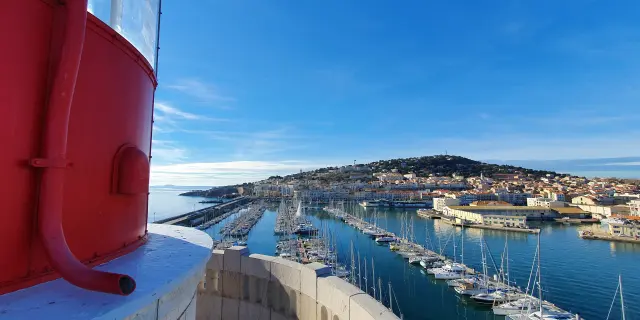
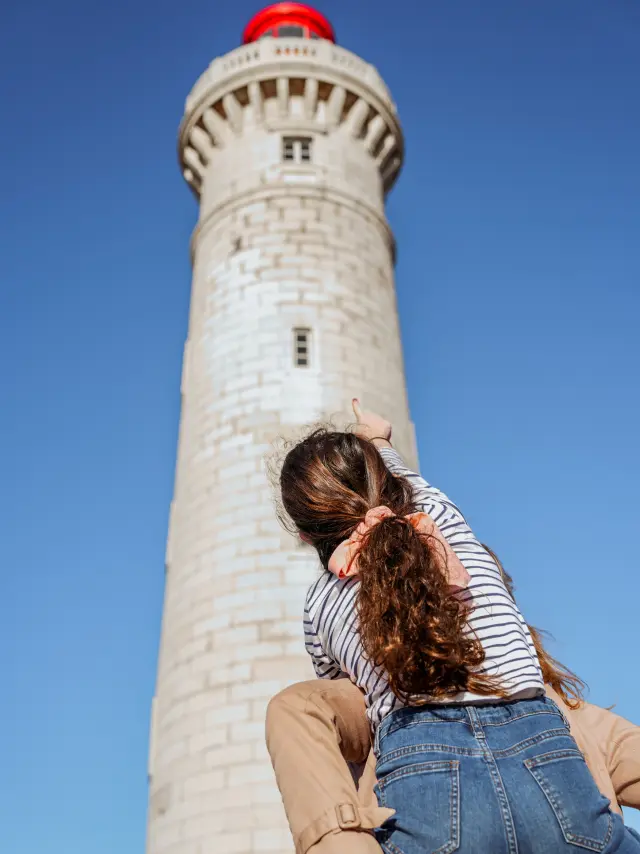
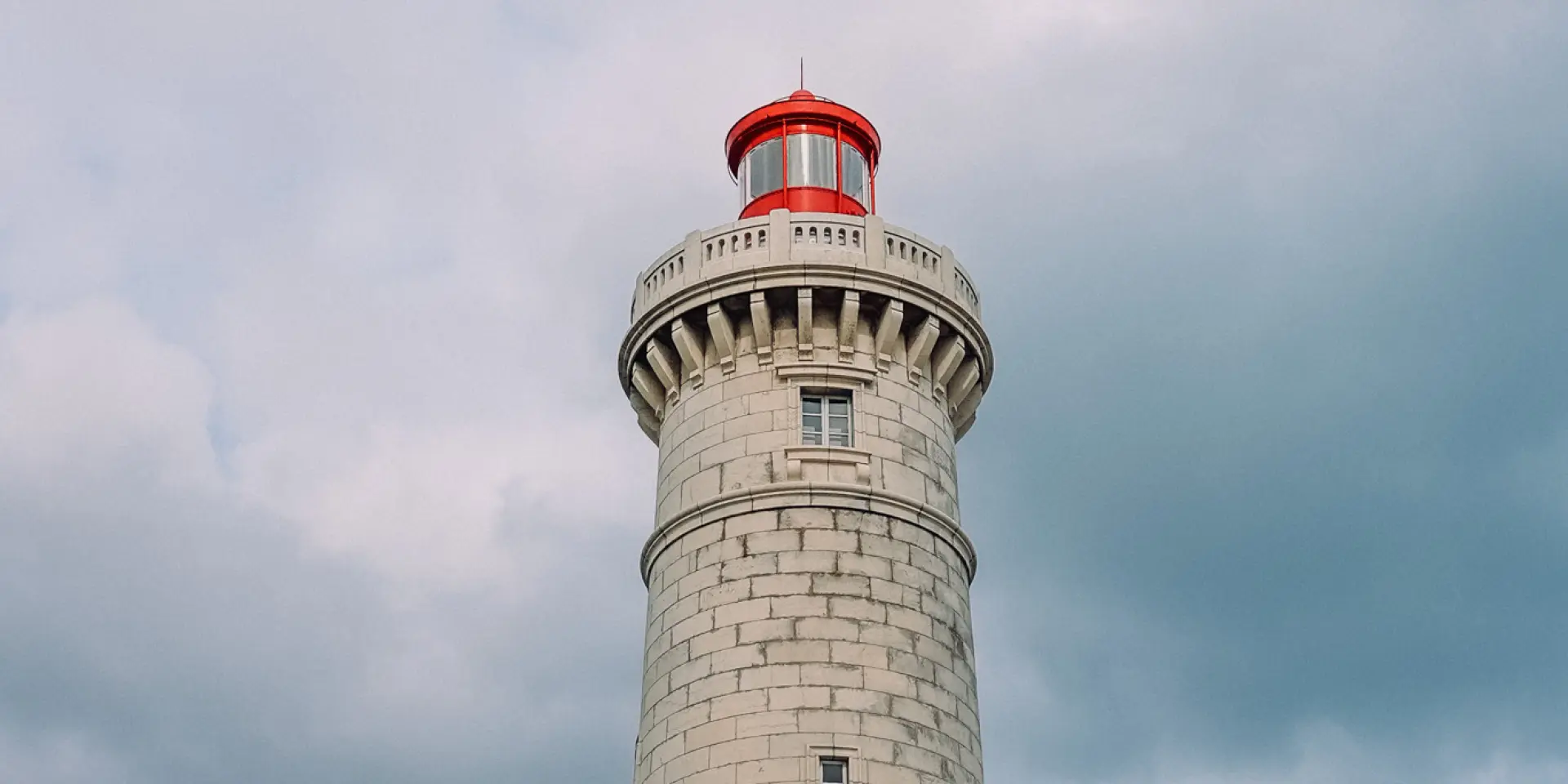
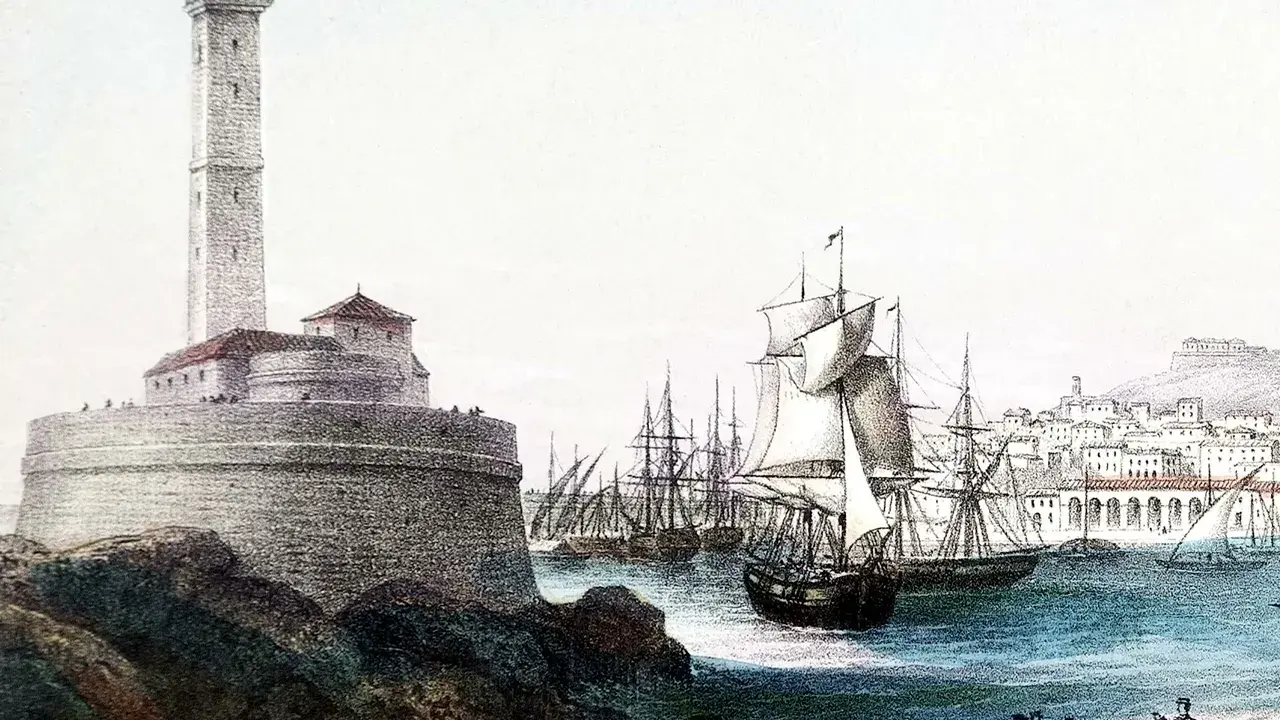
Work began on 29 July 1666 with the construction of the Saint-Louis breakwater, which still protects the entrance to the old harbour today and on which stands the lighthouse of the same name. Completed around 1680, the pier was fitted with a simple lantern to signal the harbour entrance to ships.
The storm of October 1683 swept away the breakwater’s square jetty and its lantern. All that remains is a small stone islet, still visible today, known as an ‘estron’ or ‘pilon’. A new, rounded breakwater, facing north-east, was topped by a bastion with a battery of cannons. A round lighthouse tower was rebuilt immediately, rising to a height of 14 metres. At that time, the lighthouse was lit using wood and coal. It was not until the 1690s that it switched to oil lighting.