©

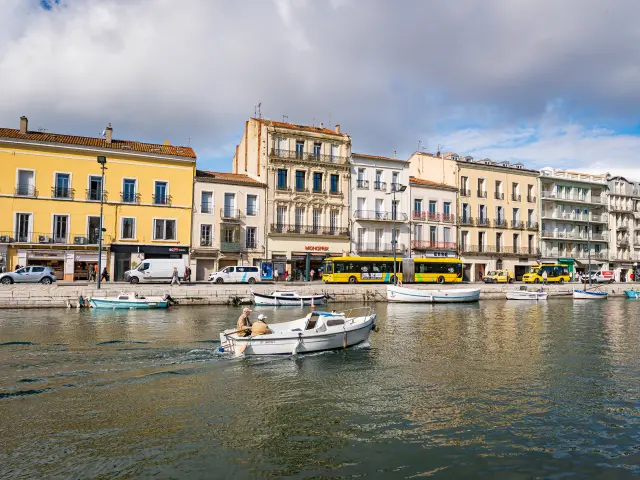
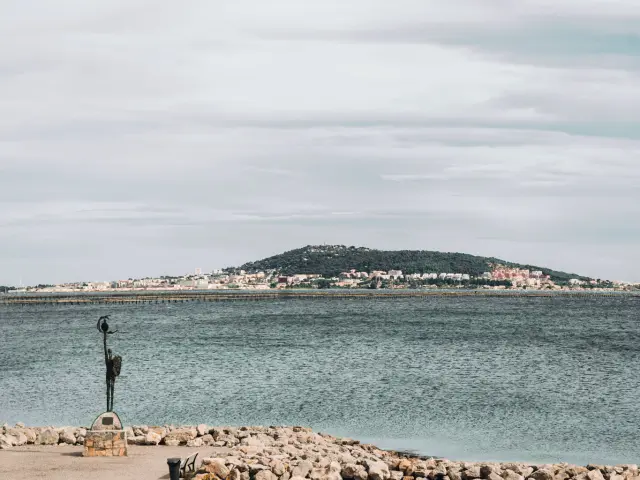
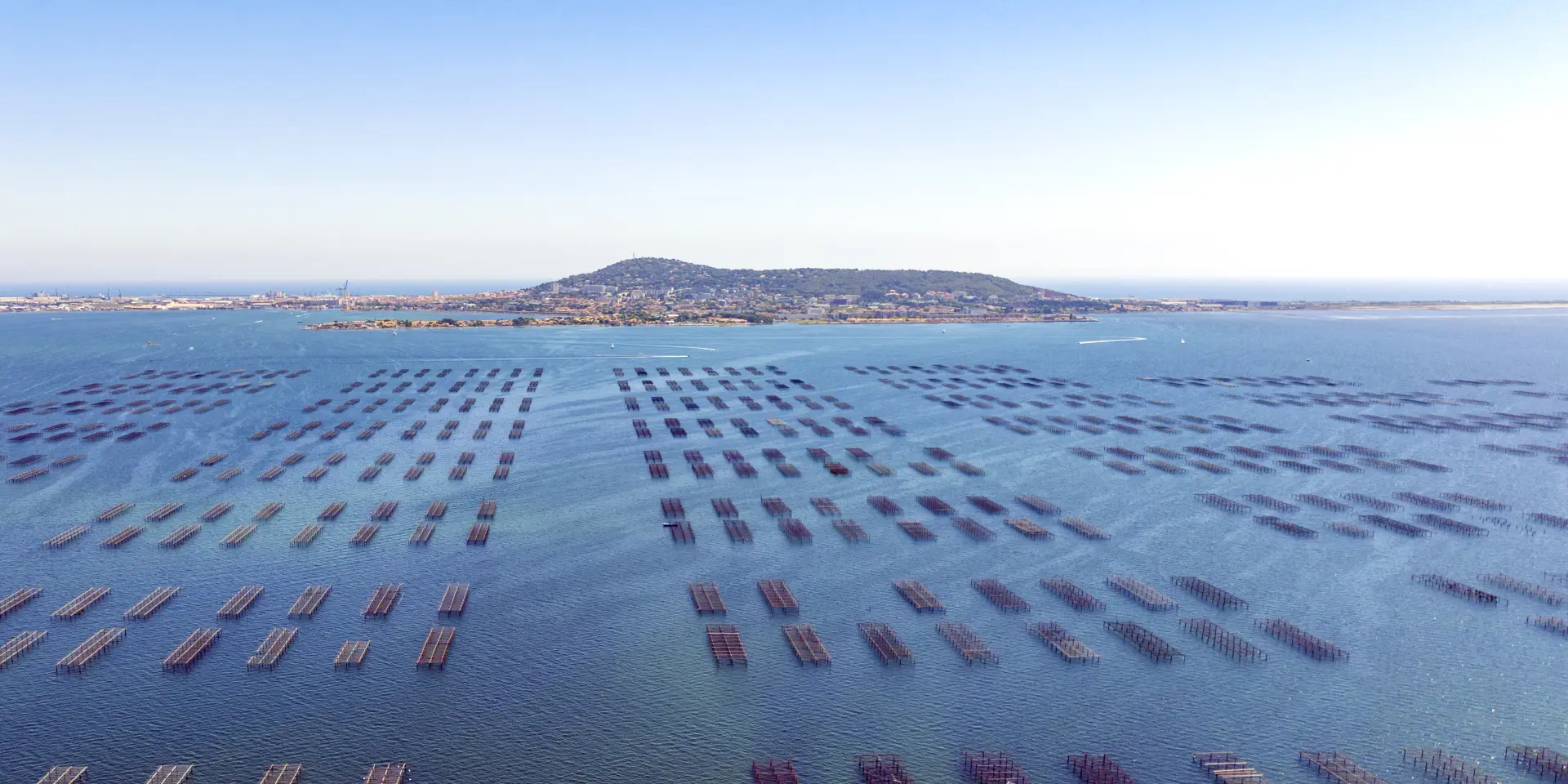
View of Sète from Bouzigues

|

G_DELOYE_OT-THAU

RESOLUTIONS FOR 2026 TAKE A BREAK IN THE THAU ARCHIPELAGO

Nestled between the sea and the lagoon, the Thau Archipelago is a unique destination where the Mediterranean way of life comes into its own. From Sète to Mèze, via the picturesque villages of Bouzigues, Mireval and Villeveyrac, this region comprising 13 municipalities invites you to slow down, reconnect with what really matters and discover an exceptional local area.

Updated on 15 June 2026

SOFT MOBILITY: A GIVEN

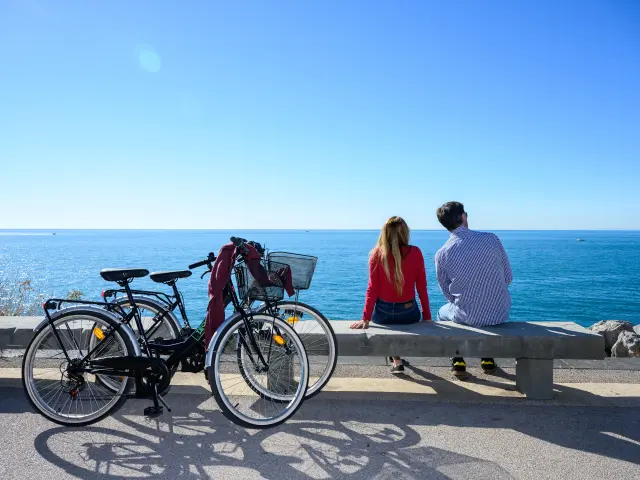
In the Thau Archipelago, taking your time becomes a way of life. Here, every mode of transport is an invitation to explore: whether on foot, by bike, by bus or by ferry, every journey becomes an experience in itself.

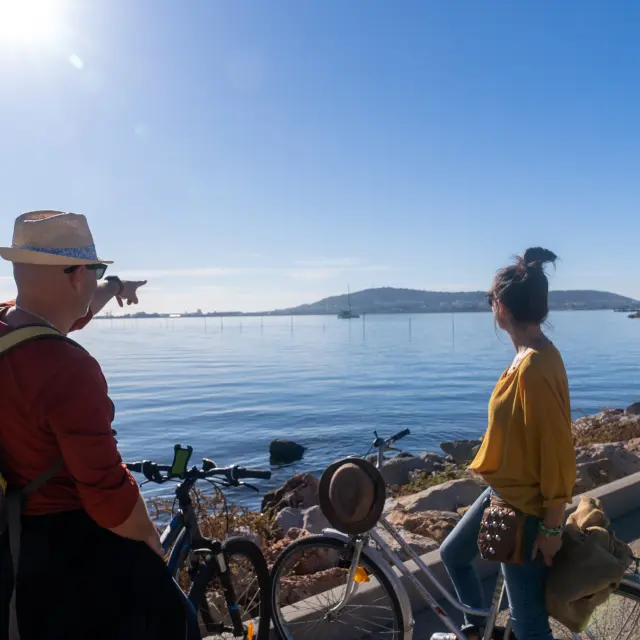
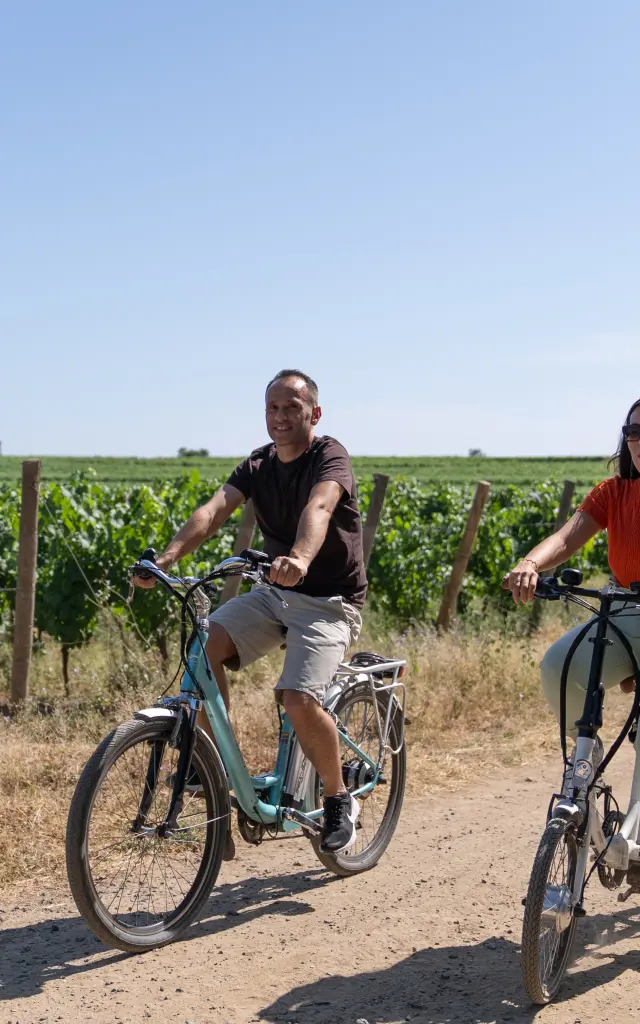
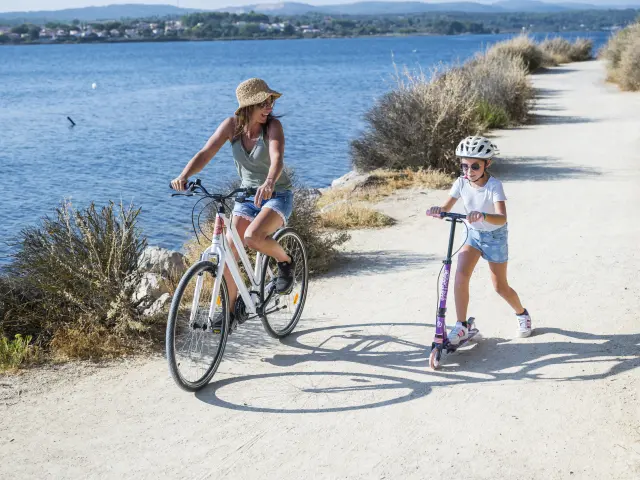
The Thau Archipelago boasts a network of 242 kilometres of cycle paths, with nearly 70 businesses holding the Accueil Vélo accreditation. The cycle route around the Thau Lagoon is one of the region’s flagship routes: around 60 kilometres of ever-changing scenery, taking in oyster beds, authentic villages and unspoilt natural areas.

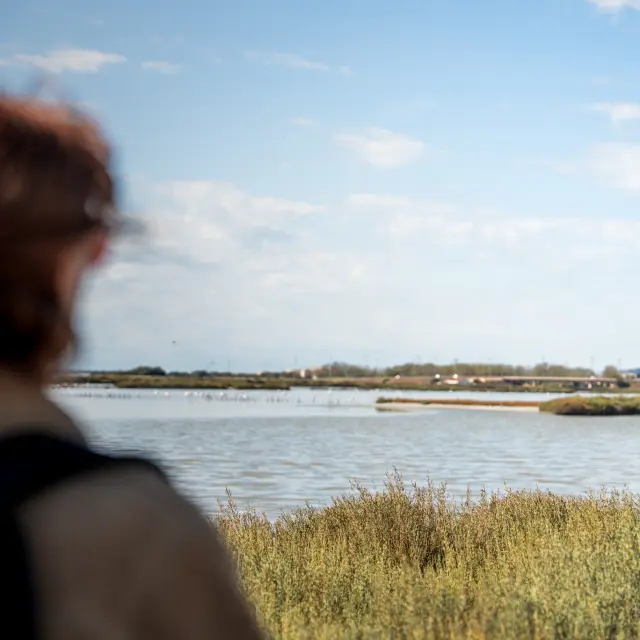
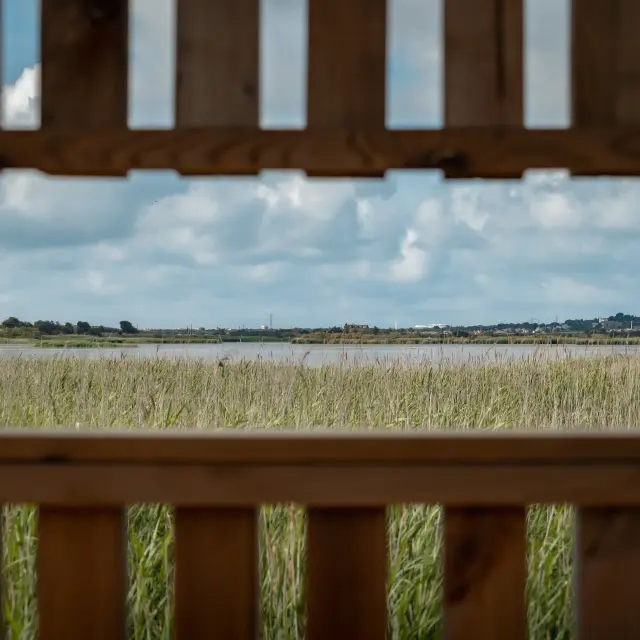
The Lido Greenway, which links Marseillan to Sète, offers a gentle ride between the lagoon and the Mediterranean. Between Bouzigues and Balaruc-le-Vieux, the cycle path along the lagoon offers the chance to spot numerous bird species, and with a bit of luck, flamingos.

There are plenty of bike and e-bike hire companies in the area, andthe GéoVélo app puts all the routes at your fingertips. Whether you opt for a leisurely family outing or a more challenging ride in the Gardiole massif,the Thau Archipelago is best explored on two wheels.
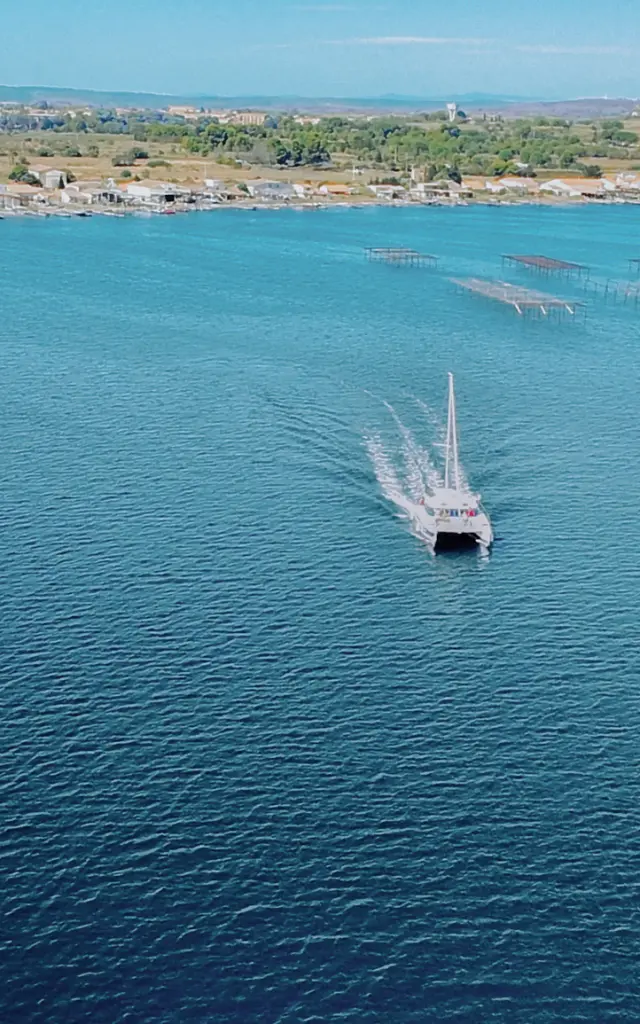
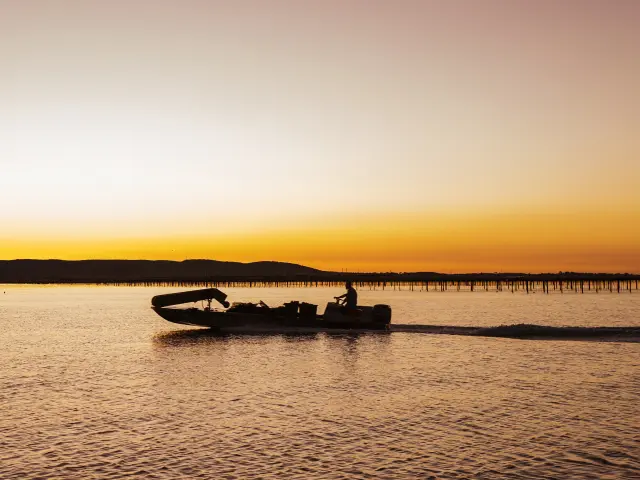
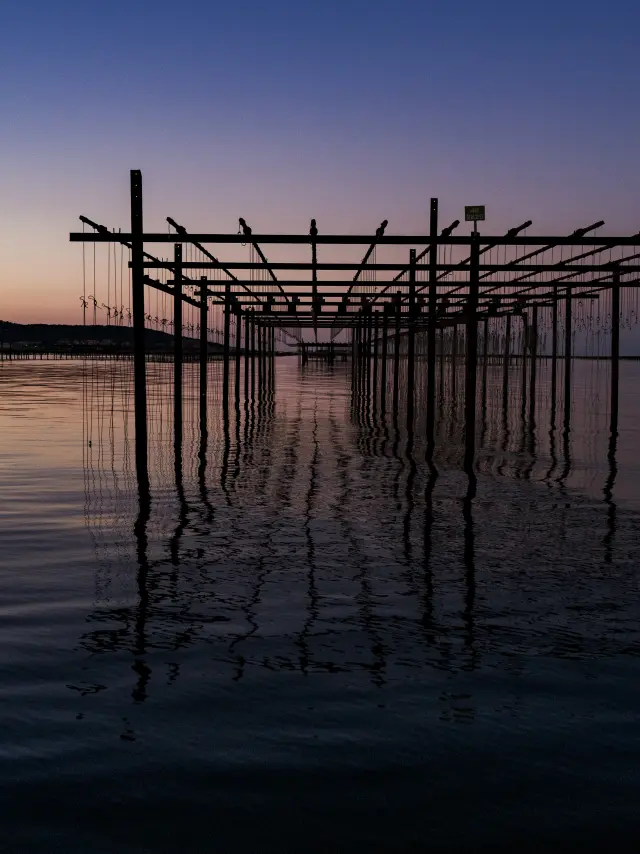
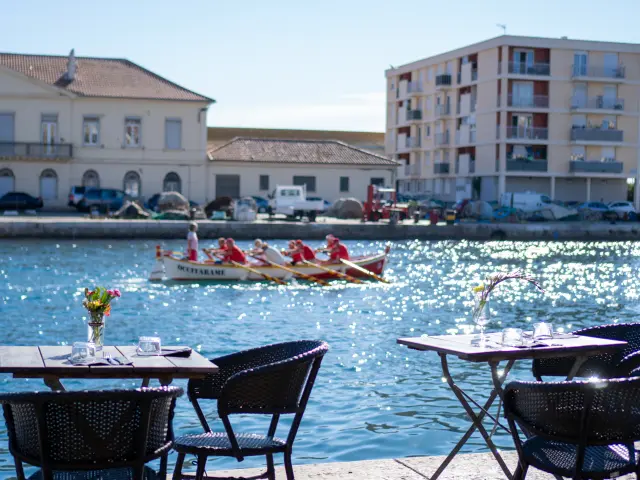
In the summer months, make the most of the boat services that criss-cross the Thau lagoon: the Sète–Mèze shuttle turns a simple journey into a scenic cruise, the Sète water bus lets you explore the town’s canals from the water, or the Balaruc-les-Bains–Sète shuttle, available all year round on request. It’s the perfect opportunity to explore the famous oyster beds from the water, with their 2,500 or so racks stretching as far as the eye can see.

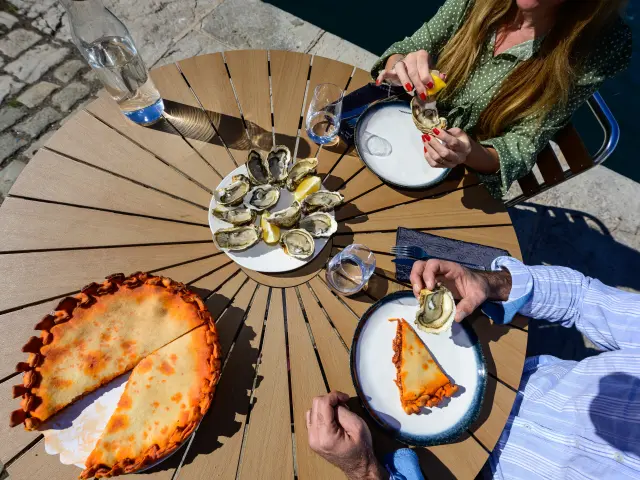
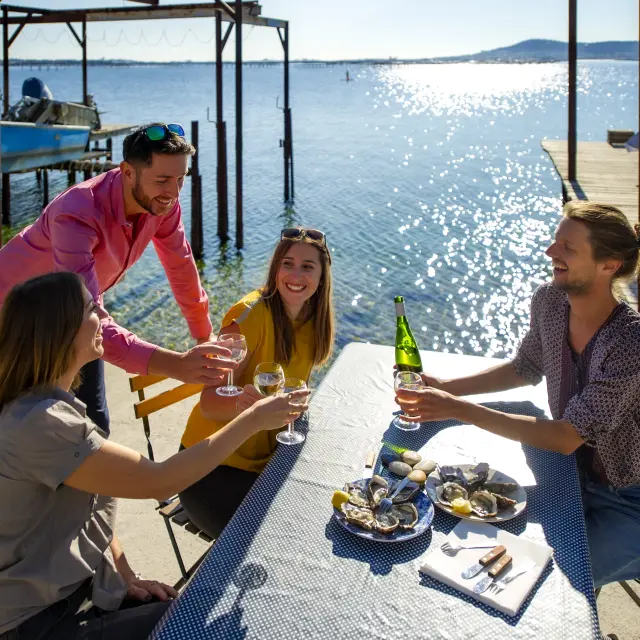
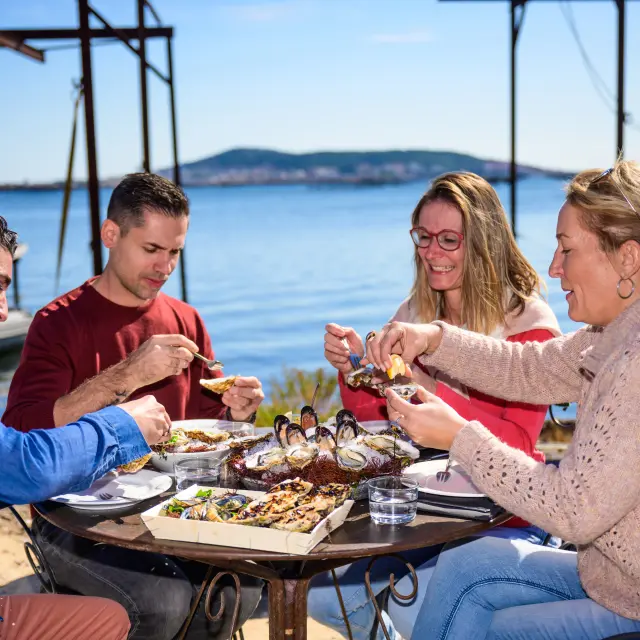
Many operators also offer boat trips to explore the Thau lagoon and its shellfish-farming secrets, often accompanied by a tasting of fresh oysters and a glass of Picpoul de Pinet.


Slow down, breathe, rest

The Thau Archipelago invites you to take your time, to prioritise quality over speed, and to savour every moment rather than rushing from one place to the next. 
 

Places perfect for unwinding

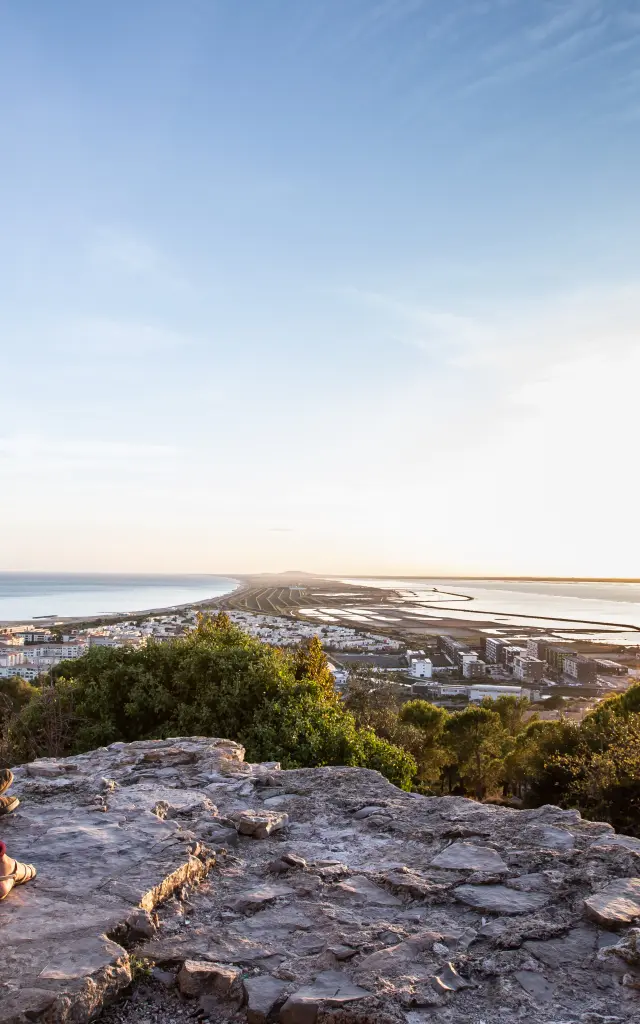
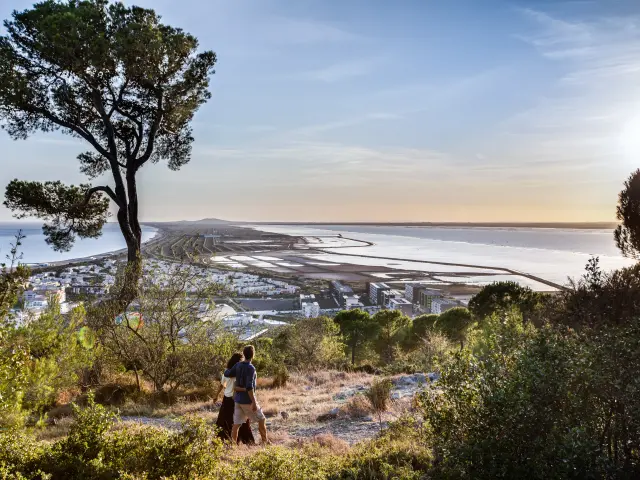
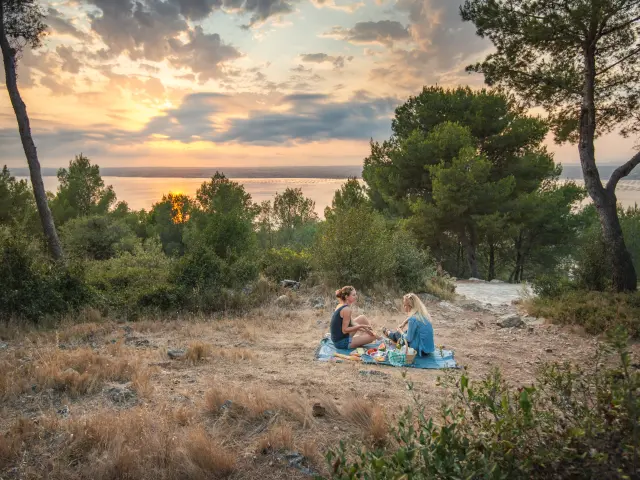
Rather than rushing from one site to another, opt for a more in-depth exploration. Sit back on a shaded terrace at a café in Mèze, stroll through the medieval streets of Balaruc-le-Vieux, or watch the sunset from Mont Saint-Clair in Sète.

The region is brimming with places where you can anchor yourself in the present moment. TheJardin Antique Méditerranéen in Balaruc-les-Bains invites you to take a contemplative stroll amongst plants from antiquity from March to November. Natural areas such as the Bois des Aresquiers or the Frontignan salt marshes offer sanctuaries of tranquillity where time seems to stand still.


Well-being at the heart of the experience

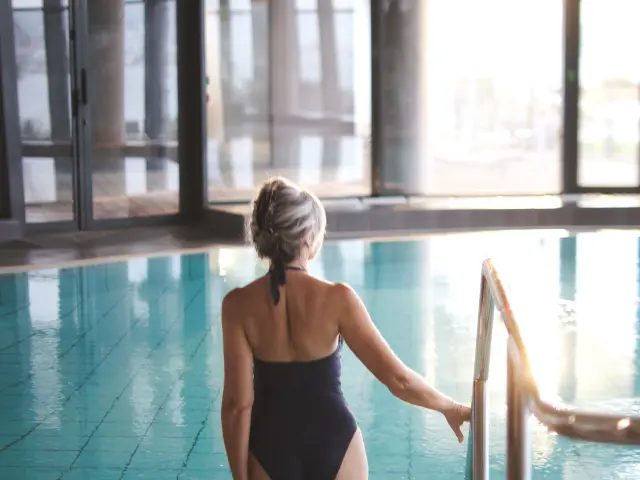
Balaruc-les-Bains, France’s leading spa resort, perfectly embodies this philosophy of rest and rejuvenation. Its thermal waters, used since ancient times, are renowned for their healing properties in the treatment of rheumatic and venous conditions.

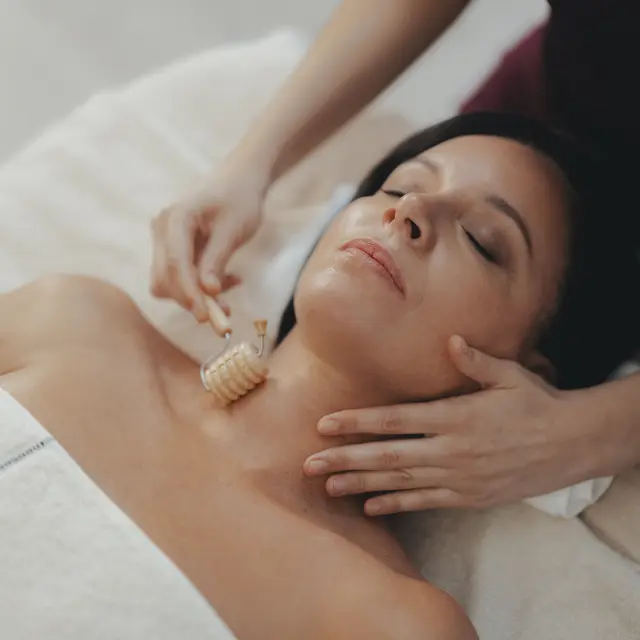
The O’Balia retreat offers treatments combining the benefits of thermal water with modern relaxation techniques. Further south, the Tarbouriech estate in Marseillan has createdOstréathérapie©, innovative treatments that harness the skin-enhancing properties of oysters.

These wellness breaks, whether lasting an hour or three weeks, are an integral part ofthe local way of life: knowing how to make time for oneself, reconnect with one’s body, and slow down.


TASTE THE LOCAL AUTHENTICITY

Markets are a central part of daily life in the Thau Archipelago. Every day of the week, in one of the 13 local authorities, producers and traders offer up the treasures of the Mediterranean region.

 In traditional markets

At the market in Mèze on Thursdays and Sundays, at the market in Balaruc-les-Bains on Tuesdays and Fridays, or at the large market in Sète on Mondays, the atmosphere is always warm and welcoming. You can wander around, sample the goods and chat with the producers as they talk about their work and their passion.

Oysters and mussels fromthe Thau lagoon, fresh from the water, seasonal fruit and vegetables, Muscat de Frontignan, olives and tapenade, garrigue honey: the stalls are bursting with colour and flavour. These markets are true showcases of the region, revealingthe identity of the Thau Archipelagoat its most vibrant and everyday.

 Meeting with the producers

Beyond the markets, the Thau Archipelago invites you to meet the people who shape the region. The shellfish farms of Bouzigues, Loupian and Mèze open their doors for tours and tastings. On a wooden terrace overlooking the lagoon, oyster farmers share their ancestral know-how and offer tastings of their oysters and mussels, which are grown on ropes.

Today, 450 producers carry on this shellfish farming tradition, which dates back to ancient times. Nearly 13,000 tonnes of oysters and mussels are produced each year in the Thau lagoon, thanks to specific farming techniques that give them an exceptional texture and generous, plump, melt-in-the-mouth flesh.

The Hérault Conchylitour offers a gourmet tour of the production sites, by bike, boat or car, featuring demonstrations, hands-on workshops and tastings.

 Meeting with the producers

The local winegrowers are no exception: the Muscat de Frontignan and Mireval and Picpoul de Pinet appellations are renowned far beyond the region. Many vineyards offer tours and tastings, some in exceptional settings such asValmagne Abbey in Villeveyrac. 


PRESERVING WHAT BRINGS YOU HERE

The Thau Archipelago is not just a tourist destination; it is a fragile ecosystem whose delicate balance deserves our attention and respect.

Remarkable biodiversity 

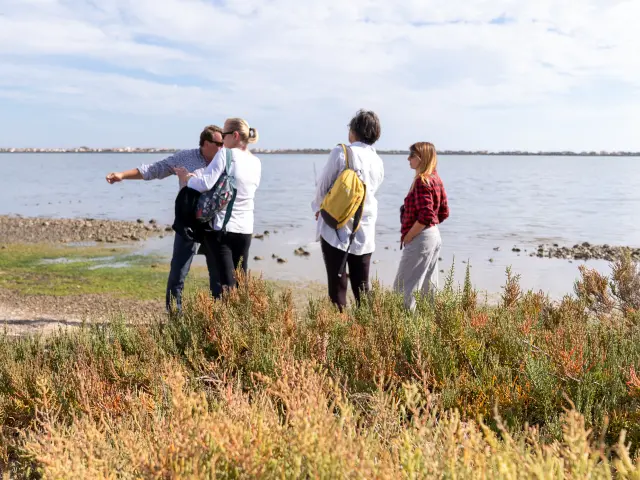
The Thau Lagoon, a designated Natura 2000 site and recognised Marine Protected Area, is home to nearly 400 aquatic species, including the famous spotted seahorse, which attracts divers from all over the world. Its eelgrass beds, among the largest in Europe at 2,400 hectares, play a crucial role as nurseries, spawning grounds and habitats for numerous fish species. From the Gardiole massif to the former salt marshes of Frontignan, via the Bagnas nature reserve near Marseillan, this mosaic of natural environments is home to remarkable biodiversity. In particular, you can spot flamingos, sandwich terns and egrets on the banks of the ponds.


Landscapes worth protecting

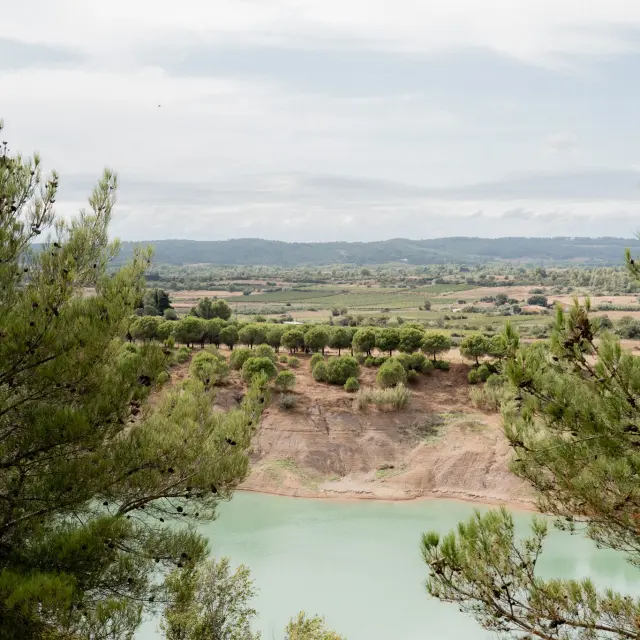
The sandbanks separating the lagoon from the Mediterranean, the thyme- and rosemary-scented scrubland of the Gardiole massif, and the vineyards rolling out to the horizon: these landscapes form the visual identity of the Thau Archipelago. Preserving them ensures that the area will remain vibrant, accessible and easy to navigate, both today and in the future.

The Thau Archipelago has been awarded the Green Destinations label, an international recognition of its commitment to sustainable and responsible tourism. This distinction rewards collective efforts to preserve the environment whilst developing a respectful tourism economy.

SUPPORTING THOSE WHO SHAPE THE LOCAL COMMUNITY

Behind every landscape lie the skills and craftsmanship of local people. Behind every product lies the daily work of producers, winegrowers and shellfish farmers who shape and sustain the Thau lagoon, day after day.

Traditional trades rooted in the local area

Behind every oyster from the Thau lagoon lies a family history, a craft passed down from generation to generation. The history of shellfish farming in the Thau lagoon began in the early 20th century with Louis Tudesq, a bricklayer from Bouzigues who developed the first technique for farming oysters suspended on ropes. This revolutionary innovation is still what makes Thau oysters so distinctive today.

To understand this living heritage, a visit to the Musée de l’Étang de Thau in Bouzigues is a must. In this remarkable place, antique artefacts, videos and aquariums recount the epic story of the fishermen and shellfish farmers who shaped the lagoon. Here, you can discover how techniques have evolved whilst preserving the essence: artisanal, high-quality production.

The winegrowers, too, carry on centuries-old traditions. Muscat de Frontignan, a naturally sweet wine renowned since the Middle Ages, and Picpoul de Pinet, whose briny freshness pairs so well with oysters, bear witness to an exceptional terroir. In settings that are sometimes majestic, such asthe Abbey of Valmagne in Villeveyrac, where wine barrels have replaced the stalls in the Gothic nave, the winegrowers open their doors to share their passion.

Local flavours

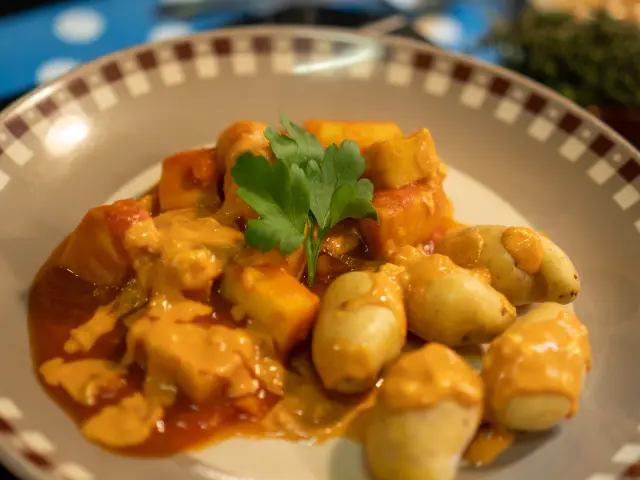
The Thau Archipelago is as much a delight to savour as it is to explore. The Tielle sétoise, Thau oysters and mussels, brasucade, eel in bourride, Muscat de Frontignan, Picpoul de Pinet, zézettes… Each speciality tells the Mediterranean story of the region, a blend of Languedoc and Italian influences, of land and sea. These flavours can be discovered in restaurants that showcase local produce, directly at the producers’ premises during tastings by the lagoon, or on the colourful stalls of traditional markets.

A destination that’s bustling all year round

The Thau Archipelago isn’t just for the summer months. Its mild Mediterranean climate, with over 300 days of sunshine a year, means you can enjoy the area all year round.

Spring is perfect for bike rides and walks through the flowering garrigue. Autumn, with its golden light, is ideal for sampling shellfish and exploring the local heritage. Winter is the time to enjoy the benefits of the thermal waters and cultural events.

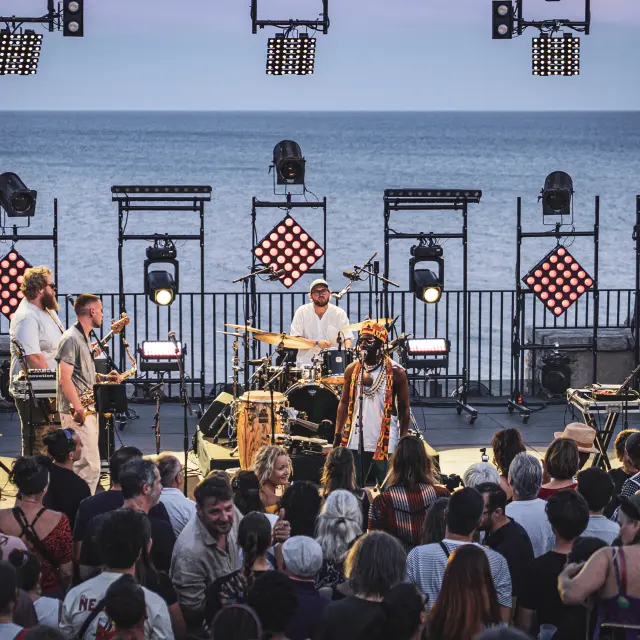
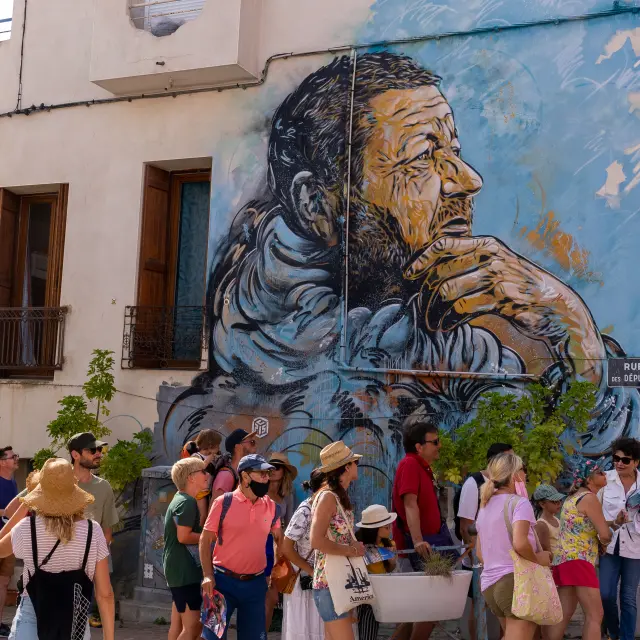
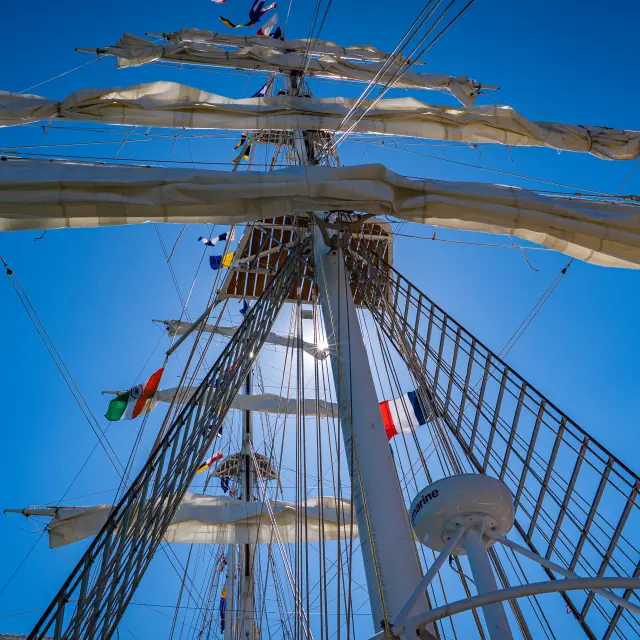
Events punctuate the year: the Oursinade in March in Sète, K-Live, the urban culture festival in early June, the International Noir Novel Festival (FiRN) in Frontignan, and Escale à Sète every two years with its celebration of maritime traditions.

Going further...